

Feb . 11, 2026 00:01 Back to list
china water pipe for kitchen sink Material Performance
Introduction
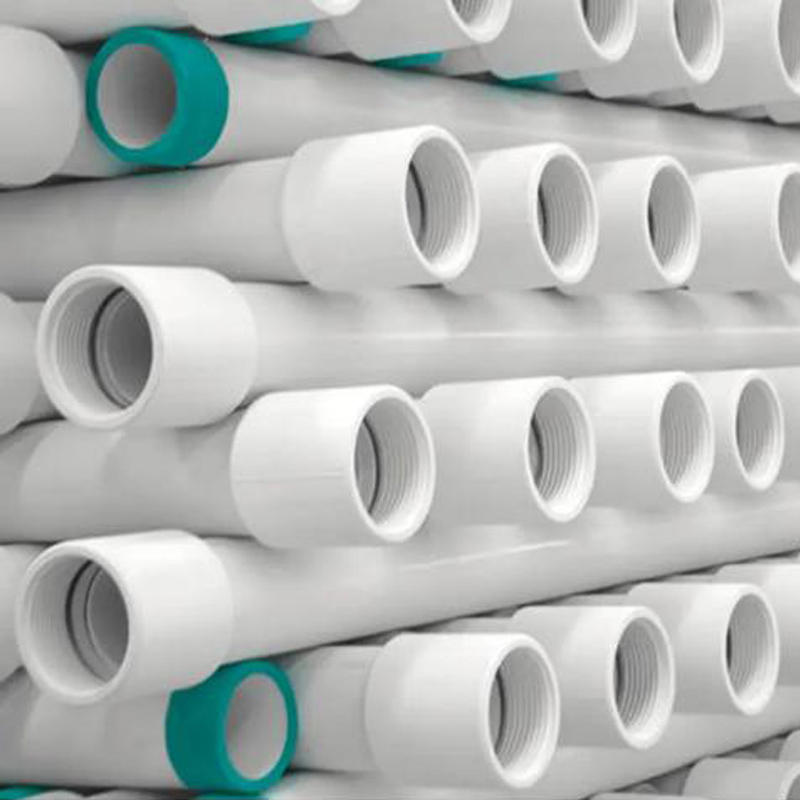
China water pipes for kitchen sinks, specifically those manufactured and exported from China, represent a significant segment of the global plumbing infrastructure supply chain. These pipes, commonly constructed from Polypropylene Random (PPR), Polyvinyl Chloride (PVC), or Stainless Steel, serve as the critical conduit for both hot and cold potable water within residential and commercial kitchens. Their technical position within the industry chain is characterized by a balance between cost-effectiveness and increasingly stringent performance requirements. Core performance aspects center on hydraulic flow rate, pressure resistance, temperature stability, and, crucially, the absence of leaching of harmful chemicals into the water supply. The increasing demand for antimicrobial and lead-free solutions are driving innovation within this market segment, requiring manufacturers to adhere to evolving international standards and consumer expectations. The primary industry pain point revolves around ensuring consistent material quality, particularly concerning the plasticizers used in PVC formulations and the weldability of PPR pipes, coupled with minimizing the risk of corrosion in stainless steel variants.
Material Science & Manufacturing
The predominant materials utilized in China water pipe for kitchen sink manufacturing are PPR, PVC, and 304/316 grade stainless steel. PPR pipes are produced through the random copolymerization of propylene, resulting in a material possessing excellent chemical resistance, high-temperature stability (up to 95°C), and low thermal expansion. Manufacturing involves extrusion, where molten PPR is forced through a die to create the desired pipe diameter and wall thickness. Precise temperature control (typically 190-230°C) during extrusion is paramount to ensure consistent material properties and prevent degradation. PVC pipes, manufactured from Polyvinyl Chloride resin, benefit from lower production costs and excellent rigidity. However, PVC is susceptible to degradation at higher temperatures and requires plasticizers to enhance flexibility – the selection of these plasticizers is a key concern due to potential health risks. PVC manufacturing employs extrusion as well, often incorporating foaming agents to reduce material usage and weight. Stainless steel pipes, primarily 304 and 316 grades, are formed through processes like seam welding or extrusion. 316 grade offers superior corrosion resistance due to the addition of molybdenum. Welding parameters, including amperage, voltage, and shielding gas composition, must be meticulously controlled to prevent weld defects and maintain material integrity. Chemical compatibility of welding consumables with the base metal is also critical. Post-production quality control involves hydrostatic testing to verify pressure resistance and dimensional accuracy, alongside material composition analysis using techniques such as Fourier-Transform Infrared Spectroscopy (FTIR) for polymers and X-ray Fluorescence (XRF) for metals.
Performance & Engineering
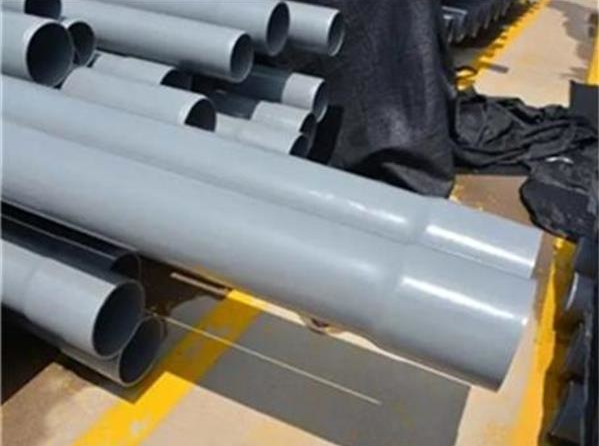
Performance of kitchen sink water pipes is dictated by several key engineering principles. Hydraulic flow analysis, governed by the Darcy-Weisbach equation and the Moody chart, determines pressure drop as a function of pipe diameter, flow rate, and surface roughness. Larger diameter pipes and smoother internal surfaces minimize pressure loss, optimizing water delivery. The pipes must withstand hydrostatic pressure, typically exceeding 6 bar (87 psi) for residential applications, and thermal stress induced by hot water flow. Stress analysis, often employing Finite Element Analysis (FEA), is used to optimize pipe wall thickness and minimize the risk of burst failure. Environmental resistance is critical, with pipes needing to withstand exposure to chlorine, detergents, and other common kitchen chemicals. PVC, while cost-effective, exhibits limited resistance to some organic solvents. Stainless steel offers excellent chemical resistance but is susceptible to pitting corrosion in chloride-rich environments, making 316 grade the preferred choice for areas with high chloride concentrations. Compliance requirements mandate adherence to standards related to lead content (e.g., NSF/ANSI 61), phthalate levels, and volatile organic compound (VOC) emissions. The expansion and contraction of materials with temperature changes must also be accounted for in the system design, using expansion loops or flexible connectors to prevent stress on joints.
Technical Specifications
| Material | Diameter (mm) | Pressure Rating (Bar) | Temperature Resistance (°C) |
|---|---|---|---|
| PPR | 20-50 | 20 | 95 |
| PVC | 20-110 | 15 | 60 |
| Stainless Steel 304 | 15-100 | 30 | 80 |
| Stainless Steel 316 | 15-100 | 40 | 80 |
| PPR-AL-PPR (Composite) | 16-32 | 25 | 95 |
| Chlorinated PVC (CPVC) | 15-50 | 18 | 100 |
Failure Mode & Maintenance
Failure modes in kitchen sink water pipes are diverse and dependent on the material. PPR pipes are susceptible to creep rupture under sustained pressure and temperature, particularly at elevated temperatures. Improper fusion welding can lead to weak joints prone to leakage. PVC pipes can experience embrittlement over time due to UV exposure and plasticizer migration, leading to cracking. Hydrostatic stress and water hammer effects can induce sudden rupture. Stainless steel pipes can fail due to pitting corrosion, crevice corrosion, and stress corrosion cracking, particularly in environments with high chloride concentrations. Galvanic corrosion can occur if dissimilar metals are used in the plumbing system. Maintenance strategies include regular visual inspection for leaks, cracks, and signs of corrosion. Periodic pressure testing can identify weakened sections. For PPR and PVC pipes, damaged sections should be replaced entirely, as repairs are generally not reliable. Stainless steel pipes can sometimes be repaired by welding, but the weld must be performed by a certified technician and thoroughly inspected. Preventative maintenance involves flushing the pipes periodically to remove sediment buildup and ensuring proper water chemistry to minimize corrosion. Proper insulation of hot water pipes can reduce thermal stress and extend the lifespan of the system.
Industry FAQ
Q: What is the primary difference between PPR and PVC in terms of long-term durability for hot water applications?
A: PPR exhibits significantly superior long-term durability for hot water applications due to its higher temperature resistance (up to 95°C) and resistance to thermal degradation. PVC, while suitable for cold water, softens and degrades at higher temperatures, leading to reduced pressure capacity and potential leakage over time. The plasticizers used in PVC formulations also leach out at elevated temperatures, potentially compromising water quality.
Q: How does the grade of stainless steel (304 vs. 316) impact corrosion resistance in a kitchen sink environment?
A: 316 stainless steel offers significantly better corrosion resistance than 304, particularly in environments containing chlorides (e.g., from dishwashing detergents or coastal water supplies). The addition of molybdenum in 316 forms a passive layer that protects against pitting and crevice corrosion. While 304 is adequate for many applications, 316 is recommended for kitchens with harsh chemical exposure or in regions with high chloride levels.
Q: What certifications are essential for ensuring the safety and quality of water pipes intended for potable water?
A: Essential certifications include NSF/ANSI 61 (for lead content and public health effects), NSF/ANSI 372 (for low-lead content), and compliance with relevant local plumbing codes. ISO 9001 certification demonstrates the manufacturer's quality management system. CE marking indicates compliance with European health, safety, and environmental protection standards.
Q: What are the common causes of leakage at pipe joints, and how can they be prevented?
A: Common causes of leakage at pipe joints include improper welding (for PPR), inadequate solvent cementing (for PVC), loose fittings, and damage during installation. Prevention involves ensuring proper training of installers, using the correct tools and materials, and following manufacturer's instructions meticulously. Pressure testing after installation is crucial to identify and rectify any leaks.
Q: How does the pipe’s wall thickness affect its performance and longevity?
A: Increased wall thickness directly correlates with higher pressure resistance and improved durability. Thicker walls can withstand greater hydrostatic stress and are less susceptible to damage from impacts or external forces. However, excessively thick walls can increase material cost and reduce hydraulic flow rate. The optimal wall thickness is determined by the intended application, operating pressure, and temperature.
Conclusion
China water pipes for kitchen sinks are a critical component of modern plumbing systems, demanding careful material selection, rigorous manufacturing processes, and adherence to stringent quality standards. PPR, PVC, and Stainless Steel each present distinct advantages and disadvantages, dictating their suitability for specific applications. The ongoing drive towards lead-free, antimicrobial, and sustainable materials will continue to shape the evolution of this industry. Proper installation, regular maintenance, and a thorough understanding of potential failure modes are essential for ensuring the long-term reliability and safety of these vital plumbing components.
Future development will likely focus on advancements in composite materials, incorporating reinforcing fibers to enhance strength and reduce weight, alongside the implementation of smart pipe technologies with integrated leak detection sensors. Standardization of testing methodologies and increased transparency in material composition will be crucial for building consumer trust and fostering continued innovation within the China water pipe manufacturing sector.
-
DN25 HDPE Compression Fitting-HORON INTERNATIONAL|Reliable Irrigation Solutions
NewsFeb.11,2026
-
china hdpe coupling price Performance Analysis
News2026-06-01
-
china dual wall perforated corrugated pipe Performance Analysis
News2026-06-01
-
china ppr pipe 63mm Performance Analysis
News2026-06-01
-
china 63mm hdpe pipe price Performance Analysis
News2026-06-01
-
china ppr water pipe Performance Analysis
News2026-06-01
-
china 2.5 inch hdpe pipe price Performance Analysis
News2026-05-31
-
china 20mm pvc pipe Performance Analysis
News2026-05-31
-
china hdpe pipe company Performance Analysis
News2026-05-31
-
china water pipe for kitchen sink Material Performance
News2026-05-31
-
china 12 inch diameter pvc pipe for sale Performance Analysis
News2026-05-31
-
china 2 inch upvc column pipe price Performance Analysis
News2026-05-30
-
china hdpe to pvc coupling Performance Analysis
News2026-05-30
-
china 2 hdpe to pvc coupling Performance Analysis
News2026-05-30
-
china 48 inch hdpe pipe cost Performance Analysis
News2026-05-30
-
china upvc column pipe price Performance Analysis
News2026-05-30