

Feb . 11, 2026 00:01 Back to list
china 2.5 inch hdpe pipe price Performance Analysis
Introduction
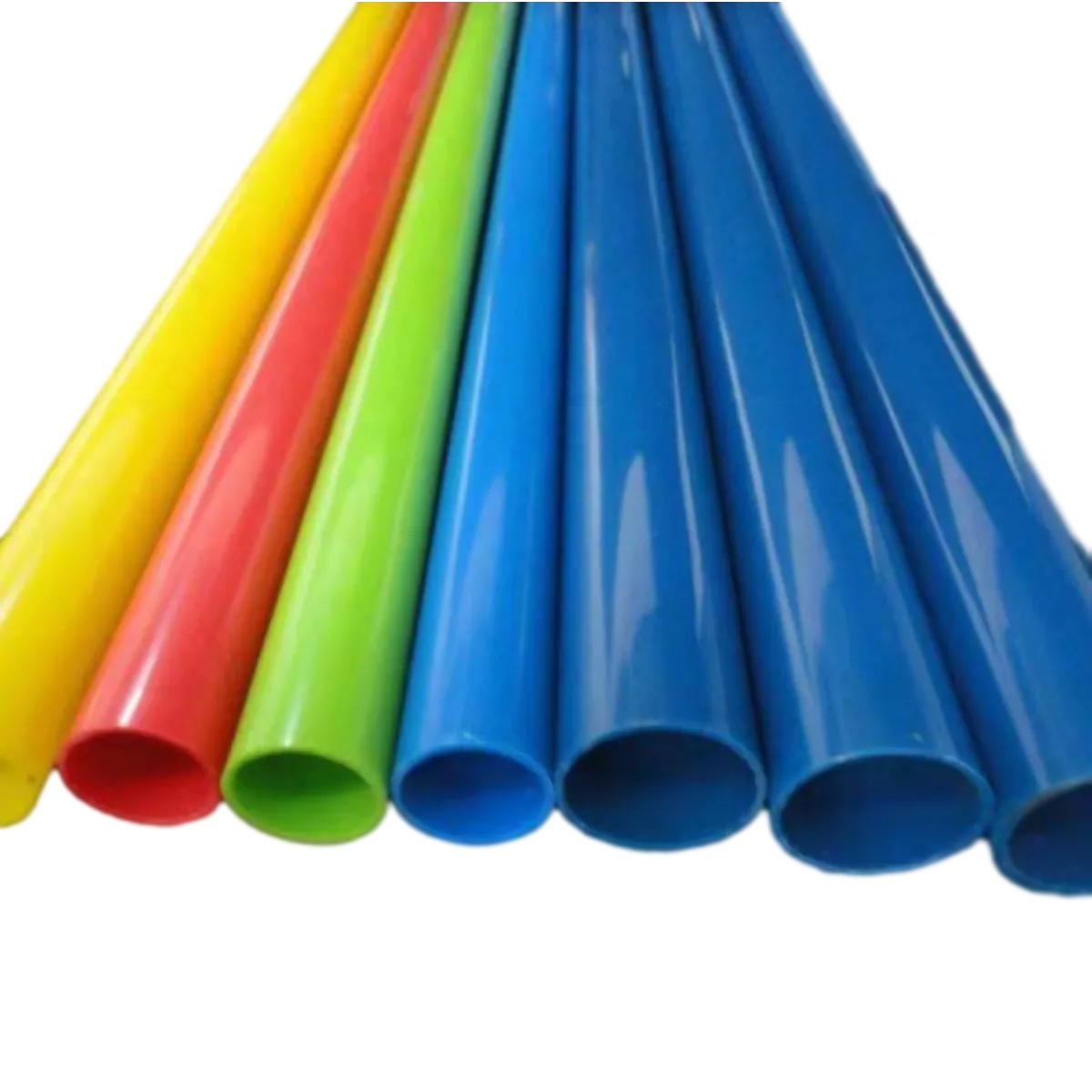
High-Density Polyethylene (HDPE) pipe, specifically the 2.5-inch diameter variant manufactured in China, represents a significant component in modern fluid and solid transport infrastructure. This guide provides an in-depth technical overview of these pipes, examining their material science, manufacturing processes, performance characteristics, potential failure modes, and relevant industry standards. HDPE pipe, due to its corrosion resistance, durability, and cost-effectiveness, has become a prevalent alternative to traditional materials like ductile iron, steel, and PVC in diverse applications including water distribution, gas transmission, sewer systems, irrigation, and industrial piping. Understanding the nuances of HDPE pipe production and performance is crucial for procurement managers, engineers, and installation personnel to ensure system longevity and operational efficiency. The “china 2.5 inch hdpe pipe price” is often competitive globally, impacting infrastructure projects worldwide; however, price should never overshadow technical suitability for the intended application. This document will serve as a comprehensive resource for evaluating and specifying this crucial infrastructure component.
Material Science & Manufacturing
The core material of 2.5-inch HDPE pipe is, as the name suggests, High-Density Polyethylene (HDPE). This thermoplastic is produced from the polymerization of ethylene. Its high density, typically ranging from 0.93 to 0.97 g/cm³, contributes to its superior strength, rigidity, and resistance to chemical degradation compared to lower-density polyethylene variants. Raw material selection is paramount; typically, manufacturers utilize PE100, PE80 or PE63 grades, distinguished by their Minimum Required Strength (MRS) as defined by ISO 11679. Higher MRS values indicate enhanced long-term hydrostatic strength. The manufacturing process predominantly employs extrusion. Polyethylene resin is melted and forced through a die to create a continuous pipe profile. Key parameters during extrusion include melt temperature (typically 180-210°C), die pressure, and cooling rate. Precise control of these parameters is critical to ensure consistent wall thickness, dimensional accuracy, and avoidance of internal stresses. Butt fusion, electrofusion, and socket fusion are common joining techniques. Butt fusion, the most prevalent, involves heating the pipe ends and fusing them under pressure. The quality of the weld is heavily influenced by temperature, pressure duration, and surface cleanliness. Further, the addition of carbon black provides UV protection and enhances resistance to slow crack growth (SCG). The consistency of carbon black dispersion is a key quality control parameter. Pipe diameters are extruded according to standards like ASTM D3350 and EN 12201.
Performance & Engineering
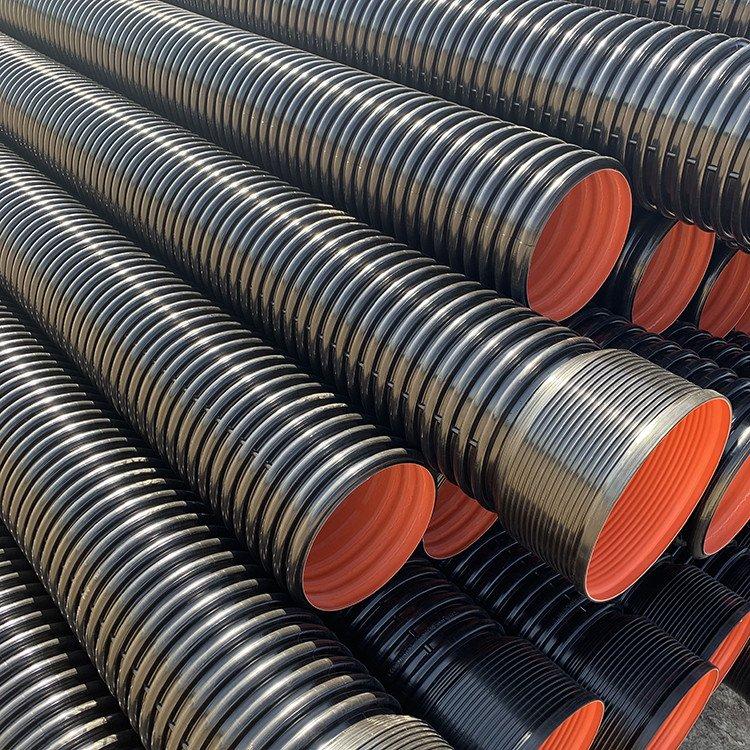
The performance of 2.5-inch HDPE pipe is governed by several engineering principles. Hydrostatic design stress (HDS) is a critical factor, determined by the pipe’s MRS, dimensions (diameter and wall thickness), and design factor. Design factors vary based on application and regulatory requirements, generally ranging from 0.33 to 0.50. External loads, such as soil overburden in buried applications, require careful consideration. HDPE's inherent flexibility allows it to accommodate some degree of ground movement without fracturing, but excessive bending can lead to stress concentrations and premature failure. Force analysis, including hoop stress calculations, is essential for proper pipe selection and installation. Resistance to slow crack growth (SCG) is a significant performance characteristic, particularly in applications involving sustained tensile stress and exposure to aggressive chemicals. SCG is mitigated by using PE100 materials with optimized molecular weight distribution and adequate carbon black dispersion. Environmental resistance encompasses UV exposure, temperature fluctuations, and chemical compatibility. While carbon black provides UV protection, prolonged exposure can still lead to degradation. Chemical compatibility is crucial; HDPE is generally resistant to most acids and bases, but can be affected by strong oxidizing agents and certain solvents. Compliance requirements, particularly in potable water applications, mandate adherence to NSF/ANSI 61 standards to ensure that the pipe does not leach harmful contaminants into the water supply.
Technical Specifications
| Parameter | Unit | PE80 | PE100 |
|---|---|---|---|
| Minimum Required Strength (MRS) | MPa | 8.0 | 10.0 |
| Hydrostatic Design Stress (HDS) (Design Factor 0.33) | MPa | 2.67 | 3.33 |
| Density | g/cm³ | 0.930 - 0.955 | 0.930 - 0.970 |
| Outside Diameter | mm | 63.5 | 63.5 |
| Wall Thickness (Typical) | mm | 2.3 - 4.0 | 2.3 - 4.0 |
| Burst Pressure | MPa | varies with wall thickness | varies with wall thickness |
Failure Mode & Maintenance
Several failure modes can affect 2.5-inch HDPE pipe. Slow Crack Growth (SCG), as previously mentioned, is a prevalent issue, exacerbated by sustained tensile stress, exposure to aggressive chemicals, and imperfections in the material. Fatigue cracking can occur due to cyclical loading, such as from traffic or pressure fluctuations. Delamination, the separation of layers within the pipe wall, can result from improper fusion welding or material defects. Oxidation, particularly at elevated temperatures, can degrade the polymer matrix, reducing its strength and ductility. UV degradation, despite the presence of carbon black, can lead to embrittlement over prolonged exposure. Third-party damage during installation or excavation is a common cause of failure. Maintenance primarily focuses on preventative measures. Regular visual inspections for cracks, deformations, and signs of corrosion are crucial. Properly designed and installed backfill is essential to provide adequate support and prevent external stress. Regular pressure testing can identify leaks and potential weaknesses. For repairs, electrofusion welding is often preferred for its ability to create consistent, high-quality welds. It is critical to follow the manufacturer’s recommendations for welding parameters and procedures. In cases of significant damage, complete pipe replacement may be necessary. Maintaining accurate records of pipe installation, materials used, and any repairs performed is essential for effective long-term asset management.
Industry FAQ
Q: What is the advantage of PE100 over PE80 in terms of long-term performance?
A: PE100 offers a significantly higher Minimum Required Strength (MRS) than PE80, translating to a greater Hydrostatic Design Stress (HDS) for the same pipe dimensions. This allows for thinner walls or higher operating pressures, contributing to cost savings and improved system reliability over the long term. The enhanced resistance to SCG in PE100 also extends the expected service life of the pipeline.
Q: How does soil corrosivity affect HDPE pipe performance?
A: HDPE is inherently corrosion-resistant, unlike metallic pipes. However, highly corrosive soils can accelerate degradation of surrounding materials and potentially lead to stress corrosion cracking if the pipe is subjected to sustained tensile stress. Proper bedding and backfill materials are crucial to isolate the pipe from corrosive environments.
Q: What are the key considerations when butt fusing HDPE pipe?
A: Key considerations include proper surface preparation (cleaning and removal of contaminants), accurate alignment of pipe ends, precise temperature control of the heating plate and pipe surfaces, consistent fusion pressure and duration, and thorough visual inspection of the weld bead. Following the manufacturer’s specifications and utilizing qualified welding personnel are paramount.
Q: How does temperature affect the performance of HDPE pipe?
A: Elevated temperatures can reduce the strength and stiffness of HDPE, increasing the risk of creep and failure. Conversely, low temperatures can make the pipe more brittle. Design calculations should account for the anticipated operating temperature range. The pipe’s ability to withstand thermal expansion and contraction should also be considered.
Q: What is the expected service life of a properly installed 2.5-inch HDPE pipe?
A: With proper material selection (typically PE100), installation, and maintenance, a 2.5-inch HDPE pipe can have an expected service life of 50-100 years, or even longer in less demanding applications. The actual service life will depend on factors such as operating pressure, temperature, soil conditions, and exposure to aggressive chemicals.
Conclusion
The 2.5-inch HDPE pipe manufactured in China represents a robust and cost-effective solution for a wide range of fluid and solid transport applications. Its inherent corrosion resistance, durability, and flexibility, combined with advancements in material science and manufacturing techniques, make it a compelling alternative to traditional piping materials. However, successful implementation requires a thorough understanding of its material properties, performance characteristics, and potential failure modes.
Proper design, installation, and maintenance are critical to maximizing the service life and ensuring the long-term reliability of HDPE pipe systems. Adherence to relevant industry standards (ASTM, ISO, EN) and best practices is paramount. As infrastructure projects increasingly demand sustainable and long-lasting solutions, the role of HDPE pipe, and specifically “china 2.5 inch hdpe pipe price” offerings, will continue to grow.
-
DN25 HDPE Compression Fitting-HORON INTERNATIONAL|Reliable Irrigation Solutions
NewsFeb.11,2026
-
china hdpe coupling price Performance Analysis
News2026-06-01
-
china dual wall perforated corrugated pipe Performance Analysis
News2026-06-01
-
china ppr pipe 63mm Performance Analysis
News2026-06-01
-
china 63mm hdpe pipe price Performance Analysis
News2026-06-01
-
china ppr water pipe Performance Analysis
News2026-06-01
-
china 2.5 inch hdpe pipe price Performance Analysis
News2026-05-31
-
china 20mm pvc pipe Performance Analysis
News2026-05-31
-
china hdpe pipe company Performance Analysis
News2026-05-31
-
china water pipe for kitchen sink Material Performance
News2026-05-31
-
china 12 inch diameter pvc pipe for sale Performance Analysis
News2026-05-31
-
china 2 inch upvc column pipe price Performance Analysis
News2026-05-30
-
china hdpe to pvc coupling Performance Analysis
News2026-05-30
-
china 2 hdpe to pvc coupling Performance Analysis
News2026-05-30
-
china 48 inch hdpe pipe cost Performance Analysis
News2026-05-30
-
china upvc column pipe price Performance Analysis
News2026-05-30