

Feb . 11, 2026 00:01 Back to list
china 48 inch hdpe pipe cost Performance Analysis
Introduction
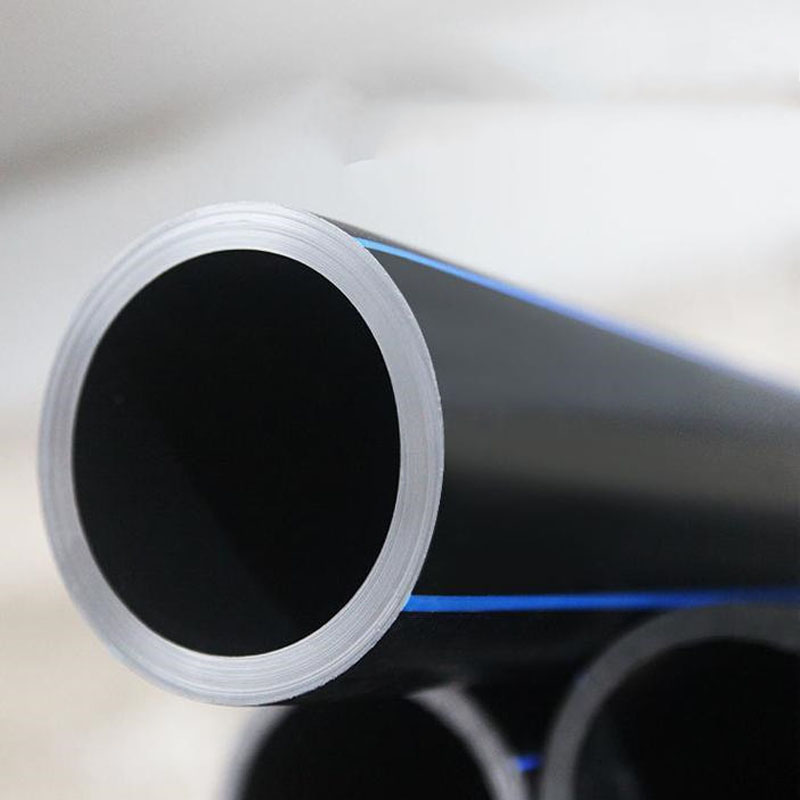
High-Density Polyethylene (HDPE) pipe, specifically 48-inch diameter pipe manufactured in China, represents a significant component in large-scale infrastructure projects encompassing water transmission, gravity sewer systems, industrial effluent conveyance, and slurry transport. Its widespread adoption is driven by a confluence of factors: cost-effectiveness relative to traditional materials like ductile iron or concrete, superior chemical resistance, ease of installation due to its lightweight nature, and a long operational lifespan. This guide provides a comprehensive technical overview of 48-inch HDPE pipe from China, encompassing material science, manufacturing processes, performance characteristics, failure modes, and relevant industry standards. The focus will be on understanding the parameters impacting long-term durability and operational efficiency, addressing key concerns for procurement managers and engineering professionals in B2B industrial applications. Core performance metrics include hydrostatic pressure rating (PN), pipe stiffness (PSI), and resistance to slow crack growth (SCG).
Material Science & Manufacturing
The foundation of 48-inch HDPE pipe lies in the properties of High-Density Polyethylene resin. Typically, resins conforming to PE100 or PE80 standards are utilized, distinguished by their minimum required long-term hydrostatic strength (MRS). PE100 offers superior long-term performance, providing a higher degree of confidence in applications requiring extended service life. Raw material characteristics, including molecular weight distribution (MWD) and density (typically 0.950 – 0.965 g/cm³), directly influence the pipe’s mechanical properties. Manufacturing predominantly employs the extrusion process. Large-diameter pipe necessitates sophisticated extrusion lines capable of maintaining consistent wall thickness and dimensional tolerances. Key parameters during extrusion include melt temperature (typically 180-210°C), die design, haul-off speed, and cooling rates. Butt fusion is the predominant joining method for 48-inch HDPE pipe, demanding precise temperature control (typically 210-230°C for the fusion face) and sufficient clamping pressure to ensure a homogenous weld. Quality control involves rigorous testing of the resin’s MRS, as well as dimensional checks, hydrostatic testing to verify pressure integrity (typically 2.5 times the design operating pressure for a specified duration), and visual inspection of butt fusion welds. The presence of carbon black is common, providing UV resistance and improving the pipe's resistance to stress cracking.
Performance & Engineering
The performance of 48-inch HDPE pipe is critically dependent on its ability to withstand internal pressure, external loads (soil loading, traffic load), and environmental stresses. Force analysis must consider the hoop stress generated by internal pressure, calculated using Barlow’s formula: σ = (P D) / (2 t), where σ is hoop stress, P is internal pressure, D is pipe diameter, and t is wall thickness. Pipe stiffness (PS), measured in PSI, indicates the pipe’s resistance to deflection under external loads. PS is influenced by the pipe’s dimensions and the material’s modulus of elasticity. Environmental resistance is a crucial consideration, particularly regarding slow crack growth (SCG). SCG is a time-dependent failure mechanism induced by sustained stress and the presence of aggressive chemicals. HDPE’s resistance to SCG is assessed through full-scale testing and adherence to standards like ISO 13477. Compliance requirements vary based on the application. For potable water applications, the pipe must comply with NSF/ANSI 61 standards regarding contaminant leaching. Buried pipe installations require consideration of soil conditions, including corrosivity and load-bearing capacity, dictating the minimum cover depth and potential need for bedding materials. Thermal expansion and contraction must also be accounted for in the design, employing expansion loops or flexible joints to mitigate stress on the pipe and joints.
Technical Specifications
| Parameter | Unit | PE100 (Typical) | PE80 (Typical) |
|---|---|---|---|
| Nominal Diameter | inch | 48 | 48 |
| Pressure Rating (PN) | bar | 16 | 12.5 |
| Minimum Required Strength (MRS) | MPa | 10 | 8 |
| Pipe Stiffness (PS) | PSI | 2250 | 1800 |
| Wall Thickness | mm | 12.7 | 14.9 |
| Density | g/cm³ | 0.955 | 0.950 |
Failure Mode & Maintenance
Common failure modes in 48-inch HDPE pipe include slow crack growth (SCG), fatigue cracking due to cyclic pressure fluctuations, and joint failure at butt fusion welds. SCG is exacerbated by sustained tensile stress, exposure to aggressive chemicals (e.g., certain solvents, high concentrations of chlorine), and pre-existing defects in the material. Fatigue cracking can occur in applications with frequent pressure surges, such as pump stations. Joint failure can result from improper fusion parameters (insufficient temperature, pressure, or heating time), contamination of the fusion surface, or inadequate weld inspection. Oxidation, although less common in buried applications, can occur in exposed sections, leading to embrittlement and cracking. Maintenance strategies involve regular visual inspections of exposed pipe sections, leak detection surveys, and periodic hydrostatic testing to assess pressure integrity. Non-destructive testing (NDT) methods, such as ultrasonic testing, can be employed to evaluate the quality of butt fusion welds. For SCG prevention, proper material selection (PE100), stress management during installation (adequate bedding and cover), and avoidance of aggressive chemicals are paramount. In the event of a leak, repair options include mechanical couplings or cut-and-replace with a new section of pipe, utilizing butt fusion for a permanent repair.
Industry FAQ
Q: What is the expected service life of a properly installed 48-inch HDPE pipe in a potable water application?
A: A properly installed and maintained 48-inch HDPE pipe, utilizing PE100 material, can realistically achieve a service life exceeding 50 years in a potable water application. This assumes adherence to recommended installation practices, avoidance of excessive operating pressures, and protection from UV exposure. The long-term performance is predicated on the material’s inherent resistance to corrosion and degradation, as well as its ability to withstand sustained hydrostatic pressure.
Q: How does the quality of butt fusion welds impact the overall performance of the pipeline?
A: Butt fusion welds are the critical point of connection in an HDPE pipeline. Poorly executed welds significantly compromise the pipeline’s structural integrity. Inadequate fusion parameters can result in insufficient weld strength, leading to joint failure under pressure or tensile stress. Proper weld inspection, utilizing visual inspection and NDT methods, is essential to identify and reject substandard welds. Operator training and certification are paramount for consistent weld quality.
Q: What measures can be taken to mitigate the risk of slow crack growth (SCG)?
A: Mitigating SCG involves a multi-faceted approach. Firstly, utilizing PE100 material provides superior resistance compared to PE80. Secondly, stress management during installation is crucial – ensuring adequate bedding and cover to minimize external loads and bending stresses. Thirdly, avoiding exposure to aggressive chemicals, particularly those known to promote SCG, is essential. Finally, proper pipe handling and storage practices prevent surface damage that can act as stress concentrators.
Q: What are the advantages of using 48-inch HDPE pipe compared to ductile iron pipe for gravity sewer applications?
A: HDPE offers several advantages. It's significantly lighter than ductile iron, reducing installation costs and logistical challenges. It’s corrosion-resistant, eliminating the need for costly corrosion protection systems. Its smooth interior surface reduces friction loss, improving flow capacity. HDPE is also more flexible, accommodating ground movement and seismic activity with less risk of cracking. While initial material cost may be comparable, the overall lifecycle cost of HDPE is often lower due to reduced maintenance and replacement frequency.
Q: What specific standards govern the hydrostatic testing of 48-inch HDPE pipe?
A: Hydrostatic testing is typically governed by standards such as ISO 11679, ASTM F2164, and EN 12668. These standards specify the test pressure (typically 2.5 times the design operating pressure), the duration of the test (typically several hours), and the acceptance criteria (no visible deformation or leakage). The testing procedure ensures that the pipe can withstand the anticipated operating pressures and stresses.
Conclusion
The 48-inch HDPE pipe manufactured in China represents a robust and cost-effective solution for large-diameter pipeline applications. Its inherent material properties, coupled with established manufacturing and joining techniques, deliver a long-lasting, corrosion-resistant system suitable for a diverse range of industrial and municipal projects. Understanding the nuances of material science, performance characteristics, and potential failure modes is crucial for successful implementation and long-term operational reliability.
Moving forward, advancements in HDPE resin technology will likely lead to even higher-performance materials with enhanced resistance to SCG and improved mechanical properties. Continued refinement of non-destructive testing methodologies will further enhance quality control and ensure the integrity of welded joints. Adoption of digital monitoring systems, incorporating sensors to measure pressure, strain, and environmental conditions, will enable proactive maintenance and optimize pipeline performance throughout its service life.
-
DN25 HDPE Compression Fitting-HORON INTERNATIONAL|Reliable Irrigation Solutions
NewsFeb.11,2026
-
china 2 inch upvc column pipe price Performance Analysis
News2026-05-30
-
china hdpe to pvc coupling Performance Analysis
News2026-05-30
-
china 2 hdpe to pvc coupling Performance Analysis
News2026-05-30
-
china 48 inch hdpe pipe cost Performance Analysis
News2026-05-30
-
china upvc column pipe price Performance Analysis
News2026-05-30
-
china hdpe pipe to pvc pipe connection Performance Engineering
News2026-05-29
-
china 12 inch pvc pipe Performance Analysis
News2026-05-29
-
china pvc to hdpe pipe connection Performance Analysis
News2026-05-29
-
china types of pipes pvc Performance Analysis
News2026-05-29
-
china 2 hdpe coupling Material Science
News2026-05-29
-
china 48 hdpe pipe for sale Performance Analysis
News2026-05-28
-
china perforated land drainage pipe Performance Analysis
News2026-05-28
-
china clear pvc hose Performance Analysis
News2026-05-28
-
china kitchen sink hot cold water lines Performance Analysis
News2026-05-28
-
china 110 mm pvc pipe Performance Analysis
News2026-05-28