

Feb . 11, 2026 00:01 Back to list
china hdpe pipe to pvc pipe connection Performance Engineering
Introduction
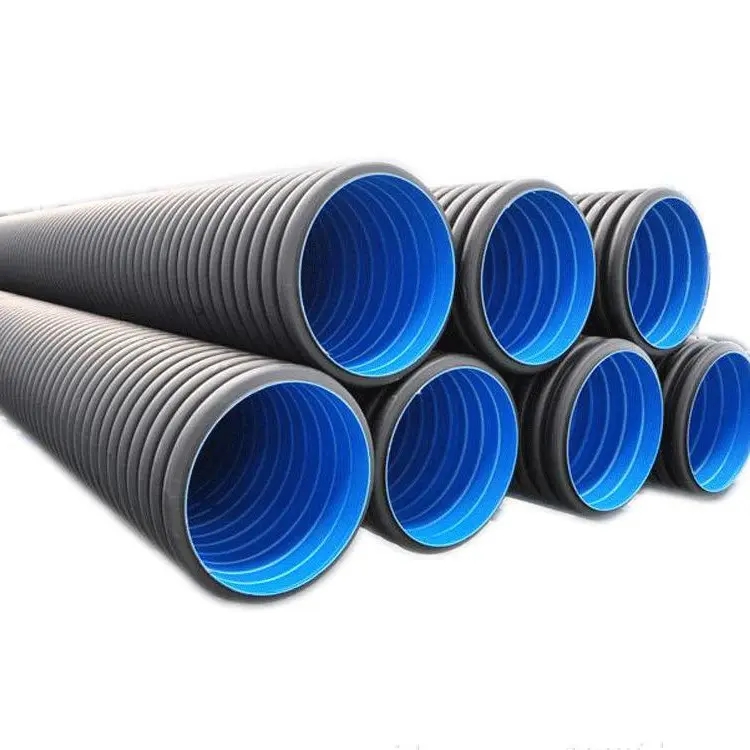
The connection of High-Density Polyethylene (HDPE) pipe to Polyvinyl Chloride (PVC) pipe represents a common challenge in water distribution, irrigation, and drainage systems. This technical guide details the methods, materials, and engineering considerations necessary for creating robust and reliable joints between these dissimilar plastic piping materials. While both HDPE and PVC are thermoplastics, their differing coefficients of thermal expansion, chemical compatibility, and joining techniques necessitate careful planning and execution. This guide will examine the prevalent connection methodologies, analyzing their strengths, weaknesses, and adherence to industry standards. The increasing demand for adaptable piping solutions in infrastructural projects necessitates a thorough understanding of HDPE to PVC transitions, particularly given the varied performance requirements across different application sectors. Ensuring long-term integrity of these connections is crucial to minimize leakage, maintenance, and potential system failures.
Material Science & Manufacturing
HDPE and PVC exhibit distinct material properties influencing connection strategies. HDPE, a polyethylene thermoplastic, possesses high ductility, flexibility, and excellent chemical resistance, particularly to acids and alkalis. Its manufacturing typically involves Ziegler-Natta or metallocene catalysis polymerization, yielding a semi-crystalline structure. The density (typically 0.941-0.965 g/cm³) and molecular weight distribution significantly impact its mechanical properties. PVC, conversely, is a vinyl polymer exhibiting rigidity and dimensional stability. It’s commonly produced via suspension or emulsion polymerization, and often incorporates plasticizers to enhance flexibility, influencing its long-term performance. PVC’s chemical structure includes chlorine, making it less resistant to certain solvents and susceptible to degradation under UV exposure.
Manufacturing of connectors crucial for HDPE to PVC transitions typically utilizes injection molding. Materials like Polypropylene (PP) or Acrylonitrile Butadiene Styrene (ABS) are preferred for the connector body due to their compatibility with both HDPE and PVC and their inherent strength. The manufacturing process requires precise temperature and pressure control to ensure dimensional accuracy and prevent warping. Sealing elements, often utilizing EPDM rubber or similar elastomeric materials, are also injection molded and integrated into the connector design. The quality control process includes dimensional inspections, pressure testing, and material composition analysis to guarantee adherence to relevant specifications and prevent premature failure. Welding processes for HDPE pipes, such as butt fusion or electrofusion, are distinctly different from solvent welding used for PVC, requiring specialized equipment and operator training. This fundamental difference necessitates the use of mechanical transition connectors.
Performance & Engineering
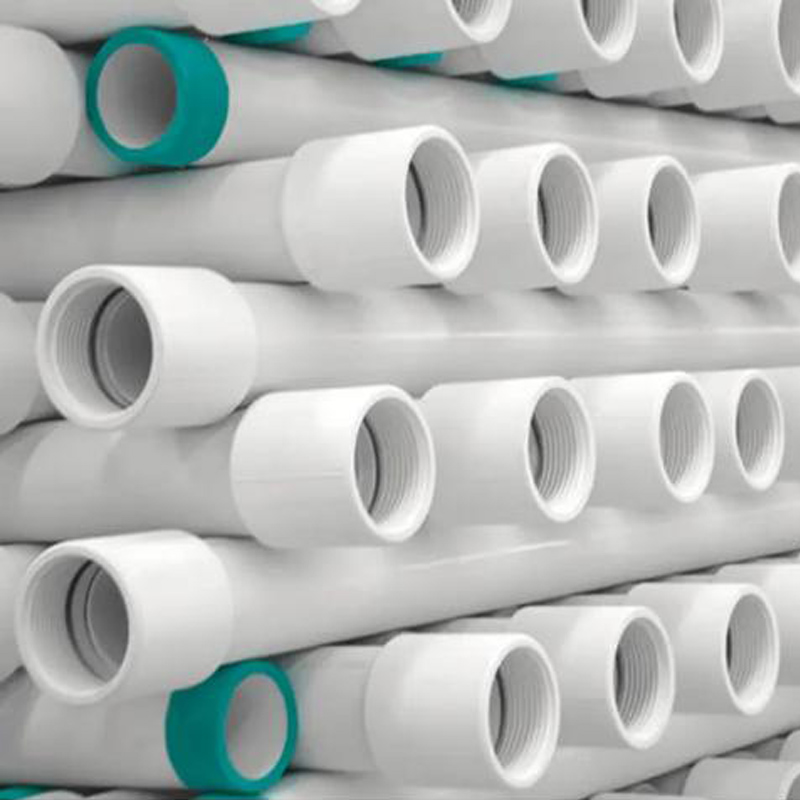
The primary engineering challenge in connecting HDPE to PVC lies in accommodating the differential thermal expansion and contraction rates. HDPE has a significantly higher coefficient of thermal expansion (approximately 0.000065/°C) than PVC (approximately 0.000055/°C). This difference can induce stress at the joint, potentially leading to leakage or failure, especially in applications with fluctuating temperatures. Connector designs must incorporate features to allow for this relative movement without compromising the seal.
Force analysis reveals that tensile stress concentration occurs at the interface between the pipe and the connector. Proper connector selection and installation – including appropriate insertion depth and securing mechanisms – are vital to distribute these stresses evenly. Environmental resistance is also paramount. UV exposure can degrade PVC over time, reducing its impact strength and accelerating cracking. Buried HDPE pipes are generally unaffected by UV radiation, but exposure to aggressive soil chemistries must be considered. Compliance requirements vary by region, but generally involve adherence to pressure testing standards (e.g., hydrostatic testing), material certifications, and local plumbing codes. Proper selection of a connector with the correct pressure rating is essential, accounting for both static and dynamic pressures within the system. Furthermore, galvanic corrosion, though less common with plastics, can occur if metallic components are incorporated into the connection system.
Technical Specifications
| Parameter | HDPE Pipe | PVC Pipe | Transition Connector (Typical) |
|---|---|---|---|
| Material | High-Density Polyethylene (PE) | Polyvinyl Chloride (PVC) | Polypropylene (PP) / ABS |
| Density (g/cm³) | 0.941 - 0.965 | 1.40 - 1.45 | 0.90 – 1.05 |
| Coefficient of Linear Thermal Expansion (°C⁻¹) | 0.000065 | 0.000055 | 0.00006 - 0.00010 |
| Tensile Strength (MPa) | 20 - 40 | 50 - 70 | 25 - 50 |
| Operating Temperature (°C) | -40 to 60 | 0 to 60 | -20 to 80 |
| Pressure Rating (Bar) | PN6 – PN32 (depending on SDR) | PN6 – PN16 (depending on Schedule) | PN6 – PN25 (depending on design) |
Failure Mode & Maintenance
Common failure modes in HDPE to PVC connections include joint leakage due to improper installation, seal degradation, and stress cracking resulting from differential thermal expansion. Fatigue cracking can occur in the connector body under cyclical pressure loads, particularly if the connector material is substandard or subjected to excessive stress. Delamination of the sealing element is another frequent failure, often linked to incompatible fluids or improper sealing compression. Degradation of PVC due to UV exposure, particularly at the joint interface, can lead to embrittlement and cracking. Oxidation of the HDPE pipe material, though less common, can occur under specific soil conditions.
Preventive maintenance involves regular visual inspections for signs of leakage, cracking, or discoloration. Periodic pressure testing can identify hidden leaks. For mechanical connectors, checking the tightness of securing mechanisms and replacing the sealing element at recommended intervals (typically 5-10 years) are crucial. If cracking is observed, the connector and adjacent pipe sections should be replaced. In cases of UV-induced PVC degradation, protective coatings or shielding can be applied. Proper backfilling procedures around the joint are also essential to provide support and prevent ground movement from inducing stress. Documentation of installation procedures and maintenance records is vital for tracking performance and identifying potential issues before they escalate. The use of compatible lubricants during installation can assist in seal installation and prevent early failure.
Industry FAQ
Q: What are the key considerations when selecting a connector for connecting HDPE to PVC in a buried potable water system?
A: The primary considerations are material compatibility (ensuring the connector material is approved for potable water contact, typically NSF/ANSI 61 certified), pressure rating (matching or exceeding the maximum operating pressure of the system), soil conditions (selecting a connector resistant to the specific soil chemistry), and thermal expansion/contraction compensation. Look for connectors designed with flexible seals and robust locking mechanisms.
Q: How does the diameter difference between the HDPE and PVC pipes affect the connection process?
A: Significant diameter differences necessitate the use of reducing bushings or specialized transition fittings. These fittings introduce an additional potential failure point, requiring careful selection and installation. Ensure the reducing bushing is constructed from a compatible material and properly secured to both pipe sections. Avoid abrupt transitions, as these can create turbulence and increase pressure drop.
Q: What are the implications of using a solvent weld cement on PVC pipe adjacent to an HDPE connection?
A: Solvent weld cement contains volatile organic compounds (VOCs) that can potentially degrade the HDPE material upon prolonged exposure. Maintain a sufficient distance between the solvent weld area and the HDPE pipe or connector. Ensure adequate ventilation during the cement application process. Consider using alternative joining methods for PVC, such as mechanical couplings, near the HDPE connection.
Q: Is it acceptable to directly bury an HDPE to PVC connection without any additional support?
A: No. Direct burial without adequate support can lead to stress on the joint due to soil settlement or movement. Proper bedding and backfilling procedures are essential. Use compacted granular material around the joint to provide uniform support. Consider using concrete thrust blocks to resist axial forces, especially in areas prone to ground shifting.
Q: What is the role of proper pipe preparation in ensuring a leak-free connection?
A: Thorough pipe preparation is crucial. Both HDPE and PVC pipes must be cut squarely and deburred to remove any sharp edges or imperfections that could damage the sealing element. Ensure the pipe surfaces are clean and free from contaminants such as dirt, grease, or debris. Verify that the pipe insertion depth meets the manufacturer’s specifications. Improper preparation will invariably lead to leakage.
Conclusion
Successfully connecting HDPE and PVC pipes requires a comprehensive understanding of their differing material properties, thermal behavior, and installation requirements. The selection of appropriate transition connectors, coupled with meticulous installation practices, is paramount to ensuring long-term system integrity. Ignoring the challenges posed by differential thermal expansion or material incompatibility will inevitably lead to premature failure and costly repairs. Careful consideration of the application environment, adherence to relevant industry standards, and diligent maintenance procedures are essential for maximizing the lifespan and reliability of these critical infrastructure components.
The future of HDPE to PVC connection technologies will likely focus on the development of more sophisticated connector designs that actively compensate for thermal expansion and contraction, potentially incorporating flexible materials or modular components. Advancements in sealing technology will also play a key role in improving joint reliability and reducing leakage rates. Furthermore, the increasing emphasis on sustainability will drive the development of eco-friendly connector materials and manufacturing processes. Continued research and development in this area will be vital to meet the evolving demands of modern infrastructure projects.
-
DN25 HDPE Compression Fitting-HORON INTERNATIONAL|Reliable Irrigation Solutions
NewsFeb.11,2026
-
china hdpe pipe to pvc pipe connection Performance Engineering
News2026-05-29
-
china 12 inch pvc pipe Performance Analysis
News2026-05-29
-
china pvc to hdpe pipe connection Performance Analysis
News2026-05-29
-
china types of pipes pvc Performance Analysis
News2026-05-29
-
china 2 hdpe coupling Material Science
News2026-05-29
-
china 48 hdpe pipe for sale Performance Analysis
News2026-05-28
-
china perforated land drainage pipe Performance Analysis
News2026-05-28
-
china clear pvc hose Performance Analysis
News2026-05-28
-
china kitchen sink hot cold water lines Performance Analysis
News2026-05-28
-
china 110 mm pvc pipe Performance Analysis
News2026-05-28
-
china upvc column pipes for submersible pumps price list Performance Analysis
News2026-05-27
-
china ppr pipe for water supply Performance Analysis
News2026-05-27
-
china 20mm ppr pipe price Performance Analysis
News2026-05-27
-
china hdpe pipe 24 inch Performance Analysis
News2026-05-27
-
china hdpe to steel coupling Performance Analysis
News2026-05-27