

Feb . 11, 2026 00:01 Back to list
china hdpe pipe 24 inch Performance Analysis
Introduction
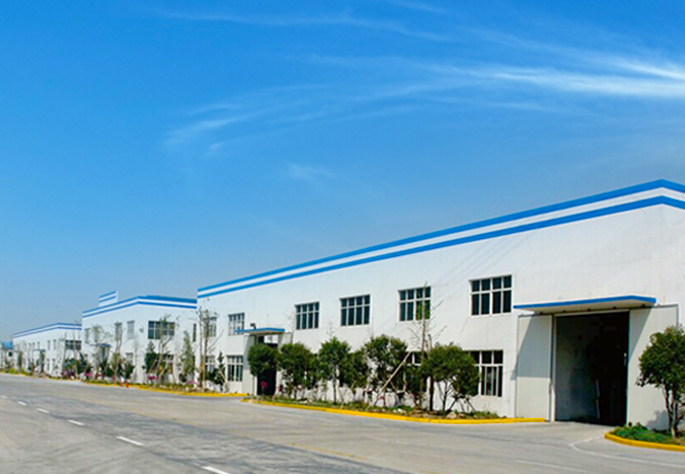
High-Density Polyethylene (HDPE) pipe, specifically the 24-inch diameter variant manufactured in China, represents a critical component in large-scale fluid and gas transmission infrastructure. This pipe is utilized extensively in water distribution, wastewater management, gas pipelines, mining operations, and industrial applications. Its position within the industry chain is characterized by its role as a direct replacement for traditional materials like ductile iron, steel, and concrete, offering advantages in cost, weight, and corrosion resistance. Core performance characteristics center around its pressure bearing capacity, long-term durability, and resistance to chemical degradation. The increasing demand for reliable, sustainable, and cost-effective piping solutions drives the prevalence of Chinese-manufactured HDPE pipe in both domestic and international markets. A key differentiator is the evolving adherence to international standards and the capacity for large-scale production at competitive pricing. This guide will provide a detailed examination of the material science, manufacturing processes, performance characteristics, failure modes, and maintenance protocols related to 24-inch Chinese HDPE pipe.
Material Science & Manufacturing
The foundation of 24-inch HDPE pipe lies in the properties of high-density polyethylene, a thermoplastic polymer produced from the polymerization of ethylene. HDPE exhibits high tensile strength, impact resistance, and a relatively low coefficient of friction. The density of HDPE typically ranges from 0.941 to 0.965 g/cm³, directly correlating to its crystallinity and resulting mechanical properties. Raw material selection is critical, with resin grades conforming to ISO 4455 or ASTM D3350 standards being prevalent. Carbon black is frequently incorporated as a UV stabilizer and to enhance pipe rigidity.
Manufacturing primarily employs extrusion processes. Raw HDPE pellets are fed into a large extruder, where they are heated and melted. The molten polymer is then forced through a circular die, establishing the pipe's diameter. Key parameters in the extrusion process include melt temperature (typically 180-210°C), screw speed, and die geometry. Precise control of these parameters is essential to ensure uniform wall thickness and dimensional accuracy. Subsequent cooling is achieved through water baths, followed by coiling or cutting to specified lengths. For 24-inch pipe, rotational sizing is often employed to maintain precise diameter control. Fusion welding, specifically butt fusion, is the standard joining method for large diameter HDPE, requiring skilled operators and controlled heating/cooling cycles to create leak-proof, structurally sound joints. Quality control involves rigorous testing of material properties, dimensional accuracy, and weld integrity according to ISO 3156 and ASTM F2620 standards. The production of large-diameter pipes requires specialized equipment and expertise to manage the substantial forces and thermal considerations involved.
Performance & Engineering
The performance of 24-inch HDPE pipe is dictated by its ability to withstand internal and external pressures, resist environmental stress cracking, and maintain long-term structural integrity. Force analysis centers on hoop stress calculations based on Barlow's formula (S = PD/2t, where S is hoop stress, P is internal pressure, D is diameter, and t is wall thickness). The pipe’s pressure rating, typically specified in PSI or bar, is determined by its minimum burst pressure, with a substantial safety factor applied.
Environmental resistance is a significant performance aspect. HDPE exhibits excellent resistance to most chemicals, but long-term exposure to strong oxidants or hydrocarbons can lead to degradation. UV exposure necessitates the inclusion of carbon black or other UV stabilizers in the material formulation. The pipe's flexibility allows for some degree of ground movement without inducing stress, advantageous in seismic zones or areas with unstable soil conditions. Compliance requirements are stringent, particularly for potable water applications. The pipe must meet NSF/ANSI 61 standards for leaching of contaminants and ensure the water remains safe for consumption. For gas pipelines, compliance with DOT regulations (in the US) or equivalent standards in other regions is mandatory, focusing on material traceability, weld quality, and hydrostatic testing. Proper backfilling and bedding procedures are critical to distribute loads evenly and prevent stress concentrations on the pipe.
Technical Specifications
| Parameter | Unit | Specification (Typical) | Test Standard |
|---|---|---|---|
| Outside Diameter | mm | 610 | ISO 4455 |
| Wall Thickness | mm | Varies (e.g., 9.5, 12.7, 15.7) | ASTM D3350 |
| Pressure Rating (PN) | bar | PN10, PN16, PN20 | ISO 4455 |
| Density | g/cm³ | 0.955 - 0.965 | ISO 1183 |
| Impact Resistance (Charpy) | kJ/m² | ≥ 8 | ISO 148-M |
| Stress Cracking Resistance (ESCR) | Hours | ≥ 1000 (F50) | ASTM D1694 |
Failure Mode & Maintenance
Failure modes in 24-inch HDPE pipe can be categorized as slow crack growth, brittle fracture, and joint failures. Slow crack growth (SCG) is often initiated by stress concentrations around imperfections or weld defects, exacerbated by sustained pressure and environmental factors. Brittle fracture can occur at low temperatures, particularly in areas with high stress concentrations. Joint failures typically result from inadequate fusion welding, improper joint preparation, or damage during handling and installation.
Specific failure analysis reveals that UV degradation, although mitigated by carbon black, can still lead to surface cracking over extended periods. Oxidation can also occur, particularly in the presence of elevated temperatures and oxygen. Soil-related factors, such as differential settlement or corrosive soil conditions, can induce stress on the pipe and lead to failure. Maintenance strategies involve regular visual inspections for cracks, leaks, or deformations. Hydrostatic testing can be employed to assess the integrity of the pipeline. For joint repairs, re-fusion welding is the preferred method. Preventive measures include proper installation practices, adequate backfilling and bedding, and corrosion protection measures (e.g., cathodic protection in corrosive environments). Regular monitoring of pipeline pressure and flow rates can also help identify potential problems early on. A comprehensive record-keeping system documenting installation details, inspection results, and repair history is essential for proactive pipeline management.
Industry FAQ
Q: What is the expected service life of a 24-inch HDPE pipe installed for potable water distribution?
A: Under typical operating conditions (moderate pressure, stable soil, proper installation), a 24-inch HDPE pipe can have a service life exceeding 50 years. The actual lifespan depends heavily on water quality, soil corrosivity, and adherence to proper installation and maintenance practices. Regular inspections and proactive leak detection programs are essential for maximizing service life.
Q: How does the wall thickness of the pipe affect its pressure rating?
A: The pressure rating is directly inversely proportional to the wall thickness. Increasing the wall thickness significantly increases the pipe's ability to withstand internal pressure. The relationship is defined by Barlow's formula (S = PD/2t). Therefore, a thicker wall provides a higher safety factor and allows for operation at higher pressures.
Q: What quality control measures are typically employed during the manufacturing process of these pipes?
A: Quality control measures include raw material inspection to verify compliance with ISO 4455/ASTM D3350, continuous monitoring of melt temperature and extrusion parameters, dimensional checks to ensure accurate diameter and wall thickness, hydrostatic testing to confirm pressure rating, and impact resistance testing. Weld quality control is also crucial, involving visual inspection and non-destructive testing methods like ultrasonic testing.
Q: What are the primary causes of failures in butt-fused joints?
A: Common causes of butt-fusion joint failures include improper fusion parameters (temperature, pressure, time), inadequate surface preparation (contamination, oxidation), misalignment of the pipe ends during fusion, and defects in the welding equipment. Proper operator training and adherence to established welding procedures are critical for ensuring joint integrity.
Q: How does the performance of HDPE pipe compare to ductile iron pipe in terms of corrosion resistance?
A: HDPE exhibits significantly superior corrosion resistance compared to ductile iron. Ductile iron is susceptible to rust and corrosion, especially in aggressive soil environments, requiring protective coatings and cathodic protection. HDPE is virtually immune to corrosion, eliminating the need for these additional measures and reducing long-term maintenance costs. This makes HDPE a particularly attractive option in corrosive environments or where water quality is a concern.
Conclusion
The 24-inch Chinese HDPE pipe represents a robust and cost-effective solution for large-diameter fluid and gas transmission applications. Its inherent material properties – high density, chemical resistance, and flexibility – coupled with advanced manufacturing techniques and adherence to international standards, position it as a viable alternative to traditional piping materials. Careful consideration of engineering parameters, including pressure rating, environmental conditions, and installation procedures, is paramount to ensuring long-term performance and reliability.
Looking forward, continued advancements in HDPE resin formulations, welding technologies, and non-destructive testing methods will further enhance the performance and durability of these pipes. Increased emphasis on sustainable practices and lifecycle cost analysis will likely drive greater adoption of HDPE as a preferred material for infrastructure projects. Ultimately, a thorough understanding of the material science, manufacturing processes, and potential failure modes is crucial for optimizing the lifespan and minimizing the total cost of ownership for 24-inch HDPE pipeline systems.
-
DN25 HDPE Compression Fitting-HORON INTERNATIONAL|Reliable Irrigation Solutions
NewsFeb.11,2026
-
china upvc column pipes for submersible pumps price list Performance Analysis
News2026-05-27
-
china ppr pipe for water supply Performance Analysis
News2026-05-27
-
china 20mm ppr pipe price Performance Analysis
News2026-05-27
-
china hdpe pipe 24 inch Performance Analysis
News2026-05-27
-
china hdpe to steel coupling Performance Analysis
News2026-05-27
-
china water lines under kitchen sink Performance Analysis
News2026-05-26
-
china hdpe conduit coupling Performance Analysis
News2026-05-26
-
china pvc irrigation pipe Performance Analysis
News2026-05-26
-
china all types of pvc pipes Performance Analysis
News2026-05-26
-
china hdpe reducing coupler Performance Analysis
News2026-05-26
-
china type of ppr pipe Manufacturing Analysis
News2026-05-25
-
china plumbing ppr pipe Performance Analysis
News2026-05-25
-
china 20mm ppr pipe Material Science
News2026-05-25
-
china pvc sprinkler pipe Performance and Engineering
News2026-05-25
-
china dn500 hdpe double wall corrugated pipe for sewage drain Performance Analysis
News2026-05-25