

Feb . 11, 2026 00:01 Back to list
china pvc sprinkler pipe Performance and Engineering
Introduction
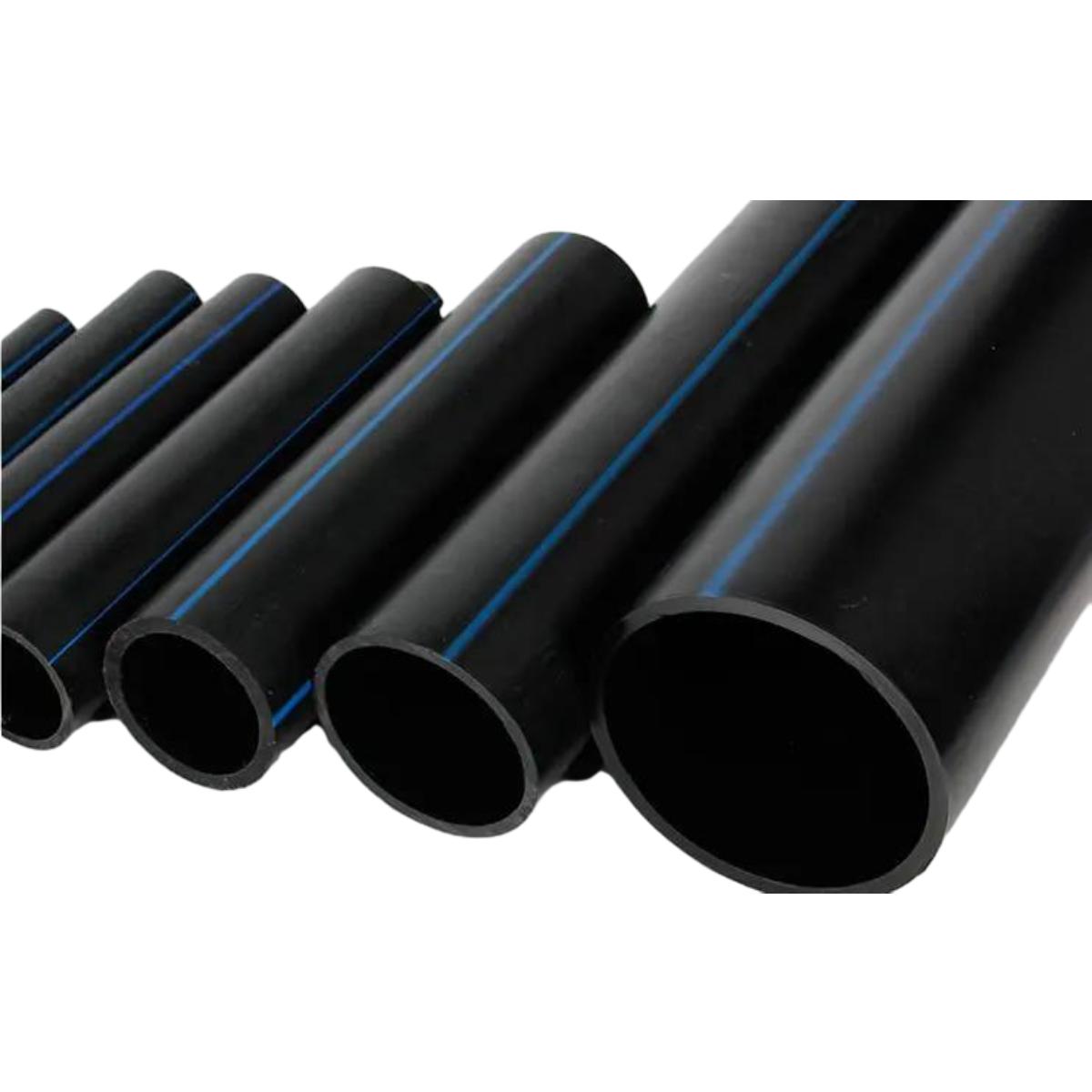
China PVC sprinkler pipe refers to a rigid or flexible piping system constructed from Polyvinyl Chloride (PVC) specifically engineered for automatic fire suppression systems. These pipes are integral components in both wet-pipe and dry-pipe sprinkler systems, distributing water to sprinkler heads in the event of a fire. Positioned within the broader fire protection industry chain, PVC sprinkler pipe represents a cost-effective alternative to metallic piping, particularly in light hazard occupancies. Core performance characteristics center around pressure containment, flow rate capacity, resistance to corrosion, and adherence to stringent fire safety standards. The prevalent use of Schedule 40 and Schedule 80 PVC formulations dictates varying levels of pressure handling capabilities, impacting system design and application suitability. A primary industry pain point revolves around ensuring long-term material stability and resistance to degradation from UV exposure and certain chemical additives commonly found in municipal water supplies.
Material Science & Manufacturing
The foundational material for China PVC sprinkler pipe is PVC resin, typically a copolymer of vinyl chloride monomer. Additives are crucial, including stabilizers (often lead-based or calcium-zinc based for heat resistance during processing), lubricants (to aid extrusion), impact modifiers (to enhance toughness, particularly at low temperatures), and pigments (for color coding, often light gray or white). Raw material purity and precise additive blending are paramount. Manufacturing predominantly utilizes extrusion, where PVC compound is heated and forced through a die to create the pipe's cylindrical form. Critical parameters during extrusion include die temperature (180-210°C), screw speed (30-60 RPM), and puller speed (calibrating pipe diameter and wall thickness). Solvent cement welding is the primary joining method for PVC pipes, demanding surface preparation and proper cement application to ensure a robust, leak-proof joint. Quality control involves hydrostatic pressure testing (per ASTM D1785) to verify pressure integrity and dimensional checks to confirm compliance with specified wall thickness and diameter tolerances. Post-extrusion cooling is essential; rapid cooling can induce internal stresses impacting long-term performance. The molecular weight distribution of the PVC resin and the type of stabilizer significantly influence the pipe’s resistance to embrittlement over time.
Performance & Engineering
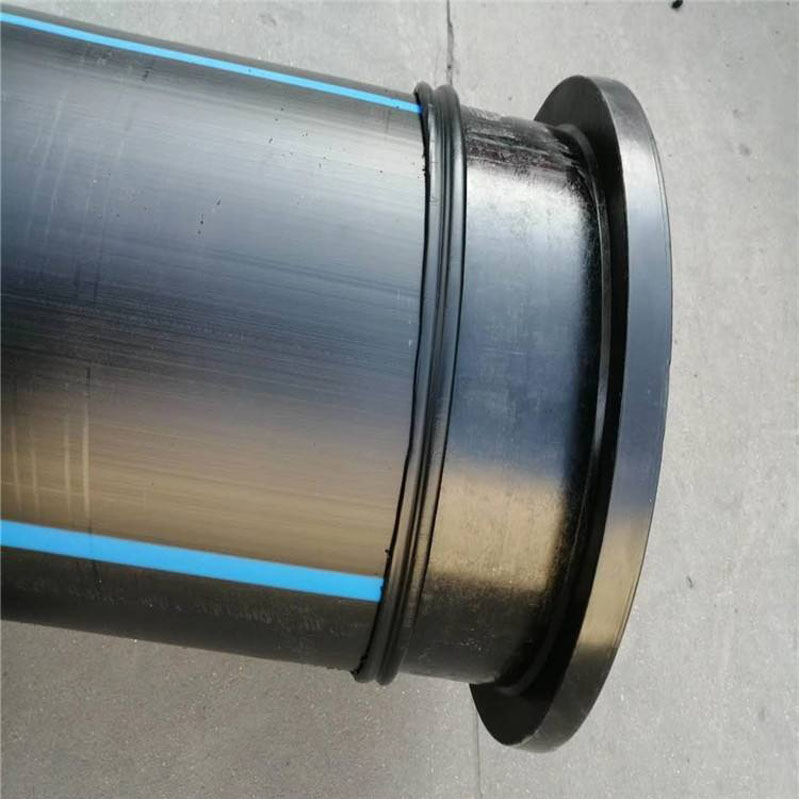
Performance of PVC sprinkler pipe is governed by its ability to withstand internal hydrostatic pressure, external loads, and potential impact forces. Force analysis incorporates hoop stress calculations based on the Barlow formula (S = PD/2t, where S is hoop stress, P is pressure, D is diameter, and t is wall thickness). Environmental resistance is critical; prolonged UV exposure causes chain scission and embrittlement, necessitating UV stabilizers in the PVC compound or protective coatings. Chemical compatibility is also vital; certain chemicals (e.g., chlorinated solvents, strong acids) can degrade PVC, leading to cracking or swelling. Compliance requirements are dictated by NFPA 13 (Standard for the Installation of Sprinkler Systems), which specifies allowable pressure ratings, temperature limits, and installation procedures. Engineering considerations include thermal expansion/contraction – PVC has a higher coefficient of thermal expansion than metal, requiring expansion loops or flexible couplings in long runs. Flow characteristics are influenced by pipe diameter, wall roughness, and fluid viscosity, all impacting sprinkler head activation time. Fatigue analysis is relevant for systems subjected to cyclical pressure variations. The design must account for water hammer effects, which can induce transient pressure spikes exceeding the pipe's rated capacity. Pipe support spacing is critical to prevent bending stresses and potential failures.
Technical Specifications
| Parameter | Schedule 40 PVC | Schedule 80 PVC | ASTM D1785 Standard |
|---|---|---|---|
| Material | PVC (Polyvinyl Chloride) | PVC (Polyvinyl Chloride) | PVC Compound |
| Pressure Rating (psi) @ 73°F | 200 | 300 | Dependent on diameter and schedule |
| Temperature Rating (°F) | 0-140 | 0-140 | Maximum operating temperature 140°F |
| Wall Thickness (typical) | 0.133 inches | 0.179 inches | Varies based on diameter & schedule |
| Outside Diameter (inches) | 1/2, 3/4, 1, 1.25, 1.5, 2, 3, 4 | 1/2, 3/4, 1, 1.25, 1.5, 2, 3, 4 | Standard Dimensions per ASTM D1785 |
| Color | Gray or White | Gray or White | Typically Gray or White |
Failure Mode & Maintenance
Common failure modes for China PVC sprinkler pipes include cracking due to excessive pressure or water hammer, crazing (formation of micro-cracks) from UV exposure and chemical attack, delamination resulting from improper solvent cement welding, and brittle failure at low temperatures. Fatigue cracking can occur in systems subjected to repeated pressure cycling. Corrosion, while not directly affecting the PVC material itself, can occur at solvent-cemented joints if contaminants are present. Hydrostatic testing failures frequently indicate manufacturing defects or pre-existing damage. Maintenance should involve regular visual inspections for cracks, discoloration, or leaks. Joints should be checked for tightness. Periodic hydrostatic testing (every 5-10 years, depending on local regulations) is recommended to verify system integrity. Protection from UV exposure (e.g., painting, shielding) is crucial for outdoor installations. Proper winterization (draining systems in freezing climates) prevents damage from ice expansion. If cracking is detected, the affected section of pipe must be replaced immediately. Regular flushing of the system helps remove debris that can contribute to joint erosion. When replacing sections, ensure solvent cement is compatible with both the existing PVC and the new pipe.
Industry FAQ
Q: What is the impact of water quality on the longevity of PVC sprinkler pipe?
A: Water quality significantly impacts longevity. Chloramines, common water treatment additives, can accelerate PVC degradation over extended periods. High mineral content (hard water) can lead to scale buildup, reducing flow capacity and potentially inducing stress corrosion cracking at joints. Corrosive water (low pH) can also contribute to degradation. Regular water analysis and consideration of corrosion inhibitors are recommended.
Q: How does Schedule 80 PVC differ from Schedule 40 in terms of application?
A: Schedule 80 PVC possesses a thicker wall than Schedule 40, resulting in a higher pressure rating and greater impact resistance. Schedule 40 is typically sufficient for light hazard occupancies (e.g., offices, schools), while Schedule 80 is preferred for moderate to high hazard areas (e.g., manufacturing facilities, warehouses) where higher pressures or greater mechanical protection are required. Cost is also a factor; Schedule 80 is more expensive.
Q: What are the key considerations for solvent cementing PVC sprinkler pipe?
A: Proper surface preparation (cleaning and priming) is essential. Use only solvent cement specifically formulated for PVC and compatible with the pipe and fitting materials. Apply cement evenly and liberally, ensuring complete coverage of both surfaces. Avoid excessive cement, which can create obstructions. Allow sufficient curing time before pressurizing the system (typically 24 hours). Temperature and humidity affect curing time.
Q: What are the limitations of using PVC sprinkler pipe in high-temperature environments?
A: PVC’s maximum operating temperature is typically 140°F. Exceeding this temperature significantly reduces its strength and can lead to softening and failure. In high-temperature environments, alternative piping materials such as CPVC or metallic piping should be considered. Exposure to fire can also cause PVC to release corrosive fumes.
Q: How does the risk of UV degradation affect outdoor PVC sprinkler systems?
A: Prolonged exposure to UV radiation causes chain scission in PVC, leading to embrittlement and cracking. Outdoor PVC sprinkler systems should be painted with a UV-resistant coating or shielded from direct sunlight. UV stabilizers are often incorporated into the PVC formulation, but their effectiveness diminishes over time. Regular inspections for signs of UV degradation are crucial.
Conclusion
China PVC sprinkler pipe offers a cost-effective and reliable solution for automatic fire suppression systems, particularly in light to moderate hazard environments. Its performance, however, is inextricably linked to material quality, proper manufacturing processes, and adherence to stringent installation standards. Understanding the material science principles governing PVC degradation – including the impacts of UV exposure, chemical additives, and temperature extremes – is critical for ensuring long-term system reliability and compliance with fire safety regulations.
Future advancements will likely focus on enhancing the UV resistance of PVC formulations, developing more sustainable stabilizers (replacing lead-based compounds), and improving solvent cement technology to create more robust and durable joints. Continued research into the long-term effects of various water chemistries on PVC pipe integrity is also essential. Properly designed, installed, and maintained PVC sprinkler systems remain a valuable component of comprehensive fire protection strategies.
-
DN25 HDPE Compression Fitting-HORON INTERNATIONAL|Reliable Irrigation Solutions
NewsFeb.11,2026
-
china type of ppr pipe Manufacturing Analysis
News2026-05-25
-
china plumbing ppr pipe Performance Analysis
News2026-05-25
-
china 20mm ppr pipe Material Science
News2026-05-25
-
china pvc sprinkler pipe Performance and Engineering
News2026-05-25
-
china dn500 hdpe double wall corrugated pipe for sewage drain Performance Analysis
News2026-05-25
-
china use of pvc pipe Performance Analysis
News2026-05-24
-
china 50mm pvc pipe price Performance Analysis
News2026-05-24
-
china ppr pipe 50mm price Performance Analysis
News2026-05-24
-
china hdpe coupler price Performance Analysis
News2026-05-24
-
china white pvc pipe Performance Analysis
News2026-05-24
-
china 100mm pvc pipe price Performance Analysis
News2026-05-23
-
china pvc pipe used for Performance Analysis
News2026-05-23
-
china ppr water pipe fittings Performance Analysis
News2026-05-23
-
china hdpe pipe couplings Performance Analysis
News2026-05-23
-
china 50mm ppr pipe price Performance Analysis
News2026-05-23