

Feb . 11, 2026 00:01 Back to list
china use of pvc pipe Performance Analysis
Introduction
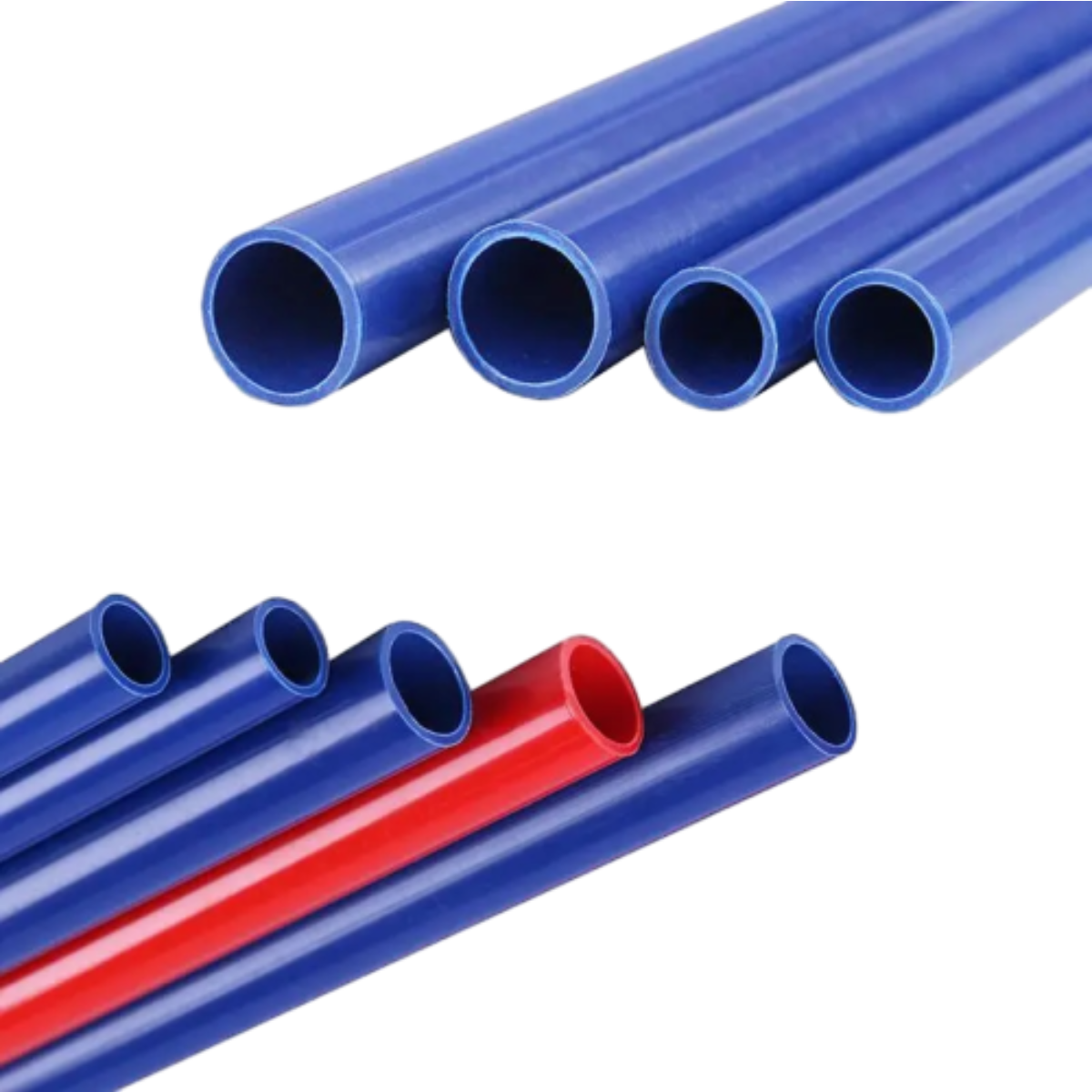
Polyvinyl chloride (PVC) pipe has become a dominant material in fluid conveyance systems throughout China, experiencing substantial growth since the late 20th century. Its widespread adoption is attributed to a confluence of factors including cost-effectiveness, ease of installation, corrosion resistance, and a reduction in reliance on traditional materials like ductile iron and concrete. China’s massive infrastructure projects – encompassing water supply, wastewater management, irrigation, and increasingly, industrial applications – drive the demand. This guide provides an in-depth technical overview of PVC pipe, specifically focusing on its application within the Chinese industrial landscape, covering material science, manufacturing nuances, performance characteristics, potential failure modes, and relevant standards. The increasing stringency of Chinese environmental regulations and a move toward sustainable infrastructure are also shaping the development and deployment of PVC pipe technologies, requiring advancements in formulation and performance to meet evolving needs. Core performance characteristics include pressure rating (PN levels), tensile strength (ASTM D2412), impact resistance (ASTM D2444), and long-term hydrostatic strength.
Material Science & Manufacturing
PVC is a thermoplastic polymer synthesized from vinyl chloride monomer (VCM). The raw material for PVC production is primarily ethylene, derived from either naphtha cracking or ethane cracking. The polymerization process, typically suspension polymerization, yields PVC resin, which is then compounded with various additives to achieve desired properties. Critical additives include plasticizers (e.g., dioctyl phthalate – DOP, increasingly replaced with phthalate-free options due to health concerns), stabilizers (e.g., organotin compounds, calcium-zinc stabilizers for heat resistance), lubricants (e.g., stearic acid), and impact modifiers (e.g., chlorinated polyethylene – CPE). The formulation significantly impacts the final product’s performance.
Manufacturing of PVC pipe in China commonly utilizes extrusion processes. PVC resin and additives are fed into a twin-screw extruder, where they are heated and homogenized. The molten PVC is then forced through a die to form the desired pipe diameter and wall thickness. Extrusion parameters – temperature profile, screw speed, die pressure – are meticulously controlled to ensure dimensional accuracy and material homogeneity. Cooling is typically achieved through water baths, followed by precise cutting and finishing operations. Hydrostatic testing is standard practice in quality control, verifying the pipe’s ability to withstand specified internal pressure. A significant trend in Chinese manufacturing is the adoption of automated extrusion lines and real-time process monitoring to enhance consistency and reduce waste. Pipe joining methods predominantly include solvent cement welding, threaded connections, and gasketed joints, each with specific application criteria. The prevalence of substandard PVC, particularly from smaller, unregulated manufacturers, remains a critical concern within the Chinese market, driving a demand for robust quality control measures and adherence to national standards.
Performance & Engineering
The performance of PVC pipe is dictated by its mechanical and chemical properties. Tensile strength, typically ranging from 50-70 MPa (depending on formulation and schedule), determines its resistance to axial loads. The Young’s modulus (approximately 3-4 GPa) dictates its stiffness. A key engineering consideration is the pipe’s ability to withstand internal pressure. The Barlow formula (S = (P D) / (2 t), where S = stress, P = pressure, D = diameter, t = wall thickness) is used in design calculations to determine the required wall thickness for a given pressure rating. Temperature significantly impacts PVC’s performance. Increased temperatures reduce its strength and increase its susceptibility to creep. Long-term hydrostatic strength is crucial for water distribution systems and is assessed through accelerated aging tests.
Environmental resistance is another critical aspect. PVC exhibits excellent resistance to many chemicals, but can be affected by prolonged exposure to strong oxidizing agents and certain solvents. UV exposure can lead to degradation, resulting in embrittlement and discoloration; therefore, UV stabilizers are essential in applications involving outdoor exposure. Soil conditions also play a role; corrosive soils can accelerate degradation of buried pipes. Chinese building codes (GB 50054-2014 – Standard for Plastic Water Supply and Drainage Pipelines) mandate specific performance requirements based on application and environmental conditions. Finite Element Analysis (FEA) is increasingly utilized in the design and analysis of complex PVC piping systems, optimizing structural integrity and minimizing risks.
Technical Specifications
| Parameter | Unit | Schedule 40 PVC | Schedule 80 PVC |
|---|---|---|---|
| Outside Diameter | mm | 114.3 | 114.3 |
| Wall Thickness | mm | 4.2 | 5.6 |
| Pressure Rating (PN) | Bar | 10 | 15 |
| Tensile Strength | MPa | 62 | 65 |
| Impact Strength (Izod Notched) | kJ/m² | 5 | 7 |
| Operating Temperature Range | °C | -10 to 60 | -10 to 60 |
Failure Mode & Maintenance
PVC pipe, while durable, is susceptible to various failure modes. Brittle fracture, particularly at low temperatures or due to impact damage, is a common concern. Long-term creep, resulting from sustained pressure and temperature, can lead to deformation and eventual rupture. Chemical attack from aggressive soil conditions or incompatible fluids can cause degradation and loss of mechanical properties. UV degradation manifests as surface cracking and embrittlement. Joint failures, often due to improper solvent cement welding or gasket deterioration, are also prevalent.
Failure analysis often involves visual inspection, hydrostatic testing, and microscopic examination of fractured surfaces to identify the root cause. Preventative maintenance includes regular inspections for cracks, leaks, and signs of degradation. Proper installation techniques – ensuring adequate bedding and backfill, avoiding excessive stress during installation – are crucial. For buried pipelines, corrosion protection measures, such as cathodic protection or protective coatings, may be necessary in corrosive soil environments. Repair options range from patching small cracks with PVC cement to replacing damaged sections of pipe. Periodic pressure testing and leak detection surveys can identify potential problems before they escalate into major failures. The use of high-quality PVC materials and adherence to established installation standards are paramount in minimizing the risk of failures.
Industry FAQ
Q: What are the primary differences between PVC-U and PVC-C pipe, and which is more suitable for hot water applications in China?
A: PVC-U (Unplasticized) is the standard PVC formulation, offering good strength and cost-effectiveness. PVC-C (Chlorinated) undergoes a chlorination process, increasing its chlorine content and significantly enhancing its heat resistance. PVC-C maintains its mechanical properties at higher temperatures than PVC-U. For hot water applications exceeding 60°C in China, PVC-C is the preferred choice due to its superior thermal stability and resistance to softening. However, PVC-U remains suitable for cold water applications and drainage systems.
Q: What impact do different plasticizers have on the long-term performance of PVC pipe, especially in the context of Chinese climate variations?
A: Plasticizers impart flexibility to PVC. Phthalate plasticizers (e.g., DOP) were historically common, but concerns about their environmental and health impacts have led to a shift towards phthalate-free alternatives. Different plasticizers exhibit varying migration rates and resistance to temperature and UV exposure. Faster migration can lead to embrittlement over time, especially in hot and humid climates like those found in Southern China. Phthalate-free options, such as DINCH or DOTP, generally offer improved long-term performance and are increasingly favored by manufacturers supplying the Chinese market.
Q: How does the quality of solvent cement affect the long-term integrity of PVC pipe joints, and what testing methods are used to verify its performance?
A: Solvent cement chemically welds PVC pipes and fittings together, creating a strong, leak-proof joint. The quality of the cement – its formulation, viscosity, and application temperature – is critical. Inferior cements can result in weak joints prone to failure. Testing methods include tensile strength testing of cemented joints (ASTM D3216), shear strength testing (ASTM D3965), and hot-creeping tests to assess long-term resistance to deformation. Proper surface preparation (cleaning and priming) and adherence to manufacturer's instructions are also vital.
Q: What are the key considerations when selecting PVC pipe for burial in Chinese agricultural land, given potential exposure to fertilizers and pesticides?
A: Agricultural land often contains corrosive substances like fertilizers and pesticides. PVC pipe selected for burial in such environments must exhibit excellent chemical resistance. Specialized PVC formulations with enhanced resistance to specific agricultural chemicals may be required. Consideration should be given to the soil pH and the concentration of corrosive agents. Furthermore, the pipe should be adequately protected from mechanical damage during agricultural operations. A protective coating or wrap can provide an additional layer of defense.
Q: What is the role of hydrostatic testing in ensuring the quality of PVC pipe manufactured in China, and what are the typical acceptance criteria?
A: Hydrostatic testing is a crucial quality control measure. Pipes are internally pressurized to a specified level (typically 1.5 to 2 times the design pressure) for a defined period. This test verifies the pipe’s ability to withstand pressure without bursting or leaking. Typical acceptance criteria include zero leaks, no visible deformation, and the ability to withstand the test pressure for the specified duration. Chinese standards (GB/T 10001.2-2007) outline the specific hydrostatic testing procedures and acceptance criteria for PVC pipes.
Conclusion
PVC pipe remains a cornerstone material in China’s infrastructure development, offering a compelling combination of performance, cost-effectiveness, and ease of installation. However, navigating the Chinese PVC pipe market requires a thorough understanding of material science, manufacturing processes, and relevant standards. The increasing emphasis on sustainability and environmental protection is driving innovation in PVC formulations and manufacturing techniques, leading to the development of more durable, eco-friendly, and high-performance products.
Future trends include the adoption of bio-based plasticizers, the use of recycled PVC content, and the integration of smart technologies for pipeline monitoring and leak detection. Addressing the issue of substandard PVC products through stricter quality control measures and enhanced enforcement of regulations is also critical to ensuring the long-term reliability and safety of PVC piping systems in China. Continued research and development, coupled with a commitment to best practices, will solidify PVC's position as a vital material in the ongoing modernization of China’s infrastructure.
-
DN25 HDPE Compression Fitting-HORON INTERNATIONAL|Reliable Irrigation Solutions
NewsFeb.11,2026
-
china use of pvc pipe Performance Analysis
News2026-05-24
-
china 50mm pvc pipe price Performance Analysis
News2026-05-24
-
china ppr pipe 50mm price Performance Analysis
News2026-05-24
-
china hdpe coupler price Performance Analysis
News2026-05-24
-
china white pvc pipe Performance Analysis
News2026-05-24
-
china 100mm pvc pipe price Performance Analysis
News2026-05-23
-
china pvc pipe used for Performance Analysis
News2026-05-23
-
china ppr water pipe fittings Performance Analysis
News2026-05-23
-
china hdpe pipe couplings Performance Analysis
News2026-05-23
-
china 50mm ppr pipe price Performance Analysis
News2026-05-23
-
china corrugated hdpe pipe fittings Performance Analysis
News2026-05-22
-
china ppr pipe for hot water Performance Analysis
News2026-05-22
-
china ppr Technical Performance Analysis
News2026-05-22
-
china corrugated dual wall pipe Performance Analysis
News2026-05-22
-
china sink inlet pipe Material Performance Analysis
News2026-05-22