

Feb . 11, 2026 00:01 Back to list
china sink inlet pipe Material Performance Analysis
Introduction
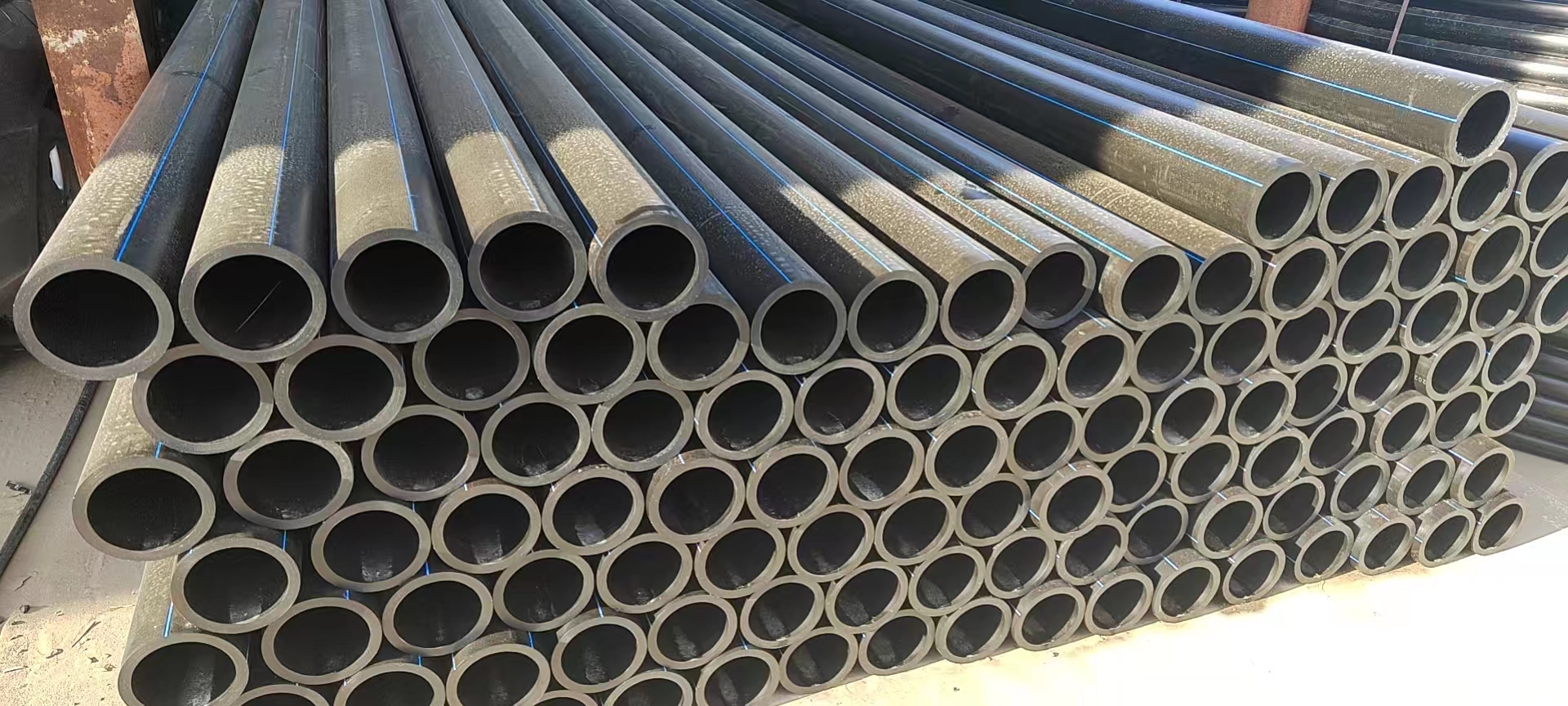
China sink inlet pipes, commonly referred to as drain tailpieces or P-traps, are critical components in residential and commercial plumbing systems. These pipes, typically constructed from plastics like Polypropylene (PP), Polyvinyl Chloride (PVC), or Acrylonitrile Butadiene Styrene (ABS), connect the sink drain to the wall drain, preventing sewer gases from entering the building. Their function is not simply conveyance of wastewater, but also a vital barrier against harmful and odorous gases, thus contributing to indoor air quality and public health. The technical performance of these pipes is judged by their hydraulic capacity, resistance to chemical degradation from common household cleaning agents, and the integrity of the watertight seal formed at the connections. This guide provides an in-depth analysis of their material science, manufacturing processes, performance characteristics, failure modes, and relevant industry standards.
Material Science & Manufacturing
The predominant materials used in china sink inlet pipe manufacturing dictate performance characteristics and cost. PP offers excellent chemical resistance, particularly to acids and bases frequently found in cleaning products. PVC is known for its rigidity and cost-effectiveness, however, it has lower temperature resistance. ABS provides good impact resistance, important during installation and routine use. Material selection directly impacts the pipes' ability to withstand thermal cycling and potential deformation under load.
Manufacturing typically employs injection molding for the pipe body and compression molding for any integrated seals or gaskets (often EPDM or nitrile rubber). Critical process parameters include melt temperature, mold temperature, injection pressure, and cooling rate. Variations in these parameters can lead to defects like sink marks, warpage, and weld lines, compromising the structural integrity. The sealing surfaces require precise machining to ensure a leak-proof connection. Post-molding operations include trimming flash, deburring, and quality control inspections focused on dimensional accuracy and surface finish. Extrusion is sometimes utilized for the longer straight sections of the pipe, followed by machining for connection points. The quality of the raw material resin, including its molecular weight distribution and filler content, significantly affects the final product’s mechanical properties. Proper control of the polymerization process is vital for consistent material performance. Furthermore, additives like UV stabilizers are incorporated into the formulations, particularly for PVC and ABS, to prevent degradation upon exposure to sunlight during storage and transport.
Performance & Engineering
The performance of a china sink inlet pipe is determined by its hydraulic capacity and its ability to maintain a watertight seal under varying conditions. Hydraulic capacity is governed by the pipe’s internal diameter and the smoothness of its interior surface. Roughness increases flow resistance, reducing the discharge rate. Engineering design considers the potential for water hammer, a pressure surge caused by sudden valve closures, which can induce stress on the pipe and connections. The pipe material’s tensile strength and elongation at break are key parameters in evaluating its resistance to these stresses.
Environmental resistance is critical. Exposure to hot water, cleaning chemicals (including those with high pH levels), and temperature fluctuations can degrade the pipe material over time. The chemical compatibility of the material with commonly used cleaning agents must be verified to prevent swelling, cracking, or dissolution. Compliance with plumbing codes requires the pipe to withstand hydrostatic pressure testing, simulating typical operating conditions and ensuring leak-free performance. The connection design – typically threaded or slip-joint – is also critical. Threaded connections rely on accurate thread geometry and proper sealant application to prevent leaks. Slip-joint connections utilize compression to create a watertight seal, requiring precise surface finish and material elasticity. Fatigue analysis is important, considering the cyclical loading from water flow and temperature changes.
Technical Specifications
| Parameter | PP (Polypropylene) | PVC (Polyvinyl Chloride) | ABS (Acrylonitrile Butadiene Styrene) | Unit |
|---|---|---|---|---|
| Tensile Strength | 20-30 | 50-70 | 40-60 | MPa |
| Elongation at Break | 200-500 | 30-60 | 50-150 | % |
| Water Absorption (24hr) | 0.1-0.3 | 0.2-0.5 | 0.7-1.2 | % |
| Chemical Resistance (Acid) | Excellent | Good | Fair | - |
| Chemical Resistance (Base) | Excellent | Good | Fair | - |
| Operating Temperature Range | 0-90 | 0-60 | -20-80 | °C |
Failure Mode & Maintenance
Common failure modes for china sink inlet pipes include cracking due to stress concentration (often at threaded connections), degradation from chemical exposure leading to embrittlement, and leaks caused by seal failure. Fatigue cracking can occur from sustained cyclical loading, particularly in areas subjected to vibration. UV degradation, although less common for indoor applications, can cause discoloration and reduced mechanical properties. Delamination of multi-layer pipes can occur due to inadequate bonding between layers. Corrosion is generally not a concern for plastic pipes, but chemical attack can mimic corrosion symptoms.
Maintenance primarily involves periodic inspection for leaks and cracks. Tightening loose connections may resolve minor leaks. If cracks are detected, the pipe must be replaced. Cleaning should be performed with mild detergents; abrasive cleaners can damage the pipe surface and compromise the seal. Avoid pouring hot grease or oil down the drain, as this can solidify and obstruct flow, increasing pressure and potentially leading to failure. For slip-joint connections, periodically check the compression nut and washer for wear. Replacement of worn washers is a preventative measure against leaks. Avoid over-tightening connections, as this can damage the threads or distort the sealing surface. Proper installation, adhering to manufacturer’s guidelines and local plumbing codes, is the most effective preventative maintenance measure.
Industry FAQ
Q: What is the impact of water hardness on the lifespan of a PP sink inlet pipe?
A: Water hardness, specifically the concentration of calcium and magnesium ions, can lead to the formation of scale buildup inside the pipe. While PP itself is resistant to these ions, the scale reduces the effective hydraulic diameter, increasing flow resistance and potentially leading to localized stress concentrations. Regular cleaning or the use of water softeners can mitigate this issue, prolonging the pipe's functional lifespan.
Q: What are the key differences between a standard P-trap and a space-saving P-trap, from a performance perspective?
A: Space-saving P-traps utilize a tighter bend radius to reduce the overall footprint. However, this tighter bend can increase flow resistance and potentially lead to more frequent clogging. They may also be more susceptible to siphonage, where the water is pulled out of the trap, breaking the seal and allowing sewer gases to enter. Standard P-traps, with their larger radius, generally offer better hydraulic performance and reduced risk of siphonage.
Q: How does the choice of gasket material (EPDM vs. Nitrile) affect the long-term sealing performance?
A: EPDM exhibits excellent resistance to ozone, UV, and weathering, making it a good choice for general-purpose applications. Nitrile rubber, however, demonstrates superior resistance to oils and solvents. In a sink drain environment, where exposure to oils and certain cleaning agents is likely, nitrile rubber often provides a more durable and reliable seal over the long term. The specific chemical compatibility of the gasket material with anticipated exposure is the determining factor.
Q: What level of thermal expansion should be considered when installing long runs of PVC sink inlet pipe?
A: PVC has a relatively high coefficient of thermal expansion. Long runs require expansion loops or flexible couplings to accommodate dimensional changes due to temperature fluctuations. Failing to account for thermal expansion can induce stress on the pipe and connections, potentially leading to cracking or leaks. Expansion loops should be designed based on the expected temperature range and the pipe’s linear expansion coefficient.
Q: What are the common testing methods used to verify the watertight integrity of a china sink inlet pipe assembly?
A: Common testing methods include hydrostatic pressure testing, where the assembly is pressurized with water to a specified level and inspected for leaks. Air pressure testing is also used, but requires greater caution due to the potential for explosive failure. Dye penetration testing can reveal microscopic leaks that are not visible to the naked eye. Visual inspection, although subjective, is crucial for identifying cracks, deformities, and improper seal seating.
Conclusion
China sink inlet pipes, while seemingly simple components, play a critical role in plumbing system functionality and hygiene. The selection of appropriate materials – PP, PVC, or ABS – depends on the specific application requirements, considering factors like chemical resistance, temperature range, and cost. Proper manufacturing control, particularly regarding injection molding parameters and seal quality, is essential for ensuring long-term reliability.
Understanding the potential failure modes, such as cracking, chemical degradation, and seal failure, allows for proactive maintenance and timely replacement. Adherence to relevant industry standards and plumbing codes is paramount for safe and efficient operation. Continued advancements in polymer technology and manufacturing processes will likely lead to improved performance and durability in future generations of china sink inlet pipes.
-
DN25 HDPE Compression Fitting-HORON INTERNATIONAL|Reliable Irrigation Solutions
NewsFeb.11,2026
-
china corrugated hdpe pipe fittings Performance Analysis
News2026-05-22
-
china ppr pipe for hot water Performance Analysis
News2026-05-22
-
china ppr Technical Performance Analysis
News2026-05-22
-
china corrugated dual wall pipe Performance Analysis
News2026-05-22
-
china sink inlet pipe Material Performance Analysis
News2026-05-22
-
china 1 2 inch pvc Performance Analysis
News2026-05-21
-
china hdpe pipe joint coupler Performance Analysis
News2026-05-21
-
china ppr pipes and fittings price list Technical Analysis
News2026-05-21
-
china 9 inch pvc pipe price Performance Analysis
News2026-05-21
-
china 2 inch borewell column pipe price Performance Engineering
News2026-05-21
-
china hdpe pipe suppliers Performance Analysis
News2026-05-20
-
china submersible pump column pipe Performance Engineering
News2026-05-20
-
china 8 hdpe corrugated pipe Manufacturing Analysis
News2026-05-20
-
china dual wall hdpe pipe Performance Analysis
News2026-05-20
-
china water lines under sink Performance Analysis
News2026-05-20