

Feb . 11, 2026 00:01 Back to list
hdpe pipe sizes factory Performance Analysis
Introduction
High-Density Polyethylene (HDPE) pipe, manufactured by HDPE pipe sizes factories, represents a critical component in modern infrastructure for fluid and gas transport. Its prominence stems from a unique combination of properties – corrosion resistance, flexibility, durability, and cost-effectiveness – making it a superior alternative to traditional materials like ductile iron, steel, and PVC in numerous applications. This guide provides an in-depth technical overview of HDPE pipe, encompassing its material science, manufacturing processes, performance characteristics, potential failure modes, and relevant industry standards. The core pain point within the industry revolves around ensuring consistent material quality, optimizing weld integrity for long-term performance, and meeting increasingly stringent regulatory requirements for pipeline safety and environmental protection. HDPE pipe is utilized in diverse sectors including water distribution, gas transmission, sewer systems, mining, and industrial applications, demanding a comprehensive understanding of its capabilities and limitations.
Material Science & Manufacturing
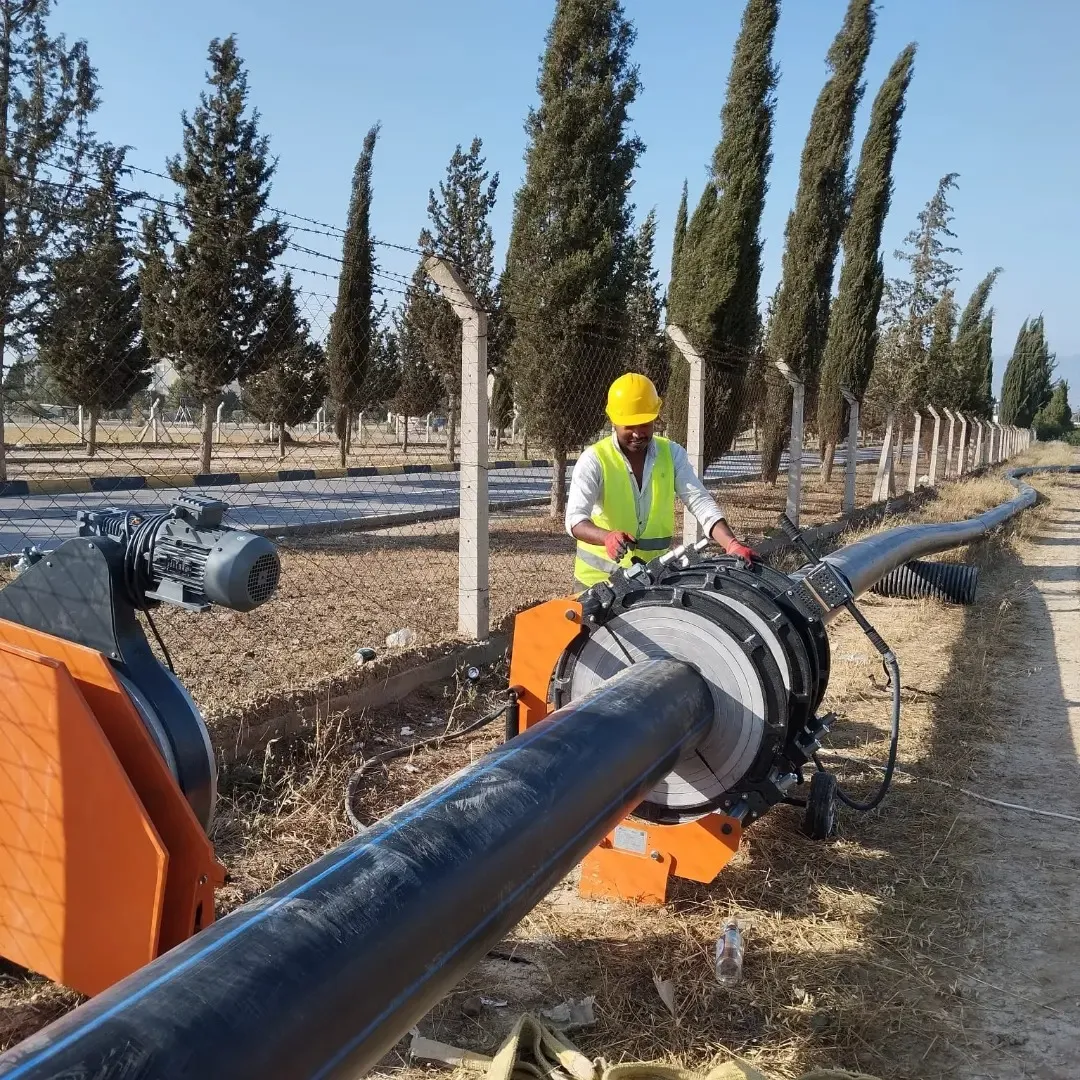
HDPE pipe is derived from polyethylene, a thermoplastic polymer produced through the polymerization of ethylene. The “high-density” designation refers to the polymer’s molecular weight distribution and resulting crystallinity. Raw material properties include a density typically ranging from 0.93 to 0.97 g/cm³, a tensile strength between 20-35 MPa, and an elongation at break of 300-700%. Manufacturing commonly employs extrusion processes. The process begins with HDPE resin pellets being fed into an extruder, where they are heated and melted. This molten polymer is then forced through a die, shaping it into the desired pipe dimensions. Critical parameters include melt temperature (typically 180-210°C), die pressure, and cooling rates. Variations exist, including bimodal HDPE which provides enhanced slow crack growth resistance. Pipe sizes range from small diameter tubing (½ inch) to large-diameter pipes (63 inches or more). Butt fusion, socket fusion, electrofusion, and mechanical joining methods are common for connecting pipes. Quality control at HDPE pipe sizes factories involves rigorous testing of the raw material’s melt flow index, density, and carbon black content (used for UV stabilization), as well as dimensional accuracy and hydrostatic pressure testing of the finished pipe. The degree of crystallinity, influenced by cooling rate, directly impacts the pipe's strength and resistance to environmental stress cracking.
Performance & Engineering
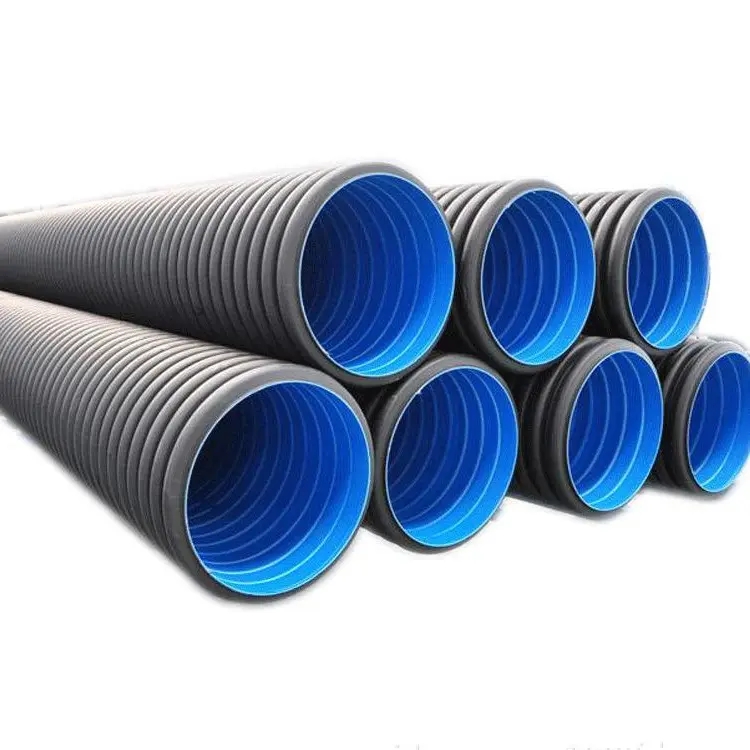
The performance of HDPE pipe is governed by its mechanical properties and resistance to environmental factors. Stress analysis, particularly considering hydrostatic pressure and soil loading, is crucial for pipeline design. The pipe's ability to withstand internal pressure is calculated based on Barlow's formula and adjusted for temperature derating factors. HDPE’s flexibility allows it to accommodate ground movement and seismic activity without fracturing, a significant advantage over rigid materials. Environmental resistance is a key performance aspect. While HDPE is chemically inert to most substances, prolonged exposure to strong oxidizing agents and certain solvents should be avoided. Ultraviolet (UV) degradation is mitigated through the addition of carbon black, but long-term exposure requires additional protection, such as burial or coating. Slow Crack Growth (SCG) is a critical failure mechanism, particularly under sustained tensile stress in the presence of certain chemicals. Pipeline compliance requires adherence to standards such as AWWA C906 (for water distribution) and ASTM D3350 (for polyethylene pipes). Engineering considerations also include thermal expansion and contraction; HDPE expands and contracts significantly with temperature changes, requiring expansion loops or similar provisions in long pipeline runs.
Technical Specifications
| Parameter | Unit | Typical Value (Schedule 40) | Typical Value (Schedule 80) |
|---|---|---|---|
| Outside Diameter | inches | 1.063 | 1.315 |
| Wall Thickness | inches | 0.062 | 0.111 |
| Pressure Rating (at 73°F) | psi | 200 | 300 |
| Density | g/cm³ | 0.953 | 0.953 |
| Tensile Strength | MPa | 32 | 32 |
| Elongation at Break | % | 500 | 500 |
Failure Mode & Maintenance
HDPE pipe, while durable, is susceptible to specific failure modes. Slow Crack Growth (SCG), as previously mentioned, is a prevalent issue initiated by stress concentrations and exacerbated by environmental factors. Fatigue cracking can occur under cyclic loading conditions, particularly at joints. Brittle failure can result from impact damage, especially at low temperatures. Oxidation, though slow, can degrade the material over extended periods. Improperly executed fusion welds are a common point of failure, often manifesting as weld defects or incomplete fusion. Maintenance involves regular visual inspections for cracks, deformation, or discoloration. Hydrostatic testing can be employed to identify leaks or weakened sections. For SCG prevention, maintaining appropriate stress levels and avoiding contact with incompatible chemicals is critical. Weld integrity should be periodically assessed using non-destructive testing methods like ultrasonic testing. When repairing HDPE pipe, utilizing compatible welding techniques and materials is essential to avoid introducing new failure points. Proper backfilling procedures are vital to prevent external stresses that could contribute to SCG or deformation.
Industry FAQ
Q: What is the impact of temperature on HDPE pipe performance?
A: Temperature significantly affects HDPE pipe performance. Higher temperatures reduce the pipe's pressure rating and increase its susceptibility to creep. Conversely, lower temperatures can increase brittleness and reduce impact resistance. Temperature derating factors are applied in design to account for these variations. Proper thermal expansion and contraction provisions are also crucial.
Q: How does the carbon black content influence HDPE pipe longevity?
A: Carbon black acts as a UV stabilizer, protecting the HDPE from degradation caused by sunlight. Higher carbon black concentrations provide greater UV protection but can also affect the material's other properties. The optimal carbon black content is typically between 2-8%, balanced for UV resistance and processability.
Q: What are the best practices for ensuring weld integrity in HDPE pipe joining?
A: Ensuring weld integrity requires properly trained personnel, adherence to established welding procedures (butt fusion, electrofusion, socket fusion), and rigorous quality control checks. Surface preparation, correct heating times and pressures, and adequate cooling are crucial. Non-destructive testing, such as visual inspection and ultrasonic testing, should be performed on all welds.
Q: What are the key differences between Schedule 40 and Schedule 80 HDPE pipe?
A: Schedule 40 and Schedule 80 refer to the pipe wall thickness. Schedule 80 has a thicker wall, resulting in a higher pressure rating and increased resistance to impact. Schedule 40 is generally used for lower-pressure applications where cost is a primary concern. Schedule 80 is preferred for applications demanding greater strength and durability.
Q: How does HDPE pipe compare to PVC in terms of environmental impact?
A: HDPE generally exhibits a lower environmental impact compared to PVC. HDPE is recyclable, while PVC recycling is more challenging. HDPE production typically requires less energy and generates fewer harmful byproducts. HDPE also doesn’t contain phthalates or other plasticizers commonly found in PVC, which can leach into the environment.
Conclusion
HDPE pipe represents a robust and versatile solution for numerous fluid and gas transport applications. Its inherent properties—corrosion resistance, flexibility, and durability—coupled with established manufacturing and joining techniques, establish it as a leading material in modern infrastructure. However, understanding the potential failure modes, like Slow Crack Growth and the importance of proper welding procedures, is paramount to ensuring long-term pipeline integrity.
Future developments in HDPE pipe technology are focused on enhancing material performance through the incorporation of advanced additives and nanocomposites, improving welding techniques to reduce defect rates, and developing smarter pipeline monitoring systems. Adherence to evolving industry standards and a commitment to best practices in installation and maintenance will be crucial for maximizing the lifespan and reliability of HDPE pipeline systems.
-
DN25 HDPE Compression Fitting-HORON INTERNATIONAL|Reliable Irrigation Solutions
NewsFeb.11,2026
-
hdpe coupling joint product Manufacturing Analysis
News2026-11-18
-
ppr pipe heating time products Performance Analysis
News2026-11-16
-
hdpe pipe sizes factory Performance Analysis
News2026-11-09
-
HDPE Pipe Sizes Service Performance Analysis
News2026-10-26
-
wholesale 15mm ppr pipe Material Science and Performance Analysis
News2026-10-20
-
wholesale pvc pipe price per foot Technical Analysis
News2026-09-21
-
wholesale long pvc pipe Technical Analysis and Manufacturing Specifications
News2026-09-15
-
wholesale plumbing kitchen sink water lines Material Performance
News2026-09-15
-
wholesale hdpe drip irrigation Material Science
News2026-09-15
-
wholesale hot water ppr pipe Performance Analysis
News2026-09-15
-
wholesale ppr plumbing Performance Analysis
News2026-09-15
-
wholesale ppr pipe supplier Performance Analysis
News2026-09-13
-
wholesale 50mm ppr pipe Performance Analysis
News2026-09-13
-
wholesale hdpe drip pipe Performance Analysis
News2026-09-13
-
wholesale hdpe pipe 63mm price Manufacturing Specification and Performance Analysis
News2026-09-13