

Feb . 11, 2026 00:01 Back to list
wholesale long pvc pipe Technical Analysis and Manufacturing Specifications
Introduction
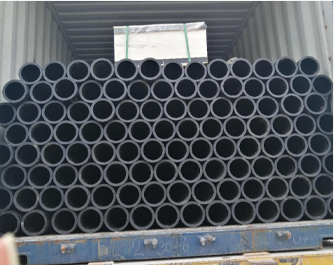
Polyvinyl Chloride (PVC) pipe, specifically long-length wholesale PVC, represents a foundational element in modern infrastructure. Its widespread adoption across diverse applications – from potable water distribution and irrigation to drainage and industrial fluid conveyance – stems from a unique combination of cost-effectiveness, durability, and ease of installation. This guide provides a comprehensive technical overview of wholesale long PVC pipe, examining its material science, manufacturing processes, performance characteristics, potential failure modes, and relevant industry standards. The proliferation of PVC is driven by its resistance to corrosion, chemical inertness, and relatively low weight compared to traditional materials like ductile iron or steel. Long-length production, typically exceeding 20 feet per section, minimizes the number of joints required, reducing potential leak points and installation time – a significant economic advantage for large-scale projects. Understanding the nuances of PVC formulation, processing, and application is critical for ensuring optimal performance and longevity in service. This technical guide targets engineers, procurement managers, and technical specialists involved in the specification, installation, and maintenance of PVC piping systems.
Material Science & Manufacturing
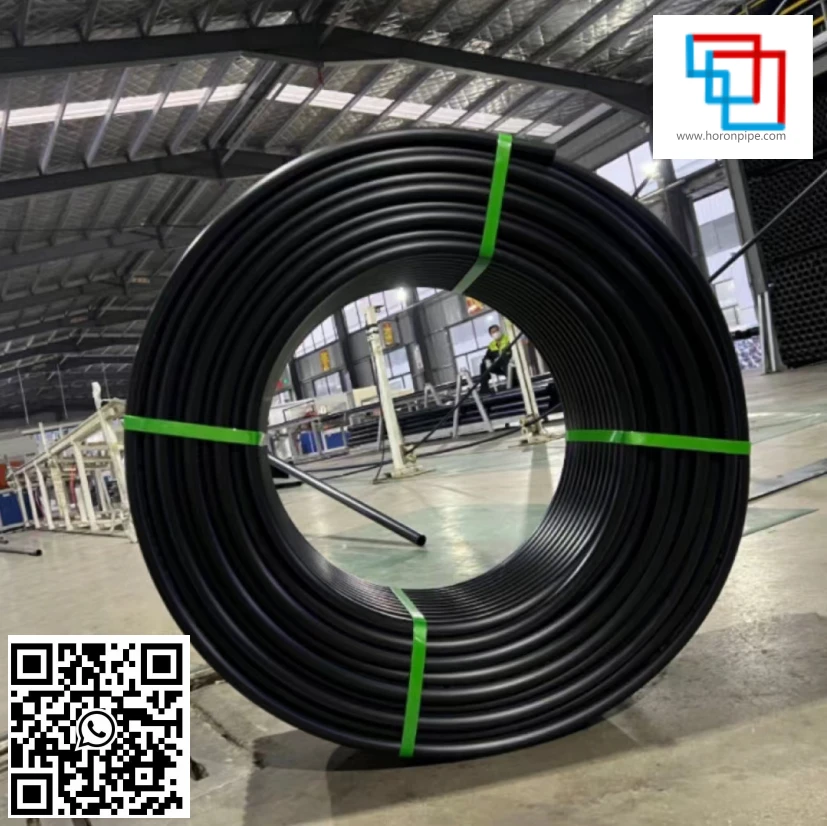
Wholesale long PVC pipe is primarily composed of PVC resin, a thermoplastic polymer produced through the polymerization of vinyl chloride monomer (VCM). The properties of the final product are heavily influenced by the grade of PVC resin used, typically categorized as rigid or flexible based on plasticizer content. Rigid PVC, commonly used for pressure applications, contains minimal plasticizers (less than 1% by weight). The core raw materials also include stabilizers (e.g., tin stabilizers, calcium-zinc stabilizers) to prevent thermal degradation during processing; lubricants to facilitate extrusion; impact modifiers (e.g., chlorinated polyethylene – CPE) to enhance toughness, particularly at low temperatures; and pigments for color coding. Manufacturing predominantly employs extrusion, where the PVC compound is heated and forced through a die to form a continuous pipe. Key parameters in the extrusion process include barrel temperature profiling (typically 180-220°C), screw speed, and die pressure. Precise control of these parameters is essential to achieve consistent wall thickness, diameter, and surface finish. Cooling is critical – water baths are used to rapidly solidify the extruded pipe. Subsequent processes include cutting to length, bell-end forming (for solvent welding), and quality control inspection. The quality of the PVC compound, the precision of the extrusion process, and the effectiveness of the cooling system all directly impact the pipe’s mechanical properties and long-term performance. Improper formulation can lead to issues like plate-out (surface defects) and poor fusion during jointing.
Performance & Engineering
The performance of wholesale long PVC pipe is primarily dictated by its pressure rating, determined through hydrostatic testing according to established standards (detailed in the Standards & Regulations section). This testing involves pressurizing the pipe to several times its working pressure for a specified duration to verify its burst resistance and long-term strength. Force analysis involves considering hoop stress (tangential stress due to internal pressure) and longitudinal stress (stress along the pipe axis). PVC's relatively low modulus of elasticity (compared to metals) necessitates careful consideration of deflection under load, particularly for buried pipelines. Environmental resistance is a key consideration; PVC exhibits excellent resistance to many acids, bases, and salts, but can be affected by prolonged exposure to certain solvents and hydrocarbons. Soil conditions also play a crucial role; aggressive soils containing high levels of chlorides or sulfates can accelerate degradation. Compliance requirements vary by region and application. Potable water systems demand adherence to stringent regulations regarding leachable contaminants (e.g., NSF/ANSI 61). For trenchless technologies like horizontal directional drilling (HDD), the pipe must withstand bending stresses and frictional forces. Proper bedding and backfill materials are essential to distribute load and prevent damage during installation. Thermal expansion and contraction are also important factors, especially in large-diameter pipes, requiring the incorporation of expansion joints or flexible couplings to mitigate stresses.
Technical Specifications
| Parameter | Schedule 40 PVC | Schedule 80 PVC | ASTM D2241 PVC | Unit |
|---|---|---|---|---|
| Outside Diameter | 1.900 – 4.000 | 1.900 – 4.000 | 0.500 – 24.000 | inches |
| Wall Thickness | 0.065 – 0.154 | 0.095 – 0.179 | 0.060 – 0.250 | inches |
| Pressure Rating (at 73°F) | Up to 400 psi | Up to 600 psi | Varies with size & schedule | psi |
| Tensile Strength | 6,000 – 8,000 | 7,000 – 9,000 | 5,000 – 10,000 | psi |
| Flexural Modulus | 300,000 – 400,000 | 350,000 – 450,000 | 250,000 – 500,000 | psi |
| Impact Strength (Izod Notched) | 10 – 20 | 15 – 25 | 5 – 30 | ft-lb/in |
Failure Mode & Maintenance
Common failure modes in wholesale long PVC pipe include brittle fracture, particularly at low temperatures or due to impact damage. Slow crack growth (SCG) is a significant concern, often initiated by stress concentrations at joints or imperfections, and exacerbated by exposure to certain chemicals or sustained tensile stress. Environmental stress cracking (ESC) can occur due to the combined effect of stress and aggressive chemicals. UV degradation can cause embrittlement and discoloration, especially in exposed applications. Microbial Influenced Corrosion (MIC) is less common in PVC than metals, but can occur in specific environments. Failure analysis typically involves visual inspection (for cracks, crazing, or discoloration), hydrostatic testing, and potentially chemical analysis to identify contaminants or degradation products. Maintenance primarily focuses on preventative measures: proper jointing techniques (solvent welding or gasketed connections), adequate bedding and backfill, surge protection to prevent water hammer, and regular inspection for signs of damage or leakage. For repairs, specialized PVC couplings and repair sleeves are available. In cases of significant damage, complete pipe replacement is often the most reliable solution. Routine cleaning to remove debris and maintain flow capacity is also essential. Periodic inspection of exposed pipe for UV damage and implementation of protective coatings can extend service life.
Industry FAQ
Q: What are the key differences between Schedule 40 and Schedule 80 PVC pipe, and when should each be used?
A: Schedule 80 PVC has a thicker wall than Schedule 40, resulting in a higher pressure rating and greater physical strength. Schedule 40 is generally suitable for lower-pressure applications, such as irrigation and cold water distribution, while Schedule 80 is preferred for higher-pressure systems, industrial applications, and situations where increased impact resistance is required. The higher wall thickness of Schedule 80 also provides better sound dampening.
Q: How does temperature affect the performance of PVC pipe?
A: PVC becomes more brittle at lower temperatures, increasing the risk of fracture under impact. Elevated temperatures can reduce the pipe's pressure rating and increase its susceptibility to creep. The service temperature range for PVC is typically between -40°F and 140°F. For applications outside this range, specialized PVC formulations or alternative materials may be necessary.
Q: What is the recommended procedure for solvent welding PVC pipe?
A: Proper solvent welding is crucial for creating leak-free joints. Surfaces must be clean, dry, and free of debris. Apply primer to both the pipe and fitting, followed by a generous coat of PVC cement. Immediately insert the pipe into the fitting with a slight twisting motion to ensure full coverage. Hold the joint firmly for 30 seconds to allow the solvent to set. Ensure adequate ventilation during the process.
Q: How resistant is PVC pipe to common chemicals?
A: PVC exhibits excellent resistance to many acids, bases, and salts. However, it is susceptible to degradation by certain organic solvents (e.g., ketones, esters, chlorinated hydrocarbons) and aromatic hydrocarbons. Consult a chemical compatibility chart before using PVC pipe in contact with unknown substances.
Q: What are the best practices for storing PVC pipe to prevent damage?
A: PVC pipe should be stored in a cool, dry, and well-ventilated area, away from direct sunlight and sources of heat. Avoid stacking pipes too high, as this can cause deformation. Protect the pipe from physical damage during handling and storage.
Conclusion
Wholesale long PVC pipe continues to be a dominant material in piping systems due to its balance of performance, cost, and ease of installation. A thorough understanding of its material science, manufacturing nuances, and potential failure modes is paramount for ensuring long-term reliability and minimizing life-cycle costs. Correct material selection – choosing between Schedule 40 and 80, considering environmental factors, and accounting for operating pressures – is crucial for optimal performance.
Future advancements in PVC technology are focused on enhancing impact resistance, improving UV stability, and developing more sustainable formulations. Adherence to relevant industry standards and best practices in installation and maintenance remains essential for maximizing the lifespan and minimizing the risks associated with PVC piping systems. As infrastructure demands evolve, PVC will likely continue to adapt and maintain its position as a vital component in global construction and fluid conveyance.
-
DN25 HDPE Compression Fitting-HORON INTERNATIONAL|Reliable Irrigation Solutions
NewsFeb.11,2026
-
HDPE Pipe Sizes Service Performance Analysis
News2026-10-26
-
wholesale 15mm ppr pipe Material Science and Performance Analysis
News2026-10-20
-
wholesale pvc pipe price per foot Technical Analysis
News2026-09-21
-
wholesale long pvc pipe Technical Analysis and Manufacturing Specifications
News2026-09-15
-
wholesale plumbing kitchen sink water lines Material Performance
News2026-09-15
-
wholesale hdpe drip irrigation Material Science
News2026-09-15
-
wholesale hot water ppr pipe Performance Analysis
News2026-09-15
-
wholesale ppr plumbing Performance Analysis
News2026-09-15
-
wholesale ppr pipe supplier Performance Analysis
News2026-09-13
-
wholesale 50mm ppr pipe Performance Analysis
News2026-09-13
-
wholesale hdpe drip pipe Performance Analysis
News2026-09-13
-
wholesale hdpe pipe 63mm price Manufacturing Specification and Performance Analysis
News2026-09-13
-
wholesale hdpe pipe for potable water Manufacturing and Performance
News2026-09-13
-
wholesale pipe hdpe size Technical Analysis
News2026-09-12
-
wholesale coupler for hdpe pipe Performance Analysis
News2026-09-12