

Feb . 11, 2026 00:01 Back to list
wholesale plumbing kitchen sink water lines Material Performance
Introduction
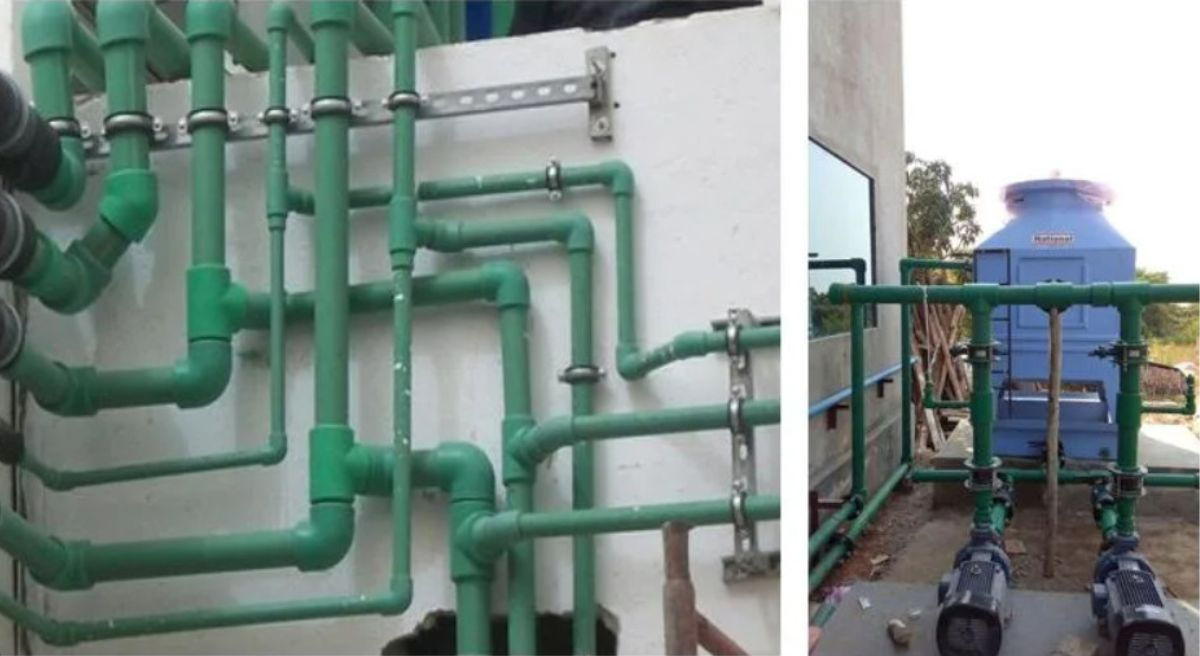
Wholesale plumbing kitchen sink water lines represent a critical component in residential and commercial plumbing infrastructure. These lines facilitate the delivery of potable water to kitchen sinks and the removal of wastewater. They comprise a diverse range of materials, including copper, PEX (cross-linked polyethylene), CPVC (chlorinated polyvinyl chloride), and stainless steel, each possessing unique characteristics influencing performance, longevity, and cost. The industry currently faces significant pressure to balance cost-effectiveness with compliance to increasingly stringent regulations concerning lead content, water purity, and environmental impact. Understanding the nuances of these materials and their installation protocols is paramount for ensuring reliable and safe water delivery systems. Core performance metrics include burst pressure, temperature resistance, corrosion resistance, and flow rate, all of which are vital considerations for wholesale buyers and plumbing professionals.
Material Science & Manufacturing
The material selection for kitchen sink water lines is dictated by a complex interplay of physical and chemical properties. Copper, historically dominant, boasts excellent corrosion resistance and antimicrobial properties due to the formation of a protective copper oxide layer. However, copper’s price volatility and susceptibility to certain water chemistries (e.g., low pH) present challenges. PEX, a thermoplastic, offers flexibility, freeze resistance, and lower material cost. PEX manufacturing typically involves a silane crosslinking process applied to polyethylene, enhancing its durability and temperature resistance. CPVC, a rigid thermoplastic, excels in hot water applications, offering resistance to chlorine and other disinfectants. Its production utilizes a chlorination process applied to PVC resin. Stainless steel, typically 304 or 316 grade, offers exceptional corrosion resistance and strength, but comes at a higher cost and requires specialized joining techniques.
Manufacturing processes vary significantly. Copper tubing is produced through drawing and annealing, ensuring dimensional accuracy and ductility. PEX tubing is manufactured via extrusion, followed by crosslinking. CPVC piping undergoes extrusion and calendaring. Stainless steel lines are produced using welding and forming processes. Critical parameters during manufacturing include wall thickness control (ensuring adequate burst pressure), dimensional consistency (facilitating proper fitting connections), and surface finish (minimizing internal friction and potential for biofilm formation). Quality control procedures include hydrostatic testing (evaluating burst strength), dimensional inspection (verifying compliance with standards), and material composition analysis (confirming adherence to specified chemical formulations).
Performance & Engineering
Performance of kitchen sink water lines is fundamentally governed by principles of fluid mechanics and material stress analysis. Burst pressure, determined by the material’s tensile strength and wall thickness, is a primary engineering consideration. Lines must withstand static and dynamic water pressures without failure. Temperature resistance dictates the maximum operating temperature for hot water lines; exceeding this limit can lead to material degradation and potential leaks. Corrosion resistance is crucial for long-term reliability; factors such as water pH, mineral content, and the presence of corrosive agents impact material longevity. Flow rate, affected by pipe diameter and internal surface roughness, determines the delivery speed of water to the sink.
Engineering considerations extend to installation practices. Proper support and anchoring minimize stress on the lines, preventing sagging and potential damage. Expansion and contraction due to temperature fluctuations must be accommodated to avoid stress buildup. Joints, whether soldered (copper), crimped (PEX), solvent-welded (CPVC), or welded (stainless steel), represent potential points of failure and require careful execution. Compliance with plumbing codes (e.g., Uniform Plumbing Code, International Plumbing Code) is mandatory, dictating material specifications, installation requirements, and testing procedures. Finite element analysis (FEA) is increasingly used to model stress distributions within the lines under various operating conditions, optimizing designs and identifying potential weaknesses.
Technical Specifications
| Material | Operating Temperature (°F) | Maximum Operating Pressure (PSI) | Corrosion Resistance |
|---|---|---|---|
| Copper (Type L) | -40 to 250 | 400 | Excellent (with proper water chemistry) |
| PEX (Cross-linked Polyethylene) | -67 to 200 | 100-160 | Good (resistant to many chemicals) |
| CPVC (Chlorinated Polyvinyl Chloride) | -40 to 200 | 400 | Excellent (resistant to chlorine) |
| Stainless Steel (304) | -328 to 650 | 600 | Exceptional (highly resistant to corrosion) |
| Stainless Steel (316) | -328 to 650 | 600 | Superior (enhanced resistance to chlorides) |
| PVC (Polyvinyl Chloride) | -40 to 140 | 400 | Good (limited temperature range) |
Failure Mode & Maintenance
Failure modes in kitchen sink water lines are diverse. Copper lines can experience pinhole leaks due to corrosion (especially galvanic corrosion when dissimilar metals are joined) and erosion. PEX lines can suffer from creep rupture under sustained pressure, particularly at elevated temperatures, and can be susceptible to UV degradation if exposed to sunlight. CPVC can become brittle over time due to thermal cycling and exposure to chlorine. Stainless steel, while highly resistant, can experience pitting corrosion in environments with high chloride concentrations. Common failure mechanisms include fatigue cracking (due to repeated pressure fluctuations), delamination (in composite materials), and oxidation (particularly in steel).
Preventive maintenance is crucial for extending service life. Regularly inspect exposed lines for signs of corrosion, leaks, or damage. Flush the lines periodically to remove sediment buildup. Water softener installation can mitigate corrosion issues in hard water areas. Properly insulate lines to prevent freezing in cold climates. For copper lines, ensure proper grounding to prevent galvanic corrosion. PEX lines should be shielded from direct sunlight. When repairing leaks, use compatible materials and follow proper joining procedures. Regularly test water quality to identify and address corrosive constituents. Consider hydrostatic testing periodically to verify system integrity.
Industry FAQ
Q: What is the impact of water hardness on the lifespan of copper water lines?
A: High water hardness leads to scale buildup within copper pipes, reducing flow rate and increasing the risk of corrosion. Scale acts as an insulator, promoting localized corrosion cells. Water softening is recommended in areas with high water hardness to extend the lifespan of copper lines.
Q: Can PEX be used for both hot and cold water lines?
A: Yes, but different PEX formulations are available. PEX-A is generally considered superior for hot water applications due to its enhanced flexibility and resistance to creep rupture at elevated temperatures. Ensure the PEX used is rated for the intended temperature range.
Q: What are the advantages of CPVC over PVC for hot water lines?
A: CPVC exhibits significantly higher temperature resistance than PVC. PVC softens and can fail at relatively low temperatures, making it unsuitable for hot water applications. CPVC maintains its structural integrity and pressure rating at higher temperatures.
Q: How does galvanic corrosion occur, and how can it be prevented in plumbing systems?
A: Galvanic corrosion occurs when dissimilar metals are in contact in the presence of an electrolyte (water). The more active metal corrodes preferentially. Prevention involves using dielectric unions to isolate dissimilar metals, applying protective coatings, or selecting compatible materials.
Q: What are the key considerations when selecting fittings for PEX tubing?
A: Ensure the fittings are specifically designed for PEX tubing and compatible with the PEX formulation being used. Select fittings that meet relevant standards (e.g., ASTM F1807). Use the appropriate crimping or expansion tools and follow manufacturer's instructions carefully to ensure a secure, leak-free connection.
Conclusion
The selection of appropriate wholesale plumbing kitchen sink water lines demands a comprehensive understanding of material science, manufacturing processes, performance characteristics, and potential failure modes. Copper, PEX, CPVC, and stainless steel each offer distinct advantages and disadvantages, dictating their suitability for specific applications. A robust lifecycle cost analysis, factoring in material cost, installation expenses, maintenance requirements, and expected service life, is essential for informed decision-making.
Looking ahead, advancements in materials science, such as the development of more durable and corrosion-resistant polymers, are poised to further refine water line technology. Increased focus on sustainability and water conservation will drive demand for lines with enhanced flow efficiency and reduced environmental impact. Adherence to evolving plumbing codes and industry standards will remain paramount for ensuring safe, reliable, and environmentally responsible water delivery systems.
-
DN25 HDPE Compression Fitting-HORON INTERNATIONAL|Reliable Irrigation Solutions
NewsFeb.11,2026
-
HDPE Pipe Sizes Service Performance Analysis
News2026-10-26
-
wholesale 15mm ppr pipe Material Science and Performance Analysis
News2026-10-20
-
wholesale pvc pipe price per foot Technical Analysis
News2026-09-21
-
wholesale long pvc pipe Technical Analysis and Manufacturing Specifications
News2026-09-15
-
wholesale plumbing kitchen sink water lines Material Performance
News2026-09-15
-
wholesale hdpe drip irrigation Material Science
News2026-09-15
-
wholesale hot water ppr pipe Performance Analysis
News2026-09-15
-
wholesale ppr plumbing Performance Analysis
News2026-09-15
-
wholesale ppr pipe supplier Performance Analysis
News2026-09-13
-
wholesale 50mm ppr pipe Performance Analysis
News2026-09-13
-
wholesale hdpe drip pipe Performance Analysis
News2026-09-13
-
wholesale hdpe pipe 63mm price Manufacturing Specification and Performance Analysis
News2026-09-13
-
wholesale hdpe pipe for potable water Manufacturing and Performance
News2026-09-13
-
wholesale pipe hdpe size Technical Analysis
News2026-09-12
-
wholesale coupler for hdpe pipe Performance Analysis
News2026-09-12