

Feb . 11, 2026 00:01 Back to list
wholesale hdpe pipe 63mm price Manufacturing Specification and Performance Analysis
Introduction
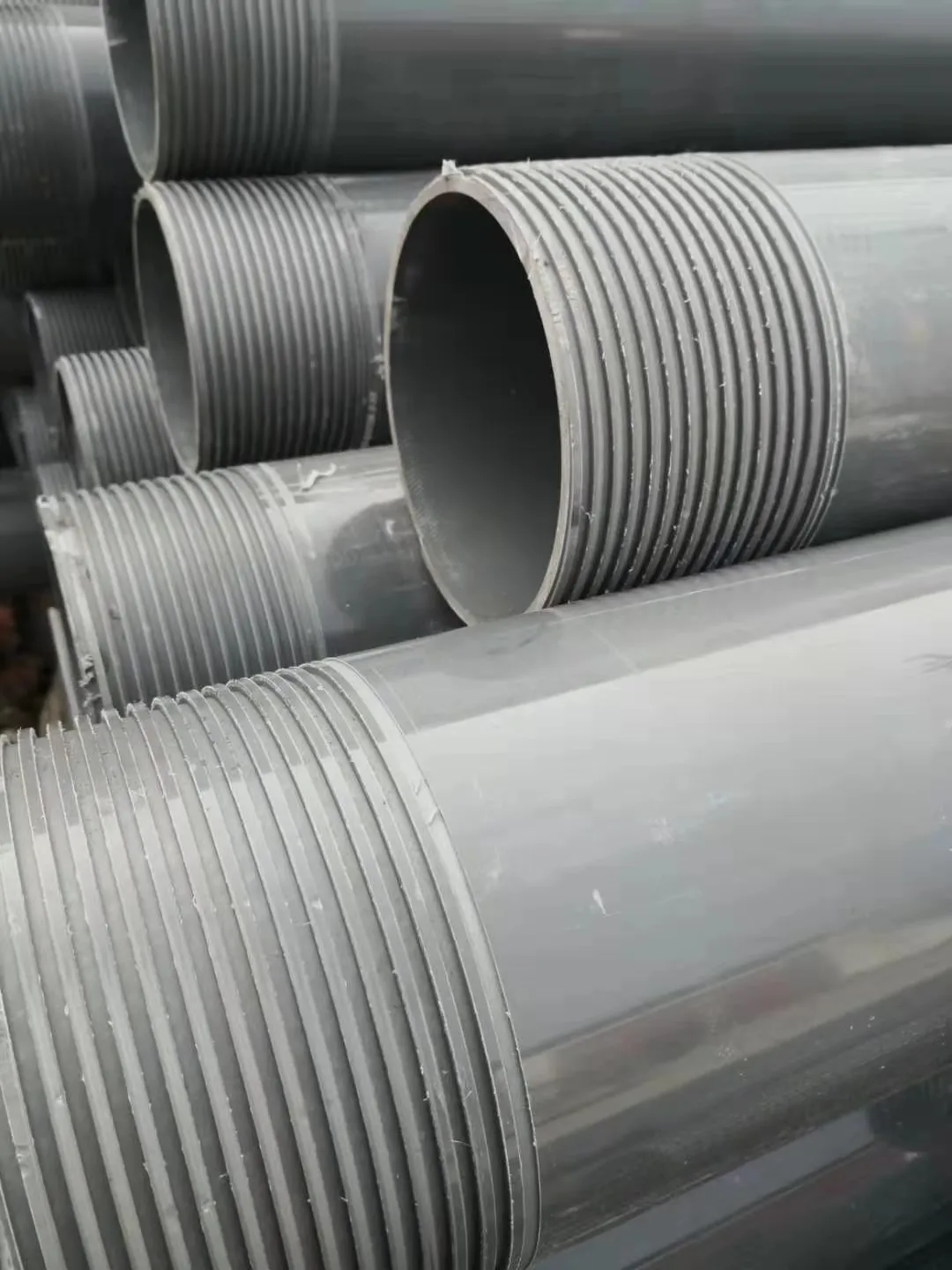
High-Density Polyethylene (HDPE) pipe, specifically the 63mm diameter variant, represents a critical component in numerous fluid and gas transport systems across diverse industries. Its wholesale pricing structure is influenced by polymer grade, manufacturing process, and quantity ordered. Within the industrial chain, HDPE pipe serves as a crucial intermediary between petrochemical feedstock production and end-user applications like water distribution, irrigation, gas transmission, and drainage systems. Core performance characteristics center around its exceptional chemical resistance, high strength-to-density ratio, and long-term durability, offering a cost-effective alternative to traditional metallic piping solutions. A major industry pain point revolves around consistently achieving uniform wall thickness and ensuring long-term hydrostatic strength, particularly in large-diameter pipe applications. Furthermore, accurate assessment of long-term creep resistance under sustained pressure is a key concern for engineers and procurement managers.
Material Science & Manufacturing
The foundation of 63mm HDPE pipe lies in the polymerization of ethylene, resulting in a semi-crystalline thermoplastic. The polyethylene resin used is typically a high-density grade (density > 0.941 g/cm³), categorized by melt flow index (MFI) which dictates processability and mechanical properties. Lower MFI values generally equate to higher molecular weight and improved impact resistance but may require higher processing temperatures. Manufacturing predominantly employs extrusion techniques. The process begins with the melting of HDPE pellets in an extruder, followed by forcing the molten polymer through a circular die of 63mm diameter. Critical parameters during extrusion include melt temperature (typically 180-210°C), die pressure, and cooling rate. Uneven cooling can lead to residual stresses and dimensional inconsistencies. Post-extrusion, pipes undergo sizing and calibration to achieve precise outer diameter and wall thickness. The polyethylene resin’s chemical properties are crucial; HDPE exhibits excellent resistance to acids, alkalis, and solvents, but prolonged exposure to oxidizing agents and UV radiation can induce degradation. The addition of carbon black (typically 2-5%) provides UV stabilization and improves resistance to stress cracking. The weldability of HDPE is also a key characteristic – butt fusion, socket fusion, and electrofusion are common joining methods, demanding precise temperature control and surface preparation to ensure joint integrity.
Performance & Engineering
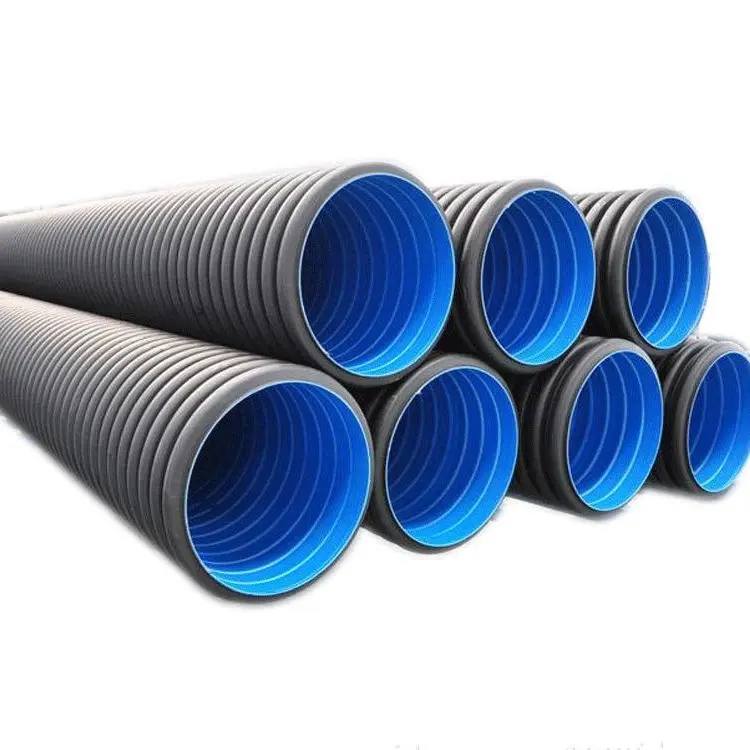
The performance of 63mm HDPE pipe is fundamentally governed by its mechanical and hydraulic properties. Hoop stress analysis, dictated by Barlow's formula (σ = PD/2t, where σ is hoop stress, P is internal pressure, D is outer diameter, and t is wall thickness), determines the pipe’s ability to withstand internal pressure without failure. Environmental factors play a significant role; temperature significantly influences HDPE’s mechanical properties, reducing tensile strength and increasing creep at elevated temperatures. Therefore, derating factors are applied in design calculations to account for operating temperature. Long-term hydrostatic strength (LTHS) is a critical parameter, predicting the pipe’s ability to withstand sustained internal pressure over a 50-year service life. This is assessed through hydrostatic stress cracking tests according to ISO 1167. Furthermore, soil loading and external stresses from traffic or burial depth must be considered, as these can induce longitudinal and bending stresses. Compliance requirements are extensive, encompassing standards for material purity (ensuring minimal leachates into conveyed fluids), pressure ratings (PN ratings defined by EN 1055), and dimensional tolerances (ISO 4427). The pipe’s flexibility also influences its suitability for specific applications; it can accommodate ground movement and seismic activity without fracturing, unlike rigid materials.
Technical Specifications
| Parameter | Unit | Typical Value (63mm HDPE Pipe) | Test Standard |
|---|---|---|---|
| Outer Diameter | mm | 63.0 ± 0.5 | ISO 4427 |
| Wall Thickness | mm | 2.3 - 4.4 (depending on SDR) | ISO 4427 |
| Specific Gravity | - | 0.941 - 0.965 | ASTM D792 |
| Melt Flow Index (MFI) | g/10min | 0.3 - 0.8 | ASTM D1238 |
| Hydrostatic Design Stress (HDS) | MPa | 8.0 - 12.5 (depending on PE grade) | ISO 1167 |
| Long Term Hydrostatic Strength (LTHS) | % of HDS | ≥80% at 50 years | ISO 1167 |
Failure Mode & Maintenance
Failure modes in 63mm HDPE pipe can be categorized into several types. Slow Crack Growth (SCG), induced by sustained tensile stress in conjunction with aggressive environments, is a common issue, particularly in areas with sharp bends or localized stress concentrations. Oxidation, resulting from prolonged exposure to elevated temperatures and oxygen, degrades the polymer matrix, reducing its strength and ductility. Fatigue cracking can occur under cyclic loading, such as in pump lines or areas subject to vibration. Joint failures are also prevalent, often stemming from inadequate surface preparation during welding or improper fusion parameters. Delamination can occur in multilayer pipes, particularly if the interface between layers is compromised. Maintenance primarily focuses on preventative measures. Regular visual inspections should be conducted to identify any signs of cracking, deformation, or discoloration. Pressure testing can verify the integrity of the pipeline. For minor leaks, heat fusion repair sleeves can be employed. In cases of significant damage or widespread SCG, pipe replacement is typically necessary. Correct backfilling procedures are critical to prevent external stress and ensure long-term performance. Avoid using sharp objects during installation that could puncture the pipe. Furthermore, proper UV protection is vital for exposed sections of pipe.
Industry FAQ
Q: What is the impact of differing SDR (Standard Dimension Ratio) values on the suitability of 63mm HDPE pipe for high-pressure applications?
A: SDR dictates the ratio of pipe outer diameter to wall thickness. A lower SDR value indicates a thicker wall and, consequently, a higher pressure rating. For high-pressure applications, selecting a lower SDR is crucial to ensure the pipe can withstand the internal pressure without exceeding its allowable stress limits. However, lower SDR pipes are generally more expensive.
Q: How does the presence of chlorine in potable water affect the long-term performance of HDPE pipes?
A: While HDPE exhibits excellent chemical resistance, prolonged exposure to high concentrations of chlorine can lead to oxidative degradation, albeit at a slow rate. The addition of carbon black mitigates this effect, but monitoring chlorine levels and considering alternative materials in highly chlorinated water systems may be prudent.
Q: What are the key considerations for butt fusion welding of 63mm HDPE pipe to ensure joint integrity?
A: Proper surface preparation is paramount – surfaces must be clean, dry, and free from contamination. Precise temperature control during the heating and cooling phases is essential, as is maintaining consistent fusion pressure and time. A qualified welder and adherence to established welding procedures (DVS 2207) are critical.
Q: What is the recommended burial depth for 63mm HDPE pipe to protect it from external loads and potential damage?
A: The recommended burial depth depends on factors such as soil type, traffic load, and local regulations. A minimum burial depth of 0.6 meters (2 feet) is generally recommended for areas with minimal traffic, while greater depths (1.0 meter or more) are required for areas with heavy traffic or potential for mechanical damage.
Q: How do you assess the risk of stress cracking in HDPE pipe used for transporting abrasive fluids containing sand or solids?
A: Abrasive fluids can induce localized stress concentrations, increasing the risk of stress cracking. Selecting a higher-grade HDPE material with improved stress cracking resistance, implementing filtration systems to remove abrasive particles, and minimizing flow velocity are crucial mitigation strategies. Regular inspections for signs of wear and tear are also essential.
Conclusion
The 63mm HDPE pipe stands as a versatile and robust solution for fluid and gas conveyance, offering a compelling combination of performance, durability, and cost-effectiveness. Its material properties, coupled with established manufacturing processes and stringent quality control measures, ensure reliable long-term operation across a wide range of applications. Understanding the interplay between material science, engineering principles, and industry standards is paramount for optimizing its performance and mitigating potential failure modes.
Future advancements in HDPE technology will likely focus on developing enhanced polymer formulations with improved stress cracking resistance and UV stability. Furthermore, advancements in non-destructive testing (NDT) methods will enable more accurate assessment of pipe integrity and predictive maintenance strategies. Continued adherence to evolving international standards and best practices will be critical to maintaining the reliability and longevity of HDPE pipeline systems.
-
DN25 HDPE Compression Fitting-HORON INTERNATIONAL|Reliable Irrigation Solutions
NewsFeb.11,2026
-
HDPE Pipe Sizes Service Performance Analysis
News2026-10-26
-
wholesale 15mm ppr pipe Material Science and Performance Analysis
News2026-10-20
-
wholesale pvc pipe price per foot Technical Analysis
News2026-09-21
-
wholesale long pvc pipe Technical Analysis and Manufacturing Specifications
News2026-09-15
-
wholesale plumbing kitchen sink water lines Material Performance
News2026-09-15
-
wholesale hdpe drip irrigation Material Science
News2026-09-15
-
wholesale hot water ppr pipe Performance Analysis
News2026-09-15
-
wholesale ppr plumbing Performance Analysis
News2026-09-15
-
wholesale ppr pipe supplier Performance Analysis
News2026-09-13
-
wholesale 50mm ppr pipe Performance Analysis
News2026-09-13
-
wholesale hdpe drip pipe Performance Analysis
News2026-09-13
-
wholesale hdpe pipe 63mm price Manufacturing Specification and Performance Analysis
News2026-09-13
-
wholesale hdpe pipe for potable water Manufacturing and Performance
News2026-09-13
-
wholesale pipe hdpe size Technical Analysis
News2026-09-12
-
wholesale coupler for hdpe pipe Performance Analysis
News2026-09-12