

Feb . 11, 2026 00:01 Back to list
wholesale pvc pipe price per foot Technical Analysis

Introduction
Polyvinyl Chloride (PVC) pipe represents a cornerstone material in modern infrastructure, utilized extensively in potable water distribution, irrigation, drainage, sewage, and industrial fluid transport. The wholesale price per foot of PVC pipe is a critical factor in project budgeting and economic feasibility, influenced by material costs (resin, plasticizers, stabilizers), manufacturing processes, pipe diameter, schedule (wall thickness), and market demand. This guide provides a comprehensive technical overview of PVC pipe, from material science and manufacturing to performance characteristics, potential failure modes, and relevant industry standards. Understanding these facets is essential for informed procurement decisions and ensuring long-term system reliability. PVC pipe’s dominance stems from its cost-effectiveness, corrosion resistance, lightweight nature, and ease of installation compared to traditional materials like metal. The pricing structure is further segmented by resin type (PVC, CPVC, UPVC), impacting temperature and pressure ratings, and ultimately influencing the application suitability and associated cost per foot. The industry is currently experiencing fluctuations due to raw material supply chain dynamics and evolving regulatory compliance requirements.
Material Science & Manufacturing
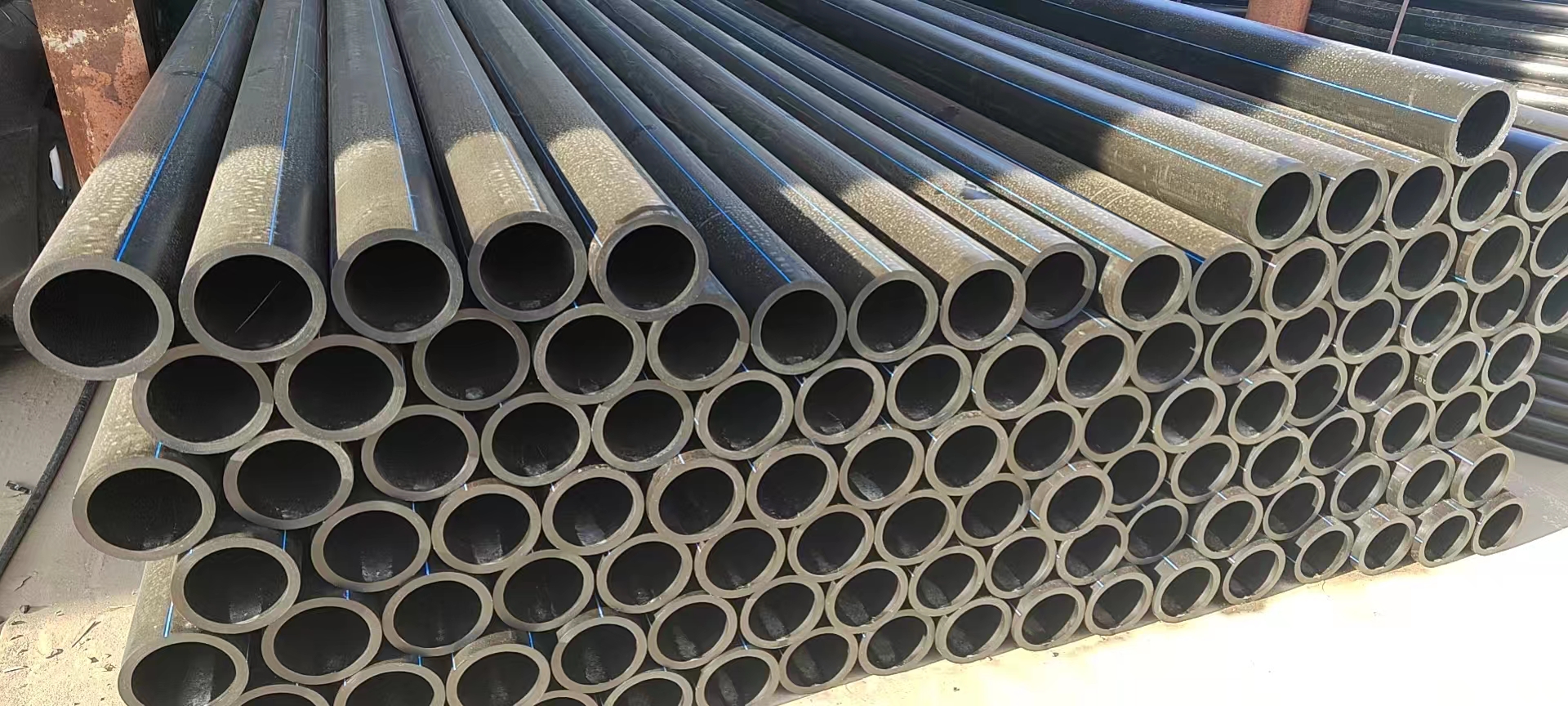
PVC is a thermoplastic polymer produced by the polymerization of vinyl chloride monomer (VCM). The resulting material, in its pure form, is rigid and brittle. Therefore, plasticizers, typically phthalates or adipates, are added to impart flexibility and impact resistance. Stabilizers, such as organotin compounds or calcium-zinc formulations, are crucial to prevent thermal degradation during processing and prolong service life. The quality and concentration of these additives significantly impact the pipe’s performance and longevity. Manufacturing typically involves extrusion, where PVC compound is melted and forced through a die to create a seamless pipe. Key parameters controlled during extrusion include melt temperature (180-220°C), screw speed, die pressure, and cooling rate. These parameters dictate the pipe’s dimensional accuracy, wall thickness uniformity, and surface finish. Different schedules (e.g., Schedule 40, Schedule 80) denote varying wall thicknesses, directly influencing pressure rating and cost. Socket welding or solvent cementing is commonly used for joining PVC pipes, relying on a chemical bonding process that requires proper surface preparation and adhesive application. The molecular weight distribution of the PVC resin also influences processing characteristics and final product properties. High molecular weight polymers generally offer improved toughness and chemical resistance.
Performance & Engineering
PVC pipe performance is governed by several critical engineering parameters. Tensile strength, typically ranging from 50-70 MPa, determines the pipe’s resistance to bursting under internal pressure. Flexural modulus, around 3-4 GPa, indicates stiffness and resistance to bending. Impact strength, measured using Izod or Charpy tests, assesses the pipe’s ability to withstand sudden shocks. Long-term hydrostatic strength is paramount, as PVC experiences creep (slow deformation under sustained stress) over time. This is often evaluated through hydrostatic stress testing at elevated temperatures (e.g., 23°C, 38°C, 50°C) to predict service life. Environmental resistance is a key consideration; PVC exhibits excellent resistance to acids, alkalis, and many chemicals, but can be affected by prolonged exposure to certain solvents and UV radiation. UV exposure causes degradation, leading to embrittlement and discoloration. Therefore, UV stabilizers are incorporated into the compound, and pipes are often protected with coatings or buried underground. Pressure derating factors must be applied based on fluid temperature and operating conditions. Compliance with pressure ratings specified by standards like ASTM D1785 is critical to prevent catastrophic failures. Thermal expansion and contraction are also important considerations during installation, requiring expansion joints or flexible couplings to accommodate dimensional changes.
Technical Specifications
| Parameter | Schedule 40 PVC | Schedule 80 PVC | CPVC (Schedule 80 Equivalent) |
|---|---|---|---|
| Pressure Rating (psi @ 73°F) | 400 | 600 | 400 |
| Temperature Rating (°F) | 140 | 140 | 200 |
| Tensile Strength (MPa) | 62 | 65 | 70 |
| Flexural Modulus (GPa) | 3.5 | 3.8 | 4.0 |
| Impact Strength (Izod Notched, J/m) | 80 | 90 | 100 |
| Coefficient of Linear Thermal Expansion (in/in/°F) | 6.0 x 10^-6 | 5.8 x 10^-6 | 5.5 x 10^-6 |
Failure Mode & Maintenance
PVC pipe failures can arise from several mechanisms. Hydrostatic failure occurs when internal pressure exceeds the pipe’s strength, leading to bursting. Cracking can result from excessive tensile stress, especially at joints or stress concentrations. Environmental stress cracking (ESC) is a common failure mode, induced by the combined action of tensile stress and aggressive chemicals. UV degradation causes embrittlement and surface cracking. Soil corrosion, particularly in aggressive soil environments, can lead to chemical attack and weakening of the pipe material. Poor installation practices, such as improper solvent cementing or insufficient bedding support, can contribute to joint failures and pipe deformation. Maintenance involves regular visual inspections for cracks, leaks, or discoloration. Pressure testing can verify system integrity. For minor cracks, repair sleeves or wraps can provide temporary solutions. Significant damage typically necessitates pipe replacement. Preventative measures include using high-quality PVC compounds, employing proper installation techniques, protecting pipes from UV exposure, and ensuring adequate soil support. Regular cleaning and flushing can prevent buildup of deposits that may contribute to corrosion or clogging. Periodic assessment of soil conditions is recommended in sensitive applications.
Industry FAQ
Q: What is the primary driver of fluctuations in wholesale PVC pipe prices?
A: The primary driver is the cost of raw materials, specifically vinyl chloride monomer (VCM), which is derived from ethylene and chlorine. Ethylene prices are directly tied to crude oil prices, making PVC prices sensitive to global energy markets. Supply chain disruptions, production capacity changes, and regional demand also play significant roles.
Q: How does CPVC differ from standard PVC in terms of application suitability?
A: CPVC (Chlorinated Polyvinyl Chloride) offers significantly higher temperature resistance – up to 200°F – compared to standard PVC, which is limited to around 140°F. This makes CPVC suitable for hot water distribution systems and industrial applications involving high-temperature fluids. CPVC generally has a slightly higher cost per foot.
Q: What are the long-term implications of using recycled PVC in pipe manufacturing?
A: Using recycled PVC can reduce environmental impact and lower production costs, but requires careful quality control. Recycled PVC may exhibit slightly reduced mechanical properties compared to virgin material. The amount and type of recycled content must be carefully managed to ensure the pipe meets relevant performance standards.
Q: What is the recommended bedding material for PVC pipe installations to prevent soil corrosion?
A: A granular bedding material, such as sand or gravel, is recommended. This provides uniform support and prevents direct contact between the pipe and potentially corrosive soil. The bedding material should be free of rocks, roots, or other debris that could damage the pipe.
Q: What is the role of ASTM D1785 in ensuring PVC pipe quality?
A: ASTM D1785 is a critical standard that specifies requirements for PVC pipe used in pressure applications. It covers dimensions, materials, performance characteristics, and testing procedures. Compliance with ASTM D1785 ensures that the pipe meets minimum quality standards and is suitable for its intended use.
Conclusion
The wholesale price per foot of PVC pipe is a function of complex interplay between material costs, manufacturing processes, and performance requirements. Understanding the underlying material science, engineering principles, and potential failure modes is crucial for making informed procurement decisions and ensuring the long-term reliability of PVC piping systems. Continued innovation in PVC formulations and manufacturing techniques will likely lead to enhanced performance characteristics and potentially more cost-effective solutions.
Looking ahead, the PVC pipe industry faces challenges related to sustainability, regulatory compliance, and evolving application demands. The development of bio-based plasticizers and improved recycling technologies are key areas of focus. Adherence to rigorous quality control standards and ongoing research will remain essential to maintain the industry's position as a cornerstone of infrastructure development.
-
DN25 HDPE Compression Fitting-HORON INTERNATIONAL|Reliable Irrigation Solutions
NewsFeb.11,2026
-
HDPE Pipe Sizes Service Performance Analysis
News2026-10-26
-
wholesale 15mm ppr pipe Material Science and Performance Analysis
News2026-10-20
-
wholesale pvc pipe price per foot Technical Analysis
News2026-09-21
-
wholesale long pvc pipe Technical Analysis and Manufacturing Specifications
News2026-09-15
-
wholesale plumbing kitchen sink water lines Material Performance
News2026-09-15
-
wholesale hdpe drip irrigation Material Science
News2026-09-15
-
wholesale hot water ppr pipe Performance Analysis
News2026-09-15
-
wholesale ppr plumbing Performance Analysis
News2026-09-15
-
wholesale ppr pipe supplier Performance Analysis
News2026-09-13
-
wholesale 50mm ppr pipe Performance Analysis
News2026-09-13
-
wholesale hdpe drip pipe Performance Analysis
News2026-09-13
-
wholesale hdpe pipe 63mm price Manufacturing Specification and Performance Analysis
News2026-09-13
-
wholesale hdpe pipe for potable water Manufacturing and Performance
News2026-09-13
-
wholesale pipe hdpe size Technical Analysis
News2026-09-12
-
wholesale coupler for hdpe pipe Performance Analysis
News2026-09-12