
Featured News
blog
DN50 HDPE pipes in coils
Thermal and Chemical Resilience: Advanced Tubing Solutions for Extreme Environments

Optimizing Heat Exchanger and High-Pressure Performance

Sourcing a titanium seamless tube Product is essential for industrial processes operating at the limits of temperature and chemical aggression. In nuclear power generation, aerospace infrastructure, and advanced chemical synthesis, heat exchangers and pressure vessels are subjected to blistering heat and highly reactive fluids. Traditional metal tubing can experience thermal fatigue, scaling, and rapid metal loss under these conditions. Consequently, engineers rely on titanium and specialized nickel-based superalloys that maintain structural rigidity, high creep resistance, and zero oxidation at elevated operational thresholds.

The Metallurgical Advantages of Seamless Construction

In high-pressure fluid systems, the manufacturing method of the tube is just as important as its chemical composition. Welded tubes feature a longitudinal seam that can act as a potential stress concentration point or a site for preferential corrosion attack. In contrast, seamless tubes—manufactured through rigorous extrusion or piercing processes—provide a uniform cross-section with consistent mechanical properties throughout the entire wall thickness. This seamless architecture ensures that internal pressures are distributed evenly, drastically reducing the risk of catastrophic burst failures in critical industrial loops.

galvanised carbon steel pipe

Navigating Material Availability and Custom Specifications

Procuring exotic metal tubes and solid bars often presents significant logistical hurdles due to long mill production cycles and strict minimum order requirements. To maintain construction schedules, industrial operators depend on a specialized metal material distributor capable of supplying real-time stock across a diverse portfolio—from titanium and Hastelloy to specialty alloy steels. Partnering with a high-quality provider that maintains comprehensive inventories empowers engineering teams to acquire exact material grades tailored to unique project requirements, ensuring uncompromised safety and operational continuity.

...
DN50 HDPE pipes in coils
Enhancing Piping System Integrity: Advanced Assembly and Structural Fastening Dynamics

20531750404348-4931.png

When installing through bolt anchors, modern piping engineers face the dual challenge of ensuring immense structural stability while maintaining rapid assembly speeds across vast industrial networks. The architecture of fluid transport systems and heavy-duty pipe networks heavily depends on how these supporting structures are bonded, anchored, and secured against constant operational vibrations and thermal expansion.

The Critical Role of Precision Anchorage in Piping Networks

Industrial piping systems, whether utilized in petrochemical processing, water treatment, or structural scaffolding, require uncompromising foundational support. A slight deviation in structural integrity can lead to catastrophic pressure drops or systemic failures. Modern installations are shifting away from rigid, permanent welding toward advanced mechanical bonding techniques that allow for modular expansion and easier maintenance. This evolution heavily relies on precision-engineered components sourced from a premium manufacturer, ensuring that tensile strength tolerances remain strictly within ±5% under heavy load.

Addressing Thin-Walled Tube Assembly: The Flush Fit Solution

A frequent challenge in pipeline support construction is the assembly of thin-walled tubes and sheet metal (ranging from 0.5mm to 6.0mm in thickness) used in brackets, conduit boxes, and housing enclosures. Traditional welding in these scenarios often causes material warping, leaves protruding slag, and demands extensive post-weld cleaning.

To overcome this, engineers are increasingly integrating the flat head hex socket cap screw into non-structural load-bearing connections. By integrating a hexagonal drive with a countersunk head, this fastener provides a reliable interface for hex keys, allowing technicians to apply significant torque without stripping the head. More importantly, the flat surface remains completely smooth and depression-free. When pipes are layered or insulated, avoiding protruding fastener heads is essential to prevent the tearing of insulation wraps or protective sleeves.

Comparative Efficiency: Mechanical Bonding vs. Traditional Welding

When deciding between modern flush-fitting socket cap screws and traditional welded assemblies, the difference in efficiency and structural weight is stark. Traditional welding requires specialized heavy equipment and introduces heat-affected zones that can weaken metal tubes. Conversely, mechanical fastening allows for a one-step riveting or screwing process that is highly conducive to automated production lines.

Installation can be completed rapidly using pneumatic tools, which not only increases operational convenience but also results in a noise-free environment compared to heavy industrial hammering. For pipeline maintenance crews operating in tight trenches or suspended platforms, utilizing a metal screw sleeve alongside precision flat-head components significantly reduces the labor hours per unit, proving invaluable where every second counts.

Sustainable Supply Chain Strategies for Industrial Construction

Maintaining a steady construction pace requires avoiding delivery delays and quality anxiety. Projects that source components directly from an advanced supplier with immense economies of scale—often maintaining over 2000 standard specifications in stock—can bypass the volatile market fluctuations of raw materials. This streamlined approach to procurement ensures that high-quality, ISO 9001-certified fasteners are always available, maximizing both fastening efficiency and overall project profitability.


...
DN50 HDPE pipes in coils
Integrating Flexible Fluid Solutions with Rigid Industrial Piping Systems

1-2983.png

Specifying a safe pvc chemical hose in an industrial setting is a task that requires rigorous engineering oversight. While rigid steel, copper, and heavy-duty PVC piping form the primary arteries of any large-scale industrial fluid system, they inherently lack the dynamic flexibility required to handle mechanical vibration, thermal expansion, and complex directional routing. The seamless integration of flexible conduits into rigid piping architectures is a critical discipline in modern facility engineering, impacting everything from petrochemical processing to commercial water treatment plants.

The Engineering Challenge of Thermal Expansion

One of the most persistent challenges in industrial piping is thermal expansion and contraction. When fluids of varying temperatures flow through rigid pipes, the materials expand or shrink. Over time, this microscopic movement places immense stress on joints, flanges, and welding points. By strategically integrating highly engineered flexible hoses at critical junctions, facility managers can effectively absorb these kinetic stresses.

This is particularly evident in extreme environments. Similar to the technology used in cryogenic fluid transfer—where multi-layered, vacuum-insulated hoses are deployed to prevent thermal shock and evaporation—industrial piping systems utilize specialized flexible joints to manage temperature extremes. Without these flexible buffers, the rigid structural integrity of the entire piping network would be compromised.

Dimensional Accuracy and System Compatibility

A primary cause of fluid system failure is poor integration at the connection points between rigid and flexible components. Precision is paramount. For example, utilizing an exact 32mm pvc hose to match corresponding industrial pipe fittings ensures a seamless, turbulent-free transition for the fluid. When dimensions are mismatched even slightly, it creates micro-cavities that can lead to pressure drops, sediment accumulation, and eventual seal failure.

Top-tier industrial contractors are highly meticulous about these specifications when sourcing materials. They look for advanced suppliers who can guarantee strict tolerance levels in their manufacturing processes. Whether dealing with high-pressure hydraulic oils or abrasive slurries, the internal diameter (ID) and outer diameter (OD) specifications must align perfectly with standard industrial pipe thread (NPT) or flange standards.

Chemical Compatibility and Material Degradation

Industrial piping systems frequently transport highly reactive substances. While rigid stainless steel pipes offer excellent chemical resistance, the flexible connectors linking them must meet the exact same standard. Utilizing standard commercial rubber for industrial solvent transfer is a catastrophic error.

Fluid TypePrimary Risk FactorOptimal Flexible Material Solution
Strong Acids / AlkalisInternal corrosion and thinningThermoplastic with specialized chemical resistant linings
Petroleum / OilsSwelling and structural breakdownNitrile (Buna-N) inner core construction
High-Temperature SteamBursting and thermal degradationSteel-wire braided high-temp polymers

Optimizing Supply Chain and Procurement

The efficiency of a large-scale piping installation is heavily reliant on supply chain logistics. When project managers evaluate various piping components and flexible assemblies for sale, they must consider not only the upfront unit cost but the long-term operational lifespan. Selecting a premium manufacturer over lower-tier alternatives significantly reduces the Total Cost of Ownership (TCO). A robust fluid system requires fewer maintenance shutdowns, experiences fewer catastrophic leaks, and ultimately ensures the safety of the facility's workforce. Proper integration of these flexible and rigid systems remains a hallmark of world-class industrial engineering.


...
DN50 HDPE pipes in coils
Structural Foundations for Heavy-Duty Industrial Piping and Fluid Distribution Systems
Structural Foundations for Heavy-Duty Industrial Piping Systems

7_2024062514260024571.png

Pouring a flawless 2nd floor concrete slab is the critical first step in establishing a multi-level fluid distribution center. In the complex world of modern industrial engineering, piping systems are the vital, pulsating arteries of manufacturing plants, petrochemical refineries, pharmaceutical production facilities, and large-scale municipal water treatment centers. However, while much attention is paid to the metallurgy and flow dynamics of the pipes themselves, the structural infrastructure required to physically support these massive networks is frequently overlooked in broader industry discussions. Heavy-duty industrial pipes, especially when filled with dense fluids under extreme high pressure, exert tremendous static and dynamic loads on a building's concrete framework.

The Hidden Weight of Fluid Distribution Networks

When leading industrial pipe suppliers configure complex, multi-tiered distribution networks, they must work closely with structural engineers to ensure the facility can handle the immense weight. A massive overhead network of stainless steel, carbon steel, or high-density polymer industrial pipes suspended across multiple floors requires a meticulously designed grid of concrete beams, walls, and columns. The sheer mass of the piping infrastructure is staggering, but the true engineering challenge lies in calculating the operational weight—the weight of the pipes when fully loaded with industrial fluids, which can be exponentially heavier than the empty conduits.

If the structural integrity of these concrete supports is compromised even slightly, the resulting micro-shifts can cause catastrophic misalignments. A concrete floor that deflects by just a few millimeters under load can induce severe stress on rigid pipe joints, leading to micro-fractures, pressure drops, toxic leaks, or complete system blowouts. In a high-pressure industrial environment, structural rigidity is synonymous with operational safety.

Hydrostatic Pressure, Water Hammer, and Dynamic Stress

The design of these facilities must account for more than just dead weight. The premium, high-grade pipes currently for sale in the industrial market are designed to handle intense internal dynamics, and the building supporting them must be equally resilient. Engineers must account for dynamic forces generated by fluid mechanics, most notably the "water hammer" effect—a massive pressure surge caused when a fluid in motion is forced to stop or change direction suddenly by a closing valve. This generates a violent shockwave that transfers directly from the pipe, through the mounting brackets, and into the concrete structure.

Thermal expansion and contraction present another significant challenge. Pipes carrying superheated steam or cryogenic fluids will physically expand and contract, exerting tremendous lateral forces on the building's columns and slabs. Furthermore, the constant, low-frequency vibration from massive industrial pumps runs continuously through the concrete skeleton. To survive these relentless forces, the concrete frameworks of these facilities must be poured to exacting tolerances, ensuring perfect verticality in load-bearing columns and absolute flatness in horizontal spans.

The Catastrophic Cost of Micro-Deflections

In facilities where multi-story piping networks are installed, vertical structural columns play a pivotal role in transferring massive upper-level loads safely down to the foundation. The ultimate quality and compressive strength of these concrete columns are directly dictated by the precision of the equipment used to mold them during the construction phase. Concrete is essentially a liquid when poured, exerting immense hydrostatic pressure outward. Any deviation, blowout, or bulging in the mold during the concrete curing process alters the geometry of the column, which dramatically weakens its load-bearing capacity.

Achieving perfectly plumb and highly resilient concrete columns requires specialized construction technology. It is not merely a matter of pouring concrete into a wooden box; it is an exact science of containing and shaping immense outward pressure with absolute dimensional stability until the composite material achieves its required strength.

Advanced Concrete Molding Techniques for Pillar Stability

To meet these stringent structural demands, premium construction engineering teams rely on highly specialized, heavily engineered formwork equipment. Understanding the engineering behind various types of column formwork is essential for erecting the incredibly strong, defect-free pillars needed in modern industrial piping plants. Advanced systems, such as new steel timber replacements, robust beam clamps, column formwork reinforcements, and integrated clamping technologies, provide the unyielding rigid containment necessary to produce flawless structural columns.

By utilizing high-efficiency, galvanised steel formwork systems from an advanced supplier, construction enterprises can ensure that the concrete maintains its exact intended dimensions without any structural bulging or misalignment during the critical curing phase. These modern, high-turnover materials not only drastically reduce energy consumption and labor costs for the builder but also deliver a pristine, high-strength concrete framework. For the industrial piping sector, leveraging this tier of construction technology guarantees a rock-solid foundation, ensuring that complex, highly pressurized, multi-level piping networks can operate safely, efficiently, and leak-free for the entire lifespan of the facility.


...
DN50 HDPE pipes in coils
High-Pressure Energy Piping: Clad Steel Metallurgical Integrity

To build safe energy systems, a certified carbon steel seamless pipe manufacturer is essential for sour service oil and gas transport. As energy extraction moves into deeper offshore fields and higher-pressure refinery environments, conventional single-material steel pipes face severe operational threats from internal hydrogen sulfide pitting, chemical abrasion, and mechanical fatigue. Engineers must select advanced composite piping solutions that combine structural strength with specialized corrosion resistance to prevent environmental contamination and costly pipeline failures.


images.jpg


Metallurgical Bonding Mechanics in Bimetallic Clad Steel

Bimetallic clad steel pipes represent a metallurgical synthesis engineered to optimize strength and corrosion resistance. The design utilizes a heavy-wall carbon steel outer pipe to bear structural load and high hoop stress, mechanically or metallurgically bonded with a corrosion-resistant alloy (CRA) inner liner—such as 304 stainless steel, duplex steel, or Inconel alloys.

Process technologies like arc additive manufacturing, laser cladding, and hydraulic expansion ensure a continuous, defect-free metallic interface. This dual-layer construction provides exceptional resistance against corrosive acidic media, wet H2S cracking, and high-velocity fluid erosion without incurring the prohibitive cost of solid alloy piping.

Pressure Boundary Integrity in Thick-Wall Components

High-pressure fluid transport lines operate under extreme hydraulic surges, severe thermal gradients, and cyclic mechanical strain. Pressure piping components—including forged elbows, heavy-wall tees, and large-diameter reducers—must be manufactured using precision intermediate frequency induction heating and heavy hydraulic pressing to prevent wall thinning or localized stress concentration.

Heat treatment accuracy is vital for restoring grain structure and relieving residual stress in high-yield X-grade steels. Rapid water-quenching systems with strict temperature control ensure uniform hardness and toughness across thick wall profiles, guaranteeing zero-defect performance in field welding operations.

Supply Chain Excellence in Energy Infrastructure

Executing offshore platform projects and cross-country pipeline networks on schedule requires rigorous quality management systems and comprehensive non-destructive testing (NDT) capabilities. Major energy conglomerates collaborate with a premium manufacturer to procure certified pressure components that satisfy international API 5L, ASTM, and PED standards.

Procuring heavy-duty fittings from a high-capacity pipe fittings factory ensures that large-diameter manifolds and bimetallic junctions achieve perfect dimensional alignment during field fitting. Working alongside an advanced supplier guarantees full metallurgical traceability and zero-defect quality control across global supply chains.

Sustainable Infrastructure and Lifecycle Value

Deploying advanced clad steel pipes and high-integrity pressure fittings significantly extends pipeline operational lifespans while minimizing maintenance interventions. Investing in engineered metallurgical solutions lowers long-term capital expenditure, ensuring safe, continuous fluid transportation across critical global energy assets.

...
DN50 HDPE pipes in coils
Next-Generation Fluid Transport: Enhancing Piping Infrastructure with Advanced Composites

3-8931.png

Low grp grating weight significantly reduces the structural load on massive industrial piping networks, revolutionizing how we design modern fluid transportation facilities. In the complex world of industrial piping, the focus is predominantly on the pipes themselves—their pressure ratings, flow dynamics, and material compositions. However, the true resilience of a fluid transportation network lies equally in the infrastructure that supports, surrounds, and interacts with it. From the walkways that allow maintenance crews to inspect valves, to the fluid buffering systems integrated into the network, structural integrity is paramount.

The Hidden Threat of Structural Corrosion in Piping Systems

Industrial piping systems frequently transport highly corrosive fluids, ranging from acidic chemical compounds to saline wastewater. Despite using advanced alloys or specialized polymers for the pipes, the surrounding infrastructure is often constructed from traditional carbon steel or aluminum. When microscopic leaks occur, or when condensation forms on the exterior of cold pipes in humid environments, this moisture drips onto the supporting walkways and platforms. Over time, this leads to severe structural degradation.

This structural vulnerability poses a massive safety risk and drastically increases maintenance overhead. To counteract this, forward-thinking engineers are turning to Glass-Reinforced Plastic (GRP) and Fiberglass Reinforced Plastic (FRP) composites for the surrounding infrastructure. Unlike steel, these advanced composites are entirely immune to rust and chemical corrosion. They maintain their structural integrity even when constantly exposed to harsh chemical vapors or direct spills from the piping network above.

Optimizing Installation and Maintenance Dynamics

The installation of extensive piping networks in offshore rigs, chemical processing plants, or municipal water treatment facilities is a logistical challenge. Heavy lifting equipment is required not just for the massive pipes, but traditionally for the steel support structures and walkways as well. By transitioning to advanced composite materials, construction teams can drastically reduce the logistical burden. The high strength-to-weight ratio of composite gratings and supports means that installation can often be completed with lighter machinery and smaller crews, accelerating project timelines and reducing overall construction risks.

Furthermore, maintenance accessibility is vastly improved. When evaluating premium infrastructure solutions for sale, facility managers prioritize systems that do not require continuous painting, sandblasting, or rust-proofing. Composite walkways ensure that maintenance personnel can safely access high-elevation pipe racks and complex valve manifolds for decades without worrying about structural failure underfoot.

Integrating Fluid Buffering and Storage

A comprehensive fluid transportation network is rarely a continuous, closed loop without buffering nodes. Managing pressure surges, regulating flow rates, and providing emergency reserves are critical functions within the system. Therefore, the integration of reliable storage nodes is essential. For mid-scale fluid buffering, implementing a highly durable square water tank 1000 ltr offers a highly efficient spatial footprint compared to traditional cylindrical designs.

These modular storage solutions, particularly when manufactured from high-grade FRP, provide an impermeable, contamination-free environment for process fluids. They fit seamlessly into tight structural grids alongside the piping networks, providing localized fluid reserves without demanding excessive floor space. The modularity of these systems allows for rapid expansion as the fluid transportation needs of the facility grow.

Choosing the Right Supply Chain Partners

The reliability of an industrial piping project is directly tied to the quality of its components. Procuring structural supports, walkways, and storage units requires vetting advanced suppliers who adhere to strict international manufacturing standards. A high-quality provider ensures that every composite element exhibits consistent load-bearing capacities and precise dimensional tolerances.

As industrial fluid transportation continues to demand higher safety margins and longer operational lifespans, the synergy between the primary piping and the supporting composite infrastructure will become the industry standard. By investing in resilient, lightweight, and corrosion-resistant support networks, engineers can guarantee that their piping systems will flow uninterrupted for generations.


...
DN50 HDPE pipes in coils
Material Synergy in Marine and Industrial Piping Infrastructure

When specifying a b62 ball valve, piping engineers must carefully consider the metallurgical compatibility of the entire fluid transport system. In harsh marine environments and chemical processing facilities, the integrity of a pipeline is only as strong as its most vulnerable junction. Bronze alloys like B62 are highly prized for their exceptional resistance to seawater corrosion, making them indispensable in complex piping networks where reliability is critical.

0e5d1299-9c83-4de2-b810-1885fd6a991e.png

The Threat of Galvanic Corrosion in Pipelines

A frequent challenge in large-scale piping systems is galvanic corrosion, which occurs when dissimilar metals are coupled in the presence of an electrolyte, such as salt water or industrial brine. Pipeline designers must select materials that sit closely together on the galvanic series. Matching bronze valves with copper-nickel pipework, for instance, significantly mitigates the risk of rapid anodic dissolution, thereby extending the operational lifespan of the entire infrastructure.

Isolating Corrosive Media Efficiently

Beyond material selection, the mechanical design of isolation components plays a pivotal role. When managing slurries or highly abrasive fluids, traditional sealing mechanisms can deteriorate rapidly. In these scenarios, integrating a diaphragm gate valve offers a sophisticated solution. By utilizing a flexible membrane to isolate the mechanical actuation components from the corrosive media, the risk of cross-contamination and external leakage is virtually eliminated.

Ultimately, modern pipeline architecture demands a holistic approach. By sourcing components from a premium manufacturer committed to rigorous international standards (such as ASME and API), facility operators can ensure seamless integration, minimize maintenance-induced downtime, and maintain uncompromising safety across all fluid transport operations.

...
DN50 HDPE pipes in coils
Next-Generation Pipeline Engineering: Material Metallurgy and High-Pressure Connection Protocols

22088_1-8-20251218055307-20260605223903_png.png

Consulting an ODM seamless carbon steel pipe pricelist provides senior procurement engineers with the fundamental baseline data required to construct extreme-pressure hydrocarbon transport systems. The beating heart of any major industrial facility—whether it is a sprawling petrochemical refinery, a next-generation nuclear power plant, or an ultra-deep-water offshore drilling platform—is its complex pipeline architecture. The continuous evolution of global pipeline engineering is driven by a relentless, uncompromising industrial demand for higher hydrostatic pressure tolerances, extreme high-temperature resilience, and absolute, fail-safe environmental containment.

The Superiority of Seamless Pipe Metallurgy

When designing pipelines for mission-critical applications, the choice of raw material is the most vital decision an engineer will make. Unlike standard welded pipes (ERW or SAW), which are rolled from steel plates and fused, a seamless carbon steel pipe is extruded from a solid, super-heated billet of steel. This manufacturing process results in a perfectly homogeneous metallurgical microstructure with no longitudinal weld seam.

In the realm of fluid dynamics, a weld seam represents a potential vulnerability—a microscopic zone where stress concentration, preferential galvanic corrosion, and high-pressure ruptures are statistically most likely to occur. By utilizing seamless pipes, engineers essentially eliminate this weak point, unlocking unparalleled hoop strength and allowing the pipeline to safely transport volatile chemical compounds and super-heated steam at staggering pressures.

Validating Integrity: International Certifications

In the heavy industrial sector, a pipe's physical appearance is meaningless without exhaustive metallurgical validation. Engineers demand total traceability. For international projects, particularly those spanning European borders, sourcing a ce certification seamless carbon steel pipe is a strict legal and engineering requirement. The CE mark, alongside API 5L or ASTM A106 certifications, guarantees that the steel has undergone brutal Non-Destructive Testing (NDT), including ultrasonic flaw detection and hydrostatic pressure testing. This certification proves that the steel's carbon equivalent and yield strength can survive the most hostile industrial environments on earth.

The Flange Debate: Threaded vs. Welded High-Pressure Joints

Even the strongest seamless pipe is useless without reliable connection points. A persistent engineering debate surrounds the appropriate use of threaded flanges in high-pressure scenarios. Threaded flanges are immensely popular because they facilitate rapid, cold-installation, eliminating the need for expensive and hazardous welding operations. They are highly effective for low-vibration utility networks, compressed air lines, and static hydraulic systems.

However, an engineer must respect the laws of physics. Under conditions of severe thermal cycling (frequent massive temperature shifts) or heavy cyclic loading from reciprocating compressors, threaded joints present severe risks. The internal threads create sharp V-notches that act as extreme stress concentrators. Continuous mechanical vibration will inevitably initiate microscopic fatigue cracks at the thread root, eventually leading to catastrophic thread shear and high-pressure blowouts. For hazardous, severe-service pipelines, engineers universally specify heavily reinforced welded connections—such as weld-neck or heavy-wall socket-welded fittings—to ensure the joint is as strong as the seamless pipe itself.

Strategic Supply Chain Integration

Building a multi-kilometer industrial pipeline requires massive capital investment and flawless logistics. When reviewing the vast quantities of industrial steel currently for sale, EPC (Engineering, Procurement, and Construction) firms must look for long-term value. Partnering with established, internationally recognized Suppliers is critical. An advanced supplier acts as a one-stop-shop, providing not just the seamless pipes, but the exact matching alloy flanges, heavily engineered elbows, and forged fittings required to complete the network. This holistic approach to procurement guarantees perfect metallurgical compatibility across the entire system, ensuring decades of safe, uninterrupted, and highly profitable industrial operation.


...
DN50 HDPE pipes in coils
The Synergy of Modern Piping Systems and Structural Metal Supports in Infrastructure

11-933_png.png

A sturdy square tube post is fundamentally critical when designing the support frameworks for large-scale piping and fluid transportation systems. In modern infrastructure and heavy industrial applications, the performance of a piping network does not solely rely on the quality of the pipes themselves, but equally on the structural integrity of the surrounding support mechanisms, protective barriers, and anchoring systems. As an industry analyst monitoring structural materials, it is evident that the seamless integration of advanced metallurgical products and piping networks is reshaping urban engineering and industrial facility safety.

Structural Foundations: Beyond the Pipes

When engineering chemical plants, water treatment facilities, or energy distribution networks, pipes are subjected to immense dynamic loads, thermal expansion, and environmental degradation. To mitigate these stresses, rigid frameworks are constructed around the pipe routes. These frameworks typically utilize high-tensile steel components, ensuring that the heavy pipes remain securely aligned regardless of ground shifts or internal pressure fluctuations. Premium manufacturers now focus on providing pre-galvanized or powder-coated structural supports that match the lifespan of the advanced polymer or alloy pipes they hold, thereby significantly reducing lifetime maintenance costs.

The Role of Reinforcement and Safety Barriers

Beyond direct support, the environments housing critical piping systems require rigorous perimeter protection and structural reinforcement. Trenches and underground concrete conduits often rely on high-grade welded mesh panels to reinforce the concrete matrices encasing the pipes. This prevents micro-cracking and eventual subsidence, which are the primary causes of underground pipe failures. In above-ground scenarios, industrial safety barriers fabricated from precision-welded steel ensure that machinery and transport vehicles do not accidentally impact sensitive fluid handling equipment.

Advanced Supply Chain Integration

The reliability of these integrated systems stems from a highly sophisticated supply chain. Sourcing foundational materials like specialized black anneal wire—which is extensively used for secure tying and binding in structural reinforcement—requires partnering with advanced suppliers who operate under stringent ISO 9001 and IATF16949 quality control systems. A high-quality provider does not merely export goods; they utilize front-end technologies such as automated welding robots and precision tooling to guarantee dimensional stability. This level of manufacturing capability, particularly from comprehensive hubs located near major global ports, ensures that complex infrastructure projects receive weather-resistant, fully certified materials on time, ultimately safeguarding the entire piping network.


...
DN50 HDPE pipes in coils
Bridging Rigid Piping and Flexible Fluid Conveyance in Industrial Networks

Deploying a precision custom chemical hose is a critical engineering strategy for resolving material compatibility bottlenecks in complex piping networks. While rigid steel, PVC, or copper pipes form the backbone of industrial fluid transport, they are inherently vulnerable to mechanical vibration, thermal expansion, and seismic shifts. Integrating flexible conveyance solutions is essential for maintaining a resilient and leak-free system.

Material Compatibility in Aggressive Media Transfer

In chemical processing and petrochemical refining, piping systems must handle highly corrosive acids, bases, and aromatic solvents. Rigid pipes often require expensive exotic alloys to resist corrosion. However, connecting these rigid segments to moving machinery—such as industrial pumps, mixing vats, or dispensing arms—requires highly engineered flexible conduits.

Advanced flexible lines utilize ultra-high molecular weight polyethylene (UHMWPE) or PTFE linings to achieve near-universal chemical resistance. This ensures that aggressive media can be transferred safely without leaching compounds into the fluid or degrading the structural integrity of the line, thereby protecting the broader piping infrastructure.

Specialized Gas Conveyance and Vibration Attenuation

Beyond liquid transfer, flexible connections play a vital role in isolating high-frequency vibrations generated by compressors and heavy fabrication equipment. In metalworking and large-scale manufacturing, the safe delivery of pressurized industrial gases requires robust, color-coded, and flame-resistant pathways.

For example, integrating a standardized oem welding hose into a fabrication plant's gas distribution network ensures safe, twin-line delivery of oxygen and acetylene to the point of use. Partnering with an advanced supplier for these critical flexible components guarantees that the entire piping system remains compliant with stringent industrial safety codes while accommodating the dynamic physical movements of the factory floor.

...
Our Latest Projects
ABOUT USABOUT US
ABOUT US

HORON INTERNATIONAL

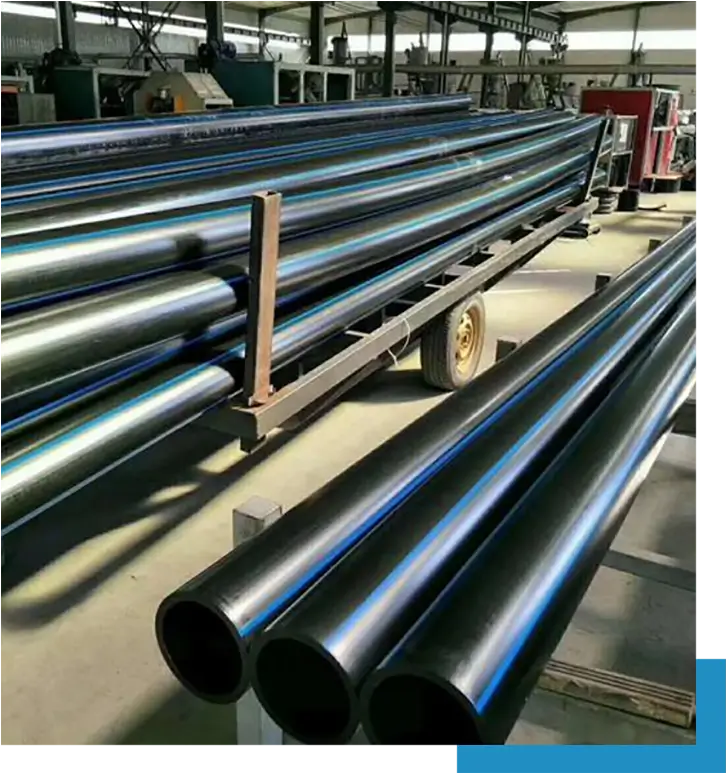
HORON INTERNATIONAL originated from 2005 and we mainly deals with plastics, metals and chemicals, after more than 18 years’ development, we have become a leading player in the world market; Our pillar products are construction plastic pipes (PVC/HDPE/PPR) which are widely used in water supply, drainage, irrigation, cable conduit, drilling.etc; Now we have 23 production lines to satisfy customers'demand, with annual capacity exceeding 150,000 tons. With stable quality, competitive price, full solution service and timely delivery, our products are approved by our clients worldwide; Based on mutual trust and reciprocity, we’re willing to know more friends and partners.
read about us
ppr pipes manufacturer

If you are interested in our products, you can choose to leave your information here, and we will be in touch with you shortly.