

Socket Weld Tees often get overlooked in large-scale piping discussions, yet their role in distributing stress and fluid evenly across junctions is unmatched. In an era where process plants face unrelenting pressure to eliminate fugitive emissions and maximize uptime, the smallest fitting choices can reverberate across an entire facility’s lifecycle. From hydrogen reformer outlets to firewater ring mains, the integrity of every branch connection defines whether a system becomes a silent workhorse or a chronic maintenance headache.
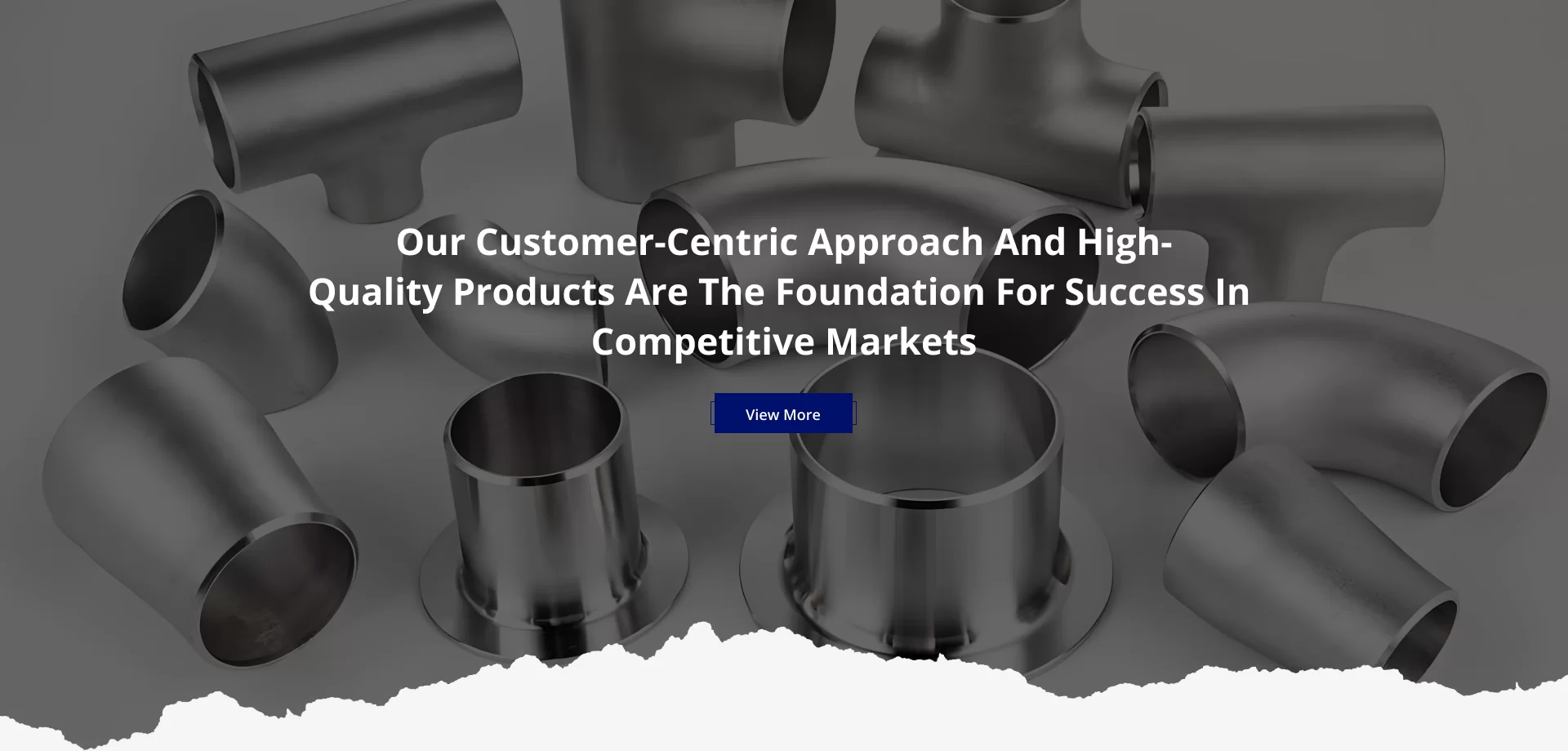
The challenge isn’t simply about sourcing a part that fits. Modern industrial environments — think LNG liquefaction trains, supercritical coal-fired boilers, or nuclear auxiliary systems — demand components that can withstand thermal cycling, high-frequency vibration, and aggressive chemical environments without degradation. This shift has pushed materials science and precision manufacturing to the forefront of piping system design.
Rethinking Piping Integrity for Harsh-Service Conditions
Across the energy and process industries, the conversation around piping system failures has moved well beyond simple corrosion. Today’s engineers are equally concerned with fatigue-induced cracking at weld toes, stress corrosion cracking in chloride-rich settings, and gasket creep at non-conforming flange faces. With the average petrochemical plant losing millions annually to unplanned downtime, the financial incentive to choose higher-integrity connections has never been clearer.
High-quality forged steel fittings, including tees, elbows, and reducers, now routinely specify ASTM A105, A182, and A350 grades with stringent NACE MR0175 compliance for sour service. This isn’t about over-engineering; it’s about matching metallurgical characteristics precisely to the operating envelope. A socket weld tee used in an offshore gas dehydration unit faces drastically different demands than one installed in a food-grade clean-in-place system, yet both rely on the same fundamental principle: a full-penetration weld that eliminates crevices where corrosion can initiate.
Why Forged Fittings Still Dominate Critical Paths
Despite the rise of advanced composites and grooved mechanical systems, forged carbon and stainless steel fittings remain the backbone of high-pressure, high-temperature piping. The forging process itself aligns grain structures, imparting superior mechanical strength and fatigue resistance compared to cast or fabricated alternatives. This matters acutely at branch connection points, where stress intensification factors peak.
An often-misunderstood element is the complementary role of pressure-retaining components such as the Blind Flange. While seemingly utilitarian, blind flanges serve as the critical isolation boundary during hydrostatic testing, system purging, and future tie-in points. Specifying the correct flange rating, facing type, and bolt tensioning sequence can mean the difference between a maintenance-friendly shutdown and a joint that weeps under thermal expansion. In lines intended for future lateral expansion, a properly installed blind flange with a high-integrity spiral-wound gasket safeguards the system against years of operational uncertainty.
Supply Chain Resilience in a Fragmented Materials Market
The geopolitical shocks of recent years rewrote the playbook for industrial procurement. Long lead times, volatile nickel and chromium pricing, and shipping chokepoints forced EPC contractors and end-users alike to rethink how they qualify and secure pipe fittings. The old model — relying on a single local distributor for immediate needs — is giving way to multi-regional sourcing strategies anchored by platform-based supply chain managers who can consolidate mill test reports, coordinate logistics from manufacturing hubs to project sites, and guarantee traceability.
This integrated approach proves especially valuable on mega-projects with demanding codes like ASME B31.3 Process Piping or B31.1 Power Piping. Engineering teams increasingly value partners who can provide mill certificates, positive material identification (PMI) reports, and third-party nondestructive testing data without delay. The objective isn’t just to fill a requisition line; it’s to build a documented chain of custody that satisfies insurance auditors and regulatory inspectors long before the first spool is welded in place.
Minimizing Weld Failures Through Design and Preparation
Socket weld connections, while seemingly straightforward, are among the most frequently cited failure points — often not due to the fitting itself but due to improper gap setting before welding. Industry lessons learned from vibration-induced failures in compressor piping emphasize the absolute necessity of maintaining the prescribed 1.6 mm gap between the pipe end and the socket shoulder. This small dimensional discipline permits thermal expansion of the pipe without imposing bending moments on the fillet weld throat.
When organizations partner with experienced material suppliers, they gain more than just boxed fittings. They often receive technical guidance on joint preparation, welding procedure specifications, and post-weld heat treatment requirements for alloy steels. This collaborative dynamic between procurement, engineering, and the supply network reduces rework rates significantly — a margin improvement that directly impacts project profitability in a low-bid tender environment.
The Hidden Economics of High-Cycle Operations
Process facilities designed for 20+ year operational lives face a compounding cost element: every maintenance incident that requires system depressurization, nitrogen purging, and confined-space entry drains thousands of dollars in lost production and chemical flushing. Choosing a marginally cheaper, non-traceable fitting becomes a false economy when its failure triggers such events. Forward-thinking asset owners now assign weighted lifecycle scores to piping components, heavily favoring manufacturers with ISO 9001-certified quality systems, full material traceability, and proven batch consistency.
This philosophy extends to flanged connections as well. A blind flange that doesn’t seat perfectly against its companion flange because of surface roughness deviations will eventually require hot-bolting or online leak sealing — temporary fixes that never replace a root-cause solution. Specifying flanges with machine-finished raised faces within ASME B16.5 tolerances, verified by coordinate measuring machine inspection, becomes an inexpensive insurance policy against fugitive emission fines and safety near-misses.
Global Trends Shaping Pipe Fitting Specifications
The energy transition, far from diminishing the need for industrial piping, is driving entirely new categories of demand. Hydrogen blending projects require fittings rated for high-temperature hydrogen attack resistance; carbon capture systems push materials into wet CO₂ corrosion regimes previously uncommon outside acid gas injection; and thermal energy storage loops cycle continuously, demanding fittings with proven low-cycle fatigue performance. Each application forces a re-evaluation of material standards and supply qualifications.
At the same time, digitalization of the supply chain — from automated inventory tracking to blockchain-enabled material certificates — is separating reactive vendors from proactive partners. Project managers increasingly score potential suppliers on their digital infrastructure: can they provide real-time shipment visibility? Do they maintain searchable heat number databases for retrospective quality audits? These capabilities compress construction schedules and de-risk module fabrication, particularly in remote locations where logistics windows are unforgiving.