

Seamless Steel Iron Coupling components are critical for maintaining pressure stability in complex fluid transport systems. As global infrastructure undergoes rapid modernization, engineers are facing unprecedented challenges regarding corrosion resistance, thermal expansion, and long-term mechanical durability.
The shift toward high-pressure gas and water distribution networks requires a fundamental reassessment of how fittings and piping are integrated. It is no longer sufficient to simply meet minimum safety standards; contemporary projects demand materials that can withstand fluctuating environmental stressors without compromising the system's structural integrity.
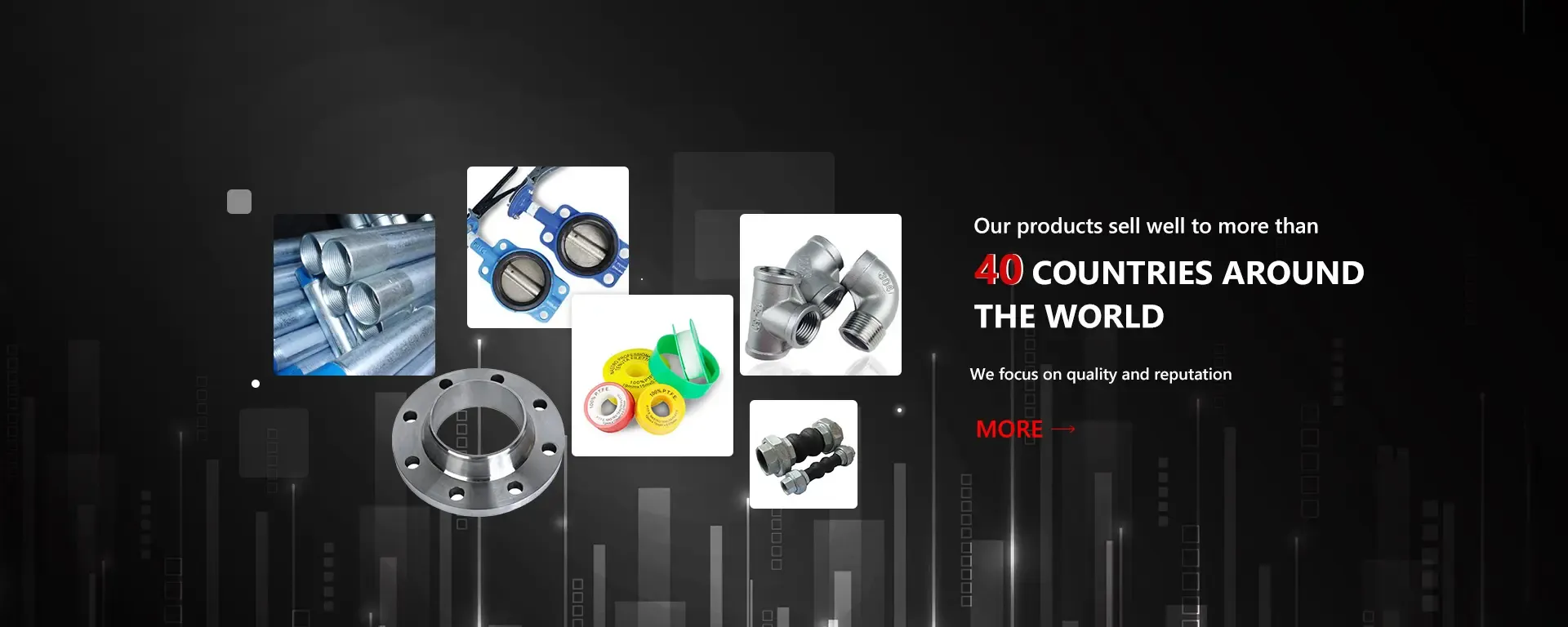
The Evolution of Malleable Iron in Industrial Applications
Historically, malleable iron has been a cornerstone of the plumbing and industrial sectors due to its excellent ductility and toughness. Unlike cast iron, which can be brittle under sudden mechanical shock, malleable iron undergoes a specific annealing process that allows it to absorb energy and resist cracking. This characteristic makes it ideal for various pipelines conveying water, oil, and gas.
Corrosion Mitigation and Surface Treatments
One of the primary failure points in any piping network is oxidation. To combat this, industry standards have evolved to include sophisticated galvanization processes. For instance, utilizing a Galvanized Iron Pipe Union BSP&NPT ensures that threaded connections remain airtight and resistant to moisture-induced degradation over decades of service.
The selection between Black Malleable Iron and Galvanized finishes often depends on the specific medium being transported. Black fittings are frequently preferred in gas applications where certain coatings might interfere with gas purity, whereas galvanized options are the gold standard for residential and commercial water distribution.
Standardization: The Backbone of Global Supply Chains
As supply chains become increasingly globalized, the importance of cross-standard compatibility cannot be overstated. Engineers must navigate between BS (British Standard), DIN (German Standard), and American standards to ensure seamless integration. A mismatch in thread pitch or diameter—even by a fraction of a millimeter—can lead to catastrophic pressure leaks.
"The reliability of a modern pipeline is only as strong as its weakest fitting. Material science and strict adherence to ISO and UL certifications are what separate temporary fixes from permanent infrastructure."
Future Trends in Pipeline Management
- Smart Monitoring: Integrating sensors within high-pressure fittings to detect micro-leaks.
- Advanced Alloys: The rising use of stainless steel and brass for specialized chemical transport.
- Sustainable Sourcing: A push for manufacturers like Hebei Wanda Malleable Iron Corp to maintain high-integrity, eco-friendly production processes.
Ultimately, the success of large-scale fluid transport projects relies on a stable supply chain of high-quality hardware. Whether it is through seamless steel, carbon steel butt-welded fittings, or specialized valves, the ability to source certified, standard-compliant components is the defining factor in modern engineering efficiency.