

A deep look at modern production technologies reshaping the pipe industry
An Impeder Casing is a critical component in high-frequency welded pipe production, ensuring weld consistency and line efficiency. The global pipe manufacturing sector has undergone remarkable transformation over the past decade, driven by demand for higher throughput, tighter tolerances, and greater material versatility. From oil and gas transmission to structural applications and solar support piles, the need for reliable, high-quality welded pipe has never been more pronounced.
As infrastructure projects expand globally and renewable energy installations accelerate, pipe producers are investing in advanced manufacturing lines that can handle a wide range of diameters, wall thicknesses, and material grades. The shift toward automation and precision forming has made the choice of tube mill and ancillary equipment a strategic decision for fabricators seeking to remain competitive.
The Evolution of ERW Tube Mill Technology
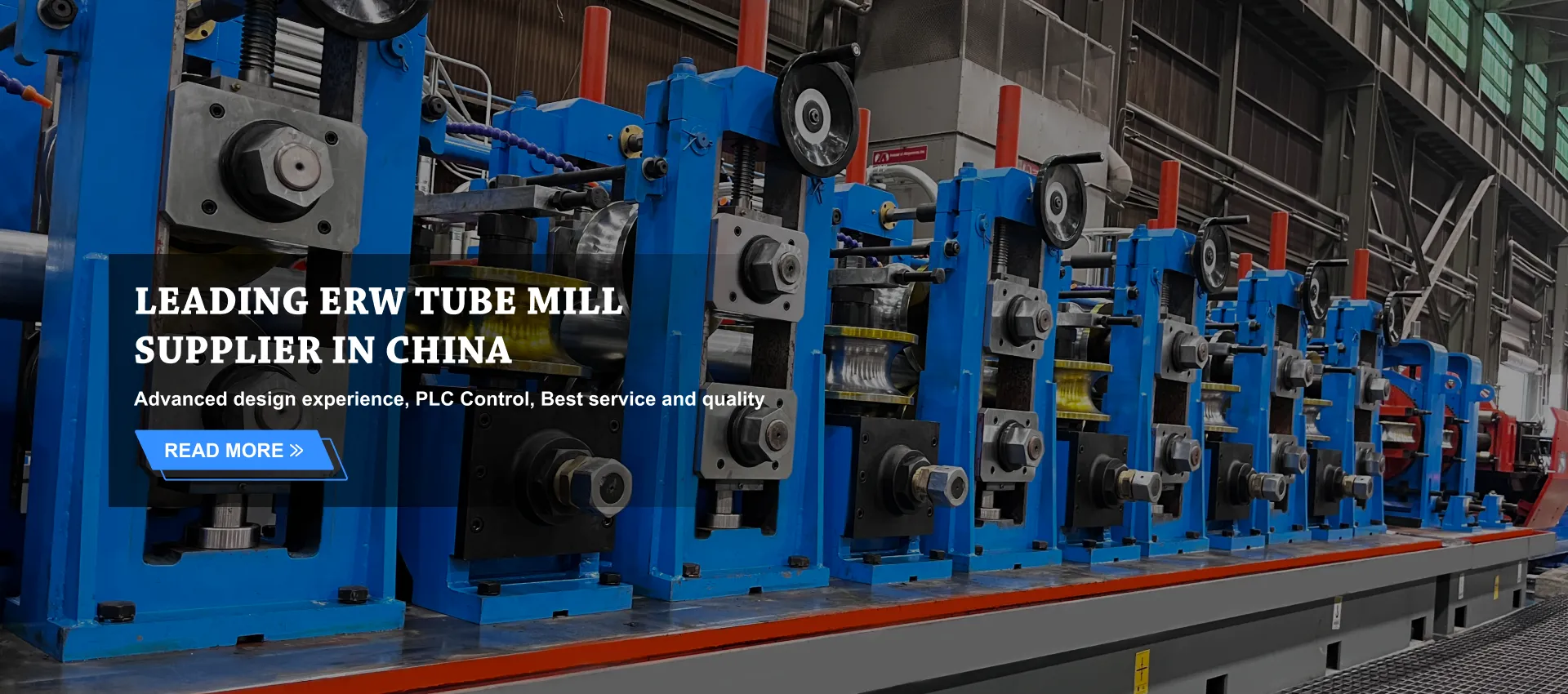
Electric Resistance Welding (ERW) tube mills have become the backbone of modern pipe production. The process involves forming a flat steel strip into a cylindrical shape and then welding the edges using high-frequency induction or contact welding. Today's ERW mills deliver speeds exceeding 60 meters per minute for smaller diameters while maintaining weld integrity that meets API, ASTM, and EN standards.
Key advancements include improved forming stands with precise roll adjustment, induction welding systems with closed-loop power control, and inline heat treatment stations that normalize the weld zone. These upgrades allow mills to produce pipe for demanding applications such as line pipe, casing, tubing, and structural hollow sections. The integration of eddy current testing and ultrasonic inspection directly on the line further ensures that defects are caught in real time, reducing scrap and rework.
For producers looking to expand their product range, multi-functional tube mills that can switch between round, square, and rectangular profiles offer significant flexibility. Direct Forming Technology (DFT) has also emerged as a method to produce square and rectangular tubes directly from strip, eliminating intermediate forming steps and reducing tooling changeover time.
Steel Coil Slitting: The First Step in Quality Pipe Making
Before a tube mill can form pipe, the master coil must be slit into precise widths. The accuracy of the slitting process directly impacts the final product's dimensional consistency. Modern slitting lines incorporate features such as quick-change slitting heads, automated knife positioning, and tension control systems that prevent edge damage and camber.
A Heavy Duty Slitting Line with a double-slitting unit allows processors to handle thicker gauges and higher tensile materials while maintaining throughput. These lines are particularly valuable for mills that supply pipe to the oil and gas sector, where material specifications are stringent and order volumes are large. The ability to quickly change slitting widths without lengthy downtime also enables just-in-time production, reducing inventory carrying costs.
The trend toward slitting lines with integrated surface inspection, coil weighing, and automated banding is helping pipe mills achieve consistent quality from coil to finished pipe. When combined with a well-maintained ERW mill, the result is a seamless production chain that delivers high yields and low operating costs.
Tooling, Consumables, and Supporting Equipment
Beyond the main mill and slitting line, a range of supporting equipment plays a vital role in pipe production. Roll forming tooling, weld scarfing systems, and impeder casings must be precisely engineered to match the specific mill configuration and product mix. High-quality tooling reduces setup time, extends roll life, and improves surface finish on the pipe.
Hydrostatic testers, end facers, threading machines, and automatic pipe packaging lines are also essential for finishing operations. These systems ensure that pipe meets the required pressure ratings, thread tolerances, and handling specifications before leaving the factory. For mills producing pipe for solar support piles, structural steel, or low-pressure fluid applications, a well-chosen set of finishing equipment can differentiate a producer in a competitive market.
Moulds and scarfing inserts are another area where quality matters. The internal and external bead removal process must be consistent to avoid leaks and to ensure smooth surfaces for coating or threading. Suppliers that offer a complete range of spare parts and consumables help mills reduce downtime and maintain consistent output.
Meeting Global Standards and Market Demands
Pipe manufacturers today must navigate a complex landscape of certifications and customer specifications. API 5L for line pipe, ASTM A53 for pressure and structural applications, and EN 10219 for cold-formed welded sections are just a few of the standards that mills must be capable of meeting. Achieving these certifications requires not only a well-designed production line but also a robust quality management system that covers material traceability, weld testing, and dimensional inspection.
The global push toward renewable energy has opened new markets for pipe producers. Solar support piles, which require high-strength, corrosion-resistant steel pipe, have become a significant application segment. Similarly, the growth of electric vehicle charging infrastructure and energy storage systems is driving demand for structural tube and conduit. Producers that can quickly adapt their lines to produce these specialized products are well-positioned for growth.
In regions such as Southeast Asia, the Middle East, and parts of Europe, infrastructure spending continues to support steady demand for water and gas distribution pipe. The ability to produce pipe in a wide range of diameters—from 1/2 inch to 16 inches and beyond—allows mills to serve multiple market segments with a single production line.
The Role of Turnkey Solutions and Engineering Support
As pipe manufacturing becomes more capital-intensive, many producers are turning to turnkey suppliers who can deliver complete lines from coil handling to finished pipe. These partnerships reduce the risks associated with integrating equipment from multiple vendors and provide a single point of responsibility for performance, commissioning, and after-sales support.
Engineering support is especially valuable when a mill is being set up for a new product type or when upgrading an existing line to meet higher output targets. Experienced teams can assist with layout optimization, roll design, and process tuning to ensure that the line operates at its full potential. This is where suppliers with a deep understanding of both the equipment and the end-use application make a meaningful difference.
The industry is also seeing increased interest in modular and scalable line designs that allow producers to start with a basic configuration and add capabilities over time. This approach lowers the initial investment barrier while providing a clear path to future expansion.
Looking Ahead: Trends Shaping the Next Decade
The pipe manufacturing industry is on the cusp of further change. Digitalization, including the use of IIoT sensors and data analytics, is enabling predictive maintenance and real-time quality monitoring. Mills that embrace these technologies can reduce unplanned downtime and improve first-pass yield. Automation of material handling and packaging is also reducing labor costs and improving workplace safety.
Sustainability is another powerful driver. Pipe producers are under pressure to reduce energy consumption and material waste. Modern ERW mills and slitting lines are designed with energy-efficient drives, optimized lubrication systems, and scrap-reducing features. The ability to produce high-strength, lightweight pipe using less material per meter is a competitive advantage that aligns with broader environmental goals.
Finally, the globalization of supply chains means that pipe manufacturers must be prepared to compete on quality, delivery, and cost. Those who invest in reliable, well-engineered production equipment and maintain strong relationships with experienced technology partners will be best positioned to thrive in the evolving marketplace.
This article explores current trends in pipe manufacturing technology and equipment. The views expressed are those of the author and do not constitute commercial endorsement.