

Class 300 Pipe Fittings can be part of a dependable system, but the number on a fitting alone does not guarantee a safe connection. Reliability comes from matching components to the service conditions, installing them correctly, and maintaining them with the whole piping network in mind.
That distinction matters across industrial, commercial, and building services. A threaded joint may look simple, yet it has to withstand pressure, temperature changes, vibration, corrosion, and the stresses introduced by installation. A weak link in any one of those areas can turn a small leak into an operational problem.
Start with the actual service conditions
Before choosing a fitting, identify what the system will carry and how it will operate. Pressure and temperature are essential, but they are not the only variables. The fluid’s chemical properties, the likelihood of water exposure, the operating cycle, and any movement or vibration in the line can all affect material selection and service life.
A fitting’s pressure class or designation should be interpreted in the context of its applicable standard, material, size, and temperature limits. It should not be treated as a universal pressure rating independent of those factors. Engineers and specifiers should confirm ratings against the relevant product documentation and system requirements rather than relying on a label in isolation.
Material choice affects more than strength
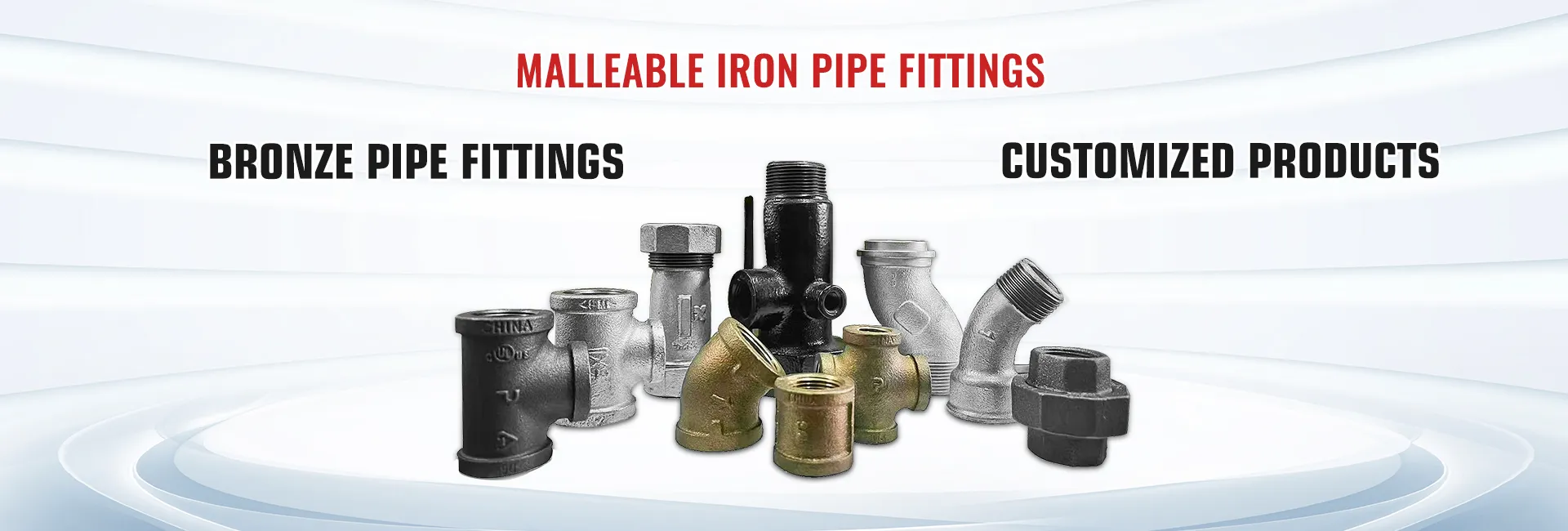
Malleable iron is commonly selected for threaded connections where strength and practical installation are important. Bronze may be appropriate in different environments, including applications where its material properties suit the fluid or exposure conditions. In either case, compatibility between the fitting, pipe, sealant, and conveyed medium deserves attention.
Corrosion protection is another part of the specification. The right finish can help limit deterioration in a given environment, but no coating replaces sound material selection or appropriate maintenance. For systems exposed to moisture or other corrosive conditions, Coated Pipe Fittings may be considered alongside the expected exposure, installation setting, and applicable requirements.
Installation is part of the connection design
Even a well-specified component can underperform if it is mishandled or assembled poorly. Thread condition, alignment, cleanliness, and the correct application of sealing materials all contribute to a sound joint. Over-tightening can damage threads or fittings, while insufficient engagement can compromise sealing and mechanical integrity.
- Check threads and sealing surfaces for damage, contamination, or manufacturing defects before assembly.
- Use sealants and installation methods compatible with the service fluid and the system specification.
- Avoid forcing misaligned components together; correct alignment before tightening.
- Follow the applicable installation instructions and inspection requirements for the project.
These checks are especially valuable in systems subject to vibration or repeated thermal cycling. Where movement is expected, the surrounding pipe supports and layout should also be reviewed so that the fitting is not carrying avoidable mechanical loads.
Quality assurance begins before installation
Consistency between production batches can influence how components fit, seal, and perform in the field. Buyers and project teams can reduce uncertainty by reviewing applicable certifications, inspection practices, traceability, and the manufacturer’s quality documentation. Clear specifications make it easier to verify that delivered products match the intended use.
Manufacturers such as Langfang Pannext Pipe Fitting Co., Ltd., which produces malleable iron and bronze fittings, illustrate how production capacity and documented quality systems form part of the broader supply chain behind piping projects. For specifiers, the practical lesson is to assess products against project requirements and verified documentation, not brand familiarity alone.
Build reliability into inspection and maintenance
A connection’s service life also depends on what happens after commissioning. Routine inspections can help identify leakage, surface corrosion, movement, or other changes before they become more serious. The appropriate inspection interval depends on the system, environment, operating conditions, and relevant codes or maintenance procedures.
Reliable piping is therefore not the result of a single product feature. It is the outcome of a chain of decisions: understand the service, choose compatible materials, verify ratings and documentation, install with care, and inspect over time. Treating each connection as part of that larger system is the most practical way to support safe, dependable performance.