

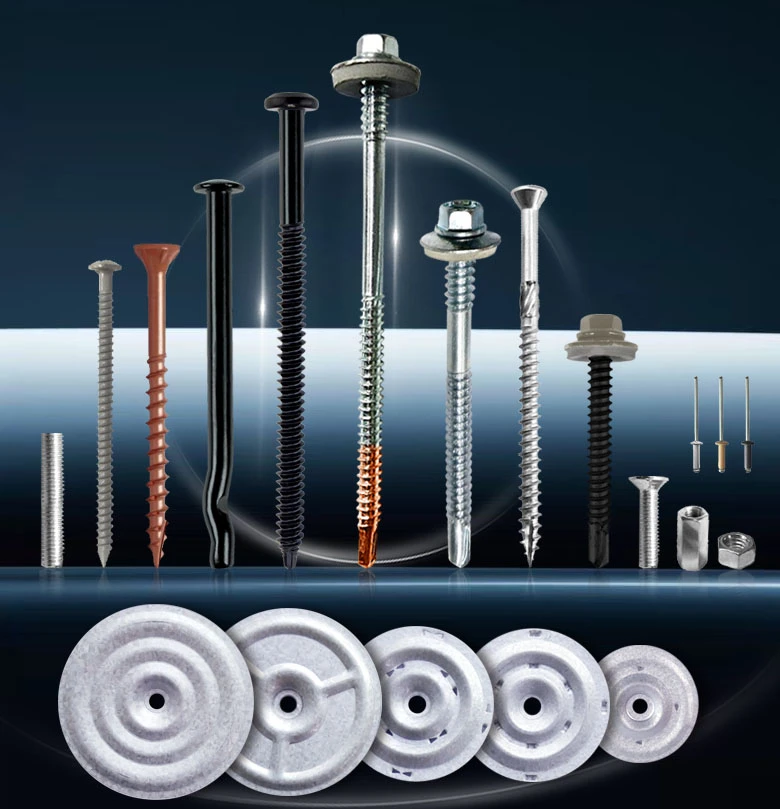
A 3” Ribbed Plate often serves as the critical interface between piping systems and their structural supports, yet its selection is frequently overlooked during the design phase of industrial projects. Engineers and procurement specialists alike face mounting pressure to balance performance, longevity, and cost across increasingly complex pipeline networks.
The piping industry has evolved significantly over the past decade, with material science advancements driving improvements in durability, corrosion resistance, and installation efficiency. From chemical processing plants to municipal water infrastructure, the choices made at the specification stage ripple through the entire lifecycle of a project.
The Role of Support Components in Piping Longevity
Piping systems are only as reliable as the components that support them. Load distribution, thermal expansion accommodation, and vibration dampening all depend on properly selected support hardware. When specifying support elements, engineers must consider not only the pipe material and operating conditions but also the environmental factors that can accelerate degradation over time.
The interaction between pipe supports and the surrounding structure introduces stress points that, if not properly managed, can lead to premature failure. This is particularly true in systems where temperature fluctuations are frequent or where corrosive substances are present. The choice of support materials and configurations directly affects maintenance intervals and overall system reliability.
Corrosion Management and Material Compatibility
Corrosion remains the single largest threat to piping system integrity across all industries. The cost of corrosion-related failures globally is measured in billions of dollars annually, encompassing not only repairs and replacements but also lost production, environmental remediation, and safety incidents.
Modern approaches to corrosion management extend beyond simple coating applications. They involve a holistic understanding of the electrochemical environment, material compatibility, and the protective measures that can be integrated at the design stage. For buried or exposed piping systems, additional layers of protection are often required. In these contexts, a TPO Waterproof Membrane provides an effective barrier against moisture ingress and chemical attack, particularly at pipe penetrations and joint locations where the risk of leakage is highest.
The selection of waterproofing materials should be based on the specific chemical exposure, temperature range, and mechanical stress the system will encounter. Polymeric membranes, when properly specified and installed, offer excellent long-term performance in demanding environments.
Supply Chain Resilience in Piping Projects
The global supply chain for piping materials has experienced significant disruption in recent years, prompting many organizations to reassess their procurement strategies. Lead times, material availability, and quality consistency have become critical factors in project planning and execution.
Diversifying supply sources while maintaining strict quality standards requires a deep understanding of manufacturing capabilities across different regions. The most successful projects are those that establish clear specifications, conduct thorough supplier audits, and maintain open communication channels throughout the procurement process.
Material traceability has emerged as a key concern, particularly in regulated industries where documentation of material properties and certifications is required for compliance. Digital tracking systems and standardized testing protocols are helping to improve transparency and accountability in the supply chain.
Installation Best Practices for Long-Term Performance
Even the highest quality materials will underperform if installation practices are substandard. Proper handling, alignment, joint preparation, and testing are essential to achieving the design life of any piping system. Training and certification programs for installers have become increasingly important as the complexity of modern piping systems continues to grow.
Quality assurance during installation should include visual inspections, pressure testing, and non-destructive evaluation methods where appropriate. Documentation of installation procedures and test results provides a valuable reference for future maintenance and troubleshooting activities.
Future Trends in Piping Materials and Design
The piping industry is witnessing a shift toward more sustainable materials and construction methods. Recycled content, reduced energy consumption during manufacturing, and longer service life are becoming key differentiators in material selection. Composite materials and advanced polymers are gaining traction in applications where traditional metals have historically dominated.
Digital twin technology, predictive maintenance algorithms, and sensor-equipped piping systems are transforming how operators monitor and manage their assets. These innovations enable early detection of anomalies, optimized maintenance scheduling, and extended system life.
The integration of smart materials that can self-monitor or self-repair remains an active area of research, with promising developments emerging from materials science laboratories around the world. As these technologies mature, they will offer new possibilities for improving the safety, reliability, and efficiency of piping systems across all sectors.
Conclusion
Selecting the right materials and components for piping systems requires a comprehensive understanding of operational demands, environmental conditions, and long-term performance expectations. From the support structures that bear the load to the waterproofing systems that protect against moisture, every element plays a vital role in the overall integrity of the installation.
By staying informed about material science advancements and maintaining rigorous quality standards throughout the supply chain and installation process, industry professionals can deliver piping systems that perform reliably for decades. The investments made in proper material selection and specification today will yield returns in reduced maintenance costs, fewer failures, and extended service life tomorrow.