

1.8-Meter Seam Welding Machine selection is one part of a wider production decision: manufacturers must match seam-forming methods to the material, geometry, and service conditions of each pipe or fitting. A consistent weld can help a component withstand handling and use, while a poorly controlled joint may become a source of leakage, distortion, or costly rework.
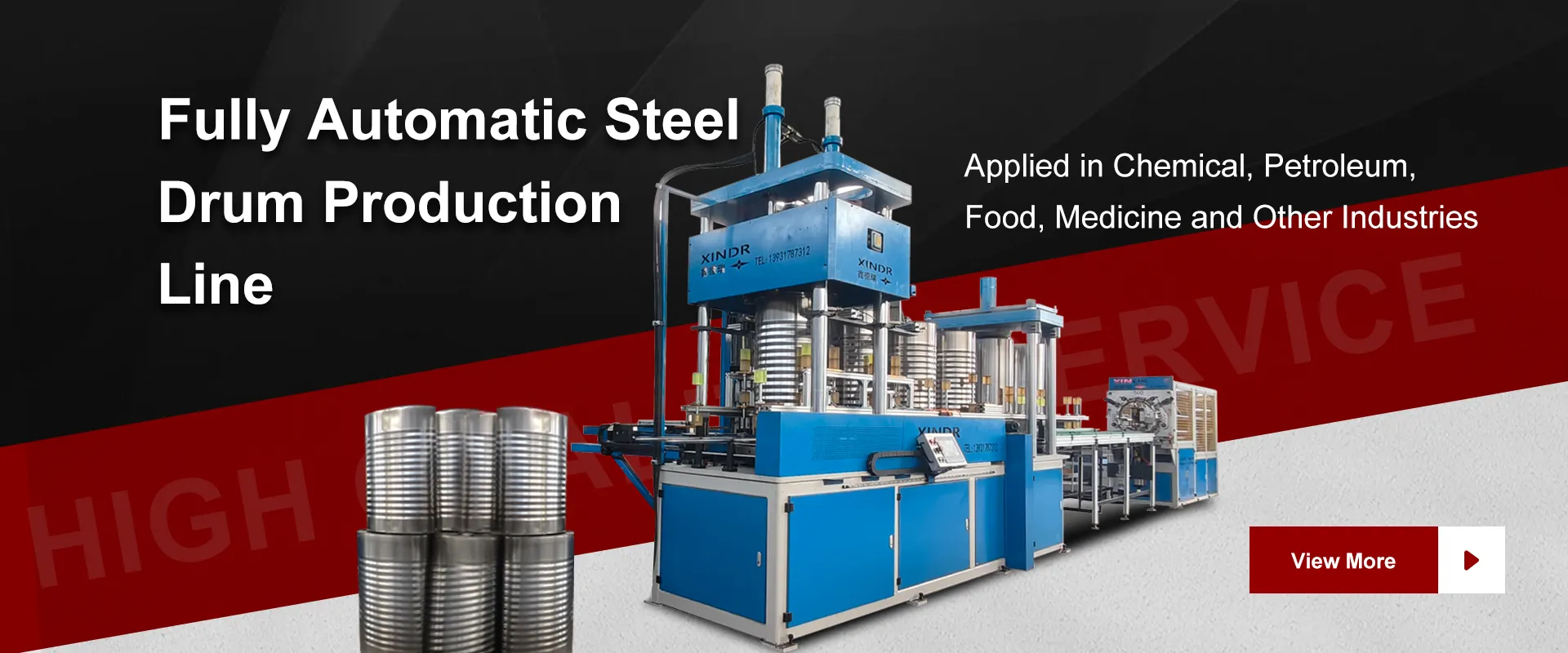
Pipe and fitting production covers a wide range of products, from straight sections and elbows to corrugated connections and formed components. Although their shapes and applications differ, they share a basic manufacturing challenge: a joint must be repeatable without compromising dimensions or the material’s performance. Getting there requires more than a welding machine; it calls for a process designed around the product.
Start with the material and the service environment
The first process decisions should reflect what the finished part is made of and where it will operate. Carbon steel, stainless steel, and galvanized sheet can respond differently to heat and forming pressure. Wall thickness, coating, and surface condition also affect how a joint behaves during welding. A pipe intended for a protected indoor installation may face different demands from an exhaust component exposed to vibration, temperature changes, or corrosive surroundings.
These factors shape choices such as electrode configuration, current, weld speed, and clamping method. Parameters that work on a flat coupon may not transfer directly to a curved or irregular workpiece. Establishing a stable process on representative parts—and recording the settings that produce acceptable results—helps limit variation when production moves beyond trials.
Geometry makes seam consistency harder
Straight seams, circular joints, elbows, and corrugated sections each place different demands on handling and alignment. A small mismatch at the start of a seam can carry through the weld, changing the finished part’s roundness or fit. With thin sheet, excess heat can also produce burn-through or distortion; insufficient energy may leave an incomplete bond.
Fixtures and workpiece supports are therefore part of the quality system, not just accessories. They need to hold the part securely while allowing repeatable positioning and practical loading. For varied product lines, manufacturers may need adjustable tooling or different setups for separate component families. Evaluating this flexibility early can prevent a machine from becoming a bottleneck when dimensions or designs change.
Build inspection into the production routine
A visually neat seam is useful evidence, but appearance alone does not establish that a joint meets its intended requirements. Inspection plans should reflect the part’s function and applicable specifications. Depending on the application, checks may include dimensions, surface condition, continuity, leakage, or other tests selected by qualified personnel.
- Check incoming sheet and formed parts for damage, contamination, and dimensional variation.
- Confirm alignment and clamping before welding, particularly on curved or thin-walled workpieces.
- Inspect first-off parts after setup changes and compare results with approved criteria.
- Track recurring defects so that adjustments address the process cause, not just individual pieces.
This approach makes quality more predictable and helps teams distinguish between material issues, setup errors, and equipment drift. It also gives operators a clearer basis for responding when a defect appears, instead of relying on guesswork.
Consider the whole production cell
Welding is only one stage in a connected workflow. Cutting, rolling, forming, joining, finishing, and inspection all influence throughput and final fit. If an upstream operation supplies inconsistent blanks, even a well-controlled welding station will struggle to maintain output. Likewise, a production line can lose efficiency when handling finished parts is awkward or inspection happens only after a large batch has accumulated.
Equipment planning should account for changeover time, operator access, maintenance requirements, and available floor space alongside nominal production capacity. Manufacturers producing several related metal products may also evaluate complementary processes. For example, a Pneumatic Handle Welding Machine represents a separate operation for attaching handles to fabricated containers, illustrating how adjacent component work can be planned alongside pipe or fitting production without treating every task as the same welding application.
A practical framework for equipment decisions
Before choosing or reconfiguring equipment, manufacturers can document a short set of production requirements: material grades and thicknesses, part dimensions, joint types, expected volumes, quality criteria, and likely product changes. Sample parts and drawings help clarify details that a general capacity figure cannot show. A trial using representative workpieces can then reveal how the process performs in realistic conditions.
Manufacturers of metal containers, corrugated sections, and other fabricated products—including equipment makers such as Hebei Xindrui Machinery Manufacturing Co., Ltd.—work across a range of forming and welding applications. The useful lesson for pipe and fitting producers is broader than any single machine: align tooling and process controls with the component’s actual geometry and duty, then verify performance with repeatable inspection.
As pipe systems become more specialized, production reliability depends on disciplined coordination between material selection, forming accuracy, welding, and quality checks. Treating each seam as part of an engineered process helps manufacturers reduce avoidable variation and deliver components better suited to their intended service.