

Threaded Tee connections are a reminder that reliable piping depends on more than choosing a pipe with the right diameter. Every fitting, joint, material and fabrication detail influences how a system handles pressure, temperature changes, vibration and maintenance over time.
As infrastructure becomes more demanding, engineers and operators face a practical challenge: balancing performance, compatibility, availability and lifecycle cost. A fitting that looks interchangeable on a drawing may differ in material grade, dimensional standard or end preparation—and those details can shape the safety and serviceability of the entire line.
Start with the service conditions, not the catalog
A sound specification begins with the environment in which the piping will operate. Design teams should consider working and surge pressures, normal and upset temperatures, the conveyed medium, corrosion risks, external exposure and expected operating cycles. These conditions help determine whether carbon steel is appropriate or whether alloy steel, stainless steel, low-temperature steel, duplex grades or nickel-based alloys deserve consideration.
Material selection is not simply a matter of choosing the most corrosion-resistant option. A higher-alloy material can introduce different welding procedures, inspection requirements and procurement lead times. Conversely, selecting a grade without adequate resistance to the service environment can increase repair frequency and create unplanned outages. The best choice reflects the complete operating context, including fabrication and maintenance capabilities.
Standards make compatibility measurable
Piping projects often draw on GB, ANSI/ASME, JIS and DIN standards. Each framework establishes requirements that can affect dimensions, pressure ratings, tolerances and testing. Problems arise when a project mixes components based on assumptions rather than verified requirements. A flange or reducer may appear to fit but still differ in a critical dimension or rating.
Clear documentation helps prevent those mismatches. Purchase specifications should identify the governing standard and edition, material grade, nominal size, pressure class or schedule where applicable, end connection, inspection scope and traceability requirements. Where a project uses a customer-specific specification, that requirement should be communicated consistently to designers, fabricators, inspectors and suppliers.
Treat fittings as part of the flow path
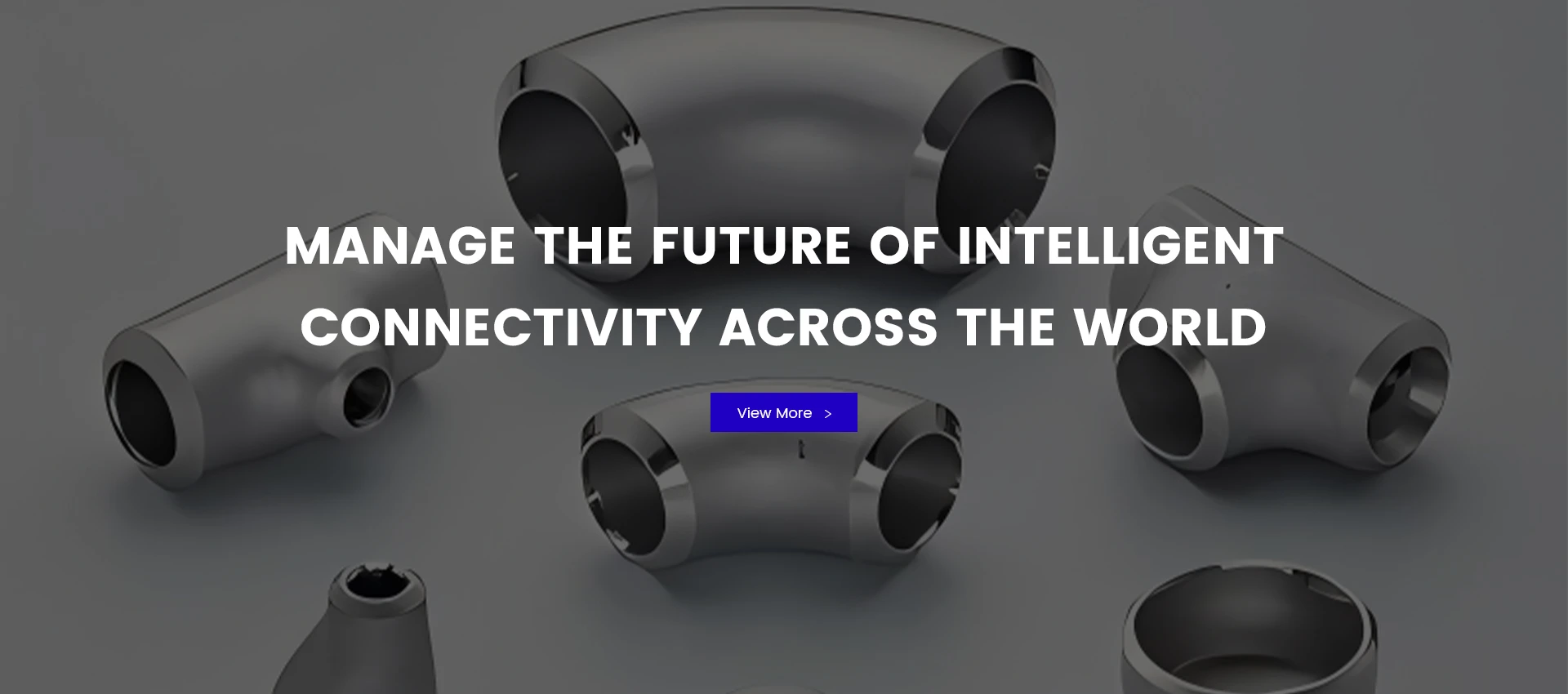
Elbows, bends, tees and reducers do more than connect straight runs. Their geometry affects flow direction, pressure loss, turbulence and the space needed for installation. A tight layout may create access issues for welding or inspection; a poorly considered transition can contribute to erosion or uneven flow in demanding service. Designers should evaluate fitting geometry alongside line routing and equipment connections, rather than leaving those choices until procurement.
Connection type also matters. For example, a Lapped Flange may suit certain arrangements where the design benefits from a rotating flange face, but its use must be assessed against the application, mating components and project requirements. No connection style is universally preferable; selection depends on the service, assembly method and inspection plan.
Quality is built into production and verification
Reliable components depend on disciplined manufacturing controls as well as a suitable design. Forming, heat treatment, machining and finishing can affect dimensional accuracy and material properties. Effective quality programs connect these production steps to inspection records, material identification and the acceptance criteria stated in the order. Testing should be appropriate to the component and its intended service, not treated as a generic checkbox.
The breadth of the supply base is another consideration. Manufacturers in Mengcun Hui Autonomous County, known for its pipe-fitting industry, produce components ranging from flanges and elbows to tees, caps, reducers and specialized fittings. HEBEI JIUYUAN PIPELINE MANUFACTURING CO.,LTD., for instance, describes production across multiple material families and standards, including customer-specified technical requirements. For project teams, the useful lesson is to assess documented capability against the exact specification rather than relying on a broad product list.
Build procurement resilience into the project
Supply-chain planning can influence technical outcomes. Unusual alloys, nonstandard dimensions or specialized fittings may require longer manufacturing and verification windows. Early coordination allows engineers to confirm whether a requested component is available within the schedule, whether an approved alternative exists and what supporting documents will accompany delivery.
- Freeze material grades and dimensional requirements before purchase orders are issued.
- Confirm standard, rating, end preparation and inspection expectations in writing.
- Review traceability and quality records as part of receiving inspection.
- Coordinate substitutions with engineering before they reach the job site.
Reliability comes from connected decisions
A dependable piping system is the result of aligned choices: service conditions inform material selection, standards establish compatibility, geometry supports the intended flow path, and manufacturing controls verify the finished component. When these decisions are coordinated early, projects are better positioned to avoid fit-up delays, reduce maintenance surprises and protect long-term performance.
That approach is useful across industries—from chemical processing and power generation to water infrastructure, shipbuilding and fire protection. The component may be small compared with the full system, but its specification and quality can have an outsized effect on operational reliability.