

Feb . 11, 2026 00:01 Back to list
china 50mm ppr pipe price Performance Analysis
Introduction
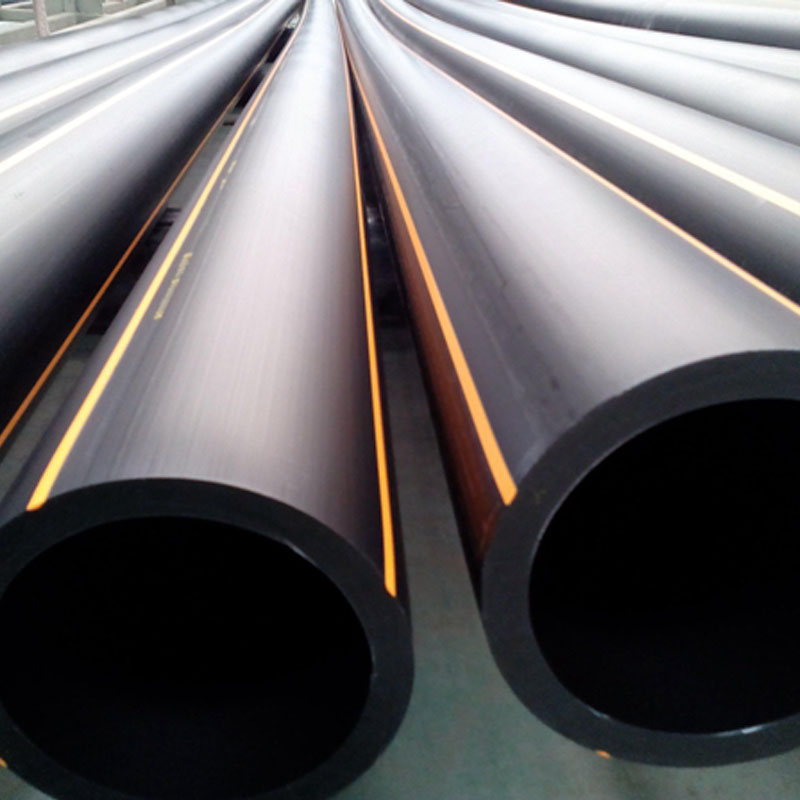
Polypropylene Random Copolymer (PPR) pipe, specifically the 50mm variant widely sourced from China, represents a significant material in modern fluid transport systems. Positioned within the building materials supply chain, it serves as a direct replacement for traditional metal piping in both potable and non-potable water applications, as well as heating systems. Its prevalence is driven by a combination of cost-effectiveness, ease of installation, and corrosion resistance. The core performance characteristics of 50mm PPR pipe center around its pressure rating, temperature resistance, and chemical inertness, directly impacting its suitability for diverse applications ranging from residential plumbing to large-scale industrial projects. Understanding the nuances of manufacturing and material properties is crucial for ensuring longevity and operational integrity within these systems, particularly considering price points dictate material quality variations among Chinese manufacturers. This guide provides a comprehensive technical overview of 50mm PPR pipe sourced from China, addressing material science, manufacturing processes, performance characteristics, potential failure modes, and relevant industry standards.
Material Science & Manufacturing
The base material for 50mm PPR pipe is polypropylene random copolymer. Polypropylene homopolymer is too brittle for pressure applications; the random copolymerization introduces ethylenes, disrupting the polymer chain’s crystallinity and enhancing its impact strength and flexibility. Raw material properties are critical; the Molecular Weight Distribution (MWD) influences processability and long-term creep resistance. Manufacturers typically utilize polypropylene with a Melt Flow Index (MFI) between 2.0 and 3.5 g/10min (measured per ISO 1133) for optimal extrusion characteristics. The manufacturing process begins with the compounding of polypropylene resin with stabilizers (typically antioxidants and UV stabilizers to prevent degradation) and sometimes color pigments. Extrusion is the primary forming method. Granules are fed into an extruder where they are melted and forced through a die to create the pipe’s diameter and wall thickness. Critical process parameters include extrusion temperature (190-230°C), die pressure, and cooling rate. Poor control of these parameters can result in variations in wall thickness, ovality, and residual stress. Socket fusion welding is the dominant joining technique. This involves heating both the pipe and fitting simultaneously, then joining them under pressure, creating a homogenous weld. The welding parameters – temperature (260-270°C), pressure (0.2-0.4 MPa), and dwell time (30-60 seconds) – are vital to ensure a structurally sound connection. The cooling phase is equally important, as rapid cooling can introduce stress concentrations.
Performance & Engineering
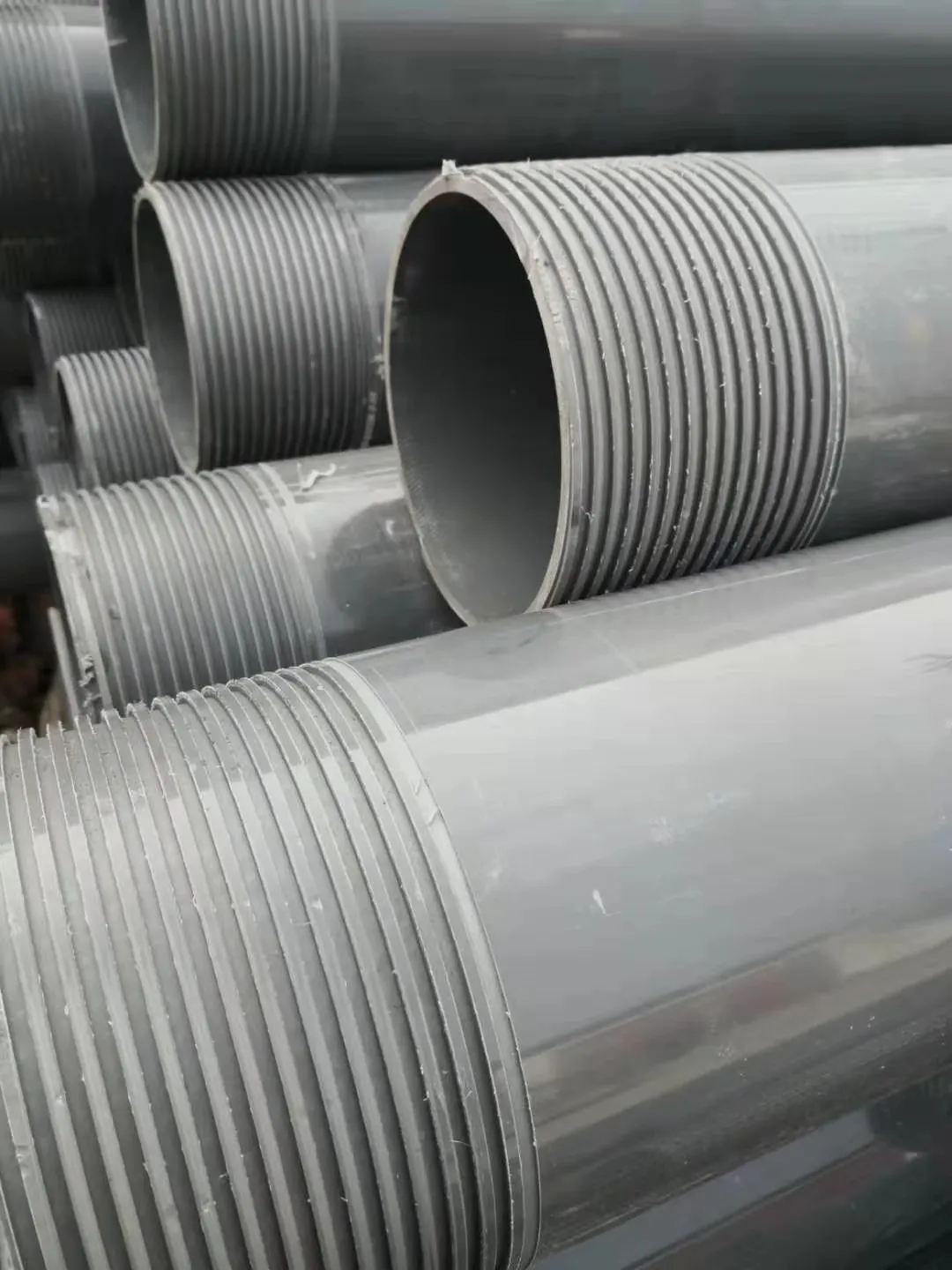
The performance of 50mm PPR pipe is governed by several key engineering principles. Hydrostatic pressure testing, conforming to ISO 1167, is critical for verifying its ability to withstand internal pressure. A typical 50mm PPR pipe, with a Standard Dimension Ratio (SDR) of 11 (common in Chinese production), should withstand a hydrostatic test pressure of at least 1.25 MPa for 10 minutes without failure. Creep rupture is a long-term concern, particularly at elevated temperatures. The pipe’s ability to resist slow deformation under sustained stress is crucial. This is assessed through creep rupture testing, following standards like ISO 1167. Chemical resistance is excellent across a broad pH range (1-14), making it suitable for various fluids. However, it is susceptible to attack by strong oxidizing agents and certain organic solvents. Thermal expansion is significant – approximately 0.15 mm/m/°C. This necessitates incorporating expansion loops or flexible connectors in installations to prevent stress buildup and potential cracking. Force analysis during installation and operation must account for bending moments induced by pipe supports and fluid flow. Proper support spacing is crucial to prevent excessive deflection and stress concentration. Furthermore, the pipe's performance is affected by the quality of the welding process. A poorly executed weld can significantly reduce the overall system's strength and lead to premature failure. Compliance with local building codes and plumbing standards is paramount, often requiring certifications from recognized testing laboratories.
Technical Specifications
| Parameter | Units | Typical Value (Chinese 50mm PPR) | Testing Standard |
|---|---|---|---|
| Nominal Diameter | mm | 50 | GB/T 8892.1 |
| Wall Thickness | mm | 4.2 - 4.6 | GB/T 8892.2 |
| SDR (Standard Dimension Ratio) | - | 11 | Calculated |
| Hydrostatic Test Pressure | MPa | ≥1.25 | ISO 1167 |
| Tensile Strength | MPa | ≥20 | GB/T 8892.3 |
| Elongation at Break | % | ≥200 | GB/T 8892.3 |
| Melt Flow Index (MFI) | g/10min | 2.0 - 3.5 | ISO 1133 |
Failure Mode & Maintenance
Several failure modes are common in 50mm PPR pipe systems. Slow Crack Growth (SCG), induced by sustained stress and the presence of residual chlorine in water, is a significant concern. This manifests as small cracks that propagate over time, eventually leading to pipe rupture. Welding defects, such as incomplete fusion or excessive weld bead size, create stress concentration points and increase the risk of failure. Thermal expansion stresses, if not adequately accommodated, can cause cracking at joints or pipe supports. UV degradation can embrittle the material, particularly in exposed applications. Oxidation, accelerated by high temperatures and oxygen exposure, can lead to material property degradation. Maintenance typically involves visual inspection for cracks, leaks, and signs of deformation. Regularly flushing the system can remove sediment and reduce the risk of SCG. Periodically checking the tightness of connections is essential. For repairs, socket fusion re-welding is the preferred method, ensuring proper welding parameters are followed. If significant degradation or cracking is observed, complete pipe replacement is recommended. Preventive measures include using high-quality pipe and fittings, employing skilled welders, designing systems that accommodate thermal expansion, and protecting the pipe from UV exposure.
Industry FAQ
Q: What is the impact of different PPR grades (Type 1, Type 2, Type 3) on long-term performance?
A: PPR pipes are categorized into Type 1, Type 2, and Type 3 based on their hydrostatic pressure resistance. Type 1 is suitable for cold water applications, Type 2 for hot and cold water, and Type 3 for hot water and industrial applications. Choosing an inappropriate grade for the intended application can lead to premature failure, particularly under high temperatures and pressures. Cheaper Chinese-sourced PPR often uses lower-grade resins, impacting long-term creep resistance.
Q: How does water quality (specifically chlorine levels) affect the lifespan of PPR pipes?
A: Chlorine, even at low concentrations, can accelerate Slow Crack Growth (SCG) in PPR pipes. Prolonged exposure to chlorinated water significantly reduces the pipe’s lifespan. Utilizing PPR pipe with higher oxidation resistance and/or implementing water treatment systems to reduce chlorine levels can mitigate this issue.
Q: What are the key quality control checks to perform when sourcing 50mm PPR pipe from China?
A: Essential quality checks include verifying the pipe’s dimensions (diameter and wall thickness), conducting hydrostatic pressure testing, and assessing the quality of the weldability of the material. Checking for proper certifications (e.g., CE marking, ISO 9001) and requesting mill test reports for each batch are also crucial.
Q: What are the limitations of PPR pipe regarding chemical compatibility?
A: While PPR exhibits good chemical resistance to many substances, it’s susceptible to degradation by strong oxidizing agents like concentrated nitric acid and certain organic solvents like benzene. Confirming chemical compatibility before using PPR in industrial applications is crucial to prevent material failure.
Q: What is the recommended procedure for socket fusion welding to ensure a leak-proof joint?
A: Proper socket fusion requires a controlled heating process using a calibrated welding tool. The pipe and fitting must be heated simultaneously to the correct temperature (260-270°C) for the specified dwell time. Applying adequate pressure during the joining process is critical, followed by a cooling period without disturbance. Incorrect welding temperatures or pressures can lead to weak or leaky joints.
Conclusion
The 50mm PPR pipe sourced from China represents a cost-effective solution for fluid conveyance, but its performance and longevity are heavily dependent on material quality, manufacturing control, and proper installation practices. Understanding the material science, potential failure modes, and relevant industry standards is crucial for making informed procurement decisions and ensuring the reliable operation of PPR piping systems. Variations in polypropylene resin grades and manufacturing processes among Chinese suppliers necessitate rigorous quality control procedures to mitigate risks associated with substandard materials.
Future advancements in PPR technology may focus on incorporating enhanced stabilizers to improve resistance to SCG and UV degradation. The development of more robust welding techniques and automated inspection systems could further enhance the reliability of PPR piping systems. Continued adherence to international standards and best practices will be essential for maintaining the integrity and sustainability of these systems, driving optimization in cost and performance.
-
DN25 HDPE Compression Fitting-HORON INTERNATIONAL|Reliable Irrigation Solutions
NewsFeb.11,2026
-
china 100mm pvc pipe price Performance Analysis
News2026-05-23
-
china pvc pipe used for Performance Analysis
News2026-05-23
-
china ppr water pipe fittings Performance Analysis
News2026-05-23
-
china hdpe pipe couplings Performance Analysis
News2026-05-23
-
china 50mm ppr pipe price Performance Analysis
News2026-05-23
-
china corrugated hdpe pipe fittings Performance Analysis
News2026-05-22
-
china ppr pipe for hot water Performance Analysis
News2026-05-22
-
china ppr Technical Performance Analysis
News2026-05-22
-
china corrugated dual wall pipe Performance Analysis
News2026-05-22
-
china sink inlet pipe Material Performance Analysis
News2026-05-22
-
china 1 2 inch pvc Performance Analysis
News2026-05-21
-
china hdpe pipe joint coupler Performance Analysis
News2026-05-21
-
china ppr pipes and fittings price list Technical Analysis
News2026-05-21
-
china 9 inch pvc pipe price Performance Analysis
News2026-05-21
-
china 2 inch borewell column pipe price Performance Engineering
News2026-05-21