

Feb . 11, 2026 00:01 Back to list
china 1 2 inch pvc Performance Analysis
Introduction
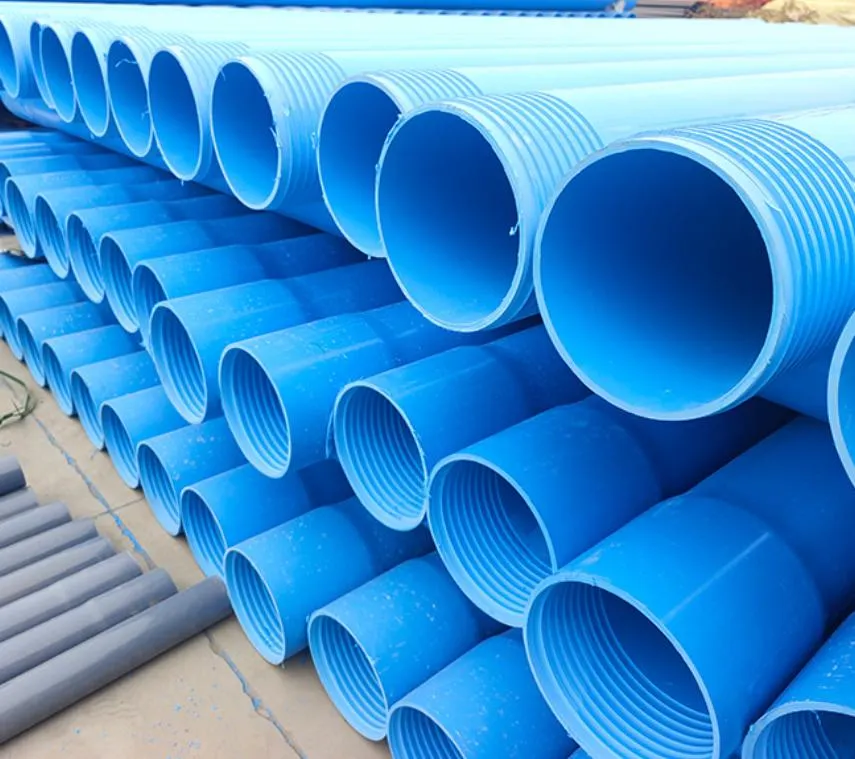
China 1/2 inch PVC (Polyvinyl Chloride) pipe represents a fundamental component in fluid conveyance systems across a broad spectrum of industrial, agricultural, and infrastructural applications. Its prevalence stems from a favorable combination of cost-effectiveness, corrosion resistance, and ease of installation. This guide provides a comprehensive technical overview of 1/2 inch PVC pipe manufactured in China, detailing its material properties, manufacturing processes, performance characteristics, potential failure modes, and relevant industry standards. Within the broader PVC pipe market, the 1/2 inch diameter is frequently utilized in residential plumbing, irrigation systems, and low-pressure industrial applications, forming a significant portion of the overall PVC production volume. Understanding the intricacies of its composition and performance is critical for engineers, procurement managers, and end-users ensuring optimal system design and longevity. The focus will be on Schedule 40 PVC, the most commonly produced and utilized variant in this diameter.
Material Science & Manufacturing
The core material of 1/2 inch PVC pipe is a thermoplastic polymer derived from the polymerization of vinyl chloride monomer (VCM). The raw material, PVC resin, typically exists as a white, brittle powder. To become a usable pipe, several additives are incorporated to enhance its processability, durability, and performance. These include plasticizers (e.g., DOP - Dioctyl Phthalate, DINP - Diisononyl Phthalate, DOTP - Dioctyl Terephthalate) to increase flexibility, stabilizers (e.g., tin stabilizers, calcium-zinc stabilizers) to prevent degradation during processing and use, lubricants to aid in extrusion, and impact modifiers (e.g., chlorinated polyethylene - CPE) to improve resistance to fracture. The manufacturing process generally involves extrusion. PVC resin and additives are fed into a twin-screw extruder, where they are heated, melted, and homogenized. The molten PVC is then forced through a die which shapes it into a seamless pipe. The extruded pipe is subsequently cooled using water jackets, calibrated to achieve the desired 1/2 inch inner diameter and wall thickness (for Schedule 40, approximately 0.065 inches), and cut to length. Quality control measures, including dimensional checks, hydrostatic pressure testing, and material composition analysis, are critical throughout the process. Parameter control during extrusion, specifically melt temperature, screw speed, and cooling rate, significantly impacts the final product's mechanical properties and long-term performance. Variations in these parameters can lead to inconsistencies in wall thickness, crystallinity, and residual stress within the pipe, ultimately affecting its strength and resistance to failure.
Performance & Engineering
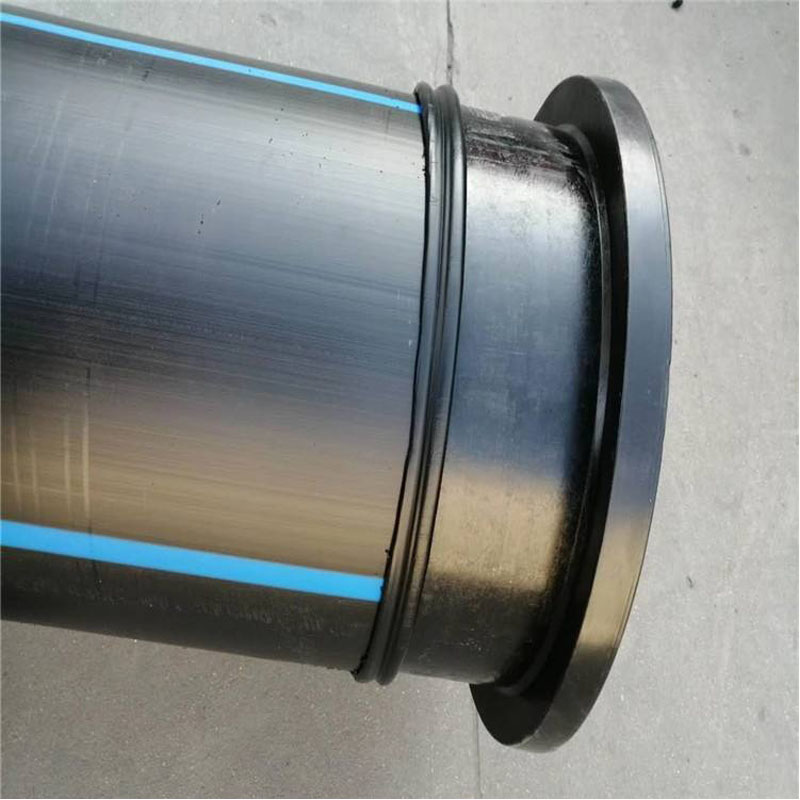
The performance of 1/2 inch PVC pipe is dictated by its mechanical strength, hydraulic characteristics, and resistance to environmental factors. Tensile strength, typically around 55 MPa (8000 psi), determines its ability to withstand axial loads. Burst pressure, a crucial parameter for pressure-rated applications, is typically around 450 psi for Schedule 40 PVC pipe, determined through hydrostatic testing according to ASTM D1595. The pipe's modulus of elasticity (around 3.0 GPa) defines its stiffness and resistance to deflection under load. Chemical resistance is a significant advantage; PVC exhibits excellent resistance to acids, bases, and many solvents, making it suitable for a wide range of fluid transport applications. However, it is susceptible to degradation by prolonged exposure to chlorinated hydrocarbons and aromatic compounds. Engineering considerations involve proper support spacing to prevent bending and excessive stress, especially when conveying fluids at elevated temperatures. The maximum operating temperature for standard PVC is around 60°C (140°F); exceeding this limit can lead to softening and reduced pressure-bearing capacity. Furthermore, UV exposure can cause discoloration and embrittlement over time; therefore, UV stabilizers are incorporated during manufacturing, and consideration should be given to shielding the pipe from direct sunlight in outdoor applications. Thermal expansion and contraction also necessitate the incorporation of expansion loops or flexible joints in long pipeline runs to accommodate dimensional changes due to temperature fluctuations. Force analysis, particularly in complex piping systems, must account for fluid velocity, pressure, and potential water hammer effects.
Technical Specifications
| Parameter | Value (Schedule 40, 1/2 inch) | Test Standard | Tolerance |
|---|---|---|---|
| Nominal Pipe Size | 1/2 inch (15 mm) | ASTM D1785 | ± 0.01 inch |
| Outer Diameter | 0.625 inch (15.88 mm) | ASTM D1785 | ± 0.005 inch |
| Wall Thickness | 0.065 inch (1.65 mm) | ASTM D1785 | ± 0.005 inch |
| Pressure Rating (Hydrostatic) | 450 psi (3.1 MPa) | ASTM D1595 | N/A |
| Tensile Strength | 55 MPa (8000 psi) | ASTM D638 | ± 5% |
| Impact Strength (Izod Notched) | 8.0 ft-lb/in (45 J/m) | ASTM D256 | ± 1 ft-lb/in |
Failure Mode & Maintenance
Common failure modes in 1/2 inch PVC pipe include cracking due to excessive stress, particularly at joints or points of support; crazing, a network of micro-cracks caused by tensile stress and environmental factors; and degradation due to prolonged UV exposure or chemical attack. A significant failure mechanism is brittle fracture, especially at low temperatures, exacerbated by impact loads. Long-term hydrostatic pressure can induce creep, leading to slow deformation and eventual failure. Delamination can occur due to improper extrusion or the presence of contaminants during manufacturing. Failure analysis often reveals that many failures are initiated by pre-existing defects, such as voids or inclusions within the pipe wall. Maintenance strategies focus on preventative measures. Regular visual inspections should be conducted to identify signs of cracking, discoloration, or deformation. Proper support and anchoring are essential to prevent stress concentrations. Avoid exposing PVC pipe to temperatures exceeding its maximum operating limit. For systems conveying abrasive fluids, consider using PVC pipe with higher abrasion resistance or implementing filtration systems. In the event of a leak, the affected section of pipe should be replaced using appropriate PVC cement and fittings. Avoid over-tightening fittings, as this can induce stress cracking. Long-term exposure to chlorine or other aggressive chemicals requires periodic inspection and potential replacement of the piping system.
Industry FAQ
Q: What is the impact of using recycled PVC on the mechanical properties of the 1/2 inch pipe?
A: The incorporation of recycled PVC can affect mechanical properties, specifically tensile strength and impact resistance. The extent of the impact depends on the quality and source of the recycled material, as well as the proportion used in the compound. Manufacturers using recycled PVC must carefully control the blending process and perform rigorous testing to ensure that the final product meets applicable standards (e.g., ASTM D1785). Generally, a moderate percentage of high-quality recycled PVC can be used without significant degradation, but higher percentages require careful evaluation and may necessitate the addition of performance-enhancing additives.
Q: How does the type of stabilizer used in PVC manufacturing affect the long-term performance and environmental impact?
A: The stabilizer system is critical. Historically, tin stabilizers were widely used, but concerns about their toxicity led to a shift towards calcium-zinc stabilizers and organic-based stabilizers. Calcium-zinc stabilizers are considered more environmentally friendly but may offer slightly lower thermal stability. The choice of stabilizer influences the pipe’s resistance to heat degradation, discoloration, and the release of harmful substances over its lifespan. Proper stabilizer formulation is also crucial for maintaining the pipe’s mechanical properties during long-term use.
Q: What are the primary differences between Schedule 40 and Schedule 80 PVC pipe, and when would Schedule 80 be preferred?
A: Schedule 40 and Schedule 80 refer to the pipe’s wall thickness. Schedule 80 has a thicker wall, providing greater pressure-bearing capacity and impact resistance. Schedule 80 is preferred in applications requiring higher pressures, such as industrial processes or systems with significant pressure fluctuations. It also offers greater durability in situations prone to physical damage. However, Schedule 80 is more expensive and has a smaller internal diameter for the same nominal pipe size.
Q: What are the common causes of leaks at PVC pipe joints, and how can they be prevented?
A: Leaks at joints are often caused by improper solvent cementing, inadequate surface preparation, or mismatched fittings. Proper surface cleaning and priming are essential to ensure a strong chemical bond. Using the correct type of PVC cement and applying it evenly is crucial. Ensuring that fittings and pipe are fully inserted and allowed to cure for the recommended time are also vital. Mechanical failures within the fittings themselves can also contribute to leaks.
Q: How does the water quality (pH, dissolved solids) affect the lifespan of PVC pipe?
A: Water quality can significantly impact PVC lifespan. Highly acidic or alkaline water can accelerate degradation. High concentrations of dissolved minerals, particularly calcium and magnesium, can lead to scale buildup inside the pipe, reducing flow capacity and potentially causing blockages. Corrosive substances in the water can also attack the PVC material over time. Selecting a PVC formulation appropriate for the water chemistry and considering the use of water treatment systems can mitigate these effects.
Conclusion
China-manufactured 1/2 inch Schedule 40 PVC pipe represents a cost-effective and versatile solution for a wide range of fluid conveyance applications. Its performance characteristics, dictated by material science, manufacturing processes, and adherence to industry standards, are crucial to understand for ensuring long-term system reliability. Proper material selection, careful installation, and preventative maintenance are vital for mitigating potential failure modes and maximizing the service life of the pipe.
The ongoing evolution of PVC technology, including the development of enhanced stabilizer systems and recycled PVC formulations, promises further improvements in performance and sustainability. As environmental regulations become increasingly stringent, the demand for PVC pipe manufactured with responsible sourcing and processing practices will continue to grow. Engineers and procurement professionals must remain informed about these advancements to make informed decisions and optimize their piping systems for efficiency and durability.
-
DN25 HDPE Compression Fitting-HORON INTERNATIONAL|Reliable Irrigation Solutions
NewsFeb.11,2026
-
china corrugated hdpe pipe fittings Performance Analysis
News2026-05-22
-
china ppr pipe for hot water Performance Analysis
News2026-05-22
-
china ppr Technical Performance Analysis
News2026-05-22
-
china corrugated dual wall pipe Performance Analysis
News2026-05-22
-
china sink inlet pipe Material Performance Analysis
News2026-05-22
-
china 1 2 inch pvc Performance Analysis
News2026-05-21
-
china hdpe pipe joint coupler Performance Analysis
News2026-05-21
-
china ppr pipes and fittings price list Technical Analysis
News2026-05-21
-
china 9 inch pvc pipe price Performance Analysis
News2026-05-21
-
china 2 inch borewell column pipe price Performance Engineering
News2026-05-21
-
china hdpe pipe suppliers Performance Analysis
News2026-05-20
-
china submersible pump column pipe Performance Engineering
News2026-05-20
-
china 8 hdpe corrugated pipe Manufacturing Analysis
News2026-05-20
-
china dual wall hdpe pipe Performance Analysis
News2026-05-20
-
china water lines under sink Performance Analysis
News2026-05-20