

Feb . 11, 2026 00:01 Back to list
china hdpe pipe suppliers Performance Analysis
Introduction
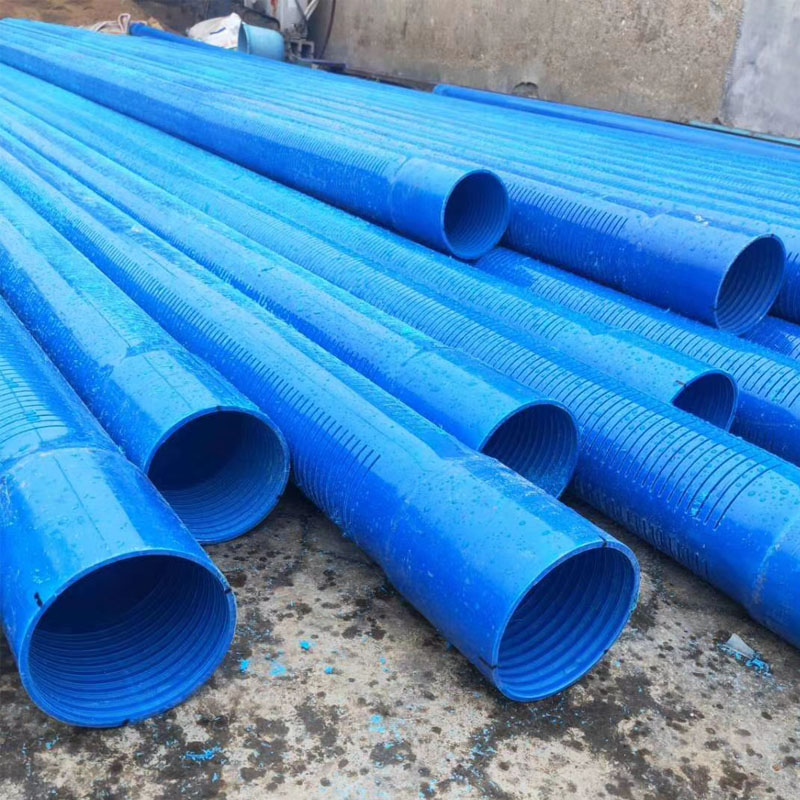
High-Density Polyethylene (HDPE) pipe, supplied extensively by manufacturers in China, represents a critical component within modern fluid and gas conveyance systems. Positioned as a direct replacement for traditional materials like ductile iron, steel, and PVC, HDPE pipe offers a unique combination of durability, flexibility, and cost-effectiveness. The industry chain begins with the sourcing of polyethylene resin – typically produced from ethylene derived from crude oil or natural gas – and extends through extrusion, quality control, and finally, distribution via a robust network of Chinese suppliers. Core performance characteristics center around pressure handling capabilities, long-term hydrostatic strength (LTHS), slow crack growth resistance, and chemical inertness. A primary pain point for procurement managers globally centers around ensuring consistent quality and adherence to international standards when sourcing from a diverse Chinese supply base. This guide provides a comprehensive technical overview of HDPE pipes from Chinese suppliers, detailing material science, manufacturing processes, performance attributes, failure modes, and relevant industry standards.
Material Science & Manufacturing
HDPE pipe derives its properties from the polyethylene (PE) polymer, specifically a linear polymer with minimal branching, resulting in high tensile strength and density. The raw material typically consists of PE resins categorized by density – HDPE being the highest, offering superior strength and rigidity. Additives such as carbon black are frequently incorporated to enhance UV resistance and protect against degradation. Manufacturing generally employs extrusion processes: specifically, spiral winding extrusion and blown film extrusion. Spiral winding, commonly used for larger diameter pipes, involves continuously winding a heated HDPE strip around a mandrel. Blown film extrusion, preferred for smaller diameters, utilizes a die to create a tubular film which is then inflated with air and cooled. Key parameters during extrusion include melt temperature (typically between 180-220°C), extrusion speed (controlling wall thickness), cooling rate (influencing crystallinity), and die design (affecting dimensional accuracy). Critical process control is necessary to maintain consistent melt flow index (MFI) – a measure of the ease with which molten HDPE flows – and to avoid defects like voids or inconsistencies in wall thickness. Material compatibility testing, particularly regarding long-term exposure to transported fluids, is paramount to ensure the HDPE grade is appropriate for the intended application. The presence of oxidative degradation byproducts, detectable through FTIR analysis, indicates potential material instability.
Performance & Engineering
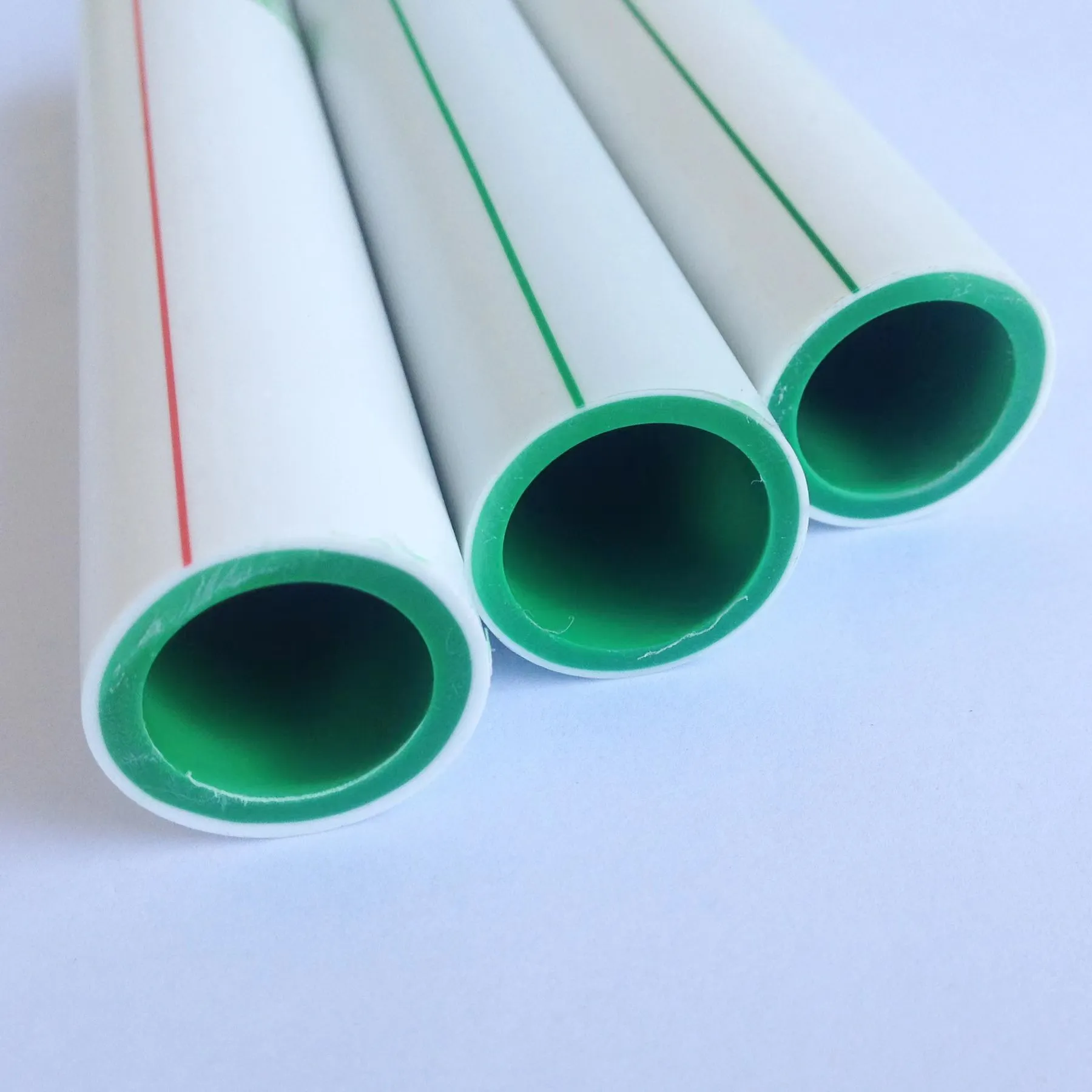
The performance of HDPE pipe is heavily influenced by its hydrostatic strength, which is the ability to withstand internal pressure. This is determined by the pipe’s dimensions (diameter and wall thickness), the PE material’s minimum required strength (MRS) – a statistical value representing the expected long-term strength – and the design factor applied. Force analysis under load considers hoop stress (circumferential stress) and longitudinal stress. HDPE exhibits significant creep resistance, but long-term deformation must be considered in design, particularly in buried applications subject to soil loads. Environmental resistance is a crucial factor. While HDPE is inherently resistant to many chemicals, prolonged exposure to strong oxidizers or certain solvents can lead to degradation. UV exposure causes chain scission, reducing the material's strength and increasing its susceptibility to cracking, hence the necessity of carbon black or UV stabilizers. Compliance requirements vary based on application and geographical location. For potable water applications, NSF/ANSI 61 certification is essential, verifying the material doesn’t leach harmful contaminants. For gas distribution, adherence to standards like EN 1555-1 (Europe) or ASTM D3350 (North America) is mandatory. Installation practices are critical; improper backfill compaction can induce excessive stress on the pipe, leading to premature failure. Thermal expansion and contraction are also important considerations; expansion loops or flexible joints are often required to accommodate temperature fluctuations.
Technical Specifications
| Parameter | Unit | Typical Value (HDPE Pipe - China Supplier) | Test Standard |
|---|---|---|---|
| Minimum Required Strength (MRS) | MPa | 10.0 - 16.0 | ISO 1167 |
| Hydrostatic Design Stress (HDS) | MPa | 6.3 - 9.6 | ASTM D2837 |
| Density | g/cm³ | 0.93 – 0.97 | ASTM D1505 |
| Melt Flow Index (MFI) | g/10min | 0.3 – 0.8 | ASTM D1238 |
| Oxidation Induction Time (OIT) | min | >200 | ASTM D3895 |
| Slow Crack Growth Resistance (SCGR) | Hours to Failure | >1000 | ASTM F1473 |
Failure Mode & Maintenance
HDPE pipe, while robust, is susceptible to several failure modes. Slow Crack Growth (SCG) is a primary concern, initiated by sustained tensile stress and exacerbated by environmental factors like temperature and the presence of aggressive chemicals. Fatigue cracking can occur due to cyclic loading, particularly in applications involving pressure surges or ground movement. Oxidation, accelerated by high temperatures and UV exposure, leads to chain scission and embrittlement. Joint failures often stem from improper fusion welding – inadequate heating, insufficient pressure, or contamination can create weak points. Third-party damage during installation or subsequent excavation represents a significant risk. Maintenance involves regular visual inspections for cracks, deformations, or signs of corrosion. Leak detection surveys employing acoustic or tracer gas methods can identify hidden failures. For minor cracks, heat fusion welding can often provide a repair. For larger failures, cut-and-replace is typically the preferred solution. Preventive maintenance includes ensuring proper backfill compaction, implementing cathodic protection in corrosive environments, and utilizing appropriate jointing techniques. A crucial aspect of failure analysis involves performing tensile testing on failed sections to determine the material’s remaining strength and identify the root cause of the failure.
Industry FAQ
Q: What quality control measures do Chinese HDPE pipe suppliers typically employ to ensure consistency?
A: Reputable suppliers utilize a multi-stage quality control process. This includes raw material inspection (verifying resin properties), in-process monitoring (controlling extrusion parameters), and final product testing (hydrostatic pressure testing, impact resistance testing, dimensional accuracy checks). Many suppliers also seek ISO 9001 certification, demonstrating a commitment to quality management systems. Independent third-party inspection is also available.
Q: How does the long-term hydrostatic strength (LTHS) of HDPE pipe compare to that of ductile iron pipe?
A: HDPE exhibits superior LTHS compared to ductile iron. While ductile iron can experience corrosion and degradation over time, reducing its pressure-carrying capacity, HDPE maintains its strength for decades, offering a predictable performance profile. HDPE's LTHS is governed by the MRS and temperature, allowing for accurate prediction of service life.
Q: What is the impact of ultraviolet (UV) exposure on HDPE pipe, and how is it mitigated?
A: UV exposure causes chain scission in HDPE, leading to embrittlement and reduced strength. This is mitigated by incorporating carbon black into the HDPE formulation, which acts as a UV stabilizer. The percentage of carbon black directly correlates to the level of UV protection. Pipe intended for above-ground applications requires higher carbon black content.
Q: What welding techniques are commonly used to join HDPE pipes, and what are the critical parameters?
A: Butt fusion, socket fusion, and electrofusion are the most common welding techniques. Butt fusion is used for larger diameter pipes and requires precise alignment, controlled heating temperature (typically 130-180°C), and adequate welding pressure. Socket fusion is suitable for smaller diameters and involves heating both the pipe and fitting. Electrofusion utilizes an electrical current to heat the fitting and pipe simultaneously. Maintaining correct temperature and pressure are critical for all methods.
Q: How do Chinese HDPE pipe suppliers address the issue of slow crack growth (SCG)?
A: Chinese suppliers address SCG by utilizing high-quality PE resins with appropriate molecular weight distribution and by adhering to strict manufacturing standards. Employing Pressure Testing is one method. The inclusion of stabilizers and antioxidants also enhances SCG resistance. Proper installation practices – avoiding excessive stress and utilizing appropriate bedding materials – are crucial to prevent SCG initiation.
Conclusion
HDPE pipe sourced from Chinese suppliers presents a compelling solution for a wide range of fluid and gas conveyance applications. Its inherent advantages – durability, flexibility, corrosion resistance, and cost-effectiveness – combined with advancements in manufacturing technology, make it a viable alternative to traditional materials. However, ensuring consistent quality and adherence to international standards requires rigorous due diligence, encompassing thorough material testing, process audits, and independent third-party inspection.
The continued evolution of HDPE technology, coupled with the increasing sophistication of Chinese manufacturing capabilities, suggests a promising future for this material. Future developments are likely to focus on enhancing SCG resistance, improving UV protection, and expanding the range of applications for HDPE pipe. Procurement professionals and engineers must remain informed about these advancements to leverage the full potential of this versatile material.
-
DN25 HDPE Compression Fitting-HORON INTERNATIONAL|Reliable Irrigation Solutions
NewsFeb.11,2026
-
china corrugated hdpe pipe fittings Performance Analysis
News2026-05-22
-
china ppr pipe for hot water Performance Analysis
News2026-05-22
-
china ppr Technical Performance Analysis
News2026-05-22
-
china corrugated dual wall pipe Performance Analysis
News2026-05-22
-
china sink inlet pipe Material Performance Analysis
News2026-05-22
-
china 1 2 inch pvc Performance Analysis
News2026-05-21
-
china hdpe pipe joint coupler Performance Analysis
News2026-05-21
-
china ppr pipes and fittings price list Technical Analysis
News2026-05-21
-
china 9 inch pvc pipe price Performance Analysis
News2026-05-21
-
china 2 inch borewell column pipe price Performance Engineering
News2026-05-21
-
china hdpe pipe suppliers Performance Analysis
News2026-05-20
-
china submersible pump column pipe Performance Engineering
News2026-05-20
-
china 8 hdpe corrugated pipe Manufacturing Analysis
News2026-05-20
-
china dual wall hdpe pipe Performance Analysis
News2026-05-20
-
china water lines under sink Performance Analysis
News2026-05-20