

Feb . 11, 2026 00:01 Back to list
china corrugated dual wall pipe Performance Analysis
Introduction
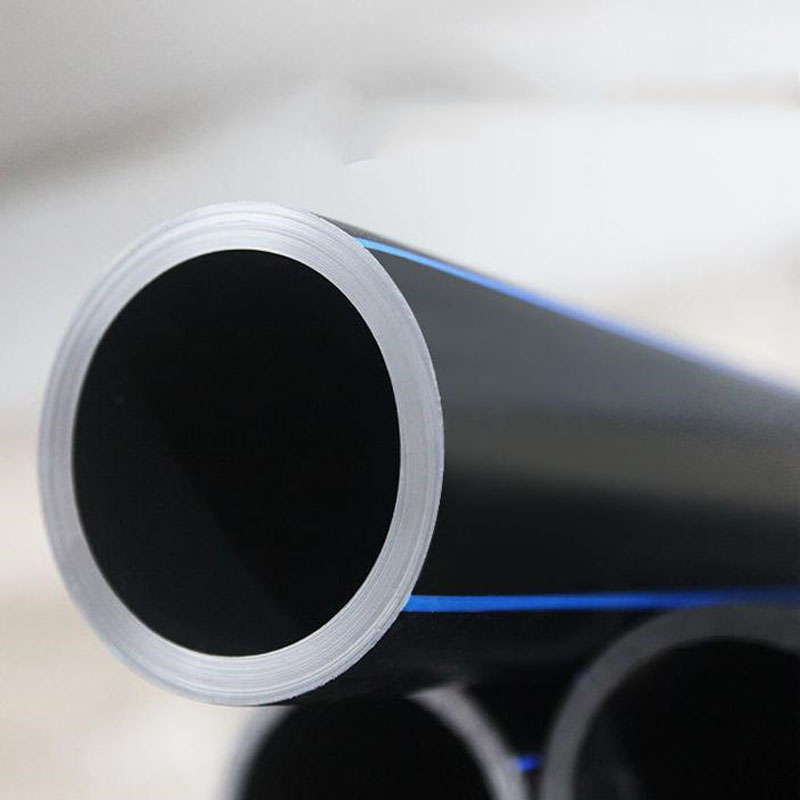
China corrugated dual wall pipe is a high-performance, lightweight piping solution predominantly utilized in subsurface drainage, stormwater management, and culvert applications. Technically positioned between traditional solid wall HDPE pipe and corrugated single-wall pipe, it offers increased structural rigidity and load-bearing capacity without the significant weight and cost of reinforced concrete alternatives. The core performance characteristics revolve around its ability to withstand external loads – soil overburden, traffic loads – while maintaining hydraulic flow capacity and long-term durability. Its widespread adoption in infrastructure projects stems from a favorable balance of cost-effectiveness, ease of installation, and compliance with evolving environmental regulations regarding stormwater runoff and water quality. The pipe’s construction consists of an inner layer for hydraulic performance, a corrugated outer wall providing structural integrity, and a textured exterior to enhance backfill adhesion. Understanding the nuances of its material composition, manufacturing processes, and performance under various operational conditions is critical for successful implementation and longevity in demanding environments.
Material Science & Manufacturing
The primary material employed in China corrugated dual wall pipe is High-Density Polyethylene (HDPE), specifically grades exhibiting high stiffness and environmental stress crack resistance (ESCR). HDPE's inherent properties – tensile strength (typically 35-45 MPa), elongation at break (200-500%), and low moisture absorption – contribute to its suitability. The corrugated layer utilizes a different HDPE formulation optimized for impact resistance and formability. Raw material quality control is paramount, focusing on Melt Flow Index (MFI) to ensure consistent extrusion characteristics, and carbon black content for UV stabilization. The manufacturing process typically involves co-extrusion. First, the inner layer is extruded as a smooth, circular profile. Simultaneously, the corrugated outer wall is formed using a specialized corrugating die. Precise control of extrusion temperature (180-220°C), die speed, and cooling rates is crucial for maintaining dimensional accuracy and preventing warping. The two layers are then merged in a continuous process, followed by cutting to specified lengths. Critical parameters include wall thickness uniformity (±0.2 mm), corrugation profile consistency, and proper adhesion between layers. Post-production quality checks include hydrostatic pressure testing to verify structural integrity and visual inspection for defects. The material's resistance to chemical degradation from common soil contaminants (sulfates, chlorides) and typical construction materials is also assessed. The polymer grade must meet ISO 4437 standards.
Performance & Engineering
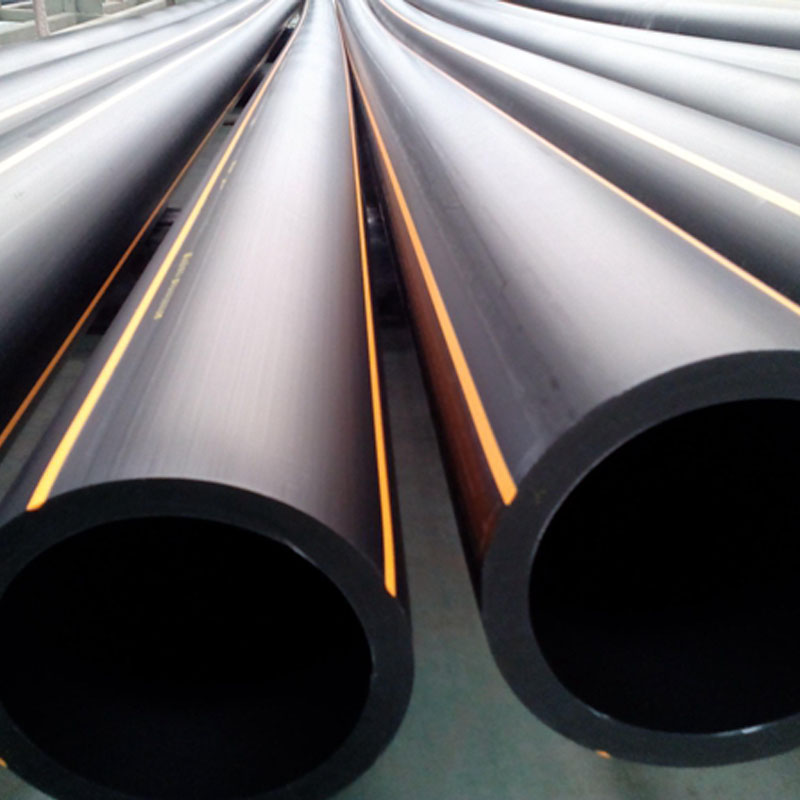
Performance of corrugated dual wall pipe is heavily governed by load-bearing capacity, defined by its ability to withstand vertical loads (soil cover, traffic) without excessive deformation or failure. Engineering analysis employs the "ring compression" theory, considering pipe diameter, wall thickness, corrugation profile, and soil stiffness. ASTM F894 provides standardized testing procedures for determining pipe stiffness (measured as a deflection under a specific load). The pipe’s structural performance is also affected by installation practices; proper embedment depth, compaction of backfill material (ensuring minimum 85% Proctor density), and bedding conditions are essential. Environmental resistance is another key consideration. While HDPE is inherently resistant to many chemicals, long-term exposure to aggressive soil conditions can lead to stress cracking. UV degradation is mitigated by the inclusion of carbon black, but prolonged exposure can still necessitate protective measures. Hydraulic performance is optimized by the smooth inner surface, minimizing friction losses and maximizing flow capacity. The Manning's equation is utilized to calculate flow rates based on pipe diameter, slope, and roughness coefficient. Compliance with local and national drainage regulations, often referencing standards like ASTM D2412, is mandatory. Detailed calculations regarding buoyancy control (particularly in saturated soils) must also be performed to prevent pipe uplift.
Technical Specifications
| Parameter | Unit | Typical Value | Testing Standard |
|---|---|---|---|
| Nominal Diameter | mm | 300-1200 | GB/T 17891 |
| Pipe Stiffness | kPa | 200-800 | ASTM F894 |
| Minimum Compressive Strength | N/m | > 1000 | ASTM D2412 |
| Tensile Strength (HDPE) | MPa | >35 | ISO 527-2 |
| Elongation at Break (HDPE) | % | >200 | ISO 527-2 |
| Melt Flow Index (MFI) | g/10min | 0.5-2.0 | ISO 1133 |
Failure Mode & Maintenance
Common failure modes in corrugated dual wall pipe include: 1) Ovalation/Deformation: Caused by inadequate bedding or excessive loads leading to permanent deformation of the corrugations. 2) Cracking: Resulting from stress concentration at points of impact, improper installation (sharp bends), or material defects. Environmental Stress Cracking (ESC) can occur due to prolonged exposure to aggressive chemicals. 3) Joint Failure: Occurring at couplings or connections if not properly installed or if the joint material is incompatible. 4) Blockage: Caused by debris accumulation, root intrusion, or sediment deposition, reducing hydraulic capacity. 5) UV Degradation: Though HDPE has UV stabilizers, prolonged exposure can embrittle the material. Maintenance strategies include: regular visual inspections to identify deformation or cracking; periodic cleaning to remove debris and sediment (hydro-jetting is effective); root control measures (chemical or mechanical); and ensuring proper bedding and backfill during installation. Preventative measures involve selecting appropriate pipe stiffness for the anticipated load, using high-quality installation materials, and providing adequate drainage to minimize hydrostatic pressure. Failure analysis often involves microscopic examination of fractured surfaces to determine the root cause (brittle fracture indicates impact or low temperature; ductile fracture suggests overstressing or ESC). Long-term monitoring of deflection using inclinometers can provide early warning signs of potential structural issues.
Industry FAQ
Q: What is the impact of soil corrosivity on the long-term performance of the pipe?
A: Soil corrosivity, particularly the presence of sulfates and chlorides, can lead to Environmental Stress Cracking (ESC) in HDPE. Higher concentrations accelerate the degradation process. Mitigation strategies include selecting HDPE grades with enhanced ESCR, utilizing protective coatings, and ensuring proper drainage to minimize chemical exposure.
Q: How does backfill material affect the pipe’s load-bearing capacity?
A: Backfill material significantly impacts load distribution. Proper compaction (minimum 85% Proctor density) is crucial. Granular materials (gravel, sand) provide better load support than cohesive soils (clay). Insufficient compaction or the use of unsuitable backfill can lead to pipe deformation and failure.
Q: What are the considerations for using this pipe in areas with high groundwater tables?
A: High groundwater tables can lead to buoyancy issues, potentially causing pipe uplift. Engineering calculations must account for hydrostatic forces. Solutions include increasing the embedment depth, utilizing heavier pipe materials, or incorporating ballast materials.
Q: What are the typical installation procedures to ensure long-term joint integrity?
A: Proper joint assembly is vital. Couplings should be installed according to the manufacturer's specifications, utilizing appropriate lubricants and ensuring correct alignment. Adequate compaction of backfill around the joints is essential to provide support and prevent movement.
Q: How does temperature affect the performance of corrugated dual wall pipe?
A: Extreme temperatures can influence HDPE’s mechanical properties. Low temperatures can increase brittleness, while high temperatures can reduce stiffness. Installation during moderate temperatures is recommended. Thermal expansion and contraction should be considered during design to prevent stress buildup.
Conclusion
China corrugated dual wall pipe represents a robust and cost-effective solution for a wide range of drainage and culvert applications. Its performance is intrinsically linked to the material science of HDPE, specifically its ability to withstand external loads, resist chemical degradation, and maintain hydraulic efficiency. A thorough understanding of manufacturing processes, adherence to stringent quality control measures, and proper installation techniques are all critical for maximizing its service life and ensuring long-term reliability.
Moving forward, advancements in HDPE formulations – including the incorporation of nanocomposites for enhanced strength and durability – and optimized corrugation profiles will further enhance the performance characteristics of this piping system. Continued research focused on mitigating ESC in aggressive soil environments and developing more sustainable manufacturing practices will also be vital. Successful implementation requires a holistic approach, encompassing detailed engineering analysis, proper material selection, and meticulous attention to installation procedures.
-
DN25 HDPE Compression Fitting-HORON INTERNATIONAL|Reliable Irrigation Solutions
NewsFeb.11,2026
-
china corrugated hdpe pipe fittings Performance Analysis
News2026-05-22
-
china ppr pipe for hot water Performance Analysis
News2026-05-22
-
china ppr Technical Performance Analysis
News2026-05-22
-
china corrugated dual wall pipe Performance Analysis
News2026-05-22
-
china sink inlet pipe Material Performance Analysis
News2026-05-22
-
china 1 2 inch pvc Performance Analysis
News2026-05-21
-
china hdpe pipe joint coupler Performance Analysis
News2026-05-21
-
china ppr pipes and fittings price list Technical Analysis
News2026-05-21
-
china 9 inch pvc pipe price Performance Analysis
News2026-05-21
-
china 2 inch borewell column pipe price Performance Engineering
News2026-05-21
-
china hdpe pipe suppliers Performance Analysis
News2026-05-20
-
china submersible pump column pipe Performance Engineering
News2026-05-20
-
china 8 hdpe corrugated pipe Manufacturing Analysis
News2026-05-20
-
china dual wall hdpe pipe Performance Analysis
News2026-05-20
-
china water lines under sink Performance Analysis
News2026-05-20