

Feb . 11, 2026 00:01 Back to list
china type of ppr pipe Manufacturing Analysis
Introduction
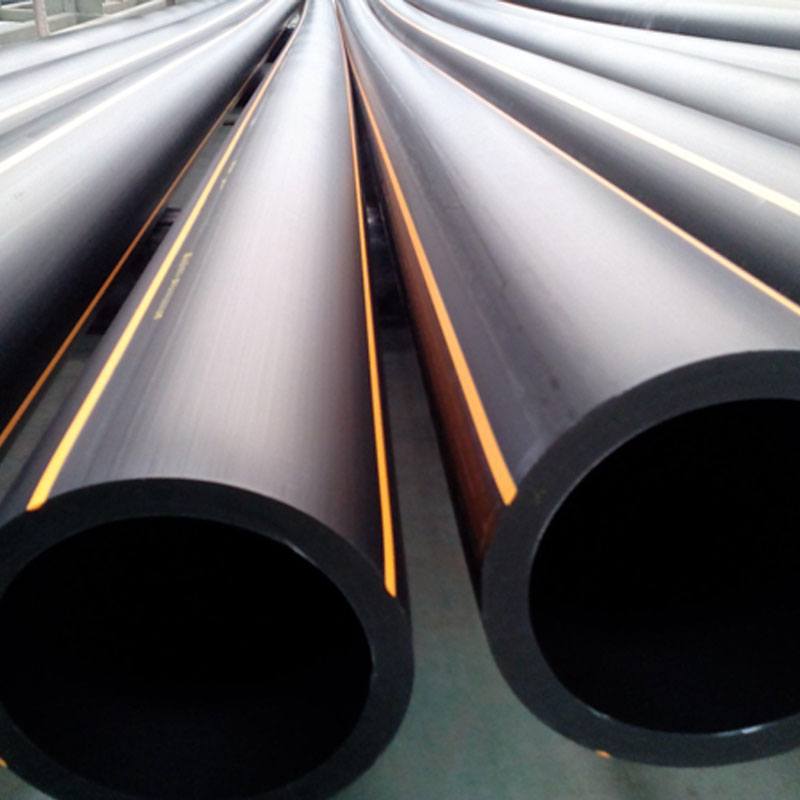
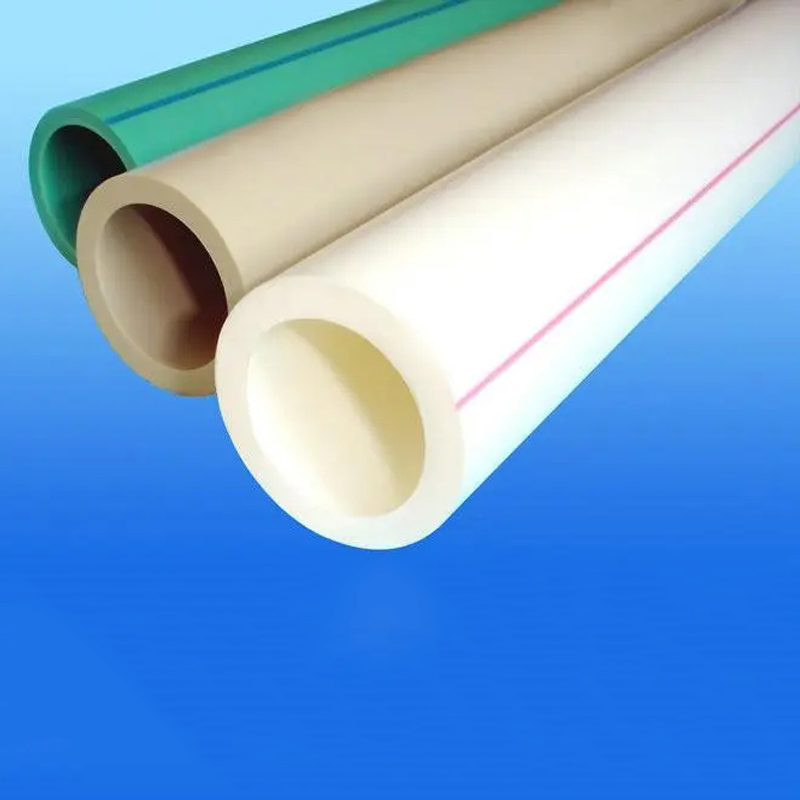
Polypropylene Random (PPR) pipe, a China type commonly referenced in international trade, represents a significant advancement in thermoplastic piping systems for fluid transport. Technically positioned as a direct replacement for traditional metal piping (steel, copper, galvanized iron) in a wide range of applications, PPR pipe is predominantly utilized in potable water supply, heating systems, and industrial fluid handling. Its core performance characteristics – namely corrosion resistance, thermal stability, and cost-effectiveness – distinguish it within the broader polymer piping market. The 'China type' designation often refers to adherence to specific manufacturing standards and material formulations optimized for cost and prevalent application needs within the region, often focusing on larger diameter and thinner-walled configurations compared to European counterparts. Understanding these nuances is critical for global procurement and ensuring appropriate application suitability. The material’s inherent properties allow for hot and cold water distribution, reducing reliance on multiple piping systems. Its lightweight nature also simplifies installation compared to heavier metallic alternatives.
Material Science & Manufacturing
The foundation of China type PPR pipe lies in polypropylene random copolymer. The raw material’s key physical properties include a density ranging from 0.905 to 0.92 g/cm³, a Vicat softening temperature typically between 130-150°C, and a tensile strength ranging from 20-30 MPa, dependent on the specific grade and additives used. The copolymerization of propylene with ethylene introduces random ethylidene units, disrupting the crystallinity of the polypropylene and consequently enhancing its impact resistance and weldability. Manufacturing typically begins with the polymerization of propylene and ethylene monomers. The resulting polypropylene resin is then compounded with stabilizers (antioxidants, UV absorbers), lubricants, and potentially pigments to achieve desired performance characteristics and aesthetic properties. Extrusion is the predominant manufacturing process. The compounded resin is fed into a single or twin-screw extruder, melted, and forced through a die to form the pipe’s desired dimensions. Key parameter control during extrusion is paramount, including melt temperature (typically 190-230°C), extrusion speed, and die pressure. Post-extrusion, the pipe undergoes cooling, sizing, and cutting to specified lengths. Socket fusion welding, a prevalent joining technique, requires precise temperature control (typically 260-270°C) and adequate pressure to ensure a homogenous weld. Quality control checkpoints involve hydrostatic pressure testing (typically 1.6 MPa for potable water applications) and dimensional accuracy assessment. The presence of chlorine in water sources requires careful selection of stabilizer packages to prevent degradation of the polymer matrix.
Performance & Engineering
Performance assessment of China type PPR pipe necessitates consideration of several critical engineering factors. Hydrostatic strength, a key indicator of burst resistance, is governed by the pipe’s dimensions (diameter and wall thickness) and the material’s minimum yield strength. Force analysis demonstrates that hoop stress increases inversely with pipe diameter, requiring thicker walls for larger diameter pipes to maintain equivalent pressure ratings. Environmental resistance is another critical aspect. While PPR exhibits excellent resistance to most common chemicals, prolonged exposure to oxidizing agents and strong acids can lead to degradation. Temperature-pressure derating curves are essential for determining permissible operating conditions, as the material’s mechanical properties decrease with increasing temperature. Compliance with international standards (discussed in the footer) mandates specific testing procedures to verify these performance parameters. Long-term hydrostatic strength (LTHS) is a particularly important metric, assessing the pipe's ability to withstand continuous internal pressure over a service life of typically 50 years. Creep rupture, a time-dependent failure mechanism, is a primary concern in LTHS testing. Thermal expansion is also a significant consideration during installation; PPR has a coefficient of thermal expansion approximately ten times that of steel, necessitating the inclusion of expansion joints in long runs to prevent stress buildup. The inherent smoothness of the inner surface minimizes friction losses, contributing to energy efficiency in fluid transport systems.
Technical Specifications
| Parameter | DN20 (1/2") | DN25 (3/4") | DN32 (1") | DN40 (1 1/4") |
|---|---|---|---|---|
| Outside Diameter (mm) | 21.5 | 26.5 | 32.5 | 42.4 |
| Wall Thickness (mm) | 2.3 | 2.8 | 3.1 | 3.7 |
| Pressure Rating (PN) (bar) | 25 | 25 | 20 | 20 |
| Hydrostatic Pressure Test (MPa) | 3.75 | 3.75 | 3.0 | 3.0 |
| Vicat Softening Temperature (°C) | 135-145 | 135-145 | 135-145 | 135-145 |
| Tensile Strength (MPa) | 22-28 | 22-28 | 22-28 | 22-28 |
Failure Mode & Maintenance
Failure modes in China type PPR pipe can be categorized into several key areas. Slow Crack Growth (SCG) is a primary concern, particularly in applications involving sustained tensile stress and exposure to certain chemicals. This manifests as micro-cracks that propagate over time, ultimately leading to failure. Hydrostatic fatigue, caused by cyclical pressure fluctuations, can also initiate cracking. Oxidation, resulting from exposure to high temperatures and oxygen, degrades the polymer matrix, reducing its mechanical properties. UV degradation, although less common in buried applications, can embrittle the pipe if exposed to prolonged sunlight. Improper socket fusion welding is a frequent cause of failure, resulting from insufficient fusion, misalignment, or contamination of the weld area. Maintenance primarily focuses on preventative measures. Regular inspections should be conducted to identify signs of cracking, deformation, or corrosion. Proper support and anchoring of the pipe are crucial to minimize stress. Avoid exceeding the recommended operating temperature and pressure limits. If leaks are detected, the affected section should be cut out and replaced using appropriate socket fusion welding techniques. For long-term reliability, consider implementing a corrosion monitoring program, especially in aggressive environments. The use of appropriate stabilizers and quality control during manufacturing are the first lines of defense against these failure modes.
Industry FAQ
Q: What is the impact of water hammer on PPR pipe systems?
A: Water hammer, or hydraulic shock, is a significant concern for PPR pipe systems. The sudden change in flow velocity can generate high-pressure surges that exceed the pipe’s pressure rating, potentially causing cracking or joint failure. Mitigation strategies include the installation of pressure relief valves, air chambers, and slow-closing valves to dampen the pressure fluctuations. Proper pipe anchoring is also essential to absorb the shock waves.
Q: How does the quality of stabilizers affect the long-term performance of PPR pipe?
A: The quality and type of stabilizers used during manufacturing directly impact the long-term durability of PPR pipe. Effective stabilizers prevent oxidation, UV degradation, and thermal decomposition of the polymer matrix. Inferior stabilizers can lead to premature embrittlement, cracking, and a reduced service life. Choosing a supplier with a robust quality control system for stabilizer selection is crucial.
Q: What are the key differences between Type 1, Type 2, and Type 3 PPR pipes?
A: These designations refer to the pipe’s pressure rating, and consequently, wall thickness. Type 1 (PN10) is suitable for cold water applications; Type 2 (PN16) is commonly used for both hot and cold water; and Type 3 (PN20 or PN25) is designed for higher pressure and temperature applications, such as industrial processes. Selecting the appropriate type based on the intended application is critical for ensuring safety and reliability.
Q: What are the limitations of using PPR pipe in industrial applications involving aggressive chemicals?
A: While PPR exhibits good resistance to many chemicals, it is susceptible to degradation by strong acids, oxidizing agents, and certain solvents. Before using PPR pipe in an industrial application, a thorough chemical compatibility assessment should be conducted to verify its suitability. Alternative materials may be necessary for handling highly corrosive fluids.
Q: How does the welding technique affect the integrity of PPR pipe joints?
A: Proper socket fusion welding is paramount for achieving a leak-proof and structurally sound joint. Incorrect temperature settings, insufficient welding time, or misalignment can result in a weak weld prone to failure. Following the manufacturer’s recommended welding parameters and using calibrated welding tools are essential for ensuring joint integrity. Regular training and certification of welding personnel are also recommended.
Conclusion
China type PPR pipe presents a compelling solution for a wide spectrum of fluid transport applications, offering a robust combination of corrosion resistance, thermal stability, and cost-effectiveness. Its performance characteristics, however, are intrinsically linked to material selection, manufacturing quality, and adherence to appropriate installation and maintenance protocols. Understanding the potential failure modes—including slow crack growth, hydrostatic fatigue, and oxidation—and implementing preventative measures is crucial for maximizing its service life and ensuring long-term reliability.
Moving forward, advancements in stabilizer technology and improved quality control processes will further enhance the durability and performance of PPR pipe. Furthermore, increased focus on standardized testing methodologies and harmonization of international standards will facilitate global acceptance and broaden its application scope. A comprehensive approach encompassing material science, engineering principles, and rigorous quality assurance is paramount for realizing the full potential of this versatile piping material.
-
DN25 HDPE Compression Fitting-HORON INTERNATIONAL|Reliable Irrigation Solutions
NewsFeb.11,2026
-
china type of ppr pipe Manufacturing Analysis
News2026-05-25
-
china plumbing ppr pipe Performance Analysis
News2026-05-25
-
china 20mm ppr pipe Material Science
News2026-05-25
-
china pvc sprinkler pipe Performance and Engineering
News2026-05-25
-
china dn500 hdpe double wall corrugated pipe for sewage drain Performance Analysis
News2026-05-25
-
china use of pvc pipe Performance Analysis
News2026-05-24
-
china 50mm pvc pipe price Performance Analysis
News2026-05-24
-
china ppr pipe 50mm price Performance Analysis
News2026-05-24
-
china hdpe coupler price Performance Analysis
News2026-05-24
-
china white pvc pipe Performance Analysis
News2026-05-24
-
china 100mm pvc pipe price Performance Analysis
News2026-05-23
-
china pvc pipe used for Performance Analysis
News2026-05-23
-
china ppr water pipe fittings Performance Analysis
News2026-05-23
-
china hdpe pipe couplings Performance Analysis
News2026-05-23
-
china 50mm ppr pipe price Performance Analysis
News2026-05-23