

Feb . 11, 2026 00:01 Back to list
china hdpe conduit coupling Performance Analysis
Introduction
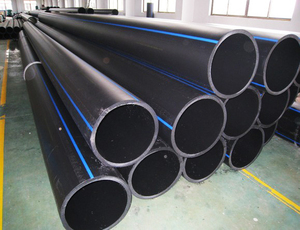
High-Density Polyethylene (HDPE) conduit couplings are critical components in electrical, telecommunications, and infrastructure projects. Serving as the joining mechanism for HDPE conduit sections, these couplings ensure the secure and continuous protection of sensitive cabling and wiring. They occupy a pivotal position within the broader electrical infrastructure supply chain, interfacing directly with conduit production, trenching & installation services, and ultimately, system commissioning. Core performance characteristics center around maintaining a watertight seal, resisting mechanical stress from soil loading and temperature fluctuations, and providing long-term durability against chemical degradation. The proliferation of fiber optic networks and increased demands for robust underground infrastructure have driven significant innovation in HDPE conduit coupling design and manufacturing, notably in China, which has become a global hub for production.
Material Science & Manufacturing
HDPE conduit couplings are primarily manufactured from High-Density Polyethylene (HDPE) resin, typically conforming to PE100 or PE80 standards. HDPE's inherent properties – high tensile strength, excellent chemical resistance, and flexibility – are vital for underground applications. The raw HDPE resin is often blended with UV stabilizers (carbon black is common) to mitigate degradation from sunlight exposure during storage and installation. Manufacturing processes largely fall into two categories: injection molding and extrusion. Injection molding is used for smaller, more complex coupling designs, such as those incorporating mechanical gasket grooves. This process involves heating HDPE pellets to a molten state and injecting them into a mold cavity under high pressure. Critical parameters controlled during injection molding include melt temperature (typically 180-220°C), mold temperature (30-50°C), injection pressure (70-100 MPa), and cooling time. Extrusion is utilized for producing larger diameter couplings or those with simpler geometries. HDPE resin is fed into an extruder, melted, and forced through a die to create a continuous profile, which is then cut to length. Extrusion parameter control focuses on barrel temperature profiling, screw speed, and die pressure. Gaskets used within the couplings are commonly EPDM (ethylene propylene diene monomer) rubber, chosen for its excellent resistance to water, ozone, and aging. The chemical compatibility between HDPE and EPDM is crucial for long-term sealing performance.
Performance & Engineering
The primary engineering concern for HDPE conduit couplings is maintaining a watertight seal under sustained hydrostatic pressure and soil loading. Force analysis considers both radial compression from surrounding soil and axial tensile stress resulting from temperature-induced expansion and contraction of the conduit. Coupling designs must accommodate these stresses without compromising the seal. Common coupling types include solvent weld couplings, mechanical couplings (with compression fittings or interlocking features), and electrofusion couplings. Solvent weld couplings rely on a chemical reaction between the solvent and the HDPE to create a fused joint; proper surface preparation and solvent application are critical. Mechanical couplings utilize rubber gaskets compressed by a tightening mechanism, requiring consistent torque application during installation. Electrofusion couplings employ resistive heating to fuse the coupling and conduit together, offering a robust and reliable joint but demanding skilled operators and specialized equipment. Environmental resistance encompasses UV exposure (addressed through resin additives), chemical attack from soil contaminants (e.g., sulfates, chlorides), and temperature extremes. Compliance requirements vary by region but often reference IEC 60502-2 (for electrical installations) and local building codes. The long-term creep resistance of HDPE is a significant consideration, particularly in applications with high sustained loads.
Technical Specifications
| Parameter | Unit | Typical Value (China HDPE Conduit Coupling) | Test Standard |
|---|---|---|---|
| Nominal Size | mm | 20-125 | GB/T 18173 |
| Material | - | PE100 / PE80 | GB/T 7553 |
| Operating Pressure | MPa | 1.0-1.6 | ISO 1167 |
| Tensile Strength | MPa | >25 | GB/T 1043 |
| Elongation at Break | % | >300 | GB/T 1043 |
| Water Absorption | % | <0.5 | GB/T 1947 |
Failure Mode & Maintenance
Common failure modes for HDPE conduit couplings include gasket failure (leading to water ingress), cracking due to over-tightening or impact damage, and degradation of the HDPE material itself. Fatigue cracking can occur in mechanical couplings subjected to repeated stress cycles from soil movement or thermal expansion/contraction. Delamination of the HDPE material can result from prolonged UV exposure or chemical attack. Oxidation of the HDPE, particularly in areas exposed to high temperatures, can reduce its mechanical properties. Regular inspection is crucial. Visual checks should identify any signs of cracking, deformation, or gasket extrusion. Hydrostatic testing can verify the integrity of the seal. Maintenance typically involves re-tightening mechanical couplings (within specified torque limits) or replacing damaged gaskets. For solvent weld couplings, repair usually requires cutting out the damaged section and replacing it with a new coupling and conduit. Proper installation practices – avoiding over-tightening, using appropriate solvents, and ensuring clean surfaces – are the most effective preventative measures. The service life of HDPE conduit couplings is typically 50+ years, but this is contingent on environmental conditions and adherence to recommended maintenance procedures.
Industry FAQ
Q: What is the impact of soil acidity on the longevity of HDPE conduit couplings?
A: Highly acidic soils can accelerate the degradation of HDPE, particularly at the interface with the gasket material. Sulfuric acid, often present in areas with pyrite-rich soils, is particularly damaging. Specifying couplings with enhanced chemical resistance (e.g., using a higher-grade HDPE resin or a more robust gasket material like Viton) and employing protective coatings on the coupling body can mitigate this risk.
Q: How do electrofusion couplings compare to solvent weld couplings in terms of installation time and reliability?
A: Electrofusion couplings generally require a longer installation time due to the fusion process and the need for specialized equipment and trained personnel. However, they offer significantly higher joint reliability and resistance to pull-out forces compared to solvent weld couplings, provided the fusion parameters are correctly set and monitored. Solvent welding is faster but more susceptible to human error and environmental factors (temperature, humidity).
Q: What torque specification should be used for tightening mechanical HDPE conduit couplings?
A: Torque specifications vary depending on the coupling size and manufacturer. Over-tightening can crush the gasket and damage the coupling body, while under-tightening can lead to water ingress. Always refer to the manufacturer's datasheet for the precise torque value. Using a calibrated torque wrench is essential for accurate application.
Q: What are the key considerations when selecting a gasket material for HDPE conduit couplings in high-temperature environments?
A: EPDM gaskets have limited temperature resistance. For applications exceeding 60°C, alternative materials like Viton (fluoroelastomer) or silicone rubber should be considered. These materials maintain their elasticity and sealing properties at higher temperatures, preventing leakage. The gasket’s compression set (permanent deformation under pressure) should also be assessed at the operating temperature.
Q: How does the presence of stray electrical currents affect the corrosion resistance of HDPE conduit couplings?
A: While HDPE itself is not susceptible to traditional galvanic corrosion, stray electrical currents can cause electrochemical degradation, particularly in the presence of moisture and electrolytes. This can lead to cracking and reduced mechanical strength. Grounding the conduit system properly and implementing cathodic protection measures can mitigate this risk.
Conclusion
HDPE conduit couplings represent a critical, often understated, component within broader infrastructure networks. Their performance dictates the long-term integrity of protected cabling systems, minimizing downtime and ensuring reliable communication and power delivery. The selection process necessitates a thorough understanding of material science – specifically the properties of HDPE and compatible gasket materials – coupled with a detailed evaluation of installation conditions and anticipated environmental stressors.
Future trends will likely focus on the development of 'smart' couplings incorporating sensors for leak detection and structural health monitoring. Increased adoption of pre-fabricated, modular conduit systems will also drive demand for couplings with streamlined installation features and enhanced durability. Maintaining adherence to international standards and rigorous quality control procedures will remain paramount to ensure the continued reliability and longevity of these essential components.
-
DN25 HDPE Compression Fitting-HORON INTERNATIONAL|Reliable Irrigation Solutions
NewsFeb.11,2026
-
china water lines under kitchen sink Performance Analysis
News2026-05-26
-
china hdpe conduit coupling Performance Analysis
News2026-05-26
-
china pvc irrigation pipe Performance Analysis
News2026-05-26
-
china all types of pvc pipes Performance Analysis
News2026-05-26
-
china hdpe reducing coupler Performance Analysis
News2026-05-26
-
china type of ppr pipe Manufacturing Analysis
News2026-05-25
-
china plumbing ppr pipe Performance Analysis
News2026-05-25
-
china 20mm ppr pipe Material Science
News2026-05-25
-
china pvc sprinkler pipe Performance and Engineering
News2026-05-25
-
china dn500 hdpe double wall corrugated pipe for sewage drain Performance Analysis
News2026-05-25
-
china use of pvc pipe Performance Analysis
News2026-05-24
-
china 50mm pvc pipe price Performance Analysis
News2026-05-24
-
china ppr pipe 50mm price Performance Analysis
News2026-05-24
-
china hdpe coupler price Performance Analysis
News2026-05-24
-
china white pvc pipe Performance Analysis
News2026-05-24