

Feb . 11, 2026 00:01 Back to list
china pvc irrigation pipe Performance Analysis
Introduction
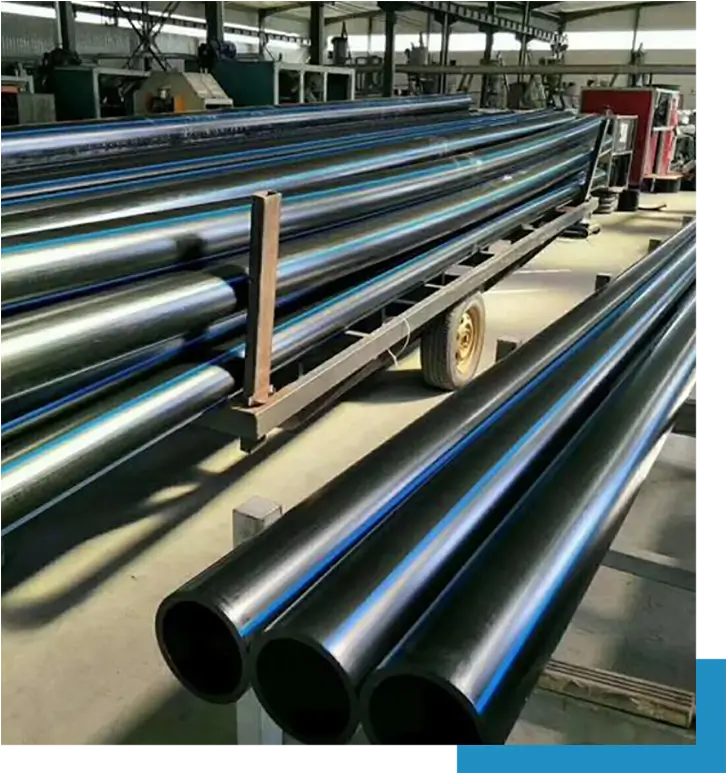
Polyvinyl Chloride (PVC) irrigation pipe, manufactured extensively in China, represents a critical component of modern agricultural infrastructure. Positioned within the water conveyance segment of the broader agricultural supply chain, it facilitates the efficient delivery of water resources to crops, playing a vital role in maximizing yields and minimizing water waste. These pipes are categorized as pressure-rated, non-metallic piping systems designed for below-ground or above-ground irrigation applications. Core performance characteristics center around pressure capacity, flow rate, UV resistance (for exposed installations), and long-term durability in varied soil and climate conditions. The Chinese manufacturing base provides cost-effective solutions globally, but necessitates a detailed understanding of material grades, manufacturing standards adherence, and potential failure modes to ensure optimal performance and longevity. A primary industry pain point revolves around inconsistent quality control amongst suppliers and the need for thorough testing to verify compliance with international standards.
Material Science & Manufacturing
The primary raw material for PVC irrigation pipe is Polyvinyl Chloride resin, typically sourced as suspension PVC (S-PVC). This resin exhibits excellent chemical resistance, low cost, and ease of processing. Key additives include plasticizers (typically phthalates or alternatives like DINCH, influencing flexibility and impact resistance), stabilizers (to prevent thermal degradation during processing and UV exposure in service – commonly calcium-zinc or lead-based, though the latter is increasingly restricted), lubricants (to facilitate extrusion), and impact modifiers (to enhance toughness). The manufacturing process primarily involves extrusion. PVC resin and additives are blended, then fed into a twin-screw extruder where they are heated and homogenized. The molten PVC is forced through a die to create the desired pipe diameter and wall thickness. Critical process parameters include extrusion temperature (180-220°C), screw speed, die design, and cooling rate. Post-extrusion, pipes undergo dimensional checks, hydrostatic pressure testing, and potentially, surface treatment or marking. Material properties are significantly influenced by the degree of polymerization of the PVC resin – higher polymerization results in greater strength and rigidity, but reduced processability. Jointing methods include solvent cementing (using PVC cements which partially dissolve the pipe material, creating a weld) and mechanical fittings (rubber ring joints or threaded connections). Quality control focuses on verifying resin composition, additive percentages, and adherence to extrusion parameters to maintain consistent pipe properties.
Performance & Engineering
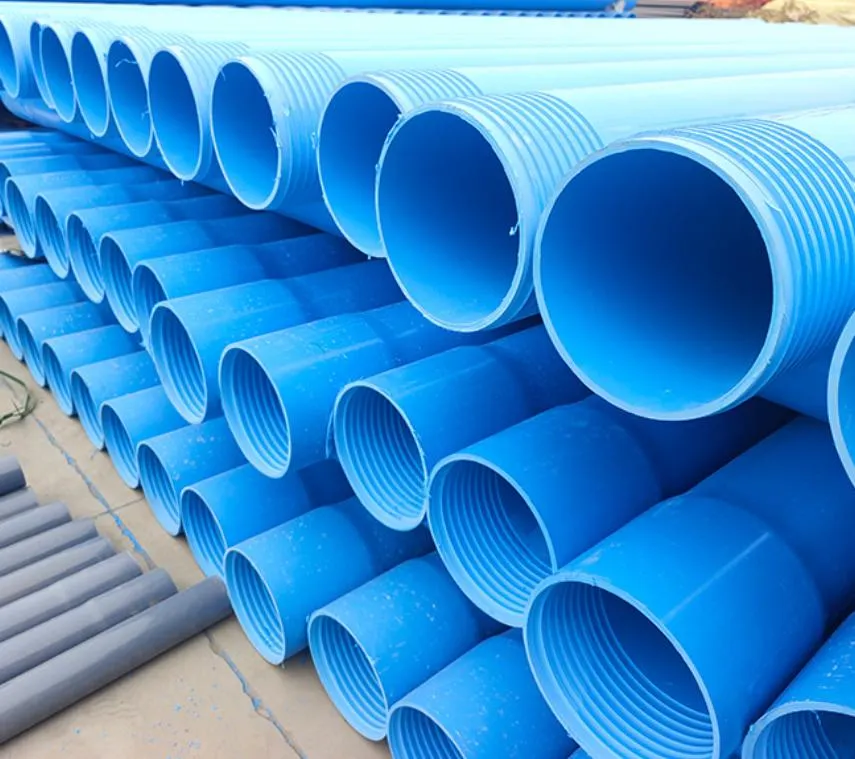
Performance of PVC irrigation pipe is dictated by several engineering considerations. Hydrostatic pressure testing is fundamental, evaluating the pipe’s ability to withstand internal water pressure without failure. This testing is typically conducted at 1.5 times the working pressure for a specified duration. Tensile strength and elongation at break are critical material properties, determining the pipe’s resistance to cracking and deformation under stress. The Modulus of Elasticity influences the pipe's stiffness and ability to resist deflection under load. Soil loading analysis is crucial for buried pipes, assessing the external pressure exerted by surrounding soil and ensuring the pipe doesn't collapse. Environmental resistance, particularly UV degradation, is a significant factor for above-ground installations. UV stabilizers are incorporated into the PVC formulation to mitigate this effect, but long-term exposure can still lead to embrittlement. Chemical compatibility is also important; PVC is generally resistant to many agricultural chemicals, but prolonged exposure to certain solvents or concentrated fertilizers can cause swelling or degradation. Compliance requirements vary by region, with standards dictating minimum wall thickness, pressure ratings, and material specifications. Force analysis considers hoop stress (stress circumferential to the pipe) and longitudinal stress (stress along the pipe's length) under internal pressure. Proper jointing is vital to maintain the system's integrity and prevent leaks; the strength of the joint must be equal to or greater than the pipe itself.
Technical Specifications
| Parameter | Schedule 40 PVC (Nominal Diameter 4") | Schedule 80 PVC (Nominal Diameter 4") | HDPE Equivalent (IPS 4" D24.62) | Units |
|---|---|---|---|---|
| Outside Diameter | 4.500 | 4.500 | 4.625 | inches |
| Inside Diameter | 4.026 | 3.885 | 4.000 | inches |
| Wall Thickness | 0.237 | 0.309 | 0.3125 | inches |
| Pressure Rating (at 73°F) | 400 | 600 | 160 | PSI |
| Burst Pressure (at 73°F) | 1200 | 1800 | 480 | PSI |
| Specific Gravity | 1.40 | 1.40 | 0.941-0.965 | - |
Failure Mode & Maintenance
PVC irrigation pipe is susceptible to several failure modes. Brittle fracture can occur due to impact damage, particularly at low temperatures. Long-term hydrostatic pressure can lead to slow crack propagation (SCP), especially in pipes containing residual stresses from manufacturing. UV degradation causes embrittlement and cracking in exposed sections. Chemical attack from aggressive soil conditions or agricultural chemicals can induce swelling, softening, or dissolution of the PVC material. Joint failures often result from improper solvent cementing techniques (insufficient cement application, inadequate drying time) or degradation of rubber seals in mechanical joints. Soil settlement or movement can induce stress on buried pipes, leading to cracking or joint separation. Maintenance includes regular visual inspection for cracks, leaks, and signs of UV degradation. Proper backfilling techniques are crucial to prevent soil loading stresses. Joints should be periodically inspected and re-cemented or replaced if necessary. For UV-exposed sections, applying a protective coating or shielding the pipe can extend its lifespan. Hydrostatic testing can be performed periodically to assess the overall integrity of the system. Addressing ground movement issues through soil stabilization techniques is also essential. Fatigue cracking, though less common, can occur in systems subjected to repeated pressure fluctuations.
Industry FAQ
Q: What is the impact of different PVC resin grades on the long-term performance of irrigation pipes?
A: The grade of PVC resin significantly impacts performance. Higher K-values (molecular weight) generally indicate greater strength, impact resistance, and creep resistance, leading to longer service life. However, higher K-value resins are more difficult to process. S-PVC is most common, but specialized grades with improved UV resistance or impact modifiers are available for specific applications. Cheaper resins often sacrifice long-term durability for lower initial cost.
Q: How does the soil pH affect the lifespan of buried PVC irrigation pipes?
A: Highly acidic or alkaline soils can accelerate the degradation of PVC. Acidic soils can leach calcium stabilizers, while alkaline soils can promote hydrolysis. Soil resistivity also plays a role; lower resistivity increases the potential for electrochemical corrosion. Protective coatings or specialized PVC formulations resistant to chemical attack can mitigate these effects.
Q: What are the key differences between Schedule 40 and Schedule 80 PVC pipe in terms of irrigation applications?
A: Schedule 80 PVC has thicker walls than Schedule 40, resulting in a higher pressure rating and greater resistance to impact and deformation. Schedule 40 is suitable for general irrigation purposes with moderate pressures, while Schedule 80 is preferred for higher-pressure systems, main lines, or applications where greater durability is required. The increased material cost of Schedule 80 must be balanced against the performance benefits.
Q: What are the best practices for solvent cementing PVC irrigation pipes to ensure leak-proof joints?
A: Proper surface preparation is critical – both pipe and fitting surfaces must be clean, dry, and free of contaminants. Use a PVC primer to soften the surfaces and improve adhesion. Apply a generous and even layer of PVC cement to both surfaces, ensuring complete coverage. Assemble the joint quickly and hold it firmly for at least 30 seconds to allow the cement to set. Avoid twisting or excessive movement during the curing process. Ambient temperature and humidity affect curing time.
Q: How can I determine if my PVC irrigation pipe is experiencing slow crack propagation (SCP)?
A: SCP typically manifests as small, hairline cracks that propagate slowly over time, often perpendicular to the pipe's longitudinal axis. These cracks may be difficult to detect visually initially, but can be identified through hydrostatic testing (a pressure drop indicates a leak) or ultrasonic inspection. SCP is often associated with residual stresses from manufacturing, exposure to aggressive chemicals, or sustained tensile stresses.
Conclusion
China-manufactured PVC irrigation pipe remains a cost-effective and widely utilized solution for water conveyance in agriculture. However, achieving optimal performance and longevity necessitates a comprehensive understanding of the material science, manufacturing processes, and potential failure modes. Diligent quality control, adherence to relevant international standards, and proper installation and maintenance practices are paramount. Ignoring these factors can lead to premature failure, costly repairs, and reduced irrigation efficiency.
Looking ahead, advancements in PVC formulations, such as the incorporation of bio-based plasticizers and improved UV stabilizers, will continue to enhance the sustainability and durability of these systems. Furthermore, the integration of smart monitoring technologies to detect leaks and predict potential failures will optimize irrigation management and reduce water waste. Selecting the appropriate PVC schedule and ensuring proper jointing techniques remain critical elements for successful long-term deployment.
-
DN25 HDPE Compression Fitting-HORON INTERNATIONAL|Reliable Irrigation Solutions
NewsFeb.11,2026
-
china water lines under kitchen sink Performance Analysis
News2026-05-26
-
china hdpe conduit coupling Performance Analysis
News2026-05-26
-
china pvc irrigation pipe Performance Analysis
News2026-05-26
-
china all types of pvc pipes Performance Analysis
News2026-05-26
-
china hdpe reducing coupler Performance Analysis
News2026-05-26
-
china type of ppr pipe Manufacturing Analysis
News2026-05-25
-
china plumbing ppr pipe Performance Analysis
News2026-05-25
-
china 20mm ppr pipe Material Science
News2026-05-25
-
china pvc sprinkler pipe Performance and Engineering
News2026-05-25
-
china dn500 hdpe double wall corrugated pipe for sewage drain Performance Analysis
News2026-05-25
-
china use of pvc pipe Performance Analysis
News2026-05-24
-
china 50mm pvc pipe price Performance Analysis
News2026-05-24
-
china ppr pipe 50mm price Performance Analysis
News2026-05-24
-
china hdpe coupler price Performance Analysis
News2026-05-24
-
china white pvc pipe Performance Analysis
News2026-05-24