

Feb . 11, 2026 00:01 Back to list
china 20mm ppr pipe price Performance Analysis
Introduction
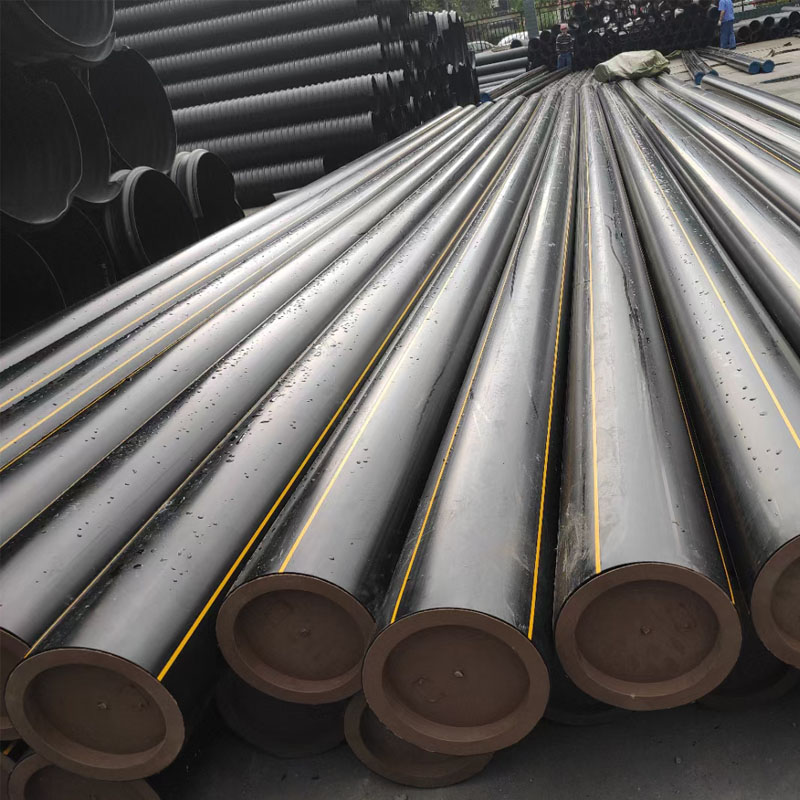
Polypropylene Random Copolymer (PPR) pipe, specifically the 20mm variant manufactured in China, represents a significant component in modern fluid transport systems. Its application spans residential plumbing, industrial process piping, and irrigation networks. Positioned within the polymer piping industry chain, PPR pipe serves as a cost-effective and corrosion-resistant alternative to traditional metallic piping, particularly copper and galvanized steel. Core performance characteristics center around its thermal stability, chemical inertness, and pressure bearing capacity. The price competitiveness of Chinese-manufactured PPR pipe, coupled with increasingly stringent quality control measures, has propelled its global adoption. This guide provides an in-depth technical assessment of 20mm PPR pipe, encompassing material science, manufacturing processes, performance parameters, failure modes, and relevant industry standards. A critical pain point within the industry relates to inconsistent quality control amongst manufacturers, leading to concerns regarding long-term durability and potential leakage issues. This analysis aims to address those concerns through a detailed examination of the material properties and production methodologies.
Material Science & Manufacturing
PPR pipe derives its properties from polypropylene random copolymer, a thermoplastic polymer created through the polymerization of propylene with a small percentage of ethylene. The random copolymerization disrupts the crystallinity of polypropylene, resulting in enhanced impact resistance and flexibility. Raw material properties are crucial; the density of the PPR compound typically ranges from 0.905 to 0.920 g/cm³, with a Vicat softening temperature between 135°C and 150°C. The Melt Flow Index (MFI), a critical parameter during manufacturing, influences the processability and final pipe characteristics; typical MFI values fall between 1.0 and 2.5 g/10min. Manufacturing commonly employs extrusion molding. Polypropylene granules are fed into an extruder, heated to temperatures between 190°C and 240°C, and forced through a die to form a seamless pipe. Key parameter control includes maintaining consistent melt temperature, die pressure, and cooling rates. Improper cooling can induce internal stresses, compromising long-term performance. Subsequent to extrusion, pipes undergo dimensional calibration and cutting to specified lengths. Hydrostatic testing is a vital quality control step, subjecting pipes to internal pressure to verify their structural integrity. The quality of the PPR resin significantly impacts the pipe’s resistance to slow crack growth (SCG), a common failure mode in polymer piping exposed to sustained tensile stress and certain chemical environments.
Performance & Engineering
The performance of 20mm PPR pipe is governed by its ability to withstand hydrostatic pressure, thermal expansion and contraction, and exposure to various chemical substances. Hydrostatic pressure testing, typically conducted according to ISO 1167, assesses the pipe’s burst pressure and short-term strength. Long-term hydrostatic strength (LTHS) is a more critical parameter, predicting the pipe’s ability to maintain integrity under sustained pressure over an extended period (typically 50 years). Finite Element Analysis (FEA) is utilized during engineering design to model stress distribution within the pipe wall under varying load conditions. Thermal expansion coefficient for PPR is approximately 0.15 mm/m°C, necessitating the incorporation of expansion joints in long pipeline runs to prevent stress buildup. Chemical resistance is generally excellent against a wide range of acids, bases, and salts, but prolonged exposure to strong oxidizing agents should be avoided. Compliance requirements vary by region, but typically include adherence to drinking water regulations (e.g., NSF/ANSI 61 in the US, WRAS in the UK) which dictate permissible levels of leachable substances. Furthermore, the pipe must meet pressure rating standards (e.g., PN16, PN20, PN25) defined by standards like DIN 8077 and EN ISO 15876. The connection method (hot-melt welding, electrofusion welding, mechanical fittings) significantly influences the overall system performance and leak tightness. Incorrect welding parameters can lead to weak joints and premature failure.
Technical Specifications
| Parameter | Unit | Value (Typical) | Test Standard |
|---|---|---|---|
| Nominal Diameter | mm | 20 | ISO 15876 |
| Wall Thickness | mm | 2.3 - 3.2 | DIN 8077 |
| Pressure Rating (PN) | bar | PN20 | EN ISO 15876 |
| Hydrostatic Pressure Test | bar | 4.0 (for PN20) | ISO 1167 |
| Vicat Softening Temperature | °C | 135-150 | ISO 306 |
| Melt Flow Index (MFI) | g/10min | 1.0-2.5 | ISO 1133 |
Failure Mode & Maintenance
Common failure modes in 20mm PPR pipe include slow crack growth (SCG), particularly in environments containing chlorine or other oxidizing agents. SCG initiates at stress concentrations (e.g., near fittings, weld joints) and propagates slowly over time, leading to brittle fracture. Another failure mode is pressure-induced cracking, occurring when the pipe is subjected to pressures exceeding its design limits. UV degradation can also occur, particularly in outdoor applications, causing embrittlement and loss of impact resistance. Improper installation, such as excessive bending radius or inadequate support, can induce stresses that accelerate fatigue cracking. Oxidation, although PPR exhibits good oxidative stability, can occur at elevated temperatures over extended periods. Maintenance primarily focuses on preventative measures. Regular visual inspections should be conducted to identify signs of cracking, discoloration, or leakage. Avoid exposing the pipe to direct sunlight for prolonged periods. When welding, ensure proper surface preparation and adhere to recommended welding parameters. Avoid using abrasive cleaning agents, which can create stress concentrations. If a leak is detected, the affected section of pipe should be replaced immediately. For SCG prevention, consider using stabilized PPR formulations with enhanced resistance to chlorine attack.
Industry FAQ
Q: What is the typical lifespan of a properly installed 20mm PPR pipe system?
A: A properly installed and maintained 20mm PPR pipe system typically has a lifespan of 50 years or more, assuming it is not exposed to extreme temperatures, pressures, or aggressive chemical environments. This lifespan is based on long-term hydrostatic strength (LTHS) predictions derived from accelerated aging tests and is supported by field performance data.
Q: How does the quality of the welding process affect the overall reliability of a PPR piping system?
A: The welding process is paramount. Incorrect welding parameters – insufficient heating, improper fusion pressure, or contamination of the weld surface – can create weak joints that are susceptible to premature failure. Certified welders and adherence to manufacturer’s welding guidelines are crucial.
Q: Is PPR pipe suitable for potable water applications?
A: Yes, PPR pipe is widely used for potable water applications, provided it meets relevant drinking water standards such as NSF/ANSI 61 (US) or WRAS (UK). These standards ensure that the pipe does not leach harmful substances into the water.
Q: How does temperature affect the performance of PPR pipe?
A: Elevated temperatures can reduce the pressure-bearing capacity of PPR pipe. While designed to handle hot water, prolonged exposure to temperatures exceeding the recommended limit (typically 70-80°C) can lead to creep deformation and eventual failure. Conversely, very low temperatures can make the pipe more brittle.
Q: What measures can be taken to mitigate the risk of slow crack growth (SCG) in PPR pipe?
A: Utilizing stabilized PPR formulations containing antioxidants and chlorine scavengers significantly reduces the risk of SCG. Avoiding exposure to high concentrations of chlorine and minimizing stress concentrations through proper installation practices are also critical preventative measures.
Conclusion
China-manufactured 20mm PPR pipe offers a viable and cost-effective solution for a wide range of fluid transport applications. Its inherent properties – corrosion resistance, thermal stability, and ease of installation – make it a compelling alternative to traditional piping materials. However, the long-term reliability of PPR systems hinges on several critical factors, including the quality of the raw material, adherence to stringent manufacturing processes, and proper installation techniques.
Continued advancements in PPR formulation, coupled with rigorous quality control measures implemented by reputable manufacturers, are essential to address concerns regarding SCG and ensure consistent performance. Furthermore, promoting best practices in welding and installation through comprehensive training programs will contribute to the longevity and reliability of PPR piping systems globally.
-
DN25 HDPE Compression Fitting-HORON INTERNATIONAL|Reliable Irrigation Solutions
NewsFeb.11,2026
-
china upvc column pipes for submersible pumps price list Performance Analysis
News2026-05-27
-
china ppr pipe for water supply Performance Analysis
News2026-05-27
-
china 20mm ppr pipe price Performance Analysis
News2026-05-27
-
china hdpe pipe 24 inch Performance Analysis
News2026-05-27
-
china hdpe to steel coupling Performance Analysis
News2026-05-27
-
china water lines under kitchen sink Performance Analysis
News2026-05-26
-
china hdpe conduit coupling Performance Analysis
News2026-05-26
-
china pvc irrigation pipe Performance Analysis
News2026-05-26
-
china all types of pvc pipes Performance Analysis
News2026-05-26
-
china hdpe reducing coupler Performance Analysis
News2026-05-26
-
china type of ppr pipe Manufacturing Analysis
News2026-05-25
-
china plumbing ppr pipe Performance Analysis
News2026-05-25
-
china 20mm ppr pipe Material Science
News2026-05-25
-
china pvc sprinkler pipe Performance and Engineering
News2026-05-25
-
china dn500 hdpe double wall corrugated pipe for sewage drain Performance Analysis
News2026-05-25