

Feb . 11, 2026 00:01 Back to list
china upvc column pipes for submersible pumps price list Performance Analysis
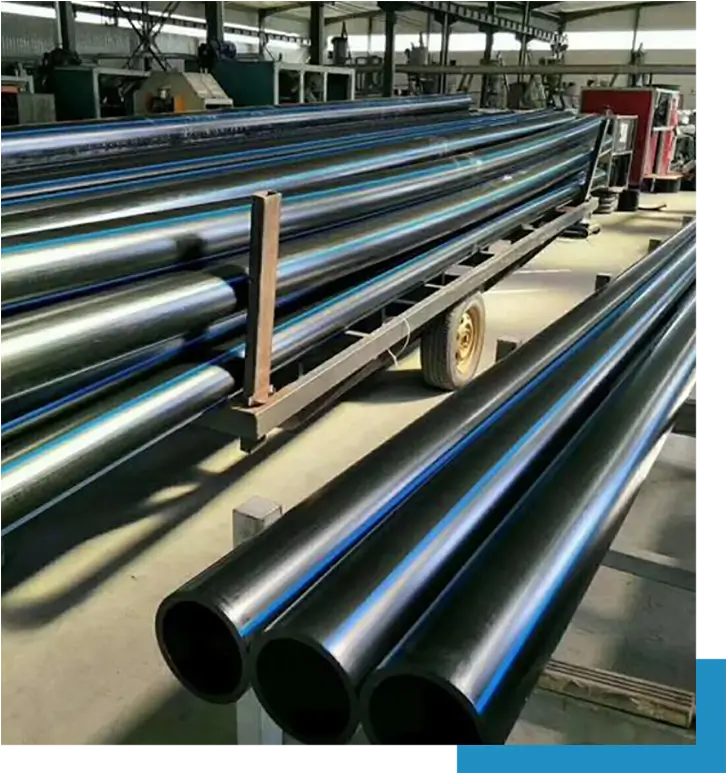
Introduction
UPVC (Unplasticized Polyvinyl Chloride) column pipes designed for submersible pumps represent a critical component in water extraction and conveyance systems across agricultural, industrial, and domestic applications. These pipes provide a non-metallic, corrosion-resistant conduit for the power cable and pump column, effectively transmitting mechanical force from the surface to the submersible pump unit located within the well or borehole. The Chinese manufacturing sector has become a prominent global supplier of these pipes, offering competitive pricing and a broad range of specifications. This technical guide provides an in-depth examination of UPVC column pipes for submersible pumps, encompassing material science, manufacturing processes, performance characteristics, potential failure modes, and relevant industry standards. A key industry pain point revolves around ensuring adequate structural integrity under sustained tensile load, coupled with long-term resistance to both chemical degradation from groundwater and the cyclic stresses induced by pump operation. Furthermore, maintaining consistent dimensional accuracy to facilitate smooth pump travel within the column is paramount.
Material Science & Manufacturing
UPVC column pipes utilize a rigid, amorphous thermoplastic polymer, Polyvinyl Chloride, devoid of plasticizers. This ‘unplasticized’ form confers high strength and rigidity essential for supporting the weight of the pump and resisting buckling. The raw material typically comprises PVC resin (typically suspension or emulsion polymerized), stabilizers (often based on tin or calcium-zinc compounds to prevent thermal degradation during processing), lubricants (stearates to improve flow and release), and impact modifiers (acrylics to enhance toughness). The manufacturing process primarily employs extrusion. PVC powder is blended, heated, and forced through a die to create a continuous pipe profile. Critical process parameters include die temperature (180-220°C), extrusion speed, and cooling rate. Proper cooling is essential to achieve optimal molecular orientation and minimize residual stress. Subsequent processes involve cutting to length, bell-end forming (using heated tooling to expand the pipe end for socket connection), and quality control checks. The molecular weight of the PVC resin directly influences mechanical properties; higher molecular weight generally correlates with improved tensile strength and impact resistance. Chemical compatibility is also crucial; the pipe material must resist degradation from common groundwater constituents such as sulfates, chlorides, and organic acids. The presence of even trace amounts of heavy metals in the groundwater can catalyze PVC degradation.
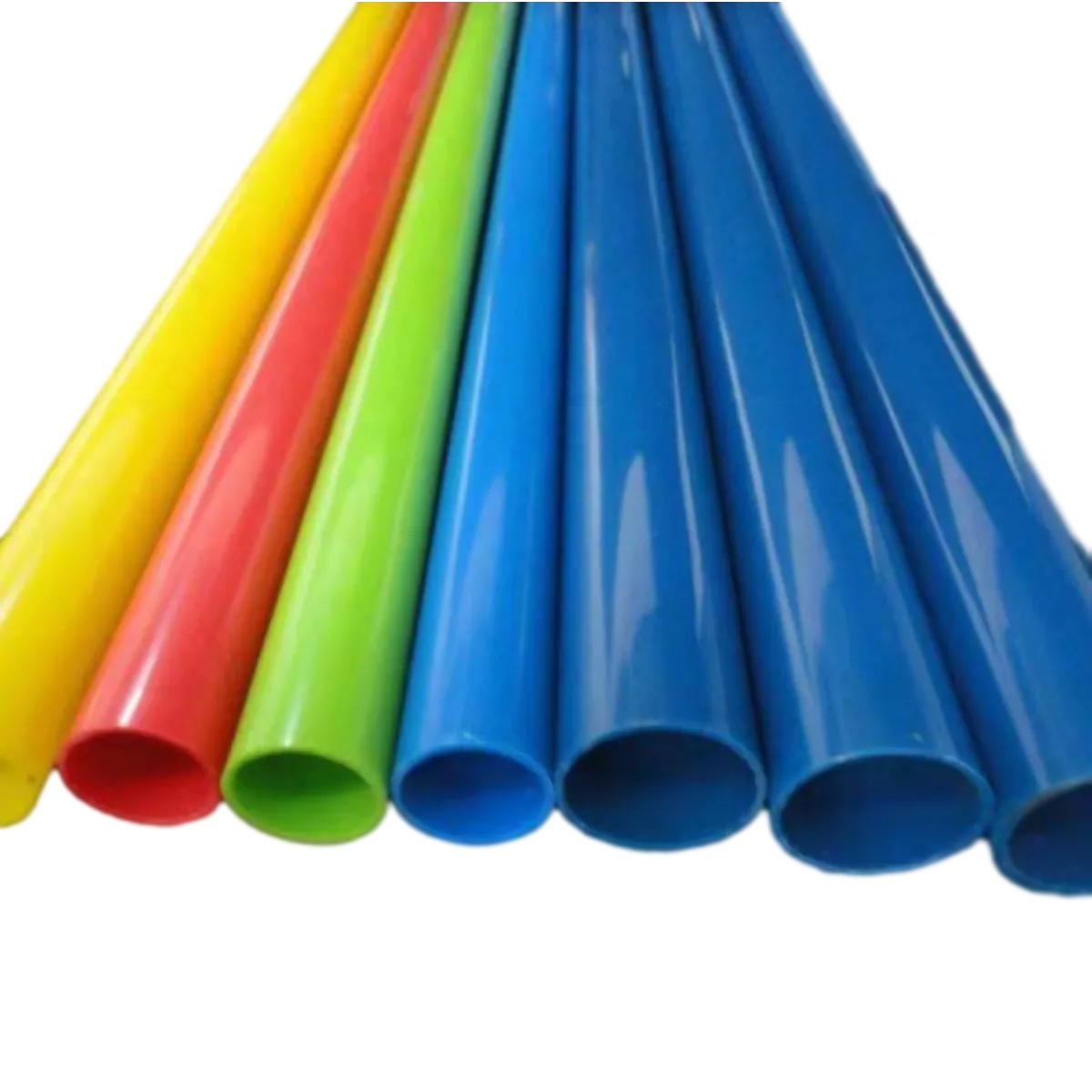
Performance & Engineering
The performance of UPVC column pipes is fundamentally governed by their ability to withstand axial tensile load and internal pressure. Tensile strength is directly related to the pipe’s wall thickness and the grade of PVC used. Finite Element Analysis (FEA) is routinely employed to model stress distribution within the pipe under various loading scenarios, including the weight of the pump, fluid pressure, and dynamic loads induced by pump start/stop cycles. Buckling analysis is particularly important for longer column sections. The Young’s modulus of UPVC (approximately 3.0-3.5 GPa) dictates its stiffness. Environmental resistance is also a crucial performance parameter. UPVC exhibits good resistance to many chemicals but can be affected by prolonged exposure to UV radiation and certain solvents. Column pipes operating in direct sunlight require UV stabilization additives. Regarding compliance, these pipes must conform to relevant water quality standards (ensuring no leaching of harmful substances into the groundwater) and electrical safety regulations (given their use as conduits for power cables). The pipe’s dielectric strength must be sufficient to prevent electrical breakdown. Consideration must also be given to thermal expansion and contraction; significant temperature fluctuations can induce stress within the column assembly. Proper jointing techniques, using appropriate solvent cements and couplings, are essential to maintain the integrity of the system.
Technical Specifications
| Parameter | Unit | Typical Value (DN100 Pipe) | Testing Standard |
|---|---|---|---|
| Outer Diameter | mm | 110 | GB/T 10002.1-2018 |
| Inner Diameter | mm | 98 | GB/T 10002.1-2018 |
| Wall Thickness | mm | 6 | GB/T 10002.1-2018 |
| Tensile Strength | MPa | 60 | ISO 625-2:2016 |
| Elongation at Break | % | 3 | ISO 625-2:2016 |
| Impact Strength (Charpy) | kJ/m2 | 5 | ISO 145-2:2017 |
| Hydrostatic Pressure Test | MPa | 1.6 | GB/T 5817.1-2017 |
Failure Mode & Maintenance
UPVC column pipes can experience several failure modes in submersible pump applications. Fatigue cracking, induced by repeated tensile stress from pump cycling, is a common issue, particularly in areas around joints or stress concentrators. Environmental stress cracking (ESC) can occur due to the combined effects of tensile stress and exposure to aggressive chemicals in groundwater. UV degradation can lead to embrittlement and loss of impact resistance in exposed sections. Delamination can occur if the PVC material is not properly compounded or processed. Oxidation can occur over long periods causing loss of physical properties. Preventative maintenance includes regular visual inspections for cracks, discoloration, or deformation. Joints should be checked for leaks or signs of degradation. The cable passing through the column should be inspected for chafing or damage. If cracks are detected, the affected pipe section should be replaced immediately. Avoid using abrasive cleaning agents, as these can induce surface stress cracks. For pipes exposed to UV radiation, consider applying a UV-protective coating. Proper storage of spare pipes is also essential; they should be stored in a cool, dry place away from direct sunlight. Periodic dielectric testing of the cable and pipe assembly can identify potential insulation breakdown.
Industry FAQ
Q: What is the typical service life of a UPVC column pipe in a submersible pump application?
A: The service life is highly dependent on operating conditions. With proper installation and maintenance, and assuming moderately aggressive groundwater, a service life of 15-20 years is achievable. However, severely corrosive environments or frequent pump cycling can significantly reduce this lifespan.
Q: How does temperature affect the performance of UPVC column pipes?
A: Increased temperatures reduce the tensile strength and impact resistance of UPVC. Thermal expansion can also induce stress within the column assembly. Operating temperatures should ideally be maintained below 40°C. Higher temperatures require careful consideration of thermal expansion/contraction and potential for creep.
Q: What is the best method for joining UPVC column pipe sections?
A: Solvent cementing is the preferred method for joining UPVC pipes. The solvent cement chemically fuses the pipe and fitting together, creating a watertight and structurally sound joint. Proper surface preparation (cleaning and priming) is critical for achieving a strong bond. Mechanical couplings are also available but generally offer lower structural integrity.
Q: What is the impact of the pump’s operating frequency on the pipe’s lifespan?
A: Higher pump operating frequency leads to increased fatigue stress on the column pipe. This can accelerate crack initiation and propagation. Consideration should be given to using thicker-walled pipes or implementing vibration dampening measures in high-cycle applications.
Q: Are UPVC column pipes suitable for use with highly saline groundwater?
A: While UPVC exhibits good resistance to many chemicals, prolonged exposure to high concentrations of chloride ions (saline groundwater) can lead to stress corrosion cracking. In such environments, alternative materials like stainless steel or HDPE may be more appropriate.
Conclusion
UPVC column pipes remain a cost-effective and reliable solution for supporting submersible pumps in a wide range of water well applications. Their inherent corrosion resistance, relatively low weight, and ease of installation contribute to their widespread adoption. However, understanding the material’s limitations – particularly regarding fatigue, environmental stress cracking, and UV degradation – is crucial for ensuring long-term performance and preventing premature failure.
Successful implementation requires careful consideration of groundwater chemistry, pump operating conditions, and adherence to established installation and maintenance procedures. Future developments may focus on incorporating advanced polymer formulations with enhanced impact resistance and UV stability, along with the integration of smart monitoring systems to detect early signs of degradation and predict remaining useful life.
-
DN25 HDPE Compression Fitting-HORON INTERNATIONAL|Reliable Irrigation Solutions
NewsFeb.11,2026
-
china upvc column pipes for submersible pumps price list Performance Analysis
News2026-05-27
-
china ppr pipe for water supply Performance Analysis
News2026-05-27
-
china 20mm ppr pipe price Performance Analysis
News2026-05-27
-
china hdpe pipe 24 inch Performance Analysis
News2026-05-27
-
china hdpe to steel coupling Performance Analysis
News2026-05-27
-
china water lines under kitchen sink Performance Analysis
News2026-05-26
-
china hdpe conduit coupling Performance Analysis
News2026-05-26
-
china pvc irrigation pipe Performance Analysis
News2026-05-26
-
china all types of pvc pipes Performance Analysis
News2026-05-26
-
china hdpe reducing coupler Performance Analysis
News2026-05-26
-
china type of ppr pipe Manufacturing Analysis
News2026-05-25
-
china plumbing ppr pipe Performance Analysis
News2026-05-25
-
china 20mm ppr pipe Material Science
News2026-05-25
-
china pvc sprinkler pipe Performance and Engineering
News2026-05-25
-
china dn500 hdpe double wall corrugated pipe for sewage drain Performance Analysis
News2026-05-25