

Feb . 11, 2026 00:01 Back to list
china types of pipes pvc Performance Analysis

Introduction
Polyvinyl chloride (PVC) pipes manufactured in China represent a significant portion of the global PVC pipe market. These pipes are utilized extensively in diverse applications including potable water distribution, wastewater management, irrigation, drainage, and industrial fluid conveyance. Their prevalence is driven by a combination of cost-effectiveness, durability, and relative ease of installation. Within the Chinese manufacturing landscape, PVC pipes are categorized by wall thickness (schedule number), diameter, pressure rating (PN or PSI), and material formulation – notably, differing levels of PVC resin and additive blends impacting performance characteristics. Understanding these classifications is critical for engineers and procurement professionals to select the appropriate pipe for specific application requirements, mitigating risks associated with premature failure and ensuring long-term system integrity. The industry faces continuous pressure to balance cost optimization with stringent quality control, particularly regarding environmental regulations concerning plasticizers and heavy metal stabilizers traditionally used in PVC production. This guide provides an in-depth technical overview of Chinese-manufactured PVC pipes, detailing material science, manufacturing processes, performance characteristics, failure modes, and relevant industry standards.
Material Science & Manufacturing
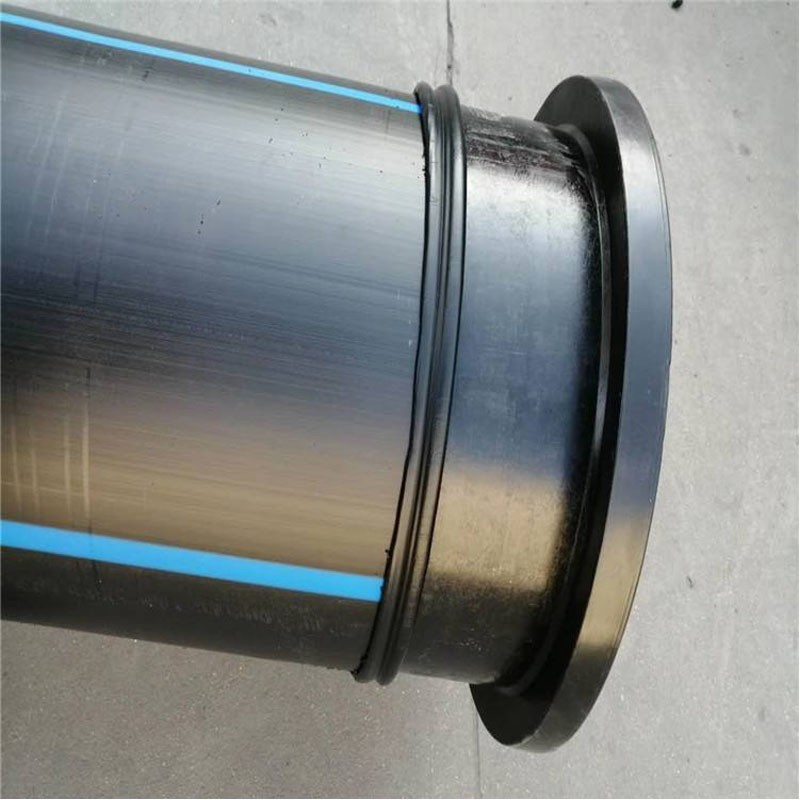
Chinese PVC pipe production relies predominantly on the polymerization of vinyl chloride monomer (VCM). The PVC resin produced dictates the fundamental properties of the final pipe. Key raw materials include PVC resin (typically suspension PVC – S-PVC), plasticizers (e.g., DOP, DINP, DOTP - differing in migration rates and impact resistance), stabilizers (historically lead-based, increasingly calcium-zinc or organic-based due to environmental concerns), lubricants (stearic acid, polyethylene wax to facilitate processing), and impact modifiers (e.g., chlorinated polyethylene – CPE) to enhance toughness. The ratio and quality of these additives significantly influence the pipe’s flexibility, UV resistance, and long-term durability. Manufacturing processes primarily include extrusion, where the PVC compound is melted and forced through a die to form the pipe shape. Critical parameters during extrusion include melt temperature (typically 180-210°C), die pressure, haul-off speed, and cooling rate. Variations in these parameters lead to differing degrees of crystallinity, impacting the pipe’s strength and dimensional stability. Subsequent processes like bell-and-spigot forming or solvent welding groove creation are conducted depending on the intended joining method. Quality control measures during manufacturing involve regular testing of resin properties, compound homogeneity, pipe dimensions (diameter, wall thickness), hydrostatic pressure testing, and impact strength assessment according to relevant national standards (GB standards in China). The manufacturing of CPVC (Chlorinated Polyvinyl Chloride) pipes involves a subsequent chlorination process, increasing the chlorine content of the PVC resin to enhance temperature resistance. Precise control of the chlorination process is paramount to avoid degradation of the material.
Performance & Engineering
The performance of PVC pipes is dictated by several key engineering properties. Tensile strength, measured in MPa, indicates resistance to axial loads. Yield strength defines the point at which permanent deformation occurs. Elongation at break characterizes the pipe’s ductility. Impact strength, often assessed using Charpy or Izod tests, determines the resistance to sudden shock loads, particularly important in environments prone to freezing or accidental impact. The Modulus of Elasticity (Young's Modulus) governs the pipe's stiffness and resistance to bending. Long-term hydrostatic strength is a crucial parameter, assessed through hydrostatic pressure testing at elevated temperatures to simulate aging effects. PVC is susceptible to creep – slow deformation under sustained load – which must be considered in pipeline design. Environmental resistance is also critical. UV degradation can cause embrittlement and discoloration, necessitating the inclusion of UV stabilizers in the PVC formulation. Chemical resistance varies depending on the specific chemicals involved; PVC exhibits good resistance to acids and alkalis but is susceptible to swelling and degradation by certain solvents and aromatic hydrocarbons. Thermal expansion and contraction are significant factors, requiring expansion joints or flexible connections in long pipeline runs. Soil loading and external pressures must be accounted for in burial applications. Finite Element Analysis (FEA) is commonly used to model stress distributions in PVC pipes under various loading conditions, optimizing pipe wall thickness and support spacing. For potable water applications, leaching of additives into the water supply is a primary concern, necessitating adherence to strict compositional requirements and testing for volatile organic compounds (VOCs).
Technical Specifications
| Parameter | Schedule 40 PVC | Schedule 80 PVC | CPVC (ASTM D2846) | Metric (PN10) PVC |
|---|---|---|---|---|
| Material Standard | GB/T 10002.1-2018 | GB/T 10002.1-2018 | ASTM D2846 | EN 1452-2 |
| Pressure Rating (PSI) | 400 | 600 | 400 @ 73°F (23°C) | 10 bar (145 PSI) |
| Temperature Range (°C) | 0-60 | 0-60 | -40 to 93 | 0-60 |
| Tensile Strength (MPa) | 60-70 | 65-75 | 70-80 | 60-70 |
| Impact Strength (Charpy, kJ/m²) | 5-10 | 8-15 | 10-20 | 5-10 |
| Water Absorption (%) | <0.5 | <0.5 | <0.1 | <0.5 |
Failure Mode & Maintenance
PVC pipes are susceptible to several failure modes. Long-term hydrostatic stress cracking (LHS) is a common issue, particularly in older pipes, resulting from sustained pressure and environmental factors. UV degradation causes embrittlement and cracking, especially in exposed sections. Impact damage can lead to cracking or complete fracture, particularly at low temperatures. Chemical attack from aggressive soils or industrial effluents can cause swelling, softening, and eventual failure. Improper installation – including insufficient bedding support or excessive stress during joining – can induce premature failure. Delamination can occur if the PVC compound is not properly mixed or processed. Microbial Influenced Corrosion (MIC) can also contribute to degradation in certain environments. Regular inspection is crucial. Visual inspection should identify cracks, discoloration, or signs of deformation. Pressure testing can detect leaks. Non-destructive testing (NDT) methods, such as ultrasonic testing, can assess wall thickness and detect internal flaws. Maintenance procedures include repairing minor cracks with appropriate PVC repair compounds, replacing damaged sections, and ensuring adequate support and bedding. Preventative maintenance involves protecting exposed pipes from UV radiation (e.g., with coatings) and ensuring proper drainage to prevent soil saturation and external pressure. For CPVC, maintaining water temperature within specified limits is critical to prevent thermal degradation. Periodic flushing of pipelines can remove sediment buildup, reducing the risk of corrosion and blockage.
Industry FAQ
Q: What is the difference between Schedule 40 and Schedule 80 PVC, and when should each be used?
A: Schedule 40 and Schedule 80 refer to the pipe wall thickness. Schedule 80 has thicker walls and, consequently, a higher pressure rating. Schedule 40 is generally suitable for lower-pressure applications like irrigation and cold water distribution. Schedule 80 is preferred for higher-pressure systems, such as industrial applications, hot water lines, and situations where greater mechanical strength is required.
Q: How do Chinese PVC pipe standards (GB standards) compare to international standards like ASTM?
A: GB standards are the national standards for China. While generally comparable to ASTM standards, there can be differences in testing methodologies and acceptable tolerances. It's crucial to verify that the GB standard used meets the performance requirements for the specific application. Often, Chinese manufacturers will also produce pipes certified to ASTM standards to facilitate export to international markets.
Q: What are the environmental concerns associated with PVC, and how are Chinese manufacturers addressing them?
A: Traditional PVC formulations used lead-based stabilizers, which pose environmental risks. Chinese manufacturers are increasingly transitioning to calcium-zinc (Ca-Zn) and organic-based stabilizers to reduce lead content. The use of phthalate plasticizers is also being scrutinized due to potential health concerns; alternative plasticizers like DOTP are gaining popularity. Recycling of PVC is another important focus area.
Q: What is the impact of temperature on the performance of PVC pipes?
A: PVC becomes more brittle at low temperatures and can soften and lose strength at high temperatures. The maximum operating temperature for standard PVC is typically around 60°C. CPVC is specifically designed for higher temperature applications. Thermal expansion and contraction must be considered in pipeline design to prevent stress and potential failure.
Q: How can I verify the quality of PVC pipes sourced from China?
A: Thorough due diligence is essential. Request certificates of conformity to relevant GB or ASTM standards. Conduct independent laboratory testing to verify material composition, mechanical properties, and hydrostatic strength. Visit the manufacturing facility to assess quality control processes. Consider engaging a third-party inspection agency to oversee production and pre-shipment inspection.
Conclusion
Chinese-manufactured PVC pipes represent a cost-effective solution for a wide range of applications, but careful attention to material quality, manufacturing processes, and performance characteristics is paramount. Understanding the nuances of PVC formulations, the implications of differing standards (GB vs. ASTM), and the potential failure modes is essential for ensuring long-term system reliability and minimizing life-cycle costs. The industry's ongoing shift towards more environmentally friendly stabilizers and plasticizers is a positive trend, but rigorous quality control remains critical.
Future developments will likely focus on enhanced PVC formulations with improved impact resistance, UV stability, and chemical resistance. Advanced manufacturing techniques, such as co-extrusion, will enable the production of multi-layer pipes with tailored properties for specific applications. Increased emphasis on sustainability and circular economy principles will drive innovation in PVC recycling and the development of bio-based PVC alternatives. Continued collaboration between manufacturers, engineers, and standards organizations is crucial for advancing the performance and environmental profile of Chinese PVC pipes.
-
DN25 HDPE Compression Fitting-HORON INTERNATIONAL|Reliable Irrigation Solutions
NewsFeb.11,2026
-
china 2 inch upvc column pipe price Performance Analysis
News2026-05-30
-
china hdpe to pvc coupling Performance Analysis
News2026-05-30
-
china 2 hdpe to pvc coupling Performance Analysis
News2026-05-30
-
china 48 inch hdpe pipe cost Performance Analysis
News2026-05-30
-
china upvc column pipe price Performance Analysis
News2026-05-30
-
china hdpe pipe to pvc pipe connection Performance Engineering
News2026-05-29
-
china 12 inch pvc pipe Performance Analysis
News2026-05-29
-
china pvc to hdpe pipe connection Performance Analysis
News2026-05-29
-
china types of pipes pvc Performance Analysis
News2026-05-29
-
china 2 hdpe coupling Material Science
News2026-05-29
-
china 48 hdpe pipe for sale Performance Analysis
News2026-05-28
-
china perforated land drainage pipe Performance Analysis
News2026-05-28
-
china clear pvc hose Performance Analysis
News2026-05-28
-
china kitchen sink hot cold water lines Performance Analysis
News2026-05-28
-
china 110 mm pvc pipe Performance Analysis
News2026-05-28