

Feb . 11, 2026 00:01 Back to list
china upvc column pipe price Performance Analysis

Introduction
Unplasticized Polyvinyl Chloride (uPVC) column pipes represent a significant component in modern construction and infrastructure, particularly for applications requiring robust support, fluid conveyance, and structural stability. ‘China uPVC column pipe price’ refers to the cost and associated specifications of these pipes manufactured within China, a dominant global supplier. These pipes are widely employed in water supply systems, irrigation, drainage, and increasingly, in architectural features demanding load-bearing capacity and aesthetic appeal. Their popularity stems from a favorable combination of cost-effectiveness, durability, corrosion resistance, and ease of installation. This guide provides an in-depth technical analysis of uPVC column pipe production, material properties, performance characteristics, failure modes, and relevant industry standards, focusing on the factors influencing pricing and quality in the Chinese manufacturing landscape. The core performance of these pipes centers around their ability to withstand hydrostatic pressure, resist chemical degradation, and maintain dimensional stability over extended service life, making them a viable alternative to traditional materials like steel or concrete in many applications.
Material Science & Manufacturing
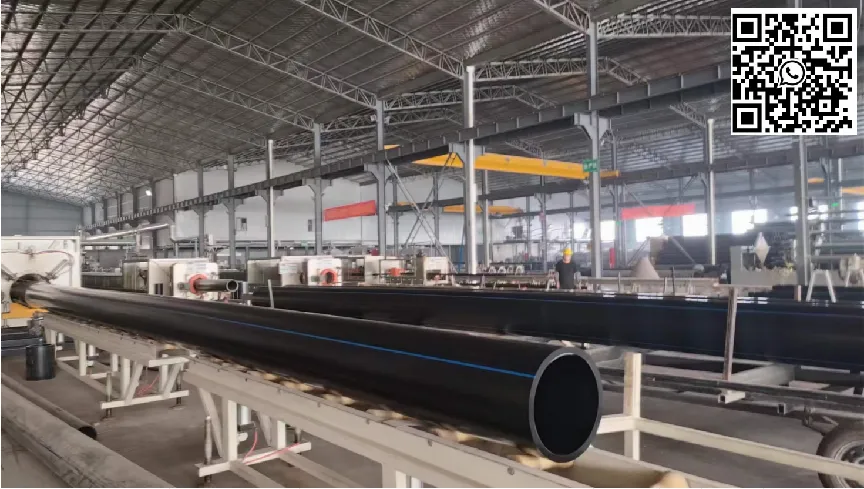
uPVC column pipes are primarily composed of PVC resin, a thermoplastic polymer produced through the polymerization of vinyl chloride monomer (VCM). The PVC resin is typically blended with stabilizers (e.g., calcium-zinc, lead-based – increasingly phased out due to environmental concerns), lubricants (e.g., stearates), impact modifiers (e.g., chlorinated polyethylene - CPE), and processing aids to enhance its properties. The choice of raw material grade significantly impacts the final product’s performance. Manufacturing processes generally involve extrusion. PVC compound is fed into a single or twin-screw extruder, where it’s heated, homogenized, and forced through a die to form the desired pipe shape. Critical parameters during extrusion include barrel temperature profiles (typically 180-220°C), screw speed (controlling throughput), and die pressure. Maintaining consistent temperature control is essential to prevent degradation of the PVC and ensure uniform pipe dimensions. Column pipes often require thicker walls and reinforced construction compared to standard pressure pipes. This is achieved through multi-layer extrusion or the incorporation of internal ribs or reinforcing cages. Post-extrusion, pipes undergo cooling (water bath or air cooling), cutting to specified lengths, and quality control checks including dimensional accuracy, hydrostatic pressure testing, and impact resistance testing. Material selection for fittings is crucial – ensuring chemical compatibility with the pipe material is essential to avoid galvanic corrosion or joint failure.
Performance & Engineering
The structural performance of uPVC column pipes is governed by several factors, including pipe diameter, wall thickness, material properties (Young's Modulus, tensile strength), and loading conditions. Force analysis typically involves calculating the bending moment and shear stress induced by axial loads, lateral loads (wind, seismic), and internal pressure. uPVC exhibits relatively low tensile strength and high rigidity, meaning it's susceptible to brittle failure under tensile stress. Therefore, pipe design must consider potential stress concentrations at joints, connections, and imperfections. Environmental resistance is a key consideration. While uPVC is inherently resistant to many chemicals, prolonged exposure to UV radiation can lead to degradation and embrittlement. Stabilizers are added to mitigate this, but their effectiveness diminishes over time. Temperature fluctuations also affect performance, causing thermal expansion and contraction. Coefficient of thermal expansion for uPVC is approximately 8 x 10⁻⁵ /°C. This needs to be accounted for in system design to prevent stress buildup at connections. Compliance requirements vary by region, but generally involve adherence to standards for hydrostatic pressure, impact resistance, and chemical resistance. For load-bearing applications, calculations must meet relevant building codes and structural engineering standards. The long-term creep behavior of uPVC must also be considered, especially under sustained loads, as it can lead to gradual deformation over time.
Technical Specifications
| Parameter | Unit | Typical Value (DN100, SDR 17) | Testing Standard |
|---|---|---|---|
| Nominal Diameter | mm | 110 | GB/T 10002.1 |
| Standard Dimension Ratio (SDR) | - | 17 | ASTM D2241 |
| Wall Thickness | mm | 6.5 | Calculated based on SDR |
| Hydrostatic Pressure (23°C) | MPa | 16 | ISO 11671 |
| Impact Resistance (Charpy, 0°C) | kJ/m2 | 8 | ISO 148-1 |
| Tensile Strength | MPa | 55 | ASTM D638 |
| Elongation at Break | % | 3 | ASTM D638 |
Failure Mode & Maintenance
Common failure modes in uPVC column pipes include: 1) Brittle Fracture: Often occurring due to impact loads or excessive bending stress, particularly at low temperatures. 2) Environmental Stress Cracking (ESC): Induced by sustained tensile stress in the presence of specific chemicals or detergents. 3) UV Degradation: Leading to surface chalking, discoloration, and reduced impact strength. 4) Joint Failure: Resulting from improper solvent welding, inadequate surface preparation, or incompatibility between pipe and fitting materials. 5) Creep Deformation: Gradual deformation under sustained load, exceeding acceptable limits. 6) Thermal Expansion/Contraction induced Stress: Resulting in cracking at joints or within the pipe body. Preventive maintenance involves regular visual inspections for cracks, discoloration, or leaks. Properly supporting the pipe to minimize bending stress is critical. Protecting the pipe from direct sunlight with coatings or shielding can mitigate UV degradation. Joints should be inspected for integrity, and any signs of weakness should be addressed promptly. Avoid using harsh chemicals or detergents that could induce ESC. For long-term reliability, consider implementing a periodic hydrostatic pressure testing regime to identify potential weaknesses before they lead to catastrophic failure. Repairing minor cracks may be possible using specialized PVC repair compounds, but extensive damage typically necessitates pipe replacement.
Industry FAQ
Q: What is the significance of SDR (Standard Dimension Ratio) in uPVC column pipe selection?
A: SDR defines the ratio of the pipe’s outside diameter to its wall thickness. A lower SDR indicates a thicker wall and therefore higher pressure-bearing capacity. Selecting the appropriate SDR is crucial to ensure the pipe can withstand the anticipated operating pressure and external loads. Higher SDR pipes are typically used for lower-pressure applications, while lower SDR pipes are employed in high-pressure environments.
Q: How does the quality of PVC resin impact the final pipe’s performance?
A: The grade and purity of the PVC resin directly influence the pipe’s mechanical properties, chemical resistance, and long-term durability. Higher-quality resins exhibit better impact strength, tensile strength, and resistance to degradation. The resin’s K-value (molecular weight) is a critical parameter, indicating the polymer chain length and influencing the material’s processability and final properties.
Q: What are the key considerations when solvent cementing uPVC pipes?
A: Proper solvent cementing is paramount to achieving leak-proof joints. This involves ensuring clean, dry surfaces, using the correct type of solvent cement compatible with the pipe material, applying the cement evenly, and allowing sufficient curing time. Insufficient cement, improper application, or using incompatible solvents can lead to joint failure.
Q: What is the role of stabilizers in uPVC pipe formulations?
A: Stabilizers are added to prevent degradation of the PVC polymer during processing and in service. They protect against thermal degradation, UV degradation, and oxidation. Common stabilizers include calcium-zinc, lead-based (decreasingly used), and organic-based compounds. The type and concentration of stabilizer impact the pipe’s long-term performance and color stability.
Q: How does temperature affect the long-term performance of uPVC column pipes?
A: uPVC experiences thermal expansion and contraction with temperature changes, which can induce stress at joints and connections. Prolonged exposure to elevated temperatures can accelerate degradation and reduce the pipe’s mechanical properties. Low temperatures can increase the risk of brittle fracture. System design should account for thermal movement and select materials that can withstand the expected temperature range.
Conclusion
China uPVC column pipes offer a compelling combination of performance and cost-effectiveness for a wide range of applications. The material’s inherent corrosion resistance, ease of installation, and favorable mechanical properties contribute to its widespread adoption. However, understanding the nuances of material science, manufacturing processes, and potential failure modes is critical to ensuring long-term reliability. Proper material selection, adherence to relevant standards, and diligent maintenance practices are essential for maximizing the service life of these pipes.
Looking ahead, continued advancements in PVC resin technology, stabilizer formulations, and extrusion processes will likely further enhance the performance and sustainability of uPVC column pipes. The trend towards more environmentally friendly stabilizers and improved UV resistance will be particularly important. Furthermore, greater emphasis on quality control and standardization within the Chinese manufacturing sector will contribute to increased confidence in the reliability of these products in global markets.
-
DN25 HDPE Compression Fitting-HORON INTERNATIONAL|Reliable Irrigation Solutions
NewsFeb.11,2026
-
china 2 inch upvc column pipe price Performance Analysis
News2026-05-30
-
china hdpe to pvc coupling Performance Analysis
News2026-05-30
-
china 2 hdpe to pvc coupling Performance Analysis
News2026-05-30
-
china 48 inch hdpe pipe cost Performance Analysis
News2026-05-30
-
china upvc column pipe price Performance Analysis
News2026-05-30
-
china hdpe pipe to pvc pipe connection Performance Engineering
News2026-05-29
-
china 12 inch pvc pipe Performance Analysis
News2026-05-29
-
china pvc to hdpe pipe connection Performance Analysis
News2026-05-29
-
china types of pipes pvc Performance Analysis
News2026-05-29
-
china 2 hdpe coupling Material Science
News2026-05-29
-
china 48 hdpe pipe for sale Performance Analysis
News2026-05-28
-
china perforated land drainage pipe Performance Analysis
News2026-05-28
-
china clear pvc hose Performance Analysis
News2026-05-28
-
china kitchen sink hot cold water lines Performance Analysis
News2026-05-28
-
china 110 mm pvc pipe Performance Analysis
News2026-05-28