

Feb . 11, 2026 00:01 Back to list
china hdpe to pvc coupling Performance Analysis
Introduction
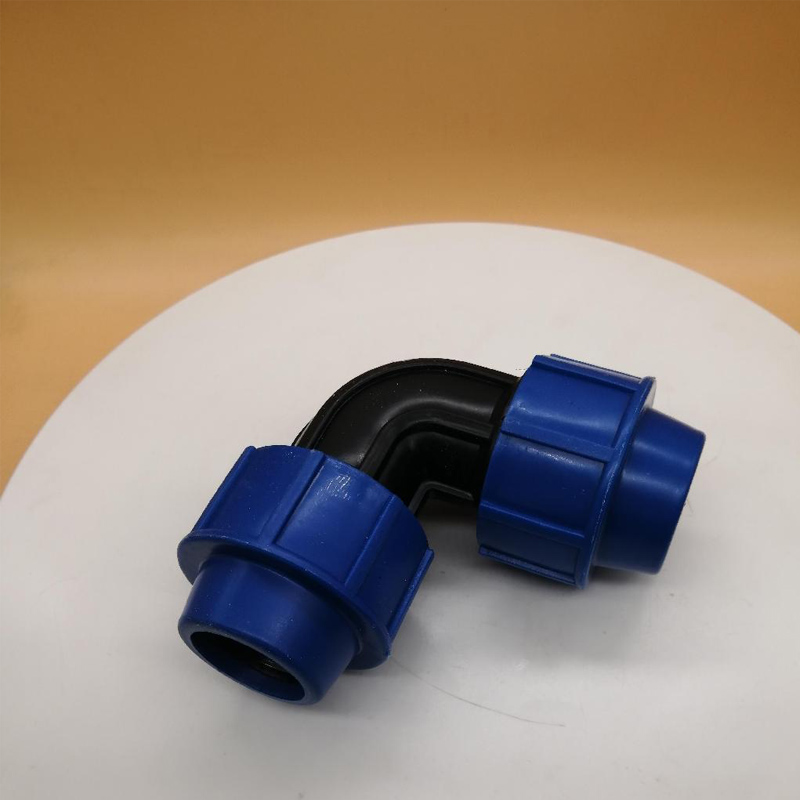
HDPE to PVC couplings represent a critical joining solution in fluid transfer systems, bridging the disparate material properties of High-Density Polyethylene (HDPE) and Polyvinyl Chloride (PVC). These couplings, commonly manufactured in China due to cost-effectiveness and established infrastructure, facilitate the connection of HDPE pipes – favored for their flexibility and chemical resistance – to rigid PVC piping, utilized in diverse applications from irrigation and drainage to chemical processing and potable water distribution. The core performance characteristics of these couplings hinge on maintaining a leak-proof seal under specified pressure and temperature conditions, resisting chemical degradation from conveyed fluids, and accommodating potential differential thermal expansion between the two connected pipe materials. A primary industry pain point lies in ensuring long-term joint integrity given the differing coefficients of thermal expansion and potential for galvanic corrosion in certain environments. Quality control during manufacturing, particularly concerning rubber ring compression and material compatibility, is paramount to mitigating these risks. These couplings are typically categorized by connection type – solvent weld, threaded, or mechanical compression – each suited to specific application requirements and installation procedures.
Material Science & Manufacturing
The fabrication of HDPE to PVC couplings involves the integration of three primary materials: HDPE, PVC, and typically a synthetic rubber gasket (commonly EPDM, Nitrile, or Viton) for sealing. HDPE, a thermoplastic polymer derived from ethylene, exhibits excellent tensile strength (20-30 MPa), a low coefficient of friction, and robust chemical resistance. Its semi-crystalline structure contributes to its flexibility. PVC, a vinyl polymer, provides rigidity and dimensional stability with a tensile strength of 50-70 MPa but is more susceptible to temperature-induced degradation. The rubber gasket is crucial for creating a watertight seal. EPDM offers broad chemical compatibility and temperature resistance (-50°C to 150°C), while Nitrile is better suited for oil-based fluids. Viton provides superior resistance to aggressive chemicals and high temperatures but at a higher cost. Manufacturing processes vary based on coupling type. Solvent weld couplings are formed through injection molding of PVC, followed by machining to create a socket. HDPE components are also injection molded. Threaded couplings require precision threading on both PVC and HDPE sections. Mechanical compression couplings utilize a housing, often made of reinforced PVC, and a compression ring mechanism to secure the pipes. Key parameter control during manufacturing focuses on dimensional accuracy of the socket and thread profiles, rubber gasket hardness and compression ratio, and the consistency of material blending to ensure homogenous polymer properties. Ultrasonic welding is sometimes employed for HDPE sections to ensure strong, homogenous joints. The rubber gaskets undergo rigorous testing for compression set and elongation to ensure long-term sealing performance. Material certifications verifying compliance with relevant standards are vital.
Performance & Engineering
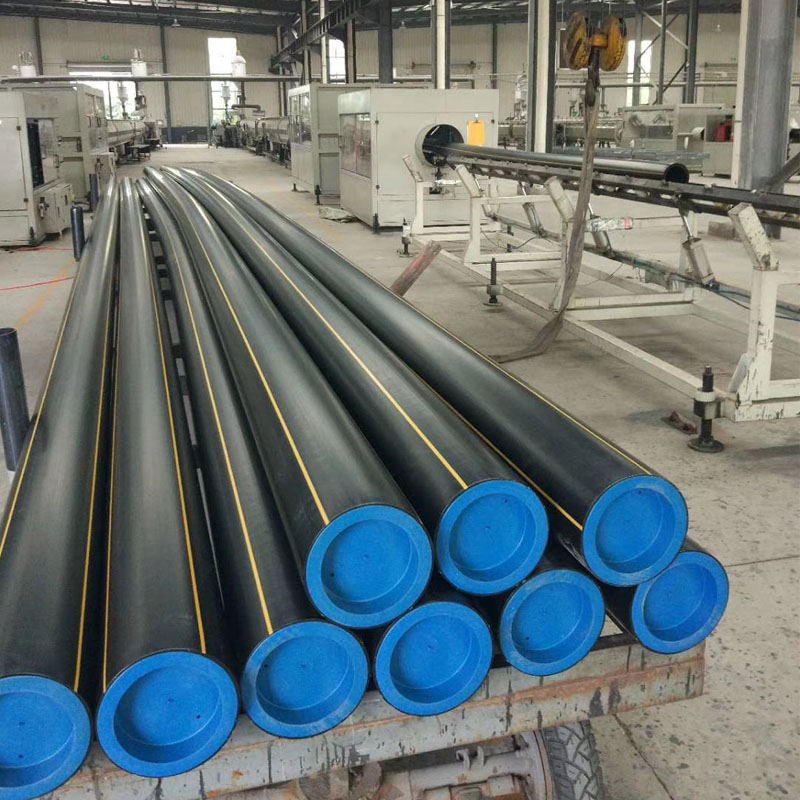
The performance of an HDPE to PVC coupling is governed by several engineering considerations. Firstly, pressure rating is determined by the weakest component – often the rubber gasket and the coupling housing. Burst pressure testing, conducted according to ASTM D1597, verifies the coupling's ability to withstand hydrostatic pressure. Secondly, thermal expansion mismatch between HDPE (high coefficient of thermal expansion: ~1.7 x 10⁻⁴ /°C) and PVC (lower coefficient: ~8 x 10⁻⁵ /°C) induces stress at the joint. Couplings must accommodate this differential expansion through flexible gasket design or, in the case of mechanical couplings, a sliding interface. Finite Element Analysis (FEA) is utilized to model stress distribution and optimize coupling geometry. Thirdly, chemical compatibility is critical. Exposure to aggressive chemicals can cause gasket degradation, swelling, or embrittlement, leading to leaks. The gasket material must be carefully selected based on the conveyed fluid. Fourthly, long-term creep resistance is essential, particularly under sustained pressure. The polymeric materials can exhibit time-dependent deformation, compromising the seal. Fifthly, galvanic corrosion can occur if the coupling is installed in a conductive environment with dissimilar metals present. Proper isolation measures, such as dielectric unions, may be necessary. Installation procedures, adhering to manufacturers’ specifications, are crucial. Incorrect tightening of compression fittings or inadequate solvent welding can lead to premature failure. Compliance with local plumbing codes and industry standards (e.g., NSF/ANSI 61 for potable water applications) is mandatory.
Technical Specifications
| Parameter | Unit | HDPE to PVC Coupling (Typical) | Testing Standard |
|---|---|---|---|
| Nominal Pipe Size | inch | 0.5 - 12 | ASTM D1785 |
| Pressure Rating | psi | Up to 300 | ASTM D1597 |
| Operating Temperature | °C | -40 to 80 | ASTM D1637 |
| Gasket Material | - | EPDM, Nitrile, Viton | ASTM D2000 |
| Tensile Strength (Coupling Body) | MPa | 50-70 (PVC) / 20-30 (HDPE) | ASTM D638 |
| Coefficient of Thermal Expansion (HDPE) | x10-4/°C | 1.7 | ASTM E228 |
Failure Mode & Maintenance
Common failure modes in HDPE to PVC couplings include gasket failure (due to compression set, chemical attack, or temperature extremes), cracking of the PVC housing (caused by over-tightening, impact damage, or UV degradation), and joint separation due to differential thermal expansion. Fatigue cracking can occur in threaded couplings under cyclic loading. Delamination can occur in injection-molded components due to inadequate material blending or molding defects. Oxidation of the HDPE section, particularly in outdoor applications, can lead to embrittlement. Failure analysis often involves visual inspection for cracks or deformation, hydrostatic testing to identify leaks, and material analysis (e.g., FTIR spectroscopy) to verify gasket composition and degradation. Preventative maintenance includes regular visual inspections for signs of leakage or damage, proper tightening of compression fittings (following manufacturer's torque specifications), and protection from UV exposure (e.g., painting or shielding). For solvent weld couplings, periodic testing of joint integrity is recommended. In cases of gasket failure, replacement with a compatible gasket is the primary remediation strategy. Damaged housings require complete coupling replacement. Storage of couplings should be in a cool, dry environment away from direct sunlight and chemicals. Regular cleaning of couplings can prevent the buildup of debris that could compromise the seal. Long-term monitoring programs, utilizing pressure sensors and leak detection systems, can provide early warning of potential failures in critical applications.
Industry FAQ
Q: What is the primary cause of leaks in HDPE to PVC couplings shortly after installation?
A: Leaks immediately following installation are frequently attributed to improper installation techniques. This includes insufficient solvent cement application in solvent weld couplings, over or under-tightening of compression fittings, or inadequate gasket compression. Additionally, debris within the pipe system can prevent a proper seal. Thoroughly cleaning the pipe ends and adhering strictly to the manufacturer’s installation instructions are crucial.
Q: How does temperature fluctuation affect the long-term performance of these couplings?
A: Significant temperature fluctuations induce differential expansion and contraction between the HDPE and PVC sections. This cyclical stress can lead to gasket fatigue, cracking of the PVC housing, or eventual joint separation. Selecting couplings designed to accommodate thermal movement (e.g., mechanical compression couplings with sliding joints) and allowing for expansion loops in the piping system can mitigate these issues.
Q: What gasket material is best suited for conveying highly corrosive chemicals?
A: For highly corrosive chemicals, Viton (fluoroelastomer) offers the superior chemical resistance. However, Viton is significantly more expensive than EPDM or Nitrile. A comprehensive chemical compatibility chart should be consulted to verify compatibility with the specific chemical being conveyed. Regular gasket inspection and replacement are vital in corrosive environments.
Q: Are these couplings suitable for potable water applications, and what certifications are required?
A: Yes, but only couplings certified to NSF/ANSI 61 standards are suitable for potable water systems. This certification ensures that the materials used do not leach harmful contaminants into the water. The coupling should also comply with local plumbing codes and regulations regarding potable water distribution.
Q: What are the potential consequences of using a coupling with an inadequate pressure rating for a given application?
A: Using a coupling with an insufficient pressure rating poses a significant safety risk. The coupling could fail catastrophically under pressure, resulting in leaks, property damage, and potential injury. Always select a coupling with a pressure rating that exceeds the maximum operating pressure of the system, incorporating a safety factor.
Conclusion
HDPE to PVC couplings are essential components in fluid handling systems, demanding careful consideration of material properties, manufacturing quality, and installation procedures. Addressing the inherent challenges related to thermal expansion mismatch and chemical compatibility is paramount to ensuring long-term joint integrity and preventing premature failure. Proper material selection, rigorous quality control during manufacturing, and adherence to industry standards are crucial for maximizing the lifespan and reliability of these couplings.
Future advancements in coupling design will likely focus on incorporating advanced sealing technologies, developing more robust materials resistant to a wider range of chemicals and temperatures, and integrating smart monitoring systems to detect potential failures before they occur. Continued research into optimized gasket materials and innovative connection mechanisms will be instrumental in enhancing the performance and longevity of these critical joining solutions.
-
DN25 HDPE Compression Fitting-HORON INTERNATIONAL|Reliable Irrigation Solutions
NewsFeb.11,2026
-
china 2 inch upvc column pipe price Performance Analysis
News2026-05-30
-
china hdpe to pvc coupling Performance Analysis
News2026-05-30
-
china 2 hdpe to pvc coupling Performance Analysis
News2026-05-30
-
china 48 inch hdpe pipe cost Performance Analysis
News2026-05-30
-
china upvc column pipe price Performance Analysis
News2026-05-30
-
china hdpe pipe to pvc pipe connection Performance Engineering
News2026-05-29
-
china 12 inch pvc pipe Performance Analysis
News2026-05-29
-
china pvc to hdpe pipe connection Performance Analysis
News2026-05-29
-
china types of pipes pvc Performance Analysis
News2026-05-29
-
china 2 hdpe coupling Material Science
News2026-05-29
-
china 48 hdpe pipe for sale Performance Analysis
News2026-05-28
-
china perforated land drainage pipe Performance Analysis
News2026-05-28
-
china clear pvc hose Performance Analysis
News2026-05-28
-
china kitchen sink hot cold water lines Performance Analysis
News2026-05-28
-
china 110 mm pvc pipe Performance Analysis
News2026-05-28