

Feb . 11, 2026 00:01 Back to list
china 2 hdpe to pvc coupling Performance Analysis
Introduction
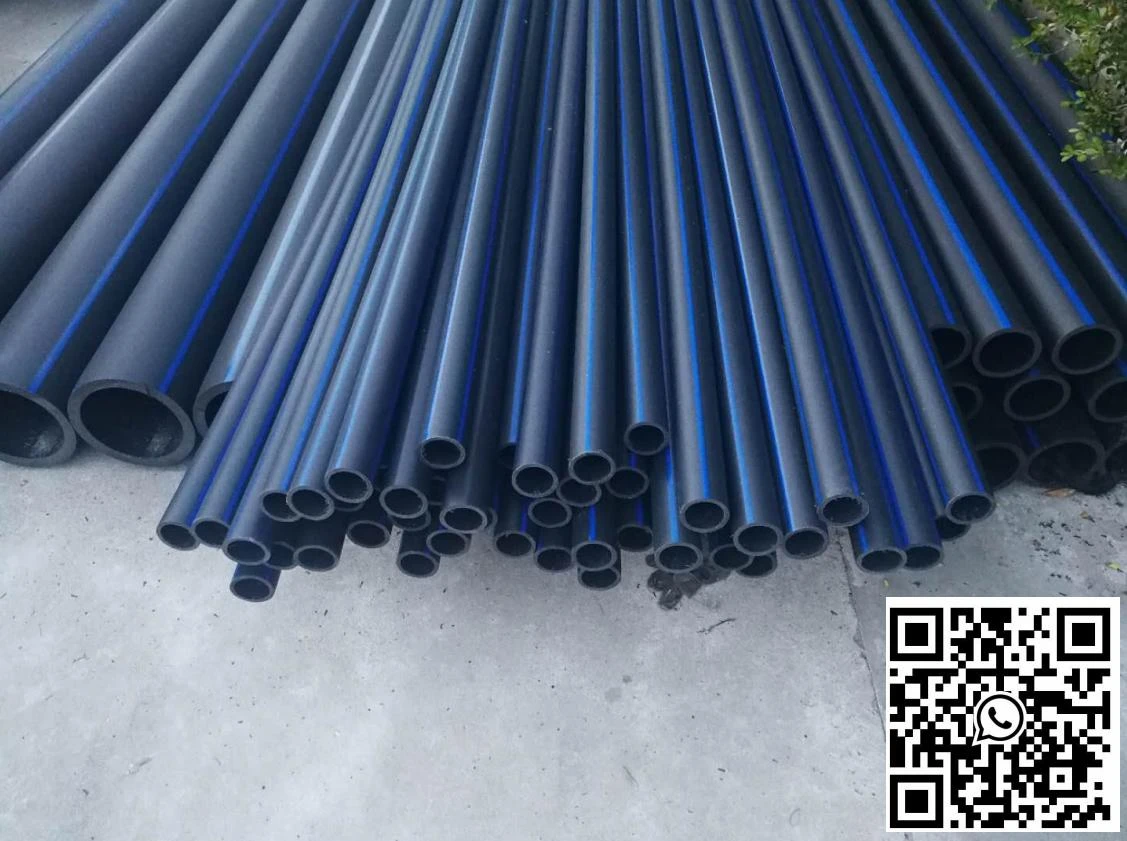
The 2” HDPE to PVC coupling is a critical component in fluid conveyance systems, facilitating the transition between High-Density Polyethylene (HDPE) and Polyvinyl Chloride (PVC) piping. This coupling addresses the incompatibility of direct connection due to differing material properties and connection methodologies. Primarily employed in irrigation, water distribution, drainage, and industrial piping applications, it provides a robust and reliable joint. Its technical position within the industry chain lies as a connecting element, critical for system integrity, particularly when retrofitting existing infrastructure or adapting to specific project requirements. Core performance characteristics center on maintaining pressure integrity, preventing leakage, and resisting chemical degradation relevant to the conveyed fluid. The design must account for differential thermal expansion between HDPE and PVC, a key pain point for engineers, alongside ensuring long-term durability under operational stresses and varying environmental conditions.
Material Science & Manufacturing
The coupling primarily comprises three material components: HDPE, PVC, and typically a rubber gasket (often EPDM or Nitrile). HDPE, a thermoplastic polymer derived from petroleum, exhibits high tensile strength-to-density ratio, excellent chemical resistance, and flexibility. Its molecular structure, characterized by long chains of ethylene, imparts impact resistance even at low temperatures. PVC, another thermoplastic, offers rigidity, dimensional stability, and good resistance to acids and bases. However, PVC is less flexible than HDPE and more susceptible to degradation under UV exposure. The rubber gasket provides a watertight seal, compensating for minor irregularities in the pipe surfaces and accommodating thermal expansion/contraction differences.
Manufacturing typically involves injection molding for the PVC and HDPE components. HDPE sections are often produced via rotational molding for larger diameters. Critical parameters during injection molding include melt temperature (PVC: 180-210°C, HDPE: 190-230°C), mold temperature (PVC: 30-50°C, HDPE: 20-40°C), injection pressure (PVC: 600-800 bar, HDPE: 500-700 bar) and cooling rate. Precise control of these parameters is crucial to avoid warpage, shrinkage, and internal stresses that can compromise coupling integrity. The rubber gasket is typically compression molded, and its durometer (hardness) is a critical specification (typically 60-70 Shore A) to ensure effective sealing without excessive compression. Post-molding, dimensional checks are performed using calibrated gauges, and pressure testing is conducted to validate leak-proof performance. Quality control includes verifying material composition via Fourier Transform Infrared Spectroscopy (FTIR) and assessing impact resistance using Izod impact tests.
Performance & Engineering
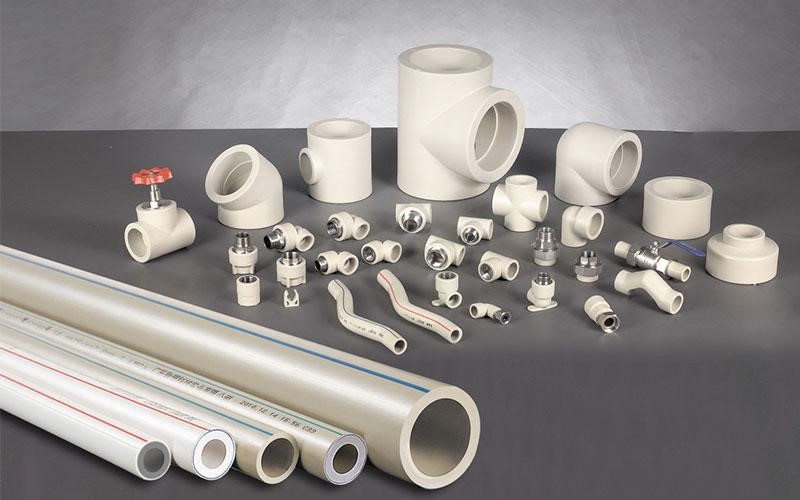
The performance of the 2” HDPE to PVC coupling is dictated by several engineering considerations. Firstly, the coupling must withstand the internal hydrostatic pressure of the fluid being conveyed. Force analysis considers hoop stress within the PVC section and tensile stress in the HDPE section, ensuring stresses remain below the material’s yield strength. Secondly, the coupling must resist external loads, including soil loading (in buried applications) and mechanical impact. The gasket’s compression and rebound properties are critical for maintaining a seal under cyclical pressure and temperature variations. Environmental resistance is also paramount. PVC is susceptible to UV degradation, requiring UV stabilizers in its formulation, particularly for exposed applications. HDPE exhibits superior UV resistance but can become brittle at extremely low temperatures. The choice of gasket material dictates resistance to specific chemicals; EPDM is generally suitable for water and many dilute chemicals, while Nitrile offers better resistance to oils and fuels. Compliance with industry standards, such as ASTM D2412 (PVC pipe fittings) and ASTM D3350 (HDPE pipe), is essential for ensuring quality and safety. Furthermore, the coefficient of thermal expansion mismatch between HDPE (approximately 1.1 x 10⁻⁴ /°C) and PVC (approximately 0.8 x 10⁻⁴ /°C) must be accommodated by the gasket and coupling design to prevent stress concentration and potential failure.
Technical Specifications
| Parameter | HDPE Section | PVC Section | Gasket Material |
|---|---|---|---|
| Nominal Diameter | 2” (50.8 mm) | 2” (50.8 mm) | 2” ID |
| Material | HDPE (PE100) | PVC (Schedule 40) | EPDM / Nitrile |
| Pressure Rating | PN16 (232 psi) | PN16 (232 psi) | Dependent on system |
| Temperature Range | -40°C to 60°C | 0°C to 60°C | -30°C to 120°C |
| Tensile Strength | >25 MPa | >55 MPa | >10 MPa |
| Chemical Resistance | Excellent to most acids & bases | Good to most acids & bases | Varies based on material (EPDM/Nitrile) |
Failure Mode & Maintenance
Common failure modes for 2” HDPE to PVC couplings include gasket failure (leading to leakage), cracking of the PVC section (due to over-tightening or impact), and separation of the HDPE and PVC sections (caused by thermal stress or inadequate bonding). Fatigue cracking in the PVC can occur under cyclical pressure, particularly if the coupling is subjected to water hammer. Degradation of the rubber gasket over time due to chemical exposure or UV radiation is another frequent cause of failure. Oxidation of the HDPE section, although slow, can reduce its long-term strength.
Preventive maintenance involves regular visual inspection for signs of cracking, leakage, or gasket degradation. Periodic torque checks of any bolted connections are crucial to avoid over-tightening. For systems exposed to UV radiation, protective shielding or UV-resistant coatings should be applied to the PVC section. If the gasket exhibits signs of deterioration, it should be replaced with a compatible gasket of the same material and dimensions. In cases of suspected cracking, the coupling should be immediately replaced. A proactive maintenance schedule, documented and adhered to, will significantly extend the service life of the coupling and prevent costly system failures. For buried applications, corrosion prevention measures, such as protective coatings on the PVC and HDPE, are recommended to mitigate the effects of soil contaminants.
Industry FAQ
Q: What is the impact of differing thermal expansion coefficients on the long-term performance of this coupling?
A: The difference in thermal expansion rates between HDPE and PVC creates stresses within the coupling as the temperature fluctuates. The gasket plays a crucial role in absorbing these stresses, but prolonged or extreme temperature variations can lead to gasket compression set (loss of resilience) or eventual failure. Proper installation, avoiding excessive bending or strain on the coupling, and selecting a gasket material with appropriate elasticity are essential mitigation strategies. In extreme temperature environments, expansion loops or expansion joints may be necessary upstream of the coupling.
Q: How does the choice of gasket material affect the coupling’s resistance to specific chemicals?
A: Gasket material selection is paramount. EPDM offers excellent resistance to water, many dilute acids, and alkalis. However, it’s susceptible to degradation by oils and fuels. Nitrile provides superior resistance to oils, fuels, and solvents but may not be as effective in prolonged exposure to certain acids. A thorough understanding of the conveyed fluid's chemical composition is necessary to select the appropriate gasket material.
Q: What are the key considerations when installing this coupling in a buried environment?
A: Buried installations require careful attention to soil conditions. Corrosive soils can accelerate degradation of the PVC. A protective coating on the PVC section is recommended. Backfilling procedures should avoid compacting the soil directly around the coupling, which can induce stress. Ensure adequate bedding and support to prevent movement or strain on the coupling. Additionally, consider the potential for ground movement and temperature fluctuations.
Q: What pressure testing protocols should be followed to verify the integrity of the installed coupling?
A: After installation, the coupling should be subjected to hydrostatic pressure testing at 1.5 times the operating pressure for a minimum of 30 minutes. Visual inspection for leaks is essential. The test pressure should be gradually increased to avoid sudden shocks. Document the test pressure, duration, and results for quality control purposes. Any observed leakage necessitates immediate investigation and repair.
Q: What is the expected service life of this coupling under typical operating conditions?
A: Under typical operating conditions (moderate temperatures, compatible fluids, and proper installation), a well-maintained 2” HDPE to PVC coupling can provide a service life of 20-30 years. However, this is highly dependent on the specific application, environmental factors, and the quality of materials and manufacturing. Regular inspections and preventive maintenance are crucial for maximizing its lifespan.
Conclusion
The 2” HDPE to PVC coupling is an essential component for facilitating transitions between disparate piping systems. Its performance hinges on a comprehensive understanding of material science, manufacturing precision, and engineering principles related to stress analysis, thermal expansion, and chemical compatibility. Adherence to relevant industry standards and rigorous quality control during manufacturing are paramount to ensuring long-term reliability and preventing premature failure.
Selecting the correct gasket material and implementing proactive maintenance strategies are critical to extending the service life of the coupling. By carefully considering the operating environment, fluid characteristics, and installation procedures, engineers can maximize the performance and durability of this crucial connection point within fluid conveyance systems. Future development may focus on advanced gasket materials offering improved resilience and chemical resistance, as well as enhanced coupling designs that better accommodate differential thermal expansion.
-
DN25 HDPE Compression Fitting-HORON INTERNATIONAL|Reliable Irrigation Solutions
NewsFeb.11,2026
-
china 2 inch upvc column pipe price Performance Analysis
News2026-05-30
-
china hdpe to pvc coupling Performance Analysis
News2026-05-30
-
china 2 hdpe to pvc coupling Performance Analysis
News2026-05-30
-
china 48 inch hdpe pipe cost Performance Analysis
News2026-05-30
-
china upvc column pipe price Performance Analysis
News2026-05-30
-
china hdpe pipe to pvc pipe connection Performance Engineering
News2026-05-29
-
china 12 inch pvc pipe Performance Analysis
News2026-05-29
-
china pvc to hdpe pipe connection Performance Analysis
News2026-05-29
-
china types of pipes pvc Performance Analysis
News2026-05-29
-
china 2 hdpe coupling Material Science
News2026-05-29
-
china 48 hdpe pipe for sale Performance Analysis
News2026-05-28
-
china perforated land drainage pipe Performance Analysis
News2026-05-28
-
china clear pvc hose Performance Analysis
News2026-05-28
-
china kitchen sink hot cold water lines Performance Analysis
News2026-05-28
-
china 110 mm pvc pipe Performance Analysis
News2026-05-28