

Feb . 11, 2026 00:01 Back to list
china 63mm hdpe pipe price Performance Analysis
Introduction
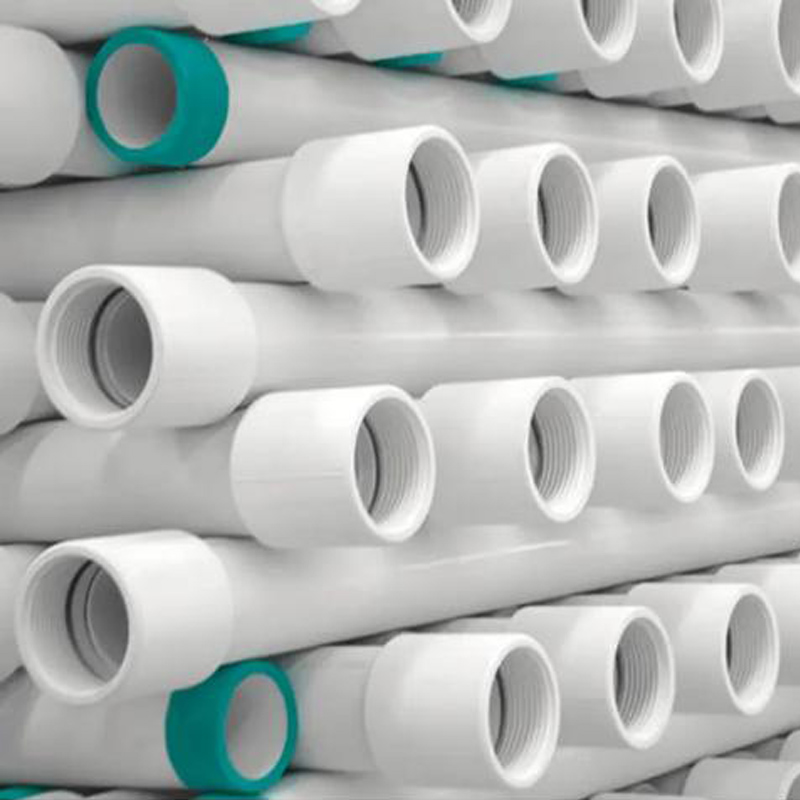
High-Density Polyethylene (HDPE) pipe with a 63mm outer diameter represents a crucial component in diverse fluid and gas conveyance systems. Widely utilized in water distribution, irrigation, drainage, sewage, and gas transportation, its prevalence stems from a robust balance of cost-effectiveness, durability, and ease of installation. China’s position as a leading manufacturer contributes significantly to the global HDPE pipe supply, impacting pricing and accessibility. This technical guide provides an in-depth analysis of 63mm HDPE pipe, covering material science, manufacturing processes, performance characteristics, potential failure modes, and relevant industry standards. A key industry pain point involves consistently ensuring long-term pressure integrity and resistance to environmental stress cracking (ESC) particularly in demanding applications. This guide addresses these concerns through detailed technical examination.
Material Science & Manufacturing
The fundamental material for 63mm HDPE pipe is high-density polyethylene, a thermoplastic polymer produced from the polymerization of ethylene. HDPE is characterized by its high strength-to-density ratio, excellent chemical resistance, and relatively low cost. The polyethylene resin used must meet specific density requirements (typically 0.941 – 0.965 g/cm³) and molecular weight distribution (MWD) profiles to ensure consistent performance. Manufacturing typically involves extrusion processes. Polyethylene granules are fed into an extruder, melted, and forced through a die to create a continuous pipe shape. Critical process parameters include melt temperature (typically 180-210°C), die pressure, and cooling rate. The cooling process is vital – controlled cooling utilizing water baths is essential to minimize internal stresses and ensure dimensional accuracy. Pipe wall thickness is meticulously controlled to meet specified pressure ratings (SDR – Standard Dimension Ratio). Further, the addition of carbon black is commonplace to provide UV resistance, extending the pipe's lifespan in outdoor applications. The quality of carbon black dispersion is critical to prevent localized degradation. Post-extrusion, pipes undergo quality control checks including hydrostatic pressure testing and dimensional inspections according to standards like ISO 1167 and EN 1261.
Performance & Engineering
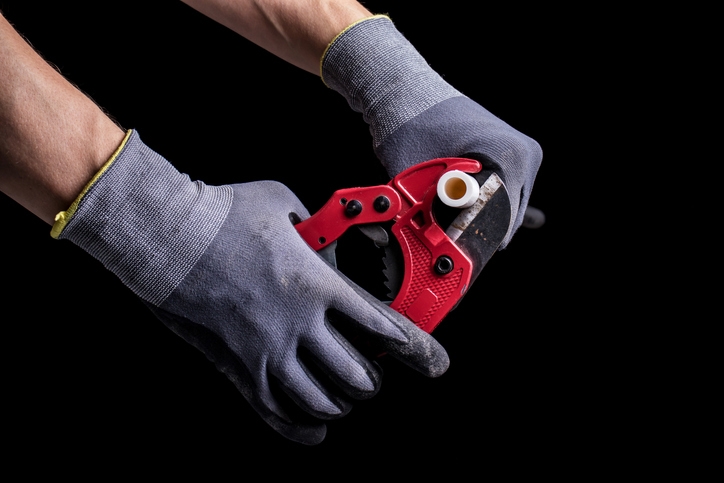
The performance of 63mm HDPE pipe is defined by its ability to withstand internal hydrostatic pressure, external loads, and environmental stressors. Hydrostatic design stress (HDS) is a critical parameter, calculated based on the pipe’s dimensions, material’s minimum yield strength (MRS), and a design factor. Long-term hydrostatic strength (LTHS) is a particularly important consideration, as HDPE exhibits creep behavior under sustained pressure. Engineering analyses often incorporate Finite Element Analysis (FEA) to model stress distribution under various loading conditions, including soil loads, traffic loads, and thermal expansion/contraction. Environmental resistance is paramount; HDPE is generally resistant to most chemicals, but susceptibility to Environmental Stress Cracking (ESC) exists, particularly in the presence of surfactants and certain solvents. UV degradation is also a concern, addressed by carbon black additives. Jointing methods—heat fusion (butt fusion, socket fusion, electrofusion) and mechanical fittings—significantly impact the system's overall performance. Proper fusion parameters (temperature, pressure, cooling time) are crucial for achieving joint strength comparable to the pipe body. Compliance with industry standards, such as AWWA C906 for water applications and ASTM D2412 for pressure rating calculations, is mandatory for ensuring safe and reliable operation.
Technical Specifications
| Parameter | Unit | Typical Value (63mm HDPE) | Testing Standard |
|---|---|---|---|
| Outer Diameter | mm | 63 ± 0.5 | ISO 4437 |
| Wall Thickness | mm | 2.0 – 4.0 (depending on SDR) | ISO 4437 |
| SDR (Standard Dimension Ratio) | - | SDR 17, SDR 11, SDR 9 | ASTM D2412 |
| Hydrostatic Design Stress (HDS) | MPa | 8.0 – 12.5 (depending on SDR and MRS) | ISO 1167 |
| Minimum Required Strength (MRS) | MPa | 5.0 | ISO 9080 |
| Density | g/cm³ | 0.941 – 0.965 | ISO 1183 |
Failure Mode & Maintenance
Common failure modes in 63mm HDPE pipe include slow crack growth (SCG) due to ESC, particularly at stress concentrators like joints or imperfections. Long-term creep deformation can also lead to reduced pressure capacity over time. UV degradation, despite carbon black additives, can cause surface embrittlement and cracking if exposed to prolonged sunlight. Catastrophic failures are rare, but can occur due to overpressure events or external impact damage. Third-party damage during installation (e.g., punctures by excavation equipment) is a frequent cause of localized failure. Maintenance primarily focuses on preventative measures. Regular visual inspections for signs of cracking, deformation, or UV degradation are recommended. Joint integrity should be periodically verified. Proper backfilling procedures are critical to provide adequate support and prevent external stresses. In the event of a detected leak, the affected section of pipe should be excavated and either repaired using heat fusion techniques or replaced. It's crucial to employ qualified personnel for all repair work to ensure joint integrity and long-term reliability. Furthermore, cathodic protection may be considered in specific applications where stray currents could accelerate corrosion (although HDPE is inherently corrosion-resistant, induced currents can be a factor).
Industry FAQ
Q: What is the impact of temperature on the long-term performance of 63mm HDPE pipe?
A: Elevated temperatures accelerate creep deformation and reduce the hydrostatic design strength of HDPE. Long-term exposure to high temperatures can lead to a gradual reduction in pipe diameter and an increased risk of failure. Conversely, low temperatures can increase brittleness, making the pipe more susceptible to cracking, especially under impact. Design calculations must account for the operating temperature range and potential temperature fluctuations.
Q: How does the SDR affect the pressure rating of the pipe?
A: SDR (Standard Dimension Ratio) is the ratio of the pipe's outer diameter to its wall thickness. A lower SDR indicates a thicker wall, resulting in a higher pressure rating. Conversely, a higher SDR indicates a thinner wall and a lower pressure rating. Selecting the appropriate SDR is crucial for ensuring the pipe can withstand the anticipated operating pressure.
Q: What are the key considerations for joining 63mm HDPE pipe?
A: Proper jointing is critical. Heat fusion techniques (butt fusion, socket fusion, electrofusion) are generally preferred for their superior strength and long-term reliability. Fusion parameters (temperature, pressure, cooling time) must be strictly controlled according to manufacturer's recommendations and relevant standards. Skilled operators are essential to ensure consistent fusion quality. Mechanical fittings should only be used where heat fusion is impractical and must be selected and installed correctly.
Q: How can Environmental Stress Cracking (ESC) be prevented in 63mm HDPE pipe?
A: ESC can be minimized by avoiding contact with aggressive chemicals, particularly those containing surfactants or solvents. Using high-quality HDPE resin with appropriate stress crack resistance is essential. Proper pipe support and backfilling procedures can reduce stress concentrations. Adding antioxidants and stabilizers to the HDPE formulation can enhance its resistance to ESC. Careful material selection based on the intended application and fluid conveyed is paramount.
Q: What is the typical lifespan of a properly installed and maintained 63mm HDPE pipe system?
A: A properly installed and maintained 63mm HDPE pipe system can have a lifespan of 50 years or more. However, the actual lifespan depends on factors such as operating pressure, temperature, soil conditions, exposure to UV radiation, and the quality of materials and workmanship. Regular inspections and preventative maintenance are essential for maximizing the system’s lifespan.
Conclusion
63mm HDPE pipe represents a highly versatile and reliable solution for a wide range of fluid and gas conveyance applications. Its inherent properties—durability, chemical resistance, and ease of installation—coupled with cost-effectiveness, contribute to its widespread adoption. However, realizing its full potential requires careful attention to material selection, manufacturing processes, installation procedures, and long-term maintenance practices. Understanding the potential failure modes, particularly ESC and creep deformation, is critical for ensuring long-term system integrity.
Future advancements in HDPE resin technology, focusing on enhanced stress crack resistance and improved UV stability, will further extend the lifespan and broaden the application range of 63mm HDPE pipe. The increasing adoption of advanced monitoring technologies, such as acoustic leak detection and distributed temperature sensing, will also enable proactive maintenance and prevent costly failures. Continued adherence to international standards and best practices is essential for maintaining the quality and reliability of HDPE pipe systems.
-
DN25 HDPE Compression Fitting-HORON INTERNATIONAL|Reliable Irrigation Solutions
NewsFeb.11,2026
-
china hdpe coupling price Performance Analysis
News2026-06-01
-
china dual wall perforated corrugated pipe Performance Analysis
News2026-06-01
-
china ppr pipe 63mm Performance Analysis
News2026-06-01
-
china 63mm hdpe pipe price Performance Analysis
News2026-06-01
-
china ppr water pipe Performance Analysis
News2026-06-01
-
china 2.5 inch hdpe pipe price Performance Analysis
News2026-05-31
-
china 20mm pvc pipe Performance Analysis
News2026-05-31
-
china hdpe pipe company Performance Analysis
News2026-05-31
-
china water pipe for kitchen sink Material Performance
News2026-05-31
-
china 12 inch diameter pvc pipe for sale Performance Analysis
News2026-05-31
-
china 2 inch upvc column pipe price Performance Analysis
News2026-05-30
-
china hdpe to pvc coupling Performance Analysis
News2026-05-30
-
china 2 hdpe to pvc coupling Performance Analysis
News2026-05-30
-
china 48 inch hdpe pipe cost Performance Analysis
News2026-05-30
-
china upvc column pipe price Performance Analysis
News2026-05-30