

Feb . 11, 2026 00:01 Back to list
china hdpe coupling price Performance Analysis
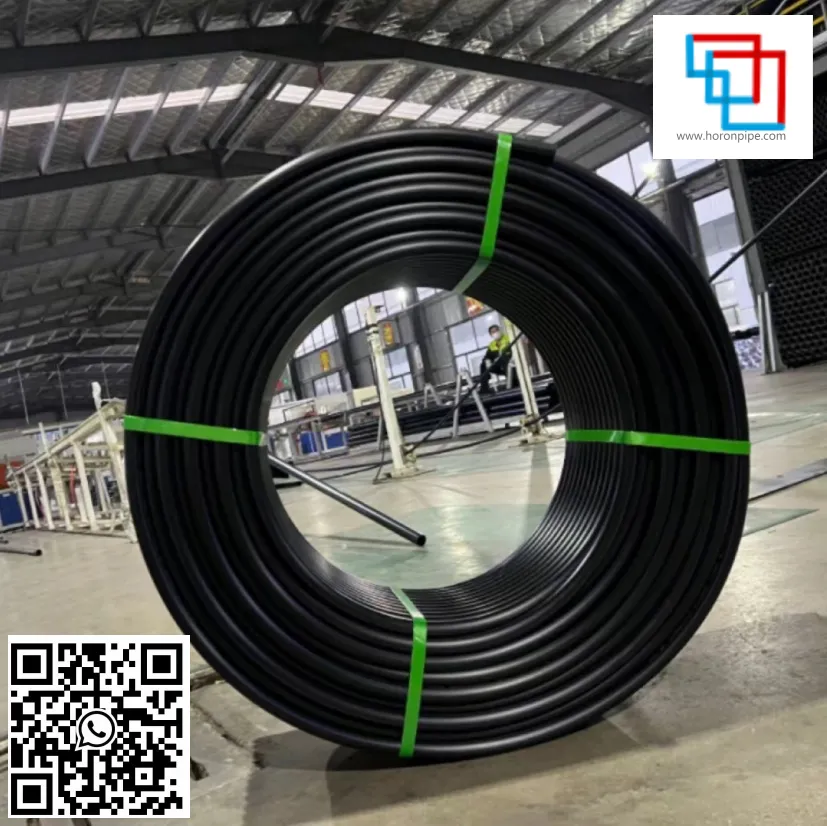
Introduction
High-Density Polyethylene (HDPE) couplings, particularly those sourced from China, represent a critical component in pipeline systems across diverse industries including water distribution, gas transmission, chemical processing, and irrigation. These couplings facilitate the joining of HDPE pipes, offering a secure and leak-proof connection. The demand for cost-effective and reliable HDPE couplings has increased significantly, positioning China as a major global supplier. This guide provides a comprehensive technical overview of HDPE couplings, covering material science, manufacturing processes, performance characteristics, potential failure modes, and relevant industry standards. Understanding these aspects is crucial for procurement managers, engineers, and maintenance personnel involved in pipeline design, installation, and operation. The core performance attributes of HDPE couplings – pressure rating, chemical resistance, and long-term durability – directly impact system integrity and operational efficiency. A key industry pain point lies in verifying the consistent quality of HDPE couplings sourced internationally, specifically concerning raw material composition, welding procedures (where applicable), and conformance to international standards.
Material Science & Manufacturing
HDPE couplings are primarily manufactured from high-density polyethylene resin, typically grades meeting or exceeding ASTM D3350 standards. The raw material’s molecular weight distribution, density (typically 0.941 – 0.965 g/cm³), and melt flow index (MFI) are critical parameters influencing the final coupling’s performance. Lower MFI values generally indicate higher molecular weight and improved resistance to slow crack growth. Manufacturing processes vary depending on the coupling type and size. Injection molding is commonly used for smaller diameter couplings and fittings, providing precise dimensional control and repeatability. Extrusion is employed for larger diameter couplings and spigot ends, requiring careful control of extrusion temperature, screw speed, and die design to ensure uniform wall thickness and material density. For electrofusion couplings, a conductive carbon black is incorporated into the HDPE resin to facilitate the welding process. Butt fusion couplings require precise end preparation and controlled heating and cooling cycles. Key parameters monitored during manufacturing include melt temperature (180-220°C), mold temperature (30-60°C for injection molding), and cooling rates. Variations in these parameters can lead to defects such as sink marks, warpage, and internal stresses, impacting long-term performance. Chemical compatibility of the HDPE resin with potential fluids transported within the pipeline is also a critical consideration during material selection. Long-term exposure to certain chemicals can cause swelling, degradation, or embrittlement.
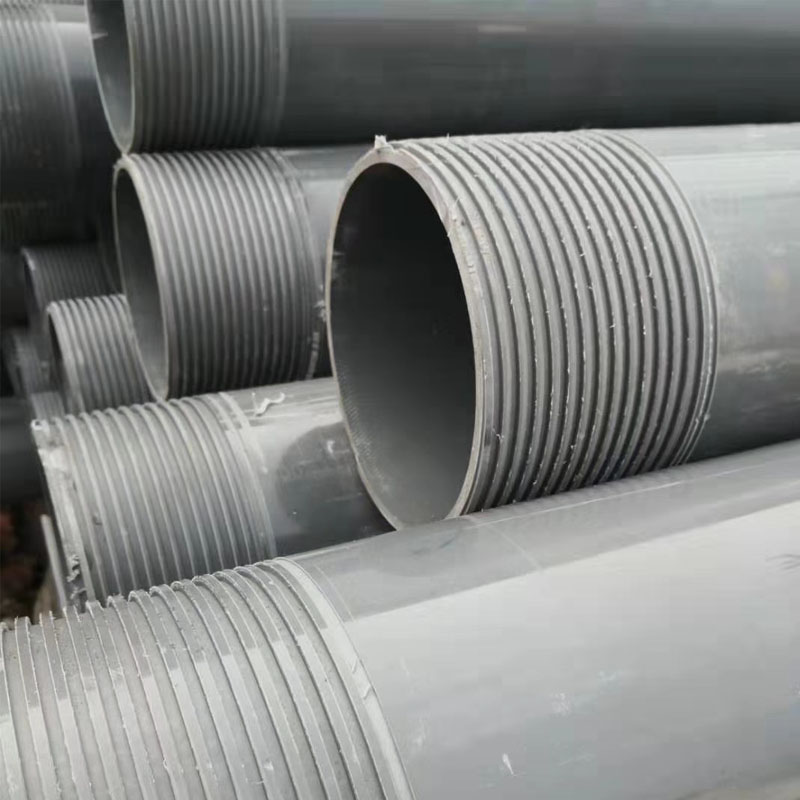
Performance & Engineering
The performance of HDPE couplings is governed by several engineering principles. Stress analysis, particularly concerning hoop stress generated by internal pressure, is crucial for determining the pressure rating of the coupling. Finite Element Analysis (FEA) is often employed to model stress distribution under various loading conditions. HDPE exhibits time-dependent behavior (creep), meaning its mechanical properties change over time under sustained load. This must be considered in long-term design calculations, particularly for applications involving elevated temperatures or pressures. The chemical resistance of HDPE is generally excellent, but compatibility must be verified for specific fluids. Long-term hydrostatic strength (LHS) is a key performance metric, reflecting the coupling’s ability to withstand sustained internal pressure over a specified lifespan (typically 50 years). Environmental factors such as UV exposure and temperature fluctuations can impact the mechanical properties of HDPE. UV stabilizers are often incorporated into the resin to mitigate degradation from sunlight. Impact resistance is also important, especially in applications where the pipeline may be subjected to accidental impacts. HDPE couplings must comply with relevant industry standards for pressure testing, leakage testing, and dimensional accuracy. The performance of the coupling is also heavily reliant on the quality of the joint itself, whether it’s a butt fusion, electrofusion, or mechanical connection. Proper welding parameters and installation procedures are essential for achieving a reliable and leak-proof seal.
Technical Specifications
| Parameter | Unit | Typical Value (China HDPE Coupling) | Test Standard |
|---|---|---|---|
| Nominal Pipe Size | mm | 20 – 630 | GB/T 5836.1 |
| Pressure Rating (PN) | Bar | PN10, PN16, PN20 | ISO 14236 |
| Material | - | HDPE (PE100, PE80) | ASTM D3350 |
| Density | g/cm³ | 0.941 – 0.965 | GB/T 18454.3 |
| Melt Flow Index (MFI) | g/10min | 0.3 – 0.8 | GB/T 18454.7 |
| Operating Temperature | °C | -40 to +60 | DIN 8074 |
Failure Mode & Maintenance
HDPE couplings can fail due to several mechanisms. Slow crack growth (SCG) is a common failure mode, particularly in environments with sustained tensile stress and exposure to certain chemicals. SCG manifests as brittle cracks propagating slowly through the HDPE material. Fatigue cracking can occur under cyclic loading, such as pressure surges or vibration. Joint failures are frequently caused by improper welding procedures (insufficient heating, incorrect pressure, contamination) or inadequate surface preparation. Oxidation can lead to embrittlement and cracking, especially at elevated temperatures. UV degradation can cause surface discoloration and reduce mechanical strength. Corrosion is not typically a concern with HDPE itself, but corrosion of metallic components (e.g., bolts, flanges) can lead to coupling failure. Maintenance practices include regular visual inspections for cracks, leaks, and signs of degradation. Pressure testing should be conducted periodically to verify system integrity. Welded joints should be inspected using non-destructive testing methods such as ultrasonic testing or radiography. For electrofusion couplings, ensure the welding equipment is properly calibrated and the welding parameters are within the manufacturer’s specifications. Damaged couplings should be replaced immediately. Proper storage of HDPE couplings is also important to prevent UV degradation and mechanical damage. Couplings should be stored in a cool, dry, and shaded location.
Industry FAQ
Q: What is the significance of the PE100 vs. PE80 designation for HDPE couplings?
A: PE100 and PE80 refer to the minimum required long-term hydrostatic strength (MHS) of the HDPE material. PE100 offers a higher MHS (10 MPa) than PE80 (8 MPa), indicating superior long-term durability and resistance to creep. PE100 is generally preferred for higher-pressure applications and larger diameter pipelines.
Q: How does temperature affect the performance of HDPE couplings?
A: Elevated temperatures reduce the mechanical strength and creep resistance of HDPE. While HDPE couplings can operate within a temperature range of -40°C to +60°C, exceeding these limits can compromise their long-term performance. Lower temperatures can increase brittleness, making the coupling more susceptible to impact damage.
Q: What are the critical quality control checks for electrofusion couplings sourced from China?
A: Critical checks include verifying the carbon black content (ensuring sufficient conductivity), inspecting the welding surface for defects, and performing electrical resistance measurements to confirm the integrity of the conductive layer. Also crucial is verifying adherence to ISO 19901 standards for electrofusion welding.
Q: What are the primary causes of leakage in butt-fused HDPE couplings?
A: Leakage typically results from inadequate welding parameters (insufficient heating time, incorrect welding pressure, improper alignment), contamination of the welding surfaces, or insufficient fusion of the pipe ends. Proper surface preparation and adherence to recommended welding procedures are crucial.
Q: What role does the SDR (Standard Dimension Ratio) play in selecting an HDPE coupling?
A: SDR is a dimensionless ratio of the pipe's outside diameter to its wall thickness. Lower SDR values indicate thicker walls and higher pressure ratings. The HDPE coupling's pressure rating must be compatible with the SDR of the pipe it’s connecting to ensure system integrity.
Conclusion
HDPE couplings, particularly those sourced from China, provide a cost-effective and reliable solution for joining HDPE pipes in a wide range of applications. However, ensuring consistent quality and adherence to international standards is paramount. Understanding the material science, manufacturing processes, performance characteristics, and potential failure modes is crucial for making informed procurement and engineering decisions. Careful consideration of factors such as pressure rating, temperature, chemical compatibility, and installation procedures is essential for maximizing the long-term performance and reliability of HDPE pipeline systems.
The continued development of advanced HDPE resin formulations, coupled with improved manufacturing techniques and stringent quality control measures, will further enhance the performance and durability of these couplings. Future advancements may include the incorporation of smart sensors for real-time monitoring of joint integrity and the development of self-healing HDPE materials to mitigate the effects of SCG. A proactive approach to maintenance and inspection, combined with a thorough understanding of the underlying engineering principles, will ensure the long-term integrity and efficiency of HDPE pipeline infrastructure.
-
DN25 HDPE Compression Fitting-HORON INTERNATIONAL|Reliable Irrigation Solutions
NewsFeb.11,2026
-
china hdpe coupling price Performance Analysis
News2026-06-01
-
china dual wall perforated corrugated pipe Performance Analysis
News2026-06-01
-
china ppr pipe 63mm Performance Analysis
News2026-06-01
-
china 63mm hdpe pipe price Performance Analysis
News2026-06-01
-
china ppr water pipe Performance Analysis
News2026-06-01
-
china 2.5 inch hdpe pipe price Performance Analysis
News2026-05-31
-
china 20mm pvc pipe Performance Analysis
News2026-05-31
-
china hdpe pipe company Performance Analysis
News2026-05-31
-
china water pipe for kitchen sink Material Performance
News2026-05-31
-
china 12 inch diameter pvc pipe for sale Performance Analysis
News2026-05-31
-
china 2 inch upvc column pipe price Performance Analysis
News2026-05-30
-
china hdpe to pvc coupling Performance Analysis
News2026-05-30
-
china 2 hdpe to pvc coupling Performance Analysis
News2026-05-30
-
china 48 inch hdpe pipe cost Performance Analysis
News2026-05-30
-
china upvc column pipe price Performance Analysis
News2026-05-30