

Feb . 11, 2026 00:01 Back to list
china ppr water pipe Performance Analysis
Introduction
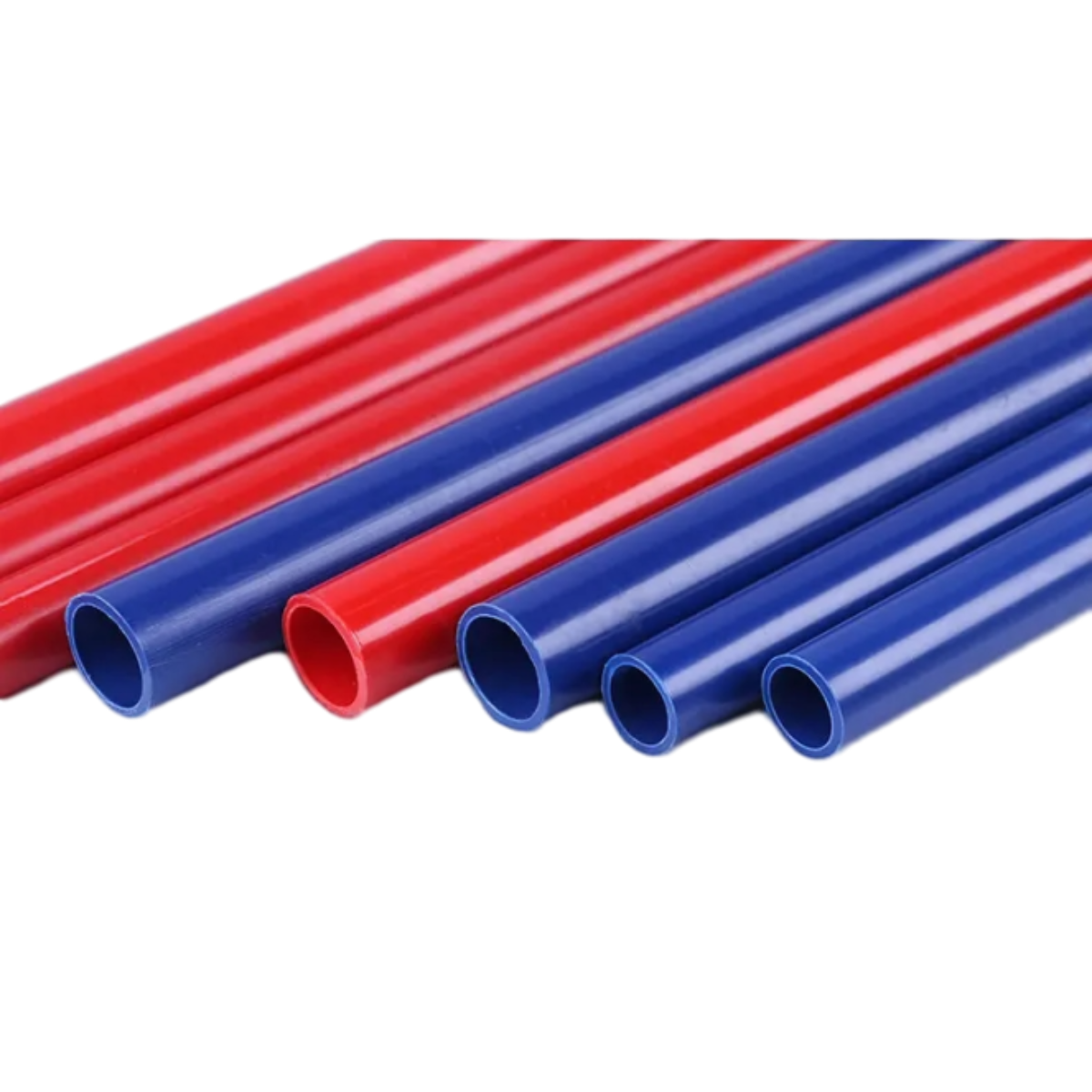
Polypropylene Random (PPR) water pipes, manufactured extensively in China, represent a significant advancement in potable water distribution systems and industrial fluid transport. Positioned between traditional metallic piping (steel, copper) and thermoplastic alternatives (PVC, PE), PPR offers a compelling balance of cost-effectiveness, corrosion resistance, and thermal stability. Within the industrial chain, PPR pipes serve as a crucial downstream product of polypropylene resin production, undergoing extrusion, molding, and rigorous quality control. Core performance characteristics center around maintaining fluid purity, resisting pressure fluctuations, and exhibiting long-term durability under varied environmental conditions. PPR’s increasing adoption reflects a global trend towards lighter-weight, easier-to-install, and more sustainable piping solutions. The rising demand is driven by infrastructure development in emerging economies and the replacement of aging metallic systems in developed countries. Key pain points addressed by PPR include the prevention of bio-film formation within the pipes, minimizing scaling, and ensuring consistent water quality delivery.
Material Science & Manufacturing
PPR pipe derives its properties from polypropylene random copolymer resin, specifically grades designed for pressure pipe applications. The base polypropylene homopolymer is modified with ethylene comonomers, introducing short-chain branching. This branching disrupts the polymer’s crystallinity, resulting in enhanced flexibility, impact resistance, and weldability. Raw material properties critical for pipe performance include melt flow index (MFI), density, and molecular weight distribution. The manufacturing process predominantly utilizes extrusion. Polypropylene granules are fed into a single-screw or twin-screw extruder, where they are heated and melted. The molten polymer is then forced through a circular die to form the pipe shape. Key parameters during extrusion include barrel temperature profile (typically 190-240°C), screw speed, and die pressure. Cooling is achieved through water baths, followed by dimensional stabilization and cutting to length. Socket fusion and electrofusion are common joining methods. Socket fusion relies on heating both the pipe and fitting to create a homogenous weld. Electrofusion uses electrical resistance to melt and fuse the pipe and fitting interface, providing higher strength and more precise control. Post-extrusion annealing processes are sometimes employed to relieve internal stresses and improve long-term creep resistance. The quality of the raw material and precise control of the extrusion parameters are paramount to ensuring consistent pipe wall thickness, dimensional accuracy, and material homogeneity.
Performance & Engineering
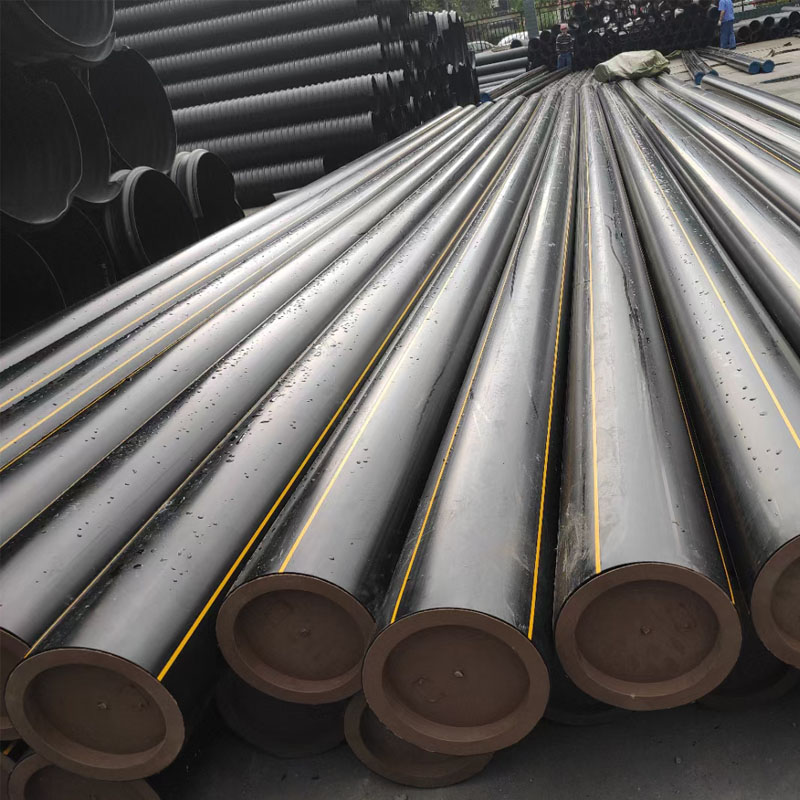
The performance of PPR pipes is fundamentally governed by their hydrostatic strength, thermal expansion coefficient, and resistance to chemical attack. Hydrostatic strength, determined by conducting long-term pressure tests according to standards like ISO 1167, dictates the maximum operating pressure the pipe can withstand without failure. PPR exhibits a relatively high coefficient of thermal expansion (approximately 0.15 mm/m°C), necessitating the incorporation of expansion loops or flexible connectors in long pipeline runs to accommodate temperature fluctuations and prevent stress cracking. Engineering calculations must account for these thermal stresses, particularly in hot water applications. Chemical resistance is generally excellent for common potable water constituents and most industrial fluids. However, prolonged exposure to strong oxidizing agents or certain solvents can induce degradation. Force analysis focuses on hoop stress (tangential stress in the pipe wall due to internal pressure) and longitudinal stress (stress along the pipe axis due to axial loads). Compliance requirements vary by region but typically include adherence to drinking water standards (e.g., NSF/ANSI 61), fire safety regulations (e.g., UL 94 for flame retardancy), and pressure vessel directives (e.g., PED 2014/68/EU). Functional implementation considerations include proper support spacing to prevent sagging and deflection, appropriate jointing techniques to ensure leak-tight seals, and grounding measures to prevent static electricity buildup in certain applications.
Technical Specifications
| Parameter | Unit | Typical Value (PN20) | Typical Value (PN25) |
|---|---|---|---|
| Nominal Pressure (PN) | Bar | 20 | 25 |
| Hydrostatic Pressure Test | Bar | 30 | 37.5 |
| Operating Temperature (Water) | °C | -20 to +95 | -20 to +95 |
| Thermal Conductivity | W/m·K | 0.24 | 0.24 |
| Coefficient of Linear Expansion | mm/m°C | 0.15 | 0.15 |
| Density | kg/m³ | 900-920 | 900-920 |
Failure Mode & Maintenance
PPR pipe, while durable, is susceptible to several failure modes. Slow Crack Growth (SCG) is a significant concern, particularly in environments with residual stresses and aggressive chemicals. This occurs due to the sustained tensile stress combined with the permeation of weakening agents, leading to crack propagation. Oxidation, especially at elevated temperatures and prolonged exposure to UV radiation, can embrittle the material, reducing its impact resistance. Thermal deformation, arising from inadequate support or excessive temperature fluctuations, can cause pipe sagging and joint leakage. Joint failures are common, stemming from improper socket fusion (insufficient heating or cooling) or electrofusion (incorrect voltage or welding time). Creep rupture, a time-dependent deformation under sustained stress, can occur in high-temperature applications over extended periods. Maintenance primarily involves visual inspection for cracks, leaks, or deformation. Periodic pressure testing can identify hidden leaks. Repair typically involves cutting out the damaged section and replacing it with a new PPR pipe and fittings, utilizing appropriate joining techniques. Preventative maintenance includes proper pipe support, thermal insulation where necessary, and avoiding exposure to incompatible chemicals. Regular flushing of the pipeline can mitigate scaling and bio-film buildup, extending the system's lifespan. A failure analysis should be conducted on any significant failures to determine the root cause and prevent recurrence.
Industry FAQ
Q: What is the long-term impact of water hardness on PPR pipe performance?
A: Prolonged exposure to hard water can lead to calcium carbonate scaling within the PPR pipe. While PPR itself isn't corroded by calcium carbonate, the scale buildup reduces the internal diameter, increasing flow resistance and potentially decreasing water pressure. Regular flushing and water softening systems are recommended to mitigate this effect.
Q: How does the quality of the welding equipment affect the integrity of PPR pipe joints?
A: The precision and temperature control of the welding equipment are critical. Inconsistent heating during socket fusion or incorrect voltage/time settings in electrofusion can result in incomplete or weak welds. Calibration of the equipment is essential, and technicians must be properly trained on its operation.
Q: What are the limitations of using PPR pipe in industrial applications involving corrosive chemicals?
A: PPR exhibits good resistance to many chemicals, but it’s vulnerable to attack from strong oxidizing agents (e.g., concentrated acids, chlorine) and certain organic solvents. Chemical compatibility charts should be consulted before using PPR in such applications. Alternative materials like CPVC or stainless steel may be required.
Q: What is the recommended maximum allowable slope for horizontal PPR pipe runs to ensure proper drainage?
A: A minimum slope of 1-2% is generally recommended for horizontal PPR pipe runs to ensure adequate drainage and prevent sediment buildup. This slope should be consistent throughout the run to avoid stagnant areas.
Q: How does UV exposure affect the lifespan of externally installed PPR pipe?
A: Prolonged exposure to ultraviolet (UV) radiation can degrade PPR, leading to embrittlement and reduced impact resistance. For externally installed pipes, UV-resistant coatings or protective coverings are recommended to extend their service life. Burial or shielding the pipe from direct sunlight is also effective.
Conclusion
China-manufactured PPR water pipe represents a viable and increasingly preferred solution for fluid conveyance in diverse applications. Its inherent properties – corrosion resistance, thermal stability, and ease of installation – address critical pain points associated with traditional piping materials. However, successful implementation demands a thorough understanding of material science principles, meticulous control of manufacturing parameters, and adherence to relevant industry standards.
Future developments will likely focus on enhancing PPR’s UV resistance, improving its creep resistance at elevated temperatures, and integrating smart sensing technologies for leak detection and performance monitoring. Continued research and development are essential to optimize PPR’s performance and broaden its application scope, solidifying its position as a leading material in the global piping industry.
-
DN25 HDPE Compression Fitting-HORON INTERNATIONAL|Reliable Irrigation Solutions
NewsFeb.11,2026
-
china hdpe coupling price Performance Analysis
News2026-06-01
-
china dual wall perforated corrugated pipe Performance Analysis
News2026-06-01
-
china ppr pipe 63mm Performance Analysis
News2026-06-01
-
china 63mm hdpe pipe price Performance Analysis
News2026-06-01
-
china ppr water pipe Performance Analysis
News2026-06-01
-
china 2.5 inch hdpe pipe price Performance Analysis
News2026-05-31
-
china 20mm pvc pipe Performance Analysis
News2026-05-31
-
china hdpe pipe company Performance Analysis
News2026-05-31
-
china water pipe for kitchen sink Material Performance
News2026-05-31
-
china 12 inch diameter pvc pipe for sale Performance Analysis
News2026-05-31
-
china 2 inch upvc column pipe price Performance Analysis
News2026-05-30
-
china hdpe to pvc coupling Performance Analysis
News2026-05-30
-
china 2 hdpe to pvc coupling Performance Analysis
News2026-05-30
-
china 48 inch hdpe pipe cost Performance Analysis
News2026-05-30
-
china upvc column pipe price Performance Analysis
News2026-05-30