

Feb . 11, 2026 00:01 Back to list
hdpe pvc coupling service Performance Analysis
Introduction
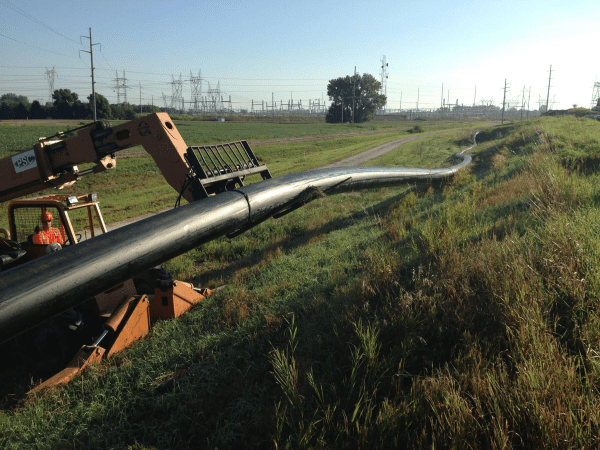
HDPE PVC couplings represent a critical joining solution in fluid handling systems, bridging the gap between High-Density Polyethylene (HDPE) and Polyvinyl Chloride (PVC) piping. These couplings are integral to infrastructure projects spanning irrigation, drainage, wastewater management, and chemical transfer. Their technical position within the industry chain is as a specialized fitting, requiring precise engineering to overcome the inherent material incompatibility between HDPE and PVC. Core performance characteristics are centered around maintaining leak-proof connections under varying pressure, temperature, and chemical exposure conditions. The increasing demand for these couplings stems from the desire to utilize the cost-effectiveness of PVC with the flexibility and robustness of HDPE in complex piping networks. A major industry pain point is ensuring long-term joint integrity, preventing failures due to differential thermal expansion, chemical attack, and mechanical stress. Proper coupling selection and installation are paramount to mitigate these risks.
Material Science & Manufacturing
HDPE and PVC possess significantly different physical and chemical properties. HDPE, a thermoplastic polymer, exhibits high tensile strength, excellent chemical resistance, and a relatively low-temperature coefficient of thermal expansion. Its semi-crystalline structure contributes to its durability. PVC, also a thermoplastic, is rigid, cost-effective, and resistant to many acids and bases but has lower impact strength than HDPE. Manufacturing HDPE PVC couplings typically involves several processes. Injection molding is utilized for the PVC component, requiring precise temperature and pressure control to ensure dimensional accuracy. HDPE components are often produced via extrusion or rotational molding. The crucial step is the bonding process. Common methods include solvent cementing (for PVC to PVC interfaces), mechanical clamping with rubber gaskets, or specialized adhesive systems designed for dissimilar plastics. Parameter control is vital; for instance, solvent cement curing time and temperature significantly influence bond strength. The rubber gasket material (typically EPDM or nitrile) must be chemically compatible with both HDPE and PVC, and its compression set must be minimal over the expected service life. The specific gravity of the materials (HDPE: 0.94-0.96 g/cm³; PVC: 1.38-1.40 g/cm³) impacts stress distribution within the coupling under load.
Performance & Engineering
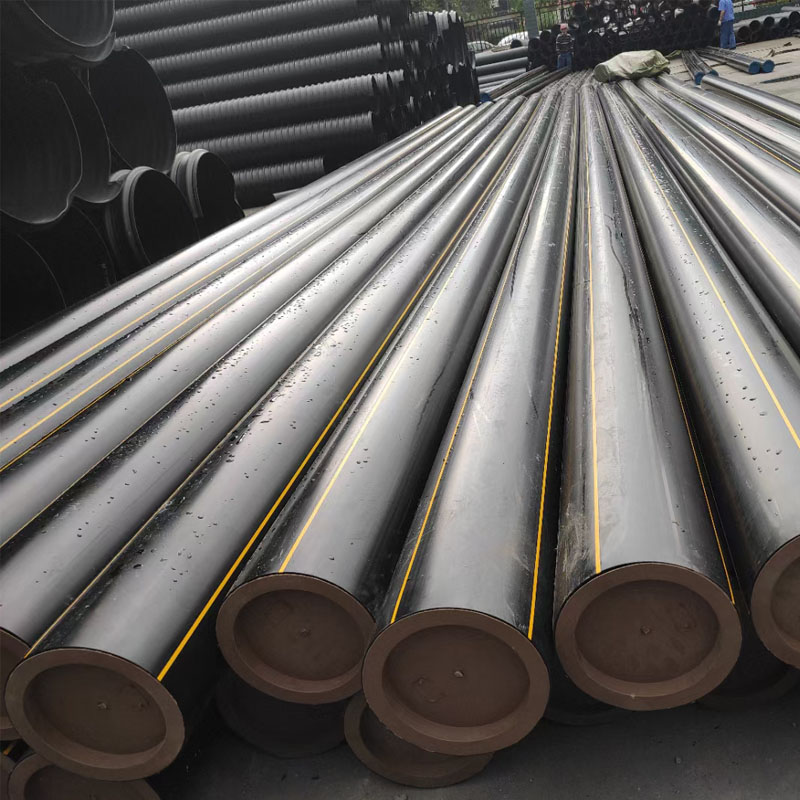
The performance of an HDPE PVC coupling is dictated by several engineering considerations. Force analysis must account for internal fluid pressure, external loads (soil pressure, traffic), and thermal stresses arising from temperature fluctuations. HDPE has a significantly higher coefficient of thermal expansion than PVC (HDPE: ~1.0 x 10⁻⁴ /°C; PVC: ~8.0 x 10⁻⁵ /°C). This differential expansion places significant stress on the coupling joint, potentially leading to failure. Engineers mitigate this through flexible gasket designs or couplings with built-in expansion joints. Environmental resistance is another critical factor. Long-term exposure to UV radiation can degrade PVC, reducing its mechanical properties. HDPE is more resistant to UV degradation, but stabilizers are often added to both materials to enhance longevity. Compliance requirements vary by region and application. Potable water applications necessitate couplings made from NSF-certified materials. Wastewater applications may require couplings meeting ASTM D3212 standards for corrosion resistance. Proper installation, including adequate bedding and backfill support, is crucial for preventing premature failure. Finite element analysis (FEA) is often employed to optimize coupling designs for specific operating conditions and load scenarios.
Technical Specifications
| Parameter | HDPE/PVC Coupling (Typical) | Material (HDPE) | Material (PVC) |
|---|---|---|---|
| Nominal Pipe Size (inches) | 2 - 12 | PE100, PE80 | PVC Type I, Grade 1 |
| Pressure Rating (psi) | Up to 150 psi (dependent on size & schedule) | Minimum Yield Strength: 4000 psi | Minimum Tensile Strength: 4000 psi |
| Operating Temperature Range (°F) | -40 to 140 | -40 to 185 | -60 to 140 |
| Gasket Material | EPDM, Nitrile | N/A | N/A |
| Standards Compliance | ASTM D3212, NSF/ANSI 61 | ASTM D3350 | ASTM D1785 |
| Chemical Resistance | Excellent to most acids & bases | Excellent to most acids & bases | Good to most acids & bases; limited resistance to ketones & esters |
Failure Mode & Maintenance
HDPE PVC coupling failures typically manifest in several ways. Fatigue cracking can occur due to cyclic pressure fluctuations or thermal stress. Delamination of the bonded interface is a common failure mode, especially if surface preparation was inadequate or the adhesive was improperly applied. Degradation of the rubber gasket due to chemical attack or compression set can lead to leaks. Oxidation of PVC, especially in UV-exposed environments, can reduce its impact strength and promote cracking. A critical failure mode is shear failure at the coupling body due to excessive external loads. Preventative maintenance includes regular visual inspections for cracks, leaks, or deformation. Periodic torque checks on bolted connections (if applicable) are essential to ensure proper compression of the gasket. In applications involving corrosive fluids, the coupling should be periodically removed and inspected for signs of chemical attack. For solvent-cemented joints, any evidence of solvent weakening or dissolving indicates a potential failure and requires immediate attention. In cases where the coupling is buried, proper corrosion protection of any metallic components is vital. Replacement should occur at the first sign of significant degradation or structural compromise.
Industry FAQ
Q: What is the primary concern when joining HDPE and PVC using a coupling regarding long-term performance?
A: The primary concern is differential thermal expansion and contraction. HDPE expands and contracts significantly more than PVC with temperature changes. This can create stress on the coupling joint, leading to leaks or failure over time. Selecting a coupling designed to accommodate this differential movement, such as those with flexible gaskets or expansion joints, is crucial.
Q: What types of gasket materials are commonly used in HDPE PVC couplings, and what are their limitations?
A: EPDM and Nitrile are commonly used. EPDM offers excellent resistance to weathering and ozone but may not be suitable for oil-based fluids. Nitrile provides superior oil resistance but has limited UV resistance and can become brittle over time. The correct gasket material selection depends on the specific fluid being transported.
Q: How does the solvent cementing process for PVC affect the overall integrity of the HDPE PVC coupling?
A: Solvent cementing creates a fusion weld between PVC surfaces. Inadequate surface preparation, incorrect solvent application, or insufficient curing time can significantly weaken the bond. This is particularly critical where the PVC section interfaces with the HDPE component; a compromised PVC weld can lead to complete coupling failure.
Q: What standards should be considered when selecting an HDPE PVC coupling for a potable water system?
A: NSF/ANSI 61 is the primary standard to ensure the coupling materials are safe for contact with drinking water. Additional standards like ASTM D3212 might apply based on pressure ratings and specific application requirements. Certification from a reputable testing laboratory is vital.
Q: What are the implications of using an incorrectly sized HDPE PVC coupling?
A: Using an incorrectly sized coupling can lead to excessive stress on the joint, potentially causing leaks or failure. An undersized coupling may not accommodate the pipe diameters properly, while an oversized coupling may lack sufficient clamping force, compromising the seal. Precise dimensional matching is critical.
Conclusion
HDPE PVC couplings serve a vital role in piping systems requiring the combined benefits of both materials. However, successful implementation hinges on a thorough understanding of their material properties, manufacturing processes, and potential failure modes. Addressing the differential thermal expansion between HDPE and PVC is paramount, and careful selection of gasket materials and bonding techniques is essential for ensuring long-term joint integrity.
Future developments in HDPE PVC coupling technology are likely to focus on innovative bonding methods, improved gasket designs with enhanced resistance to chemical attack and compression set, and the incorporation of smart monitoring systems to detect early signs of degradation. Adherence to relevant industry standards and rigorous quality control measures remain fundamental to maximizing the reliability and lifespan of these critical components.
-
DN25 HDPE Compression Fitting-HORON INTERNATIONAL|Reliable Irrigation Solutions
NewsFeb.11,2026
-
china hdpe coupling price Performance Analysis
News2026-06-01
-
china dual wall perforated corrugated pipe Performance Analysis
News2026-06-01
-
china ppr pipe 63mm Performance Analysis
News2026-06-01
-
china 63mm hdpe pipe price Performance Analysis
News2026-06-01
-
china ppr water pipe Performance Analysis
News2026-06-01
-
china 2.5 inch hdpe pipe price Performance Analysis
News2026-05-31
-
china 20mm pvc pipe Performance Analysis
News2026-05-31
-
china hdpe pipe company Performance Analysis
News2026-05-31
-
china water pipe for kitchen sink Material Performance
News2026-05-31
-
china 12 inch diameter pvc pipe for sale Performance Analysis
News2026-05-31
-
china 2 inch upvc column pipe price Performance Analysis
News2026-05-30
-
china hdpe to pvc coupling Performance Analysis
News2026-05-30
-
china 2 hdpe to pvc coupling Performance Analysis
News2026-05-30
-
china 48 inch hdpe pipe cost Performance Analysis
News2026-05-30
-
china upvc column pipe price Performance Analysis
News2026-05-30