

Feb . 11, 2026 00:01 Back to list
hdpe pvc coupling products Performance Analysis
Introduction
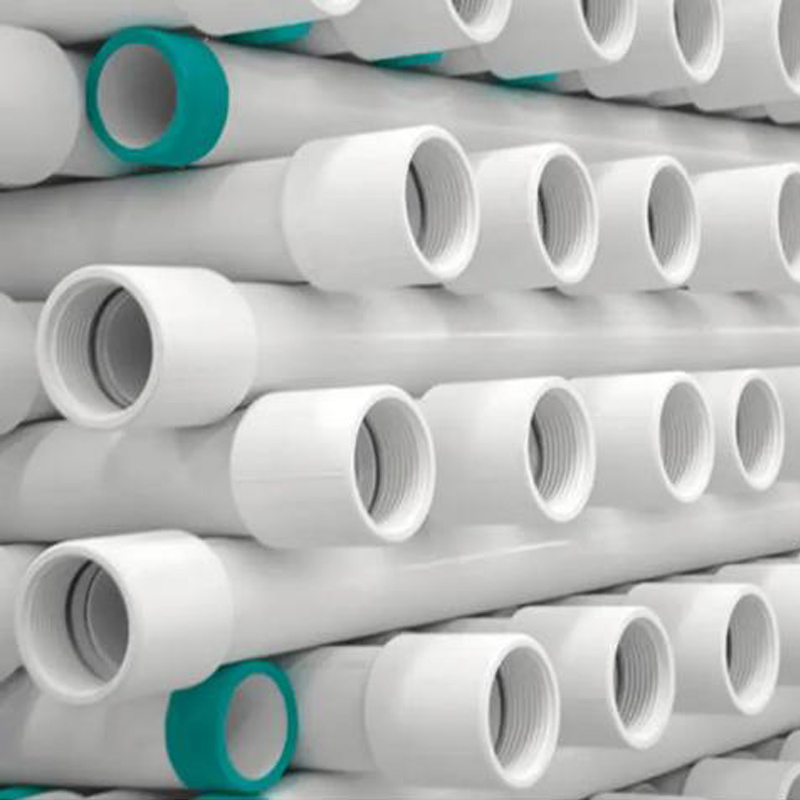
HDPE PVC couplings are critical components in piping systems, facilitating the connection of High-Density Polyethylene (HDPE) and Polyvinyl Chloride (PVC) pipes. These couplings address the inherent incompatibility between the two materials due to differences in thermal expansion, chemical composition, and joining methodologies. Their application spans diverse sectors including irrigation, wastewater management, potable water distribution, and chemical processing. The primary function of an HDPE PVC coupling is to provide a secure, leak-proof joint enabling the transition between these commonly used piping materials. Performance is predicated on maintaining pressure integrity, resisting chemical attack from conveyed fluids, and accommodating ground movement or thermal stresses. Current industry challenges center on ensuring long-term joint reliability, particularly in corrosive environments and under sustained high-pressure operation, as well as optimizing coupling designs for ease of installation and reduced maintenance requirements.
Material Science & Manufacturing
The manufacturing of HDPE PVC couplings necessitates a detailed understanding of the constituent materials. HDPE, a thermoplastic polymer produced from the polymerization of ethylene, exhibits high tensile strength-to-density ratio and excellent chemical resistance. Its semi-crystalline structure contributes to its durability. PVC, also a thermoplastic, is produced from vinyl chloride and is characterized by its rigidity, flame retardancy, and affordability. However, PVC is susceptible to degradation from UV exposure and certain chemical solvents. Coupling manufacturing typically involves injection molding. HDPE and PVC resins are compounded with stabilizers (e.g., antioxidants, UV absorbers) and lubricants to enhance processability and long-term performance. The injection molding process requires precise control of mold temperature (typically between 180-220°C for HDPE and 160-200°C for PVC), injection pressure (ranging from 50-150 MPa), and cooling rates to minimize residual stresses and ensure dimensional accuracy. A critical manufacturing parameter is the weld bead geometry – the profile and consistency of the fused joint between the HDPE and PVC sections. This weld is often created using a hot plate welding process where both surfaces are heated and then brought together under controlled pressure. The interfacial adhesion is dependent on achieving adequate molecular diffusion across the dissimilar polymer surfaces. Chemical compatibility of the stabilizers used in HDPE and PVC must be carefully assessed to avoid adverse reactions that could compromise the coupling’s integrity. Material selection also considers hydrostatic design stress (HDS) requirements based on intended operating pressure and temperature.
Performance & Engineering
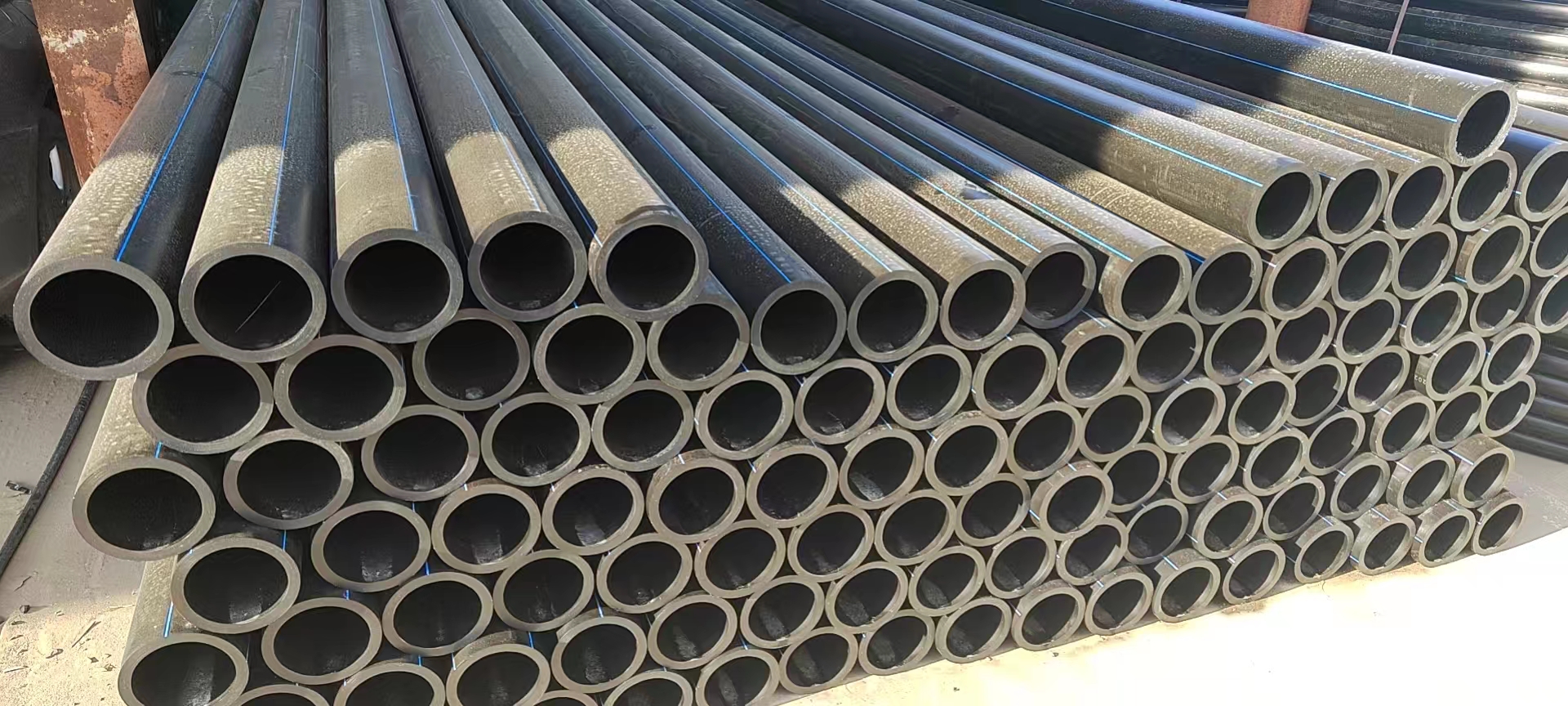
The performance of HDPE PVC couplings is dictated by several engineering considerations. Stress analysis, particularly finite element analysis (FEA), is employed to evaluate the coupling's ability to withstand internal pressure, axial loads, bending moments, and thermal stresses. The primary failure mode under pressure is hoop stress failure, which can be mitigated through proper wall thickness and reinforcement design. The differential thermal expansion coefficients between HDPE (approximately 1.1 x 10⁻⁴ /°C) and PVC (approximately 8 x 10⁻⁵ /°C) necessitate incorporating features that accommodate movement without inducing excessive stress on the joint. This is often achieved through flexible sealing elements or designed clearances. Environmental resistance is crucial. Exposure to UV radiation can lead to PVC degradation, necessitating the inclusion of UV stabilizers in the PVC formulation. Chemical resistance must be evaluated based on the intended application. Exposure to strong acids, bases, or solvents can cause swelling, cracking, or leaching of plasticizers from the PVC. Compliance requirements vary by region and application. For potable water systems, couplings must meet standards regarding lead content and extractable organic compounds. For wastewater applications, resistance to hydrogen sulfide (H2S) corrosion and biological degradation is paramount. Installation practices are also critical. Proper alignment of the pipes, adequate support, and the use of appropriate joining techniques (e.g., solvent welding for PVC, butt fusion for HDPE) are essential to ensure a reliable connection. The coupling’s performance is also impacted by soil conditions; expansive or unstable soils can induce stresses that exceed the coupling’s design capacity.
Technical Specifications
| Parameter | HDPE/PVC Coupling (DN100) | HDPE/PVC Coupling (DN150) | HDPE/PVC Coupling (DN200) | Standard Compliance |
|---|---|---|---|---|
| Nominal Diameter (DN) | 100 mm | 150 mm | 200 mm | EN 1452-3, ASTM D3261 |
| Maximum Operating Pressure (PN) | 16 bar | 10 bar | 6 bar | ISO 14692 |
| Material - HDPE Section | PE100 | PE100 | PE100 | ISO 4437 |
| Material - PVC Section | PVC-U | PVC-U | PVC-U | ISO 14692 |
| Operating Temperature Range | -20°C to +60°C | -20°C to +60°C | -20°C to +45°C | DIN 19569 |
| Wall Thickness (Minimum) | 3.7 mm | 4.6 mm | 5.8 mm | Manufacturer Specification |
Failure Mode & Maintenance
HDPE PVC couplings are susceptible to several failure modes. Fatigue cracking can occur due to cyclic pressure fluctuations or sustained vibrations, particularly at stress concentration points such as weld beads or threaded connections. Delamination at the HDPE-PVC interface is a common failure mode resulting from inadequate bonding during the welding process or differential thermal expansion. Chemical degradation, as previously mentioned, can lead to embrittlement and cracking, particularly in PVC sections exposed to aggressive chemicals. Oxidation, especially in HDPE, can occur at elevated temperatures, reducing the material’s strength and ductility. Hydrostatic failure is possible if the operating pressure exceeds the coupling’s rated capacity. Maintenance typically involves visual inspection for cracks, leaks, or signs of corrosion. Regular torque checks on bolted connections (if applicable) are recommended. Preventive maintenance may include applying protective coatings to mitigate UV degradation or corrosion. In the event of a leak, the coupling should be replaced immediately. Non-destructive testing methods, such as ultrasonic testing, can be used to assess the integrity of the weld bead and detect internal flaws. Careful selection of compatible lubricants during installation and periodic re-lubrication of sealing elements can extend the service life of the coupling. Proper bedding and support of the pipeline are also crucial to minimize stresses on the coupling.
Industry FAQ
Q: What is the primary cause of leaks in HDPE PVC couplings and how can they be prevented?
A: The most frequent cause of leaks stems from insufficient fusion at the HDPE-PVC interface during the manufacturing or installation process. This can be prevented by ensuring proper surface preparation, maintaining optimal welding parameters (temperature, pressure, dwell time), and conducting thorough visual inspections and pressure testing post-installation. The use of qualified welding technicians is paramount.
Q: How do I select the appropriate HDPE PVC coupling for a specific chemical application?
A: Chemical compatibility is critical. You must consult a chemical resistance chart specific to both HDPE and PVC to determine if the materials are suitable for the intended fluid. Consider the concentration, temperature, and duration of exposure. If there is any doubt, choose a coupling made from a more chemically resistant material, or consider alternative joining methods.
Q: What are the long-term effects of thermal expansion and contraction on HDPE PVC couplings?
A: Differential thermal expansion can induce significant stress on the joint over time, potentially leading to cracking or delamination. Couplings designed with flexible sealing elements or designed clearances are essential to accommodate this movement. Proper pipeline anchoring and support also minimizes stress buildup.
Q: Are HDPE PVC couplings suitable for buried applications and what considerations should be taken?
A: Yes, they are commonly used in buried applications. However, soil conditions are critical. Ensure adequate bedding material to support the pipeline and prevent uneven loading on the coupling. Corrosion protection (e.g., protective coatings) may be necessary in aggressive soil environments. Backfilling procedures should avoid damaging the coupling.
Q: What standards govern the quality and performance of HDPE PVC couplings for potable water systems?
A: Key standards include EN 1452-3, NSF/ANSI 61, and regional regulations regarding lead content. These standards address material safety, extractable organic compounds, and hydrostatic strength requirements. Compliance certifications from reputable third-party testing laboratories are highly recommended.
Conclusion
HDPE PVC couplings represent a vital connection solution bridging the gap between two widely utilized piping materials. Their performance is fundamentally reliant on a complex interplay of material science, precise manufacturing processes, and diligent engineering considerations. Addressing challenges associated with differential thermal expansion, chemical compatibility, and long-term joint integrity is paramount to ensuring reliable operation within diverse industrial applications.
Looking forward, advancements in coupling designs will likely focus on enhanced sealing technologies, improved chemical resistance formulations, and the incorporation of smart monitoring systems to detect potential failures proactively. Adherence to international standards and the implementation of rigorous quality control measures will remain essential to maintaining the reliability and safety of these critical piping components.
-
DN25 HDPE Compression Fitting-HORON INTERNATIONAL|Reliable Irrigation Solutions
NewsFeb.11,2026
-
china hdpe coupling price Performance Analysis
News2026-06-01
-
china dual wall perforated corrugated pipe Performance Analysis
News2026-06-01
-
china ppr pipe 63mm Performance Analysis
News2026-06-01
-
china 63mm hdpe pipe price Performance Analysis
News2026-06-01
-
china ppr water pipe Performance Analysis
News2026-06-01
-
china 2.5 inch hdpe pipe price Performance Analysis
News2026-05-31
-
china 20mm pvc pipe Performance Analysis
News2026-05-31
-
china hdpe pipe company Performance Analysis
News2026-05-31
-
china water pipe for kitchen sink Material Performance
News2026-05-31
-
china 12 inch diameter pvc pipe for sale Performance Analysis
News2026-05-31
-
china 2 inch upvc column pipe price Performance Analysis
News2026-05-30
-
china hdpe to pvc coupling Performance Analysis
News2026-05-30
-
china 2 hdpe to pvc coupling Performance Analysis
News2026-05-30
-
china 48 inch hdpe pipe cost Performance Analysis
News2026-05-30
-
china upvc column pipe price Performance Analysis
News2026-05-30