

Feb . 11, 2026 00:01 Back to list
hdpe pvc coupling manufacturers Performance Analysis
Introduction
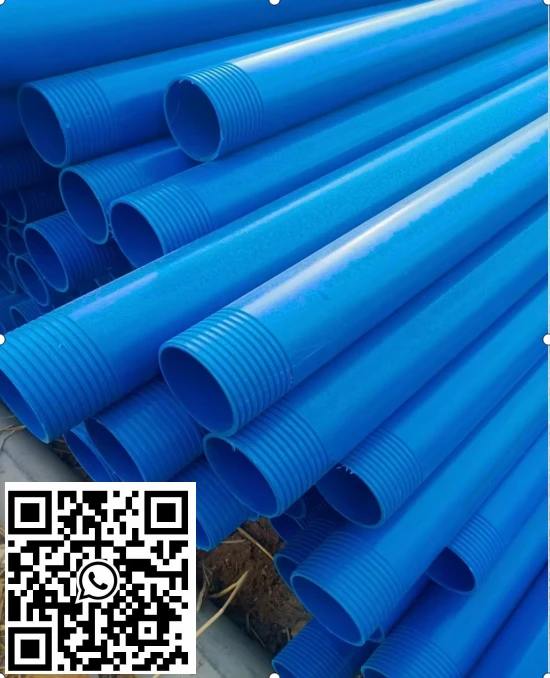
HDPE PVC couplings represent a critical joining component within fluid transfer systems, primarily utilized in irrigation, water distribution, drainage, and industrial piping networks. These couplings facilitate the connection of High-Density Polyethylene (HDPE) and Polyvinyl Chloride (PVC) pipes, materials selected for their respective benefits – HDPE’s impact resistance and flexibility, and PVC’s cost-effectiveness and rigidity. The technical position of these couplings lies at the intersection of polymer science, mechanical engineering, and fluid dynamics. Core performance metrics revolve around maintaining pressure integrity, ensuring leak-proof seals, accommodating thermal expansion/contraction, and resisting chemical degradation. A key industry pain point is ensuring compatibility between the dissimilar materials, HDPE and PVC, accounting for differing coefficients of thermal expansion and the potential for galvanic corrosion when metallic components are present. The optimal coupling design must mitigate these challenges to provide a long-term, reliable connection capable of withstanding demanding operational conditions.
Material Science & Manufacturing
HDPE and PVC, the primary materials involved, possess distinct physical and chemical properties. HDPE, a thermoplastic polymer derived from petroleum, exhibits a semi-crystalline structure leading to high tensile strength (26-35 MPa), excellent chemical resistance, and a low coefficient of friction. PVC, also a thermoplastic, exists in rigid and flexible forms, with rigid PVC offering high strength (55-75 MPa) and good chemical resistance, though less flexible than HDPE. The manufacturing of HDPE PVC couplings typically involves injection molding. Raw HDPE and PVC resins are compounded with stabilizers (to prevent degradation from UV exposure and heat), lubricants (to aid processing), and colorants. Injection molding parameters – melt temperature (HDPE: 180-210°C, PVC: 160-200°C), mold temperature (HDPE: 30-50°C, PVC: 150-170°C), injection pressure (60-90 MPa), and cooling rate – are critically controlled. Coupling designs often incorporate rubber gaskets (typically EPDM or NBR) to ensure a watertight seal. Gasket compression is a key parameter, requiring precise dimensional control of the coupling body and accurate torque application during installation. Post-molding processes may include deburring, visual inspection, and hydrostatic pressure testing to verify structural integrity and leak resistance. The quality of the resin used – specifically, the molecular weight distribution and degree of crystallinity – directly impacts the final coupling’s performance and longevity.
Performance & Engineering
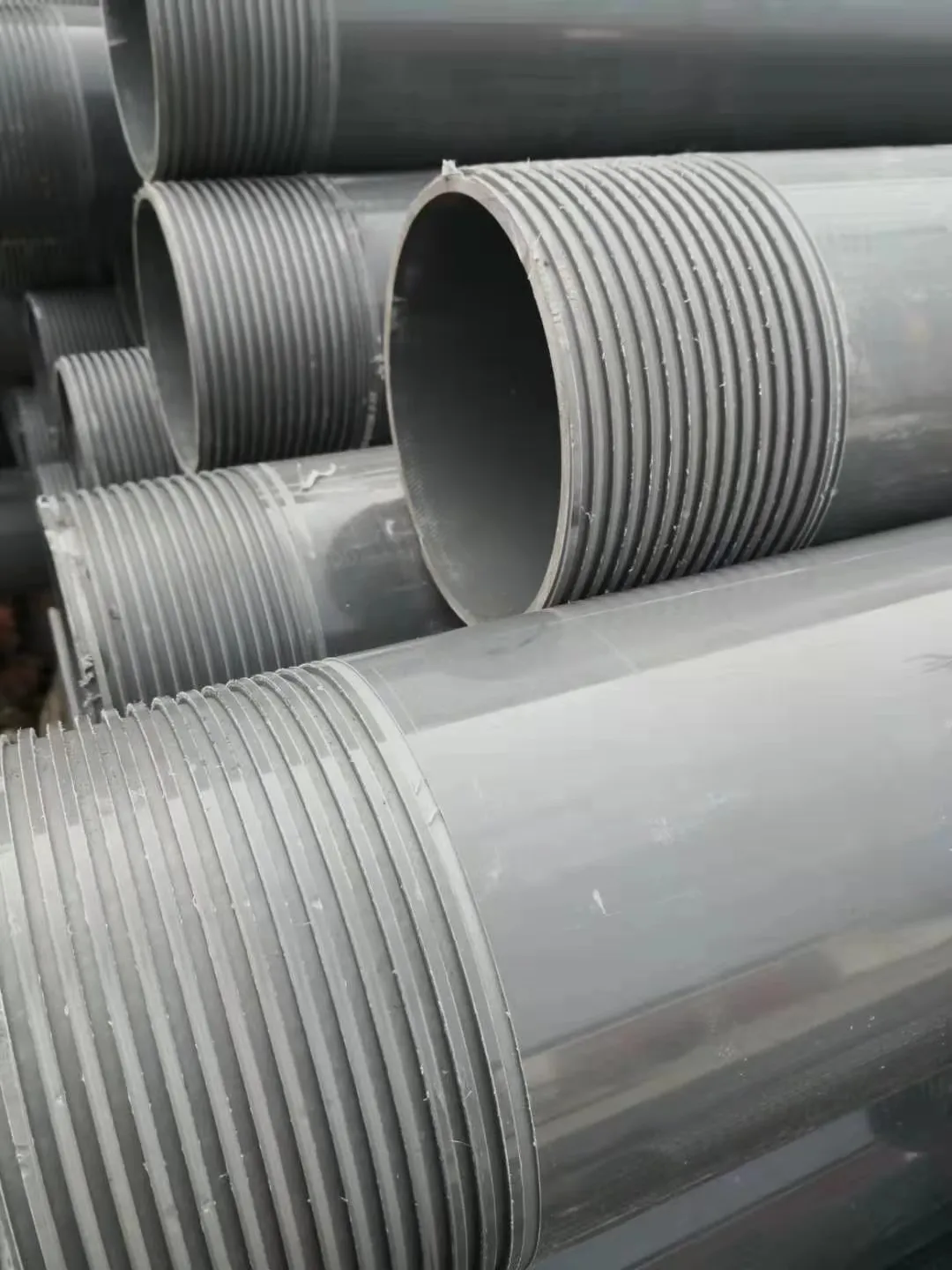
The performance of HDPE PVC couplings is heavily influenced by force analysis, environmental resistance, and adherence to relevant compliance standards. Internal pressure within the piping system generates hoop stress on the coupling body. Finite Element Analysis (FEA) is routinely employed to optimize coupling geometry and material thickness to withstand these stresses, ensuring a sufficient safety factor against rupture. External loads, such as soil pressure or mechanical impact, also contribute to stress distribution. Environmental resistance is paramount; UV exposure can degrade PVC, leading to embrittlement. Stabilizers in the PVC formulation mitigate this effect, but long-term exposure necessitates protective measures like burial or coating. Chemical resistance varies depending on the conveyed fluid; compatibility charts are essential to prevent swelling, cracking, or leaching of coupling materials. Thermal expansion differences between HDPE and PVC (HDPE ~ 0.15 mm/m°C, PVC ~ 0.08 mm/m°C) necessitate design features that accommodate this differential movement, such as flexible gaskets or expansion joints. Compliance requirements include pressure ratings (PN 10, PN 16, etc. according to EN standards), material certifications (NSF/ANSI 61 for potable water systems), and adherence to relevant building codes. Fatigue analysis is crucial for couplings subjected to cyclical pressure fluctuations, predicting the lifespan based on stress amplitude and frequency.
Technical Specifications
| Parameter | HDPE to PVC Coupling - Socket (Typical) | HDPE to PVC Coupling - Spigot (Typical) | HDPE to PVC Transition Coupling (Typical) |
|---|---|---|---|
| Nominal Pipe Size (DN) | 50 - 300 mm | 50 - 300 mm | 50 - 300 mm |
| Pressure Rating (PN) | PN 10, PN 16 | PN 10, PN 16 | PN 10, PN 16 |
| Material - Coupling Body | Polypropylene (PP) | Polypropylene (PP) | Polypropylene (PP) |
| Material - Gasket | EPDM, NBR | EPDM, NBR | EPDM, NBR |
| Operating Temperature Range | -40°C to +60°C | -40°C to +60°C | -40°C to +60°C |
| Chemical Resistance | Excellent (to most acids & bases) | Excellent (to most acids & bases) | Excellent (to most acids & bases) |
Failure Mode & Maintenance
HDPE PVC couplings are susceptible to several failure modes. Fatigue cracking can occur in the coupling body due to cyclical pressure loading, particularly at stress concentration points like thread roots or geometric discontinuities. Delamination of the gasket is a common issue, leading to leakage. This can be caused by improper installation (over-torqueing or under-torqueing), incompatibility between the gasket material and the conveyed fluid, or degradation of the gasket due to temperature or chemical exposure. Environmental stress cracking (ESC) can occur in PVC couplings exposed to specific chemicals or prolonged UV radiation, resulting in brittle failure. Galvanic corrosion may occur if dissimilar metals are present in the coupling assembly, particularly in wet environments. Oxidation of the PVC can also contribute to material degradation over time. Preventative maintenance involves regular visual inspection for cracks, leaks, or signs of gasket deterioration. Torque values during installation must be strictly adhered to, using a calibrated torque wrench. Gaskets should be replaced periodically based on the conveyed fluid and operating conditions. Protective coatings or burial can mitigate UV exposure and ESC. For systems prone to galvanic corrosion, dielectric unions should be installed to isolate dissimilar metals. Hydrostatic testing should be performed periodically to verify the integrity of the entire piping system, including the couplings.
Industry FAQ
Q: What are the primary concerns when connecting HDPE to PVC using a coupling, and how are they addressed?
A: The key concern is the differential thermal expansion coefficient between HDPE and PVC. This can lead to stress buildup at the connection point and potential leakage. Couplings are designed with flexible gaskets that accommodate this movement. Proper installation with appropriate torque settings is critical. Also, consider using expansion joints in long pipe runs to minimize stress on the couplings.
Q: How does the choice of gasket material impact the long-term performance of an HDPE PVC coupling?
A: The gasket material must be chemically compatible with the conveyed fluid and capable of maintaining its sealing properties over a wide temperature range. EPDM is generally preferred for water applications due to its excellent resistance to chlorine and other common water treatment chemicals. NBR is a good option for oil-based fluids. Incorrect gasket selection can lead to swelling, cracking, or loss of elasticity, resulting in leakage.
Q: What pressure ratings are typically available for HDPE PVC couplings, and how are these ratings determined?
A: Common pressure ratings are PN 10 (1 MPa) and PN 16 (1.6 MPa). These ratings are determined through rigorous hydrostatic pressure testing according to EN or ASTM standards. The coupling is subjected to a sustained pressure significantly higher than its rated pressure to ensure structural integrity and leak resistance. The testing parameters, including test duration and temperature, are specified in the applicable standard.
Q: What are the potential consequences of over-torquing an HDPE PVC coupling during installation?
A: Over-torquing can compress the gasket excessively, leading to premature failure or extrusion of the gasket material. It can also deform the coupling body, compromising its structural integrity. Conversely, under-torquing results in insufficient gasket compression and potential leakage. Always adhere to the manufacturer’s recommended torque specifications.
Q: Are there specific industry standards that govern the manufacturing and testing of HDPE PVC couplings?
A: Yes, several standards apply. EN 12201-3 (European Standard for polyethylene pipes and fittings for water supply), ASTM D3212 (Standard Specification for Polyethylene (PE) Fittings for Pressure Applications) and NSF/ANSI 61 (for potable water system components) are commonly referenced. These standards define material requirements, manufacturing processes, testing procedures, and performance criteria.
Conclusion
HDPE PVC couplings are essential components in a diverse range of fluid handling applications. Their performance and longevity are critically dependent on a thorough understanding of the materials’ properties, manufacturing processes, and potential failure modes. Careful consideration of thermal expansion differences, gasket selection, installation procedures, and adherence to relevant industry standards are paramount to ensuring a reliable, leak-proof connection.
Future developments in coupling technology will likely focus on improved gasket designs, advanced materials with enhanced chemical resistance, and the integration of smart monitoring systems to detect potential failures before they occur. Optimizing coupling designs for specific applications and developing more sustainable manufacturing processes will also be key areas of innovation. The continued demand for efficient and reliable fluid transfer systems will drive ongoing advancements in HDPE PVC coupling technology.
-
DN25 HDPE Compression Fitting-HORON INTERNATIONAL|Reliable Irrigation Solutions
NewsFeb.11,2026
-
china hdpe coupling price Performance Analysis
News2026-06-01
-
china dual wall perforated corrugated pipe Performance Analysis
News2026-06-01
-
china ppr pipe 63mm Performance Analysis
News2026-06-01
-
china 63mm hdpe pipe price Performance Analysis
News2026-06-01
-
china ppr water pipe Performance Analysis
News2026-06-01
-
china 2.5 inch hdpe pipe price Performance Analysis
News2026-05-31
-
china 20mm pvc pipe Performance Analysis
News2026-05-31
-
china hdpe pipe company Performance Analysis
News2026-05-31
-
china water pipe for kitchen sink Material Performance
News2026-05-31
-
china 12 inch diameter pvc pipe for sale Performance Analysis
News2026-05-31
-
china 2 inch upvc column pipe price Performance Analysis
News2026-05-30
-
china hdpe to pvc coupling Performance Analysis
News2026-05-30
-
china 2 hdpe to pvc coupling Performance Analysis
News2026-05-30
-
china 48 inch hdpe pipe cost Performance Analysis
News2026-05-30
-
china upvc column pipe price Performance Analysis
News2026-05-30