

Feb . 11, 2026 00:01 Back to list
hdpe pvc coupling factory Performance Analysis
Introduction
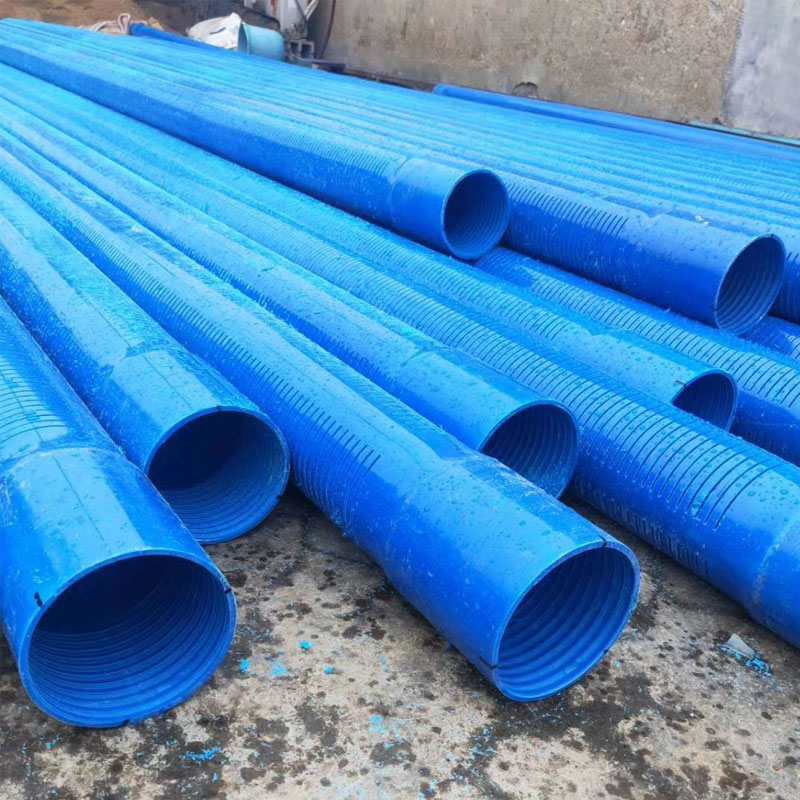
HDPE PVC couplings represent a critical component in fluid transfer systems across diverse industries including water management, irrigation, chemical processing, and infrastructure. These couplings facilitate the joining of High-Density Polyethylene (HDPE) and Polyvinyl Chloride (PVC) pipes, materials selected for their respective advantages in durability, chemical resistance, and cost-effectiveness. The coupling’s technical position lies at the interface of differing polymer chemistries and mechanical properties, demanding precise engineering to ensure a leak-proof, structurally sound connection. Core performance characteristics center around pressure rating, chemical compatibility with transported media, and long-term sealing integrity, often subject to stringent regulatory compliance. The increasing demand for robust and reliable pipeline infrastructure is driving innovation in coupling design, focusing on faster installation, enhanced corrosion resistance, and extended operational lifespans. A primary pain point in the industry is ensuring compatibility between the dissimilar materials, avoiding galvanic corrosion and stress cracking when joining HDPE to PVC, particularly in demanding industrial applications.
Material Science & Manufacturing
The constituent materials, HDPE and PVC, exhibit distinct physical and chemical properties. HDPE, a thermoplastic polymer derived from petroleum, is characterized by high tensile strength-to-density ratio, excellent chemical resistance (except to strong oxidizing agents), and flexibility. Its semi-crystalline structure contributes to its toughness and resistance to impact. PVC, also a thermoplastic, contains chlorine, imparting flame retardancy and rigidity. However, PVC is susceptible to degradation upon exposure to UV radiation and elevated temperatures. The manufacturing process of HDPE PVC couplings typically involves injection molding. Granulated HDPE and PVC compounds, often blended with stabilizers and lubricants, are heated and injected into a mold cavity under high pressure. Precise temperature control is vital to prevent material degradation and ensure complete filling of the mold. Following molding, couplings undergo rigorous quality control checks, including dimensional accuracy, pressure testing, and visual inspection for defects. A key parameter controlled during injection molding is the melt flow index (MFI) of both HDPE and PVC, which dictates the ease of flow during the injection process and ultimately impacts the coupling’s internal stress distribution. The coupling body often incorporates a rubber gasket (typically EPDM or nitrile) for sealing, requiring precise dimensioning and compression control during assembly. Chemical compatibility of the gasket material with the conveyed fluid is paramount to prevent swelling, degradation, and leakage.
Performance & Engineering
The performance of an HDPE PVC coupling is fundamentally governed by its ability to withstand internal pressure and external loads. Force analysis involves consideration of hoop stress within the coupling body, particularly at the transition zones between HDPE and PVC. Finite Element Analysis (FEA) is commonly employed to model stress distribution under various loading conditions, including hydrostatic pressure, thermal expansion/contraction, and mechanical shock. Environmental resistance is a critical factor, especially in outdoor applications. UV exposure can lead to PVC degradation, necessitating the incorporation of UV stabilizers in the PVC compound. Temperature fluctuations induce thermal stresses due to differing coefficients of thermal expansion between HDPE and PVC; the coupling design must accommodate this differential expansion to prevent joint failure. Compliance requirements vary by region and application, often dictated by standards such as NSF/ANSI 61 for potable water systems and ASTM D2241 for PVC pipe fittings. The engineering design prioritizes a robust mechanical interlock between the HDPE and PVC components, often utilizing a combination of mechanical gripping, adhesive bonding, and gasket compression. Long-term creep resistance of the HDPE component is also crucial, as sustained pressure can lead to dimensional changes and potential leakage. Galvanic corrosion, arising from the electrochemical potential difference between HDPE and PVC in the presence of an electrolyte, must be mitigated through the use of insulating materials or coatings.
Technical Specifications
| Parameter | HDPE/PVC Coupling (DN100) | HDPE/PVC Coupling (DN150) | HDPE/PVC Coupling (DN200) | Units |
|---|---|---|---|---|
| Nominal Diameter | 100 | 150 | 200 | mm |
| Pressure Rating | 16 | 10 | 6 | bar |
| Operating Temperature Range | -40 to +60 | -40 to +60 | -40 to +60 | °C |
| Material (Body) | HDPE / PVC | HDPE / PVC | HDPE / PVC | - |
| Material (Gasket) | EPDM | EPDM | EPDM | - |
| Weight | 0.8 | 1.5 | 2.5 | kg |
Failure Mode & Maintenance
Common failure modes in HDPE PVC couplings include gasket failure (leading to leakage), cracking due to excessive stress or UV exposure, and delamination at the HDPE/PVC interface. Fatigue cracking can occur under cyclic pressure loading, particularly in couplings subjected to vibration or water hammer. Chemical attack, specifically from aggressive solvents or oxidizing agents, can degrade the coupling material and compromise its integrity. Oxidation of the PVC component can lead to embrittlement and cracking, especially at elevated temperatures. Preventative maintenance involves regular visual inspections for cracks, leaks, and signs of material degradation. Gasket replacement is recommended at specified intervals, typically every 2-5 years depending on operating conditions. Proper installation, adhering to manufacturer’s specifications for torque and alignment, is crucial to prevent stress concentrations. Protection from UV exposure, through shielding or the application of UV-resistant coatings, can extend the coupling’s service life. In cases of suspected material degradation, non-destructive testing methods such as ultrasonic inspection can be used to assess the coupling’s internal condition. If corrosion is observed, particularly galvanic corrosion, the coupling should be replaced and corrosion mitigation measures implemented in the pipeline system. Correct storage of couplings is also vital, avoiding direct sunlight and extreme temperatures to prevent pre-emptive material damage.
Industry FAQ
Q: What are the primary considerations when selecting a coupling for joining HDPE and PVC pipes in a corrosive chemical environment?
A: The primary consideration is gasket material compatibility with the specific chemicals being transported. EPDM is generally suitable for a wide range of chemicals, but compatibility charts should be consulted. The coupling body material (HDPE/PVC) must also exhibit resistance to the corrosive media. Reinforced couplings or the use of chemically inert linings may be necessary for highly aggressive environments.
Q: How does temperature fluctuation affect the long-term performance of an HDPE PVC coupling?
A: Differing coefficients of thermal expansion between HDPE and PVC can induce significant stresses within the coupling as temperature changes. This can lead to gasket compression loss or, in extreme cases, cracking of the coupling body. Coupling designs incorporating flexible elements or expansion joints are recommended to accommodate thermal movement.
Q: What pressure testing procedures are typically employed to verify the integrity of an installed HDPE PVC coupling?
A: Hydrostatic testing is the most common method. The pipeline section containing the coupling is filled with water and pressurized to 1.5 times the design operating pressure for a specified duration (e.g., 30 minutes). Visual inspection is then conducted to detect any leakage or deformation.
Q: What are the potential consequences of improper installation torque on an HDPE PVC coupling?
A: Insufficient torque can lead to inadequate gasket compression and leakage. Excessive torque can damage the coupling threads or body, compromising its structural integrity. Always adhere to the manufacturer’s recommended torque specifications.
Q: Can HDPE PVC couplings be used in buried applications, and if so, what additional considerations are necessary?
A: Yes, but backfilling material must be carefully selected to provide adequate support and prevent damage to the coupling. The coupling should be protected from soil corrosion and potential mechanical impact during backfilling. The depth of burial must also be considered to account for frost heave and other environmental factors.
Conclusion
HDPE PVC couplings represent a versatile and cost-effective solution for joining dissimilar piping materials, critical for numerous industrial applications. Their performance is deeply intertwined with material properties, manufacturing precision, and adherence to rigorous engineering principles. Understanding the potential failure modes, coupled with proactive maintenance practices, is essential for ensuring long-term reliability and minimizing operational downtime.
Future advancements in coupling technology will likely focus on smart couplings incorporating sensors for leak detection and structural health monitoring, alongside the development of more environmentally sustainable materials and manufacturing processes. Continued refinement of FEA modeling and materials science will further optimize coupling designs for increased performance and durability in increasingly demanding applications.
-
DN25 HDPE Compression Fitting-HORON INTERNATIONAL|Reliable Irrigation Solutions
NewsFeb.11,2026
-
china hdpe coupling price Performance Analysis
News2026-06-01
-
china dual wall perforated corrugated pipe Performance Analysis
News2026-06-01
-
china ppr pipe 63mm Performance Analysis
News2026-06-01
-
china 63mm hdpe pipe price Performance Analysis
News2026-06-01
-
china ppr water pipe Performance Analysis
News2026-06-01
-
china 2.5 inch hdpe pipe price Performance Analysis
News2026-05-31
-
china 20mm pvc pipe Performance Analysis
News2026-05-31
-
china hdpe pipe company Performance Analysis
News2026-05-31
-
china water pipe for kitchen sink Material Performance
News2026-05-31
-
china 12 inch diameter pvc pipe for sale Performance Analysis
News2026-05-31
-
china 2 inch upvc column pipe price Performance Analysis
News2026-05-30
-
china hdpe to pvc coupling Performance Analysis
News2026-05-30
-
china 2 hdpe to pvc coupling Performance Analysis
News2026-05-30
-
china 48 inch hdpe pipe cost Performance Analysis
News2026-05-30
-
china upvc column pipe price Performance Analysis
News2026-05-30