

Feb . 11, 2026 00:01 Back to list
china water pipe in kitchen Performance Analysis
Introduction
Polyethylene (PE) water pipes are increasingly prevalent in residential kitchen plumbing systems, particularly those manufactured in China. These pipes represent a significant advancement over traditional materials like galvanized steel and copper, offering advantages in cost-effectiveness, ease of installation, and corrosion resistance. This technical guide provides an in-depth examination of PE water pipes used in kitchen applications, covering material science, manufacturing processes, performance characteristics, potential failure modes, and relevant industry standards. The core performance attributes center around pressure resistance, chemical inertness to potable water, and long-term durability under typical residential use conditions. The industry currently faces challenges related to ensuring consistent material quality across different manufacturers and addressing concerns regarding potential leaching of additives into the water supply, necessitating rigorous testing and adherence to regulatory guidelines.
Material Science & Manufacturing
The primary material for these pipes is High-Density Polyethylene (HDPE), chosen for its strength-to-density ratio and excellent chemical resistance. HDPE is a thermoplastic polymer produced from the polymerization of ethylene. Raw material quality is paramount; virgin HDPE resin, meeting ASTM D3350 specifications, is preferred. The manufacturing process typically involves extrusion. HDPE pellets are fed into an extruder where they are heated and melted. A die shapes the molten plastic into a continuous pipe. Key parameters during extrusion include melt temperature (typically 180-210°C), die pressure (controlled to maintain consistent wall thickness), and cooling rate (optimized to prevent warping). Pipe dimensions are strictly controlled using online diameter and wall thickness gauging systems. Hydrostatic testing is performed to verify pressure resistance and identify potential defects. Different grades of HDPE (PE80, PE100) are used, with PE100 offering superior long-term hydrostatic strength (minimum required strength – MRS). Additives such as UV stabilizers and antioxidants are incorporated to enhance long-term performance. The long-term creep resistance of HDPE, influenced by temperature and pressure, is a critical material property considered during pipe design and manufacturing.
Performance & Engineering
The performance of PE water pipes is dictated by several engineering principles. Hydrostatic design stress (HDS) calculations are used to determine the allowable operating pressure based on pipe dimensions, material MRS, and a design factor. Burst pressure is significantly higher than operating pressure, providing a safety margin. The pipes’ resistance to ground movement and thermal expansion/contraction are also important considerations. Coefficient of linear expansion for HDPE is approximately 0.2 mm/m/°C; therefore, provisions for expansion loops or flexible connections are often required in long pipe runs. Chemical compatibility with potable water is crucial; HDPE exhibits excellent resistance to most chemicals found in treated water. However, prolonged exposure to certain organic solvents should be avoided. Impact resistance is also an important factor. PE pipes can withstand significant impact loads, but sharp impacts can cause localized cracking. Soil conditions influence pipe performance. Proper bedding and backfill are essential to prevent stress concentrations and damage. Long-term creep behavior, where the pipe diameter slowly increases under sustained pressure, must be considered in design. Finite element analysis (FEA) is often used to simulate stress distribution and predict long-term performance under various loading conditions.
Technical Specifications
| Parameter | PE80 (Typical) | PE100 (Typical) | Unit |
|---|---|---|---|
| Minimum Required Strength (MRS) | 8.0 | 10.0 | MPa |
| Hydrostatic Design Stress (HDS) | 6.3 | 7.5 | MPa |
| Density | 950-965 | 965-980 | kg/m³ |
| Wall Thickness | 2.3 – 4.4 | 2.3 – 4.4 | mm |
| Outside Diameter | 20 – 63 | 20 – 63 | mm |
| Maximum Operating Temperature | 60 | 60 | °C |
Failure Mode & Maintenance
Common failure modes in PE water pipes include slow crack growth (SCG), particularly at stress concentrators (e.g., fittings, indentations). SCG is often initiated by residual stresses from manufacturing or installation, coupled with exposure to aggressive chemicals. Long-term creep can lead to gradual diameter increase and eventual failure. UV degradation can embrittle the pipe material if exposed to sunlight for prolonged periods. Mechanical damage during installation (e.g., punctures from sharp objects) is another frequent cause of failure. Oxidation can occur over time, leading to material degradation. Maintenance involves regular visual inspections for leaks and cracks. Pressure testing can identify hidden leaks. Proper jointing techniques are crucial; electrofusion welding is generally preferred over mechanical fittings for critical applications. If a leak is detected, the affected section of pipe should be cut out and replaced with a new section, using appropriate jointing methods. Avoid using abrasive cleaners or solvents on the pipe surface. Periodic flushing of the pipe system can remove sediment and prevent clogging. Protect exposed pipe sections from UV radiation.
Industry FAQ
Q: What are the key differences between PE80 and PE100 pipes, and which is better suited for kitchen applications?
A: PE100 offers a higher Minimum Required Strength (MRS) compared to PE80, meaning it can withstand higher pressures and is more resistant to slow crack growth. While both are suitable for potable water, PE100 provides a longer service life and is generally preferred for kitchen applications where consistent water pressure and long-term reliability are paramount. The increased cost of PE100 is usually justified by its enhanced performance characteristics.
Q: How does temperature affect the performance of PE pipes?
A: Elevated temperatures reduce the strength and increase the creep rate of PE pipes. While the maximum operating temperature is typically 60°C, prolonged exposure to temperatures near this limit can significantly reduce the pipe’s lifespan. Conversely, low temperatures can make the pipes more brittle and susceptible to impact damage. Design considerations must account for the expected temperature range of the application.
Q: What types of jointing methods are used for PE pipes, and what are their advantages and disadvantages?
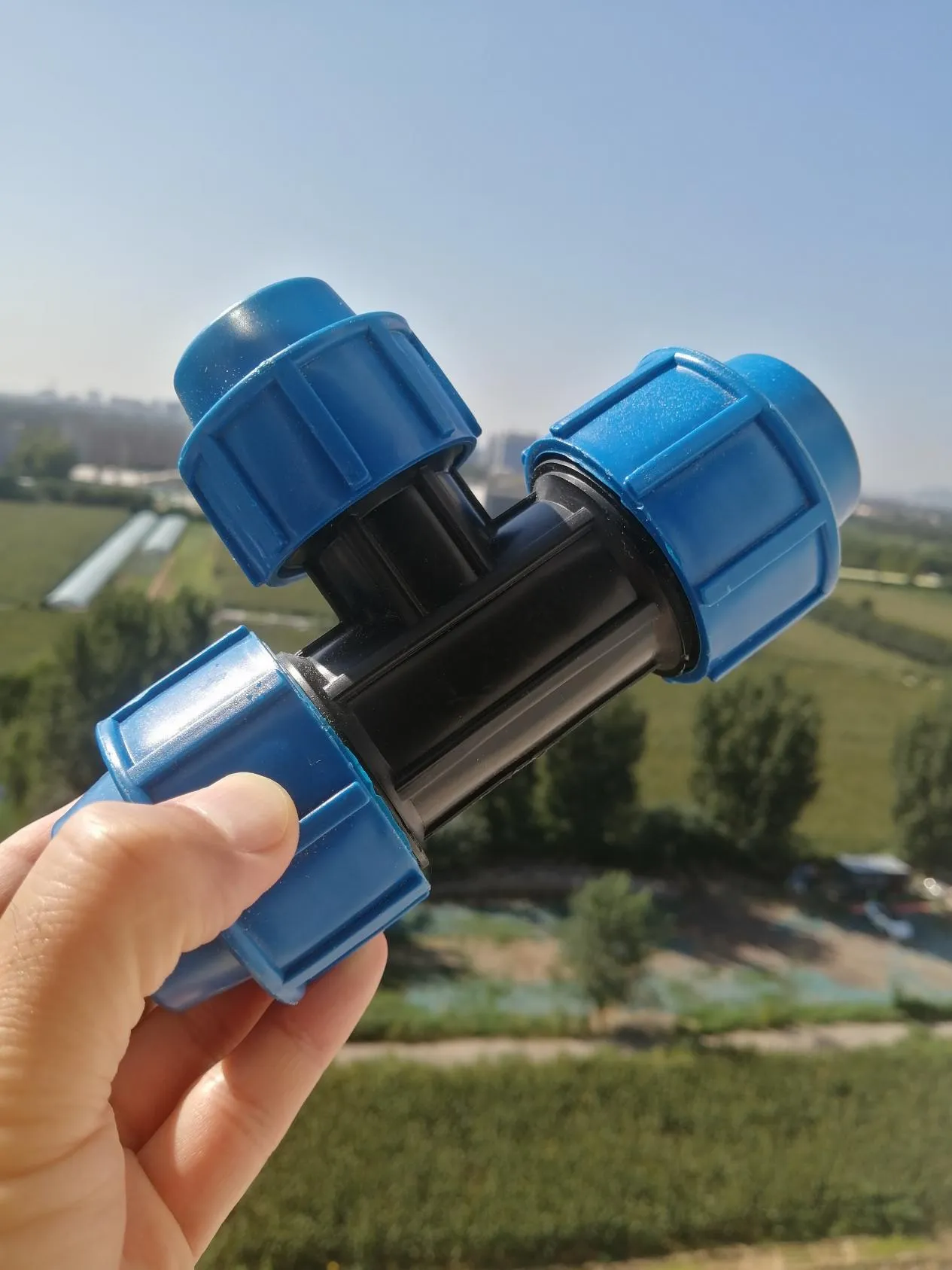
A: Common jointing methods include electrofusion welding, butt fusion welding, and mechanical fittings (compression fittings, push-fit fittings). Electrofusion welding offers the strongest and most reliable joint, but requires specialized equipment and trained operators. Butt fusion welding is suitable for larger diameter pipes. Mechanical fittings are easier to install but can be prone to leaks if not properly installed and tightened.
Q: What is slow crack growth (SCG), and how can it be prevented?
A: SCG is a phenomenon where cracks slowly propagate through the PE pipe material due to sustained stress and exposure to aggressive chemicals. It can be prevented by using high-quality materials (PE100), minimizing stress concentrations during installation, avoiding contact with incompatible chemicals, and ensuring proper jointing techniques. Pressure testing and regular inspections can help identify early signs of SCG.
Q: Are PE pipes susceptible to leaching of harmful chemicals into the water?
A: HDPE is generally considered to be chemically inert and does not readily leach harmful chemicals into potable water. However, the additives used in the manufacturing process (e.g., UV stabilizers, antioxidants) may have the potential to leach in small amounts. Pipes manufactured to recognized standards (e.g., NSF/ANSI 61) are tested to ensure that leaching levels are below acceptable limits.
Conclusion
Polyethylene (PE) water pipes represent a reliable and cost-effective solution for kitchen plumbing systems. Their inherent corrosion resistance, ease of installation, and flexibility offer significant advantages over traditional materials. However, ensuring consistent material quality, employing proper jointing techniques, and understanding potential failure modes are crucial for long-term performance.
Future developments will likely focus on improving the long-term creep resistance of PE materials, developing more sophisticated non-destructive testing methods for detecting SCG, and incorporating smart sensors to monitor pipe integrity in real-time. Adherence to relevant international standards and best practices is essential for maximizing the lifespan and ensuring the safety of PE water pipe installations.
-
DN25 HDPE Compression Fitting-HORON INTERNATIONAL|Reliable Irrigation Solutions
NewsFeb.11,2026
-
china pvc pipe cost per foot Technical Analysis
News2026-04-26
-
china double walled corrugated pipe Performance Analysis
News2026-04-26
-
china hdpe sprinkler pipe price list Performance Analysis
News2026-04-26
-
china water pipe in kitchen Performance Analysis
News2026-04-26
-
china hdpe to pvc pipe coupling Performance Analysis
News2026-04-26
-
china 32 mm ppr pipe Performance Analysis
News2026-04-25
-
china ppr pipe for hot water supply Performance Analysis
News2026-04-25
-
china double walled drainage pipe Performance Analysis
News2026-04-25
-
china black hdpe pipe Manufacturing Analysis
News2026-04-25
-
china dn25 ppr hot water pipes for kitchen Performance Analysis
News2026-04-25
-
china pvc to hdpe connection Performance Analysis
News2026-04-24
-
china ppr pipe elbow Performance Analysis
News2026-04-24
-
china hdpe straight coupler Performance Analysis
News2026-04-24
-
china what are pvc pipes used for Performance Analysis
News2026-04-24
-
china hdpe flexible irrigation pipe Performance Analysis
News2026-04-24