

Feb . 11, 2026 00:01 Back to list
china what are pvc pipes used for Performance Analysis
Introduction
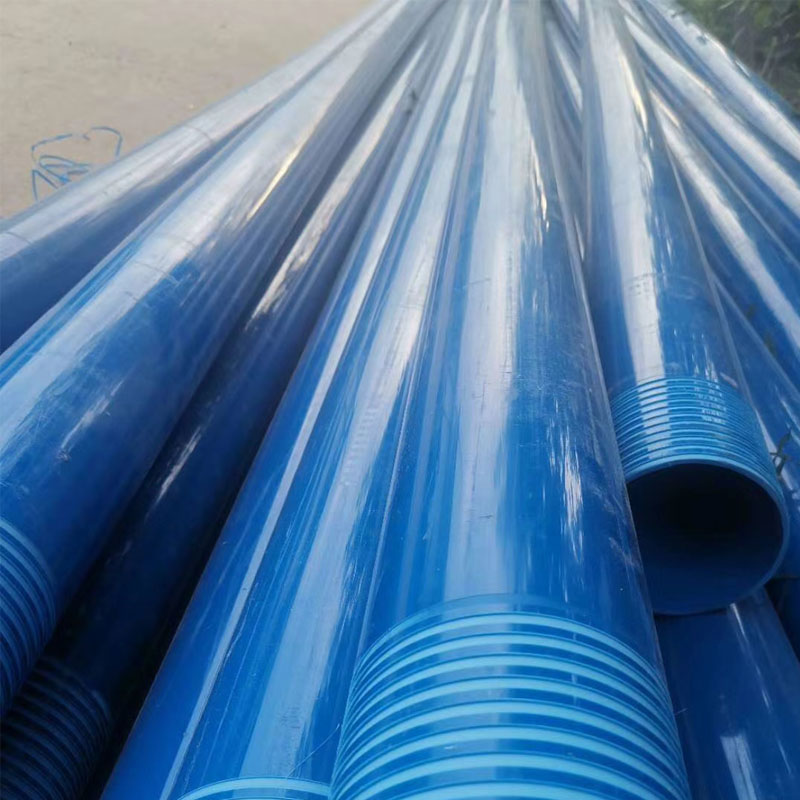
Polyvinyl Chloride (PVC) piping represents a significant component of infrastructure across numerous industries within China, ranging from municipal water distribution and wastewater management to agricultural irrigation and industrial fluid transport. Its widespread adoption stems from a combination of cost-effectiveness, durability, and relative ease of installation. This guide provides a comprehensive technical overview of PVC pipes utilized in the Chinese market, addressing material science, manufacturing processes, performance characteristics, common failure modes, relevant industry standards, and frequently asked technical questions. PVC’s prominence in China is directly correlated with rapid urbanization and the extensive build-out of supporting infrastructure. While offering numerous advantages, careful consideration of long-term environmental factors and material limitations is crucial for ensuring optimal performance and longevity in the diverse climatic conditions prevalent throughout the country. This document will delve into the nuances of PVC pipe selection and implementation, specifically within the Chinese industrial landscape.
Material Science & Manufacturing
PVC is a thermoplastic polymer created through the polymerization of vinyl chloride monomer (VCM). The resulting material consists of long chains of carbon atoms bonded to chlorine atoms. Within the context of pipe manufacturing, PVC compounds typically include plasticizers (like phthalates or alternatives), stabilizers (typically metal-based, such as tin or calcium-zinc), lubricants, and fillers (like calcium carbonate) to modify the material’s properties and facilitate processing. Raw materials used in Chinese PVC pipe manufacturing are sourced both domestically and internationally, with variations in purity and composition impacting final product quality. Manufacturing processes primarily involve extrusion, where the PVC compound is melted and forced through a die to form a continuous pipe. Key parameters during extrusion include temperature control (ensuring homogenous melt viscosity), die design (influencing dimensional accuracy), and cooling rate (impacting crystallinity and mechanical properties). Post-extrusion, pipes undergo processes like cutting, bell-and-spigot forming, and quality control testing. Hydrostatic pressure testing is standard to verify the pipe’s ability to withstand internal pressure. Furthermore, the manufacturing process in China is increasingly subject to stricter environmental regulations regarding the disposal of PVC waste and the control of volatile organic compounds (VOCs) emitted during processing. The degree of plasticizer usage impacts the pipe’s flexibility, with Schedule 40 (rigid) and Schedule 80 (more rigid) denoting different wall thicknesses and pressure ratings. The choice of stabilizer is particularly important for long-term durability, especially concerning resistance to UV degradation.
Performance & Engineering
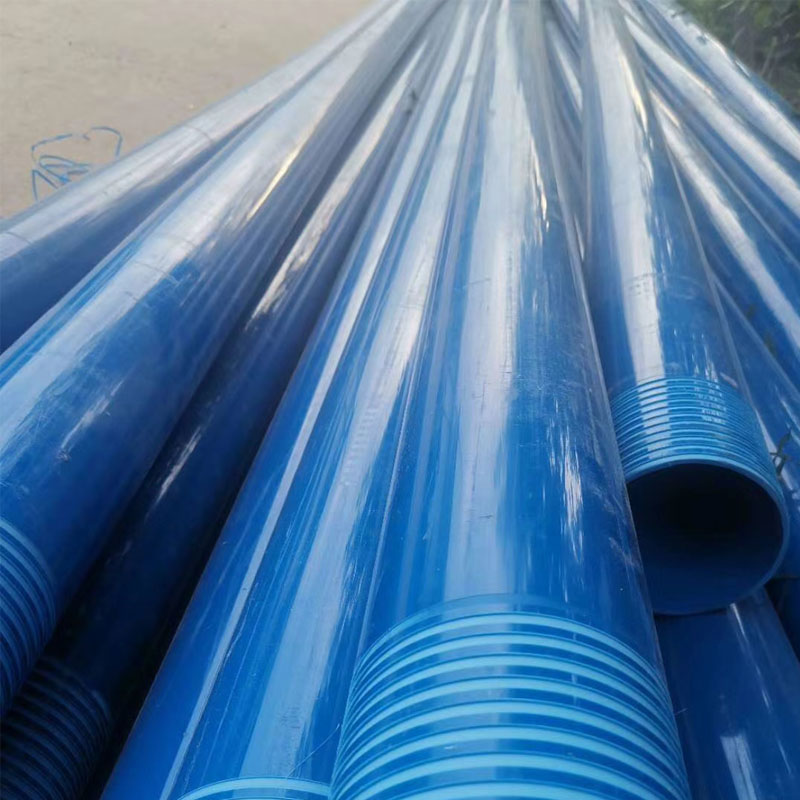
The performance of PVC pipes is governed by several key engineering principles. Stress analysis, particularly hoop stress due to internal pressure, is critical in determining the appropriate pipe schedule and wall thickness for a given application. The tensile strength of PVC, typically around 50-70 MPa, dictates its resistance to cracking under external loads. Chemical resistance is also paramount; PVC exhibits good resistance to acids, bases, and salts, but is susceptible to degradation by certain organic solvents and aromatic hydrocarbons. Environmental resistance necessitates consideration of UV exposure, temperature fluctuations, and soil conditions. Prolonged UV exposure can lead to embrittlement, requiring the use of UV stabilizers in the PVC compound. Temperature impacts impact strength – PVC becomes more brittle at lower temperatures. In earthquake-prone regions of China, engineers must account for seismic loads and potential ground movement when designing PVC piping systems. This often involves incorporating flexible joints and appropriate anchoring to prevent catastrophic failure. Furthermore, the thermal expansion and contraction of PVC need to be accommodated in longer pipe runs to prevent buckling or joint separation. Compliance with relevant Chinese national standards (GB) is essential, particularly concerning water quality and pressure ratings. The use of appropriate jointing methods (solvent welding, threaded connections, or gasketed joints) is crucial for maintaining system integrity and preventing leaks. Soil acidity levels can also affect long-term performance, necessitating the use of protective coatings in corrosive environments.
Technical Specifications
| Parameter | Schedule 40 PVC | Schedule 80 PVC | CPVC (Chlorinated PVC) |
|---|---|---|---|
| Tensile Strength (MPa) | 55-65 | 60-70 | 70-80 |
| Flexural Modulus (GPa) | 3.0-3.5 | 3.5-4.0 | 4.0-4.5 |
| Impact Strength (Izod Notched, kJ/m²) | 4-6 | 6-8 | 8-10 |
| Maximum Operating Pressure (at 23°C, MPa) | 1.0 | 1.6 | 2.0 |
| Temperature Rating (°C) | 60 | 60 | 93 |
| Coefficient of Thermal Expansion (x10⁻⁶/°C) | 80 | 80 | 60 |
Failure Mode & Maintenance
PVC pipes are susceptible to several failure modes. Long-term hydrostatic stress can lead to slow crack propagation (SCP), particularly in areas of high stress concentration around fittings. UV degradation causes embrittlement and surface cracking. Chemical attack from aggressive substances can cause swelling, dissolution, or crazing of the material. Mechanical damage, such as impact from excavation equipment, can result in cracking or puncture. Ground movement and seismic activity can induce stress and lead to joint failure. Biological degradation, while less common, can occur in certain soil environments. Maintenance strategies involve regular visual inspections for cracks, leaks, and signs of degradation. Pressure testing should be conducted periodically to verify system integrity. Joints should be inspected for tightness and evidence of corrosion. When repairing PVC pipes, it’s crucial to use compatible materials and appropriate jointing techniques. For minor cracks, epoxy-based repair compounds can be used. For significant damage, pipe sections should be replaced entirely. Proper backfilling and soil compaction are essential to prevent stress on the pipe. In areas with high soil corrosivity, the use of protective coatings or cathodic protection may be necessary. Preventative measures, such as implementing UV protection through burial depth and protective coatings, and ensuring proper material selection based on chemical compatibility, are vital for extending the service life of PVC piping systems. Record keeping of installations and maintenance schedules aids in predictive failure analysis.
Industry FAQ
Q: What is the impact of varying phthalate content in PVC pipes on long-term performance and potential health risks in drinking water applications?
A: Higher phthalate content increases flexibility but can lead to leaching over time, potentially contaminating drinking water. While Chinese regulations are increasingly stringent regarding phthalate limits, opting for pipes with minimal or phthalate-free plasticizers is recommended, particularly for potable water systems. Look for pipes certified to meet GB 5817.8 standards for drinking water safety.
Q: How does the quality of solvent cement used for joining PVC pipes affect the overall system integrity and is there a standardization process in China?
A: The quality of solvent cement is paramount. Inferior cements may not create a sufficiently strong bond, leading to leaks and failures. In China, GB/T 19452 standards specify requirements for PVC solvent cements, covering viscosity, tensile strength, and chemical resistance. Always use a cement specifically formulated for the PVC pipe being joined and follow the manufacturer’s instructions precisely.
Q: What are the differences in performance between Schedule 40 and Schedule 80 PVC pipes and which is best suited for high-pressure industrial applications?
A: Schedule 80 pipes have thicker walls than Schedule 40 pipes, resulting in higher pressure ratings and increased impact resistance. While both are suitable for various applications, Schedule 80 is preferred for high-pressure industrial applications, corrosive environments, and areas subject to mechanical stress. Schedule 40 is generally sufficient for lower-pressure gravity-fed systems.
Q: What measures should be taken to mitigate the risk of slow crack propagation (SCP) in PVC pipelines, especially in areas with highly acidic or alkaline soil conditions?
A: SCP can be mitigated by ensuring proper jointing techniques, avoiding excessive stress concentration, and selecting PVC compounds with superior resistance to chemical attack. Utilizing a protective coating or a concrete encasement can shield the pipe from corrosive soil conditions. Regularly inspecting for early signs of cracking and replacing damaged sections promptly is also crucial.
Q: How does the use of CPVC (Chlorinated PVC) compare to standard PVC in terms of cost, performance, and applicability in hot water systems within China?
A: CPVC offers significantly higher temperature resistance compared to standard PVC, making it ideal for hot water distribution systems. However, CPVC is generally more expensive than PVC. It also requires specialized joining techniques and compatible solvent cements. While adoption is growing, CPVC is typically reserved for applications where its higher temperature performance justifies the increased cost, often in industrial processes and specialized plumbing applications.
Conclusion
PVC piping remains a dominant force in Chinese infrastructure due to its blend of cost-effectiveness, durability, and ease of installation. However, realizing its full potential requires a thorough understanding of its material properties, manufacturing processes, and potential failure modes. Optimized performance relies on careful material selection based on application requirements, adherence to stringent quality control standards during manufacturing, and diligent maintenance throughout the pipeline’s service life.
Future advancements in PVC technology, including the development of bio-based plasticizers and improved stabilizer systems, will further enhance its sustainability and longevity. Continued refinement of Chinese national standards and increased enforcement of environmental regulations will be critical for ensuring responsible use and minimizing potential risks associated with PVC production and disposal. Furthermore, embracing predictive maintenance strategies, incorporating smart monitoring technologies, and investing in ongoing research and development will contribute to the continued reliability and efficiency of PVC piping systems across China.
-
DN25 HDPE Compression Fitting-HORON INTERNATIONAL|Reliable Irrigation Solutions
NewsFeb.11,2026
-
china pvc to hdpe connection Performance Analysis
News2026-04-24
-
china ppr pipe elbow Performance Analysis
News2026-04-24
-
china hdpe straight coupler Performance Analysis
News2026-04-24
-
china what are pvc pipes used for Performance Analysis
News2026-04-24
-
china hdpe flexible irrigation pipe Performance Analysis
News2026-04-24
-
china 40mm pvc pipe Material and Manufacturing
News2026-04-23
-
china hdpe to pvc connection Performance Analysis
News2026-04-23
-
china ppr pipe 1 price Performance Analysis
News2026-04-23
-
china colored pvc pipe Performance Analysis
News2026-04-23
-
china hdpe pipe price list pdf Performance Analysis
News2026-04-23
-
china ppr for hot water Performance Analysis
News2026-04-22
-
china bulk pvc pipe Technical Analysis
News2026-04-22
-
china pvc pipes price list Performance Analysis
News2026-04-22
-
china 20 ft pvc pipe Performance Analysis
News2026-04-22
-
china ppr cold water pipe Performance Analysis
News2026-04-22