

Feb . 11, 2026 00:01 Back to list
china colored pvc pipe Performance Analysis
Introduction
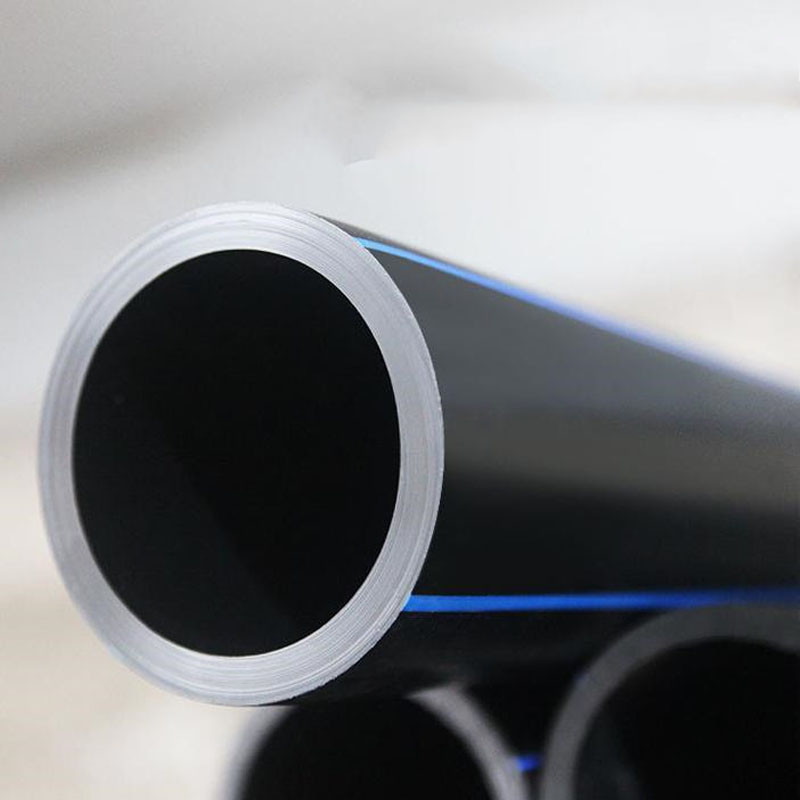
Polyvinyl Chloride (PVC) pipe, particularly that which is color-pigmented, represents a significant segment of the thermoplastic piping industry. China colored PVC pipe specifically refers to PVC conduit and piping manufactured in China, often characterized by a range of available colors achieved through the incorporation of pigments during the extrusion process. This product finds widespread application in irrigation, water distribution, drainage, electrical conduit, and various industrial fluid handling systems. Its technical positioning within the industry chain is as a semi-finished good, directly serving construction, agriculture, telecommunications, and industrial engineering sectors. Core performance characteristics include chemical resistance, dimensional stability, lightweight nature, and ease of installation, making it a cost-effective alternative to metallic piping systems in numerous applications. A significant challenge facing this sector is maintaining consistent quality across varying manufacturers and ensuring compliance with international standards regarding material composition and performance characteristics, especially concerning the long-term durability of colorants and resistance to UV degradation. The prevalence of differing manufacturing processes necessitates a thorough understanding of material properties and fabrication techniques to guarantee structural integrity and longevity.
Material Science & Manufacturing
The primary raw material for colored PVC pipe is Polyvinyl Chloride resin, a thermoplastic polymer produced by the polymerization of vinyl chloride monomer. Additives such as plasticizers (typically phthalates or alternatives like DINCH), stabilizers (often lead-based or calcium-zinc based), lubricants, and pigments are crucial components. The pigments employed dictate the color of the finished product and can range from organic (phthalocyanine, azo) to inorganic (titanium dioxide, iron oxides) compounds. The choice of pigment impacts UV resistance, thermal stability, and migration potential. Manufacturing typically involves compounding – thoroughly mixing the PVC resin with additives – followed by extrusion. In extrusion, the compounded material is heated and forced through a die to create the desired pipe profile. Critical parameters during extrusion include die temperature, screw speed, haul-off speed, and cooling rate. Maintaining consistent temperatures is vital to prevent thermal degradation of the PVC. Proper screw design ensures adequate mixing and homogenization of the melt. The haul-off speed dictates the pipe’s outer diameter and wall thickness. Cooling is essential to solidify the extruded pipe and maintain dimensional accuracy. Color consistency is achieved through precise metering of pigments during compounding and maintaining uniform mixing and temperature control throughout the extrusion process. Injection molding is also utilized for fittings and specialized components, requiring careful control of mold temperature, injection pressure, and cooling time to avoid warping or sink marks. The impact resistance and tensile strength are directly influenced by the molecular weight distribution of the PVC resin and the type and concentration of impact modifiers used.
Performance & Engineering
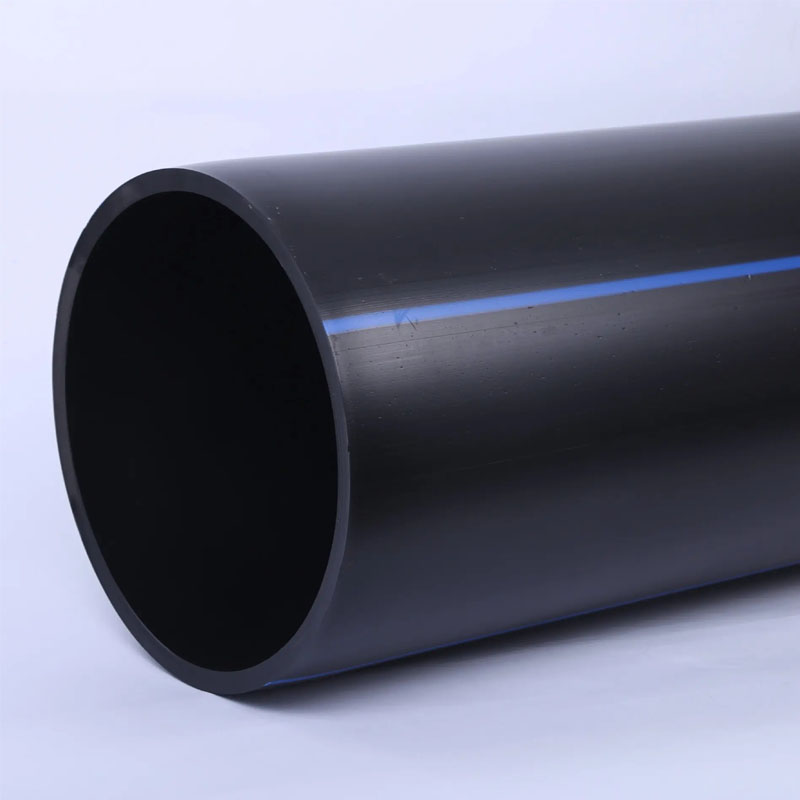
The performance of colored PVC pipe is dictated by several engineering considerations. Hydrostatic pressure resistance is a primary concern, determined by the pipe’s dimensions (diameter and wall thickness) and the material’s tensile strength. Burst pressure testing, conducted according to standards like ASTM D1500, is crucial for verifying this parameter. Long-term hydrostatic strength is affected by creep – the tendency of the material to deform under sustained stress. Chemical resistance is another critical attribute; PVC exhibits excellent resistance to acids, alkalis, and many common industrial chemicals, but can be susceptible to attack by aromatic hydrocarbons and chlorinated solvents. UV exposure can cause degradation of both the PVC resin and the pigments, leading to discoloration, embrittlement, and reduced mechanical properties. UV stabilizers, such as hindered amine light stabilizers (HALS), are incorporated to mitigate this effect. The color itself can influence temperature absorption; darker colors absorb more heat, potentially accelerating degradation. Soil loading, in buried applications, imposes compressive stress on the pipe, requiring adequate burial depth and backfill material to prevent deformation or cracking. Thermal expansion and contraction are also important design considerations, particularly in long pipe runs. Expansion loops or flexible joints may be necessary to accommodate dimensional changes due to temperature fluctuations. The impact strength, measured using techniques like Izod or Charpy impact testing, determines the pipe’s resistance to sudden loads or impacts. For electrical conduit applications, dielectric strength and flame retardancy are critical performance characteristics.
Technical Specifications
| Parameter | Unit | Schedule 40 PVC | Schedule 80 PVC |
|---|---|---|---|
| Outside Diameter | mm | 21.3 | 21.3 |
| Wall Thickness | mm | 2.4 | 3.2 |
| Pressure Rating (Hydrostatic) | psi | 450 | 600 |
| Tensile Strength | MPa | 55 | 55 |
| Impact Strength (Izod Notched) | J/m | 50 | 60 |
| Water Absorption (24hr) | % | <0.1 | <0.1 |
Failure Mode & Maintenance
Several failure modes are common in colored PVC pipe. Hydrostatic failure, resulting from excessive internal pressure, manifests as cracking or bursting. Environmental Stress Cracking (ESC) can occur when the pipe is exposed to certain chemicals or solvents, particularly under tensile stress, leading to slow crack propagation. UV degradation, as previously discussed, causes embrittlement and discoloration, reducing the pipe’s impact resistance and long-term durability. Thermal distortion can occur due to excessive temperature fluctuations, especially in unsupported sections. Physical damage, such as punctures or abrasions, can compromise the pipe’s integrity. Poor installation practices, like inadequate jointing or improper backfilling, contribute to premature failure. The pigments themselves can contribute to failure through migration or leaching, particularly in aggressive environments. Maintenance involves regular visual inspections for cracks, leaks, or discoloration. Joints should be checked for tightness and proper sealing. Buried pipes should be protected from excessive soil loading and potential damage from excavation activities. For UV-exposed pipes, periodic cleaning to remove dirt and debris can help maintain their appearance and reduce heat absorption. When repairing damaged sections, use compatible PVC cement and fittings, ensuring proper surface preparation and curing. Replacing severely degraded sections is often the most effective long-term solution.
Industry FAQ
Q: What is the impact of varying pigment types on the long-term weatherability of colored PVC pipe?
A: The choice of pigment significantly influences weatherability. Organic pigments, while offering vibrant colors, generally exhibit lower UV resistance compared to inorganic pigments like titanium dioxide and iron oxides. Organic pigments can fade or degrade more rapidly upon prolonged UV exposure, leading to discoloration and reduced mechanical properties. The use of UV stabilizers (HALS) can mitigate this effect, but their effectiveness depends on the pigment type and concentration. Inorganic pigments generally provide better long-term color retention and UV resistance, although their color palette may be more limited.
Q: How does the plasticizer content affect the flexibility and temperature performance of the PVC pipe?
A: Plasticizer content directly influences the flexibility of PVC. Higher plasticizer levels result in a more flexible pipe, suitable for applications requiring bending or coiling. However, increasing plasticizer content reduces the pipe’s tensile strength and temperature resistance. Plasticizers can migrate over time, leading to embrittlement and reduced performance, particularly at elevated temperatures. Phthalate-based plasticizers are being phased out due to health concerns, with alternatives like DINCH offering improved safety profiles but potentially different performance characteristics.
Q: What are the key considerations when selecting PVC pipe for potable water applications?
A: For potable water applications, it's crucial to ensure the PVC pipe and all fittings comply with relevant standards like NSF/ANSI 61. This standard certifies that the materials do not leach harmful contaminants into the water. The plasticizer used must be approved for potable water contact. The pipe should also be resistant to chlorine and other disinfectants commonly used in water treatment. Proper installation and disinfection procedures are essential to maintain water quality.
Q: How does the manufacturing process impact the ovality and dimensional consistency of the PVC pipe?
A: The extrusion process is critical for maintaining ovality and dimensional consistency. Precise control of die temperature, screw speed, and haul-off speed is essential. Variations in these parameters can lead to variations in pipe diameter and wall thickness. Proper cooling is also crucial to prevent deformation. Regular quality control checks, including dimensional measurements and hydrostatic pressure testing, are necessary to ensure compliance with specifications.
Q: What is the significance of Schedule number (e.g., Schedule 40 vs. Schedule 80) in determining pipe suitability for specific applications?
A: Schedule number indicates the pipe’s wall thickness relative to its nominal pipe size. Higher Schedule numbers (e.g., Schedule 80) correspond to thicker walls, providing greater pressure-bearing capacity and mechanical strength. Schedule 40 is commonly used for lower-pressure applications like irrigation and drainage, while Schedule 80 is preferred for higher-pressure systems and industrial applications where increased durability is required.
Conclusion
China colored PVC pipe offers a versatile and cost-effective solution for a wide range of applications, owing to its chemical resistance, lightweight nature, and ease of installation. However, ensuring consistent quality and long-term performance necessitates a thorough understanding of the material science, manufacturing processes, and potential failure modes. Careful selection of pigments, plasticizers, and stabilizers is crucial for optimizing weatherability, temperature resistance, and overall durability. Compliance with relevant international standards, such as ASTM, ISO, and NSF, is essential for guaranteeing safety and performance.
Future developments in PVC technology are focused on improving sustainability through the use of bio-based plasticizers and recycled PVC materials, as well as enhancing UV resistance and reducing the environmental impact of pigment production. Continued research and development efforts will play a vital role in addressing the evolving needs of the industry and ensuring the long-term viability of colored PVC pipe as a reliable and cost-effective piping solution.
-
DN25 HDPE Compression Fitting-HORON INTERNATIONAL|Reliable Irrigation Solutions
NewsFeb.11,2026
-
china 40mm pvc pipe Material and Manufacturing
News2026-04-23
-
china hdpe to pvc connection Performance Analysis
News2026-04-23
-
china ppr pipe 1 price Performance Analysis
News2026-04-23
-
china colored pvc pipe Performance Analysis
News2026-04-23
-
china hdpe pipe price list pdf Performance Analysis
News2026-04-23
-
china ppr for hot water Performance Analysis
News2026-04-22
-
china bulk pvc pipe Technical Analysis
News2026-04-22
-
china pvc pipes price list Performance Analysis
News2026-04-22
-
china 20 ft pvc pipe Performance Analysis
News2026-04-22
-
china ppr cold water pipe Performance Analysis
News2026-04-22
-
china double wall hdpe pipe Performance Analysis
News2026-04-21
-
china transition coupling hdpe to pvc Performance Analysis
News2026-04-21
-
china water pipe ppr Performance Analysis
News2026-04-21
-
china dn150 hdpe Performance Analysis
News2026-04-21
-
china sprinkler hdpe pipe Material Performance
News2026-04-21