

Feb . 11, 2026 00:01 Back to list
china ppr pipe 1 price Performance Analysis
Introduction
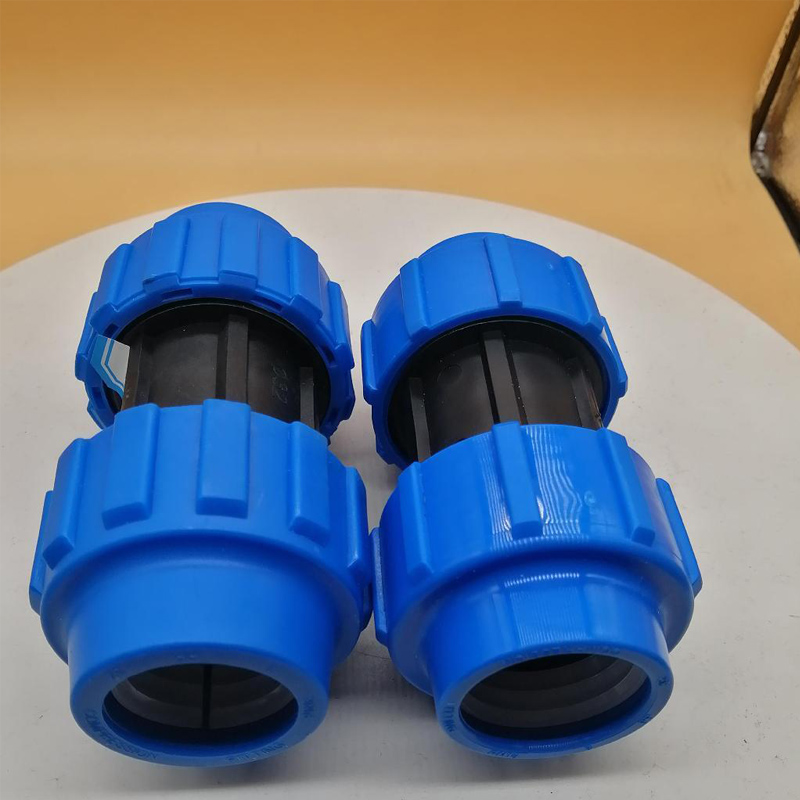
Polypropylene Random Copolymer (PPR) pipe represents a significant advancement in fluid conveyance systems, particularly within building infrastructure and industrial applications. China PPR pipe, specifically the ‘1 price’ designation commonly refers to competitively priced offerings originating from Chinese manufacturers. This guide provides an in-depth technical examination of PPR pipe, encompassing its material composition, manufacturing processes, performance characteristics, failure modes, and relevant industry standards. PPR’s increasing prevalence stems from its corrosion resistance, thermal stability, and relatively straightforward installation compared to traditional metallic piping. Understanding the intricacies of PPR pipe, particularly variations in material quality and manufacturing tolerances among Chinese producers, is crucial for ensuring long-term system reliability and compliance with building codes. This document aims to provide a comprehensive resource for engineers, procurement managers, and installers seeking to optimize the use of China PPR pipe 1 price in their projects.
Material Science & Manufacturing
PPR pipe is manufactured from polypropylene random copolymer, a thermoplastic polymer created by polymerizing propylene with a comonomer, typically ethylene. This randomization of the polymer chain disrupts the crystalline structure of standard polypropylene, resulting in improved flexibility, impact resistance, and weldability. The raw material, polypropylene homopolymer and ethylene, must meet stringent purity standards to ensure the final pipe's quality. Manufacturing typically involves extrusion molding. Polypropylene granules are fed into an extruder, melted, and forced through a die to form the pipe shape. Critical parameters during extrusion include melt temperature (typically 200-240°C), die pressure, and cooling rate. Precise control of these parameters is vital for achieving consistent wall thickness and dimensional accuracy. Subsequent to extrusion, pipes undergo hydrostatic testing to verify pressure resistance and leak-proof performance. Variations in the polypropylene resin grade – specifically the molecular weight distribution and ethylene content – directly impact the pipe’s long-term hydrostatic strength (LTS) and slow crack growth resistance. Cheaper '1 price' offerings may utilize lower-grade resins compromising long-term performance. Furthermore, the quality of the welding process, specifically hot plate or socket fusion, directly affects the joint integrity, and requires skilled operators and calibrated equipment. The presence of additives, such as UV stabilizers and antioxidants, is critical for enhancing long-term durability, particularly in applications exposed to sunlight.
Performance & Engineering
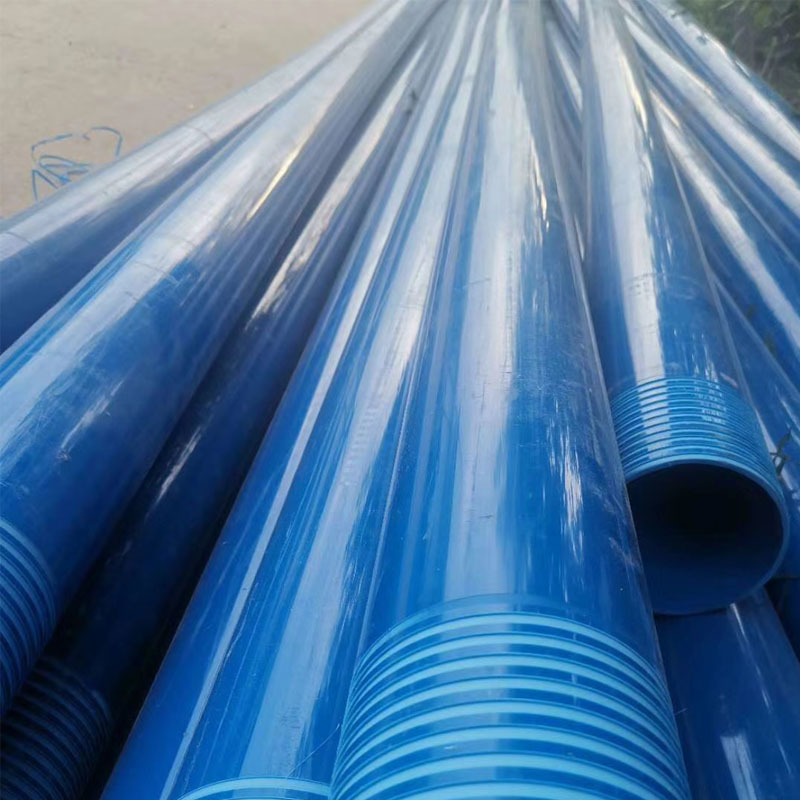
The primary engineering considerations for PPR pipe relate to pressure rating, temperature capability, and chemical compatibility. PPR pipes are classified by their S-value, which represents the internal hydrostatic pressure resistance at 20°C. Higher S-values indicate greater pressure capacity. Performance under sustained pressure is a function of material properties, wall thickness, and temperature. PPR exhibits excellent resistance to a wide range of chemicals, including acids, alkalis, and salts, making it suitable for various applications. However, it is susceptible to degradation by certain organic solvents and oxidizing agents. Force analysis during installation and operation must account for thermal expansion and contraction. PPR has a higher coefficient of thermal expansion than metallic pipes, necessitating expansion loops or flexible connectors to prevent stress on joints. Compliance with building codes and plumbing standards is paramount. These regulations dictate maximum allowable working pressure, temperature limits, and installation procedures. The long-term performance of PPR pipe is particularly sensitive to sustained hydrostatic pressure (LTS) and slow crack growth (SCG). LTS refers to the ability of the pipe to withstand continuous internal pressure over an extended period, typically 50 years. SCG is a phenomenon where small cracks initiate and propagate slowly over time due to the combined effects of stress and environmental factors. Maintaining appropriate safety factors and adhering to recommended operating conditions are essential for mitigating these risks. Finite element analysis (FEA) can be utilized to model stress distributions within the pipe and optimize its design for specific applications.
Technical Specifications
| Parameter | Unit | PN20 (S5) | PN25 (S6.3) |
|---|---|---|---|
| Nominal Pressure | MPa | 2.0 | 2.5 |
| Hydrostatic Pressure Test | MPa | 6.0 | 7.5 |
| Burst Pressure | MPa | 8.0 | 10.0 |
| Working Temperature | °C | -20 to +95 | -20 to +95 |
| Thermal Conductivity | W/m·K | 0.24 | 0.24 |
| Coefficient of Linear Expansion | mm/m·°C | 0.15 | 0.15 |
Failure Mode & Maintenance
Common failure modes in PPR pipe include joint failures, cracking, and material degradation. Joint failures often result from inadequate welding procedures, contaminated surfaces, or improper alignment. Cracking can occur due to excessive stress, thermal shock, or the presence of stress concentrators (e.g., sharp bends). Slow crack growth (SCG) is a significant concern, particularly in applications involving sustained hydrostatic pressure and exposure to certain chemicals. Material degradation can be caused by UV exposure, oxidation, or contact with incompatible substances. Preventative maintenance involves regular visual inspections for leaks, cracks, or discoloration. Joints should be inspected for proper fusion and tightness. Periodic hydrostatic testing can verify the system's integrity. If leaks are detected, the affected section of pipe should be replaced. Avoid using abrasive cleaning agents or solvents that can damage the material. Proper support and anchoring are crucial to prevent excessive stress on the pipe and joints. Addressing water hammer (sudden pressure surges) is essential to prevent catastrophic failures. The use of pressure relief valves and water hammer arrestors can mitigate this risk. For external repairs, utilize PPR-compatible patching compounds or fittings. Long-term, monitoring water quality and adjusting chemical treatments to maintain compatibility with PPR is critical for extending service life.
Industry FAQ
Q: What is the primary difference between PN20 and PN25 PPR pipe, and when would I choose one over the other?
A: PN20 and PN25 refer to the nominal pressure rating of the pipe, signifying its ability to withstand internal hydrostatic pressure. PN25 (2.5 MPa) has a higher pressure capacity than PN20 (2.0 MPa). PN20 is typically suitable for residential hot and cold water distribution systems. PN25 is recommended for applications with higher pressure requirements, such as industrial processes, high-rise buildings, or systems subject to significant pressure fluctuations.
Q: How does the quality of the welding process impact the long-term reliability of PPR pipe joints?
A: The welding process (hot plate or socket fusion) is critical. Improper welding – insufficient heating, excessive heating, or contamination – can lead to weak joints prone to leakage or failure. Joint strength is directly related to the complete fusion of the pipe and fitting materials. Proper training, calibrated equipment, and adherence to manufacturer's guidelines are essential.
Q: What chemicals should be avoided when using PPR pipe, and what are the consequences of exposure?
A: PPR pipe is generally resistant to many common chemicals, but certain organic solvents (e.g., acetone, toluene) and strong oxidizing agents can cause swelling, cracking, or degradation. Exposure can lead to premature failure of the pipe or joints. Consult a chemical compatibility chart before using PPR pipe in environments where it may come into contact with potentially harmful substances.
Q: What is Slow Crack Growth (SCG) and how can it be mitigated in PPR pipe systems?
A: Slow Crack Growth (SCG) is the slow propagation of cracks in PPR pipe caused by the combined effects of sustained hydrostatic pressure and environmental stress cracking. It's mitigated through careful material selection (high-quality resin), proper installation (minimizing stress), avoiding exposure to incompatible chemicals, and maintaining operating pressures within specified limits.
Q: How does temperature affect the performance and lifespan of PPR pipe?
A: PPR pipe is designed to operate effectively within a specific temperature range (-20°C to +95°C). Exposure to temperatures outside this range can lead to material degradation. High temperatures can reduce the pipe’s strength and accelerate aging, while low temperatures can make it brittle and more susceptible to cracking. Thermal expansion and contraction must also be accounted for in the system design.
Conclusion
China PPR pipe 1 price represents a cost-effective solution for fluid conveyance, but its performance and longevity are heavily reliant on material quality, manufacturing precision, and proper installation practices. Understanding the material science underpinning PPR, the nuances of the extrusion process, and the engineering principles governing its performance is essential for optimizing system design and ensuring long-term reliability. Variations in resin grade and manufacturing quality, common among competitively priced offerings, necessitate thorough due diligence during procurement.
Future advancements in PPR technology will likely focus on enhancing SCG resistance, improving UV stability, and developing more sustainable manufacturing processes. Regular inspection, preventative maintenance, and adherence to relevant industry standards are vital for maximizing the service life of PPR pipe systems. Selecting qualified installers and utilizing appropriate welding techniques are crucial for guaranteeing joint integrity and minimizing the risk of premature failures.
-
DN25 HDPE Compression Fitting-HORON INTERNATIONAL|Reliable Irrigation Solutions
NewsFeb.11,2026
-
china 40mm pvc pipe Material and Manufacturing
News2026-04-23
-
china hdpe to pvc connection Performance Analysis
News2026-04-23
-
china ppr pipe 1 price Performance Analysis
News2026-04-23
-
china colored pvc pipe Performance Analysis
News2026-04-23
-
china hdpe pipe price list pdf Performance Analysis
News2026-04-23
-
china ppr for hot water Performance Analysis
News2026-04-22
-
china bulk pvc pipe Technical Analysis
News2026-04-22
-
china pvc pipes price list Performance Analysis
News2026-04-22
-
china 20 ft pvc pipe Performance Analysis
News2026-04-22
-
china ppr cold water pipe Performance Analysis
News2026-04-22
-
china double wall hdpe pipe Performance Analysis
News2026-04-21
-
china transition coupling hdpe to pvc Performance Analysis
News2026-04-21
-
china water pipe ppr Performance Analysis
News2026-04-21
-
china dn150 hdpe Performance Analysis
News2026-04-21
-
china sprinkler hdpe pipe Material Performance
News2026-04-21