

Feb . 11, 2026 00:01 Back to list
china hdpe to pvc connection Performance Analysis
Introduction
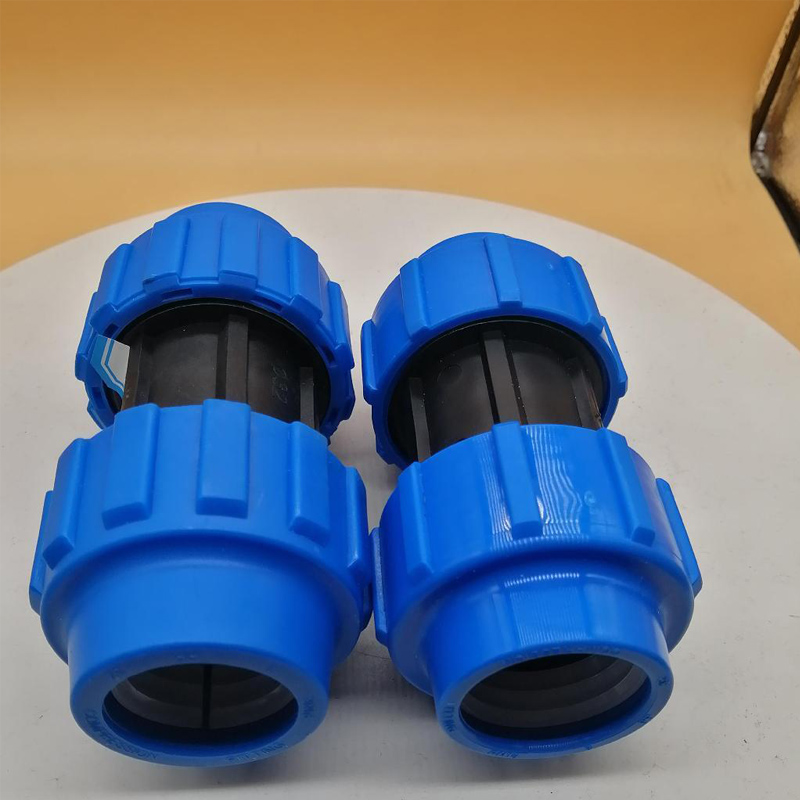
HDPE to PVC connections represent a critical juncture in fluid transfer systems across numerous industries, including water distribution, irrigation, chemical processing, and wastewater management. These connections facilitate the joining of High-Density Polyethylene (HDPE) and Polyvinyl Chloride (PVC) piping, materials selected for their respective advantages – HDPE for its flexibility, impact resistance, and chemical inertness, and PVC for its rigidity, cost-effectiveness, and established installation practices. This guide provides a comprehensive technical overview of HDPE to PVC connection methodologies, material compatibility, performance characteristics, potential failure modes, and relevant industry standards. A primary industry pain point centers on ensuring long-term joint integrity when dissimilar materials are combined, preventing leakage, and maintaining system pressure ratings. Achieving reliable connections requires careful consideration of thermal expansion differences, material properties, and appropriate transition fittings and adhesives. The longevity of these connections is paramount to minimizing operational costs and environmental impact.
Material Science & Manufacturing
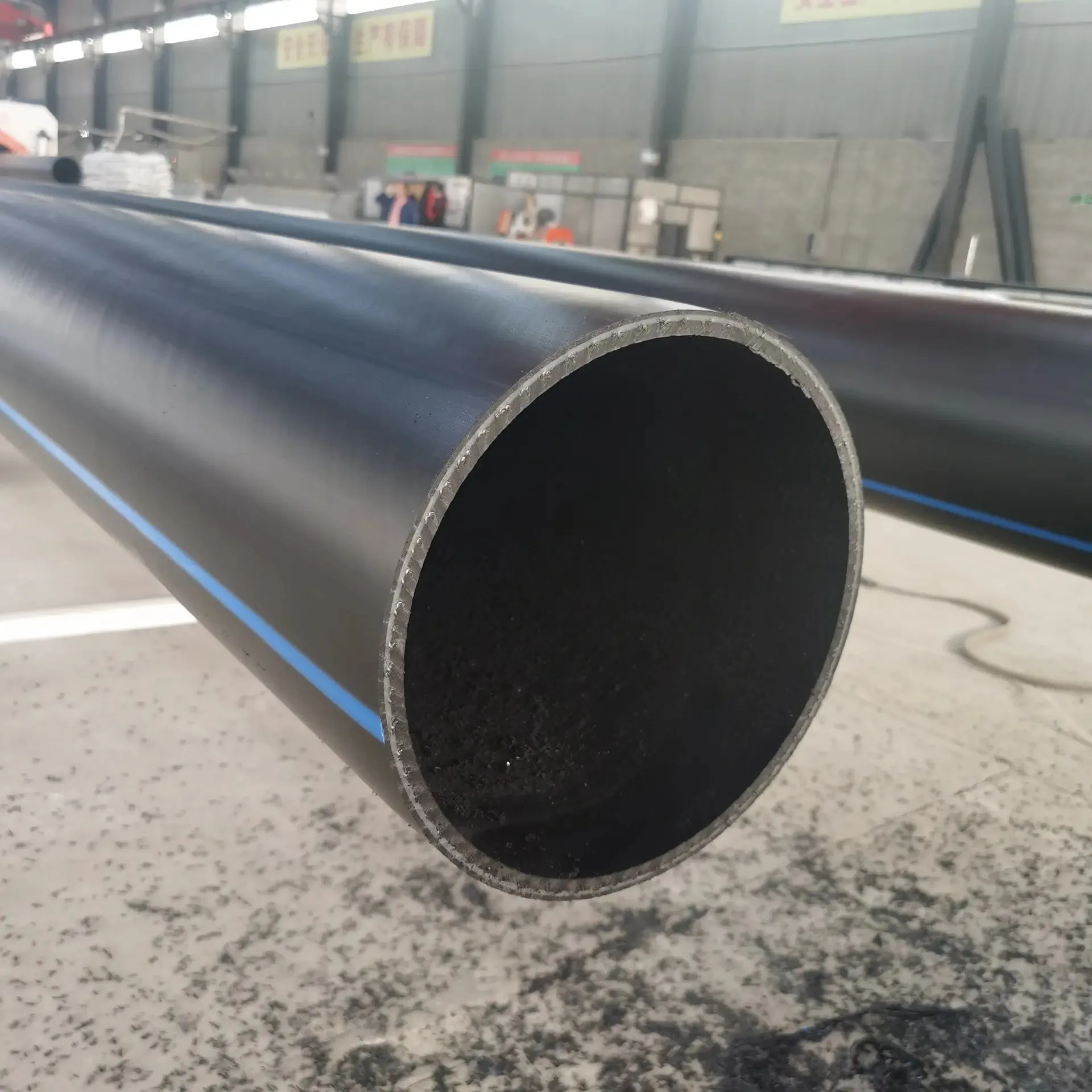
HDPE, a thermoplastic polymer produced from the polymerization of ethylene, possesses a semi-crystalline structure lending it high tensile strength-to-density ratio. Its typical density ranges from 0.941 to 0.965 g/cm³. Manufacturing HDPE pipes generally involves extrusion processes where molten HDPE is forced through a die, followed by cooling and sizing. PVC, also a thermoplastic polymer, is created through the polymerization of vinyl chloride monomer. PVC exists in both rigid and flexible forms; rigid PVC used in piping has a density around 1.4 g/cm³. PVC pipe manufacture primarily utilizes extrusion, similar to HDPE. The core challenge in HDPE to PVC connections lies in their differing coefficients of thermal expansion. HDPE exhibits a significantly higher coefficient (approximately 1.7 x 10⁻⁴ /°C) compared to PVC (approximately 0.8 x 10⁻⁴ /°C). This differential expansion/contraction necessitates connection methods that accommodate movement to prevent stress concentration and joint failure. Transition fittings, commonly manufactured through injection molding, are designed with integrated sealing features – often rubber gaskets made of EPDM or nitrile – to create a watertight barrier. Adhesive bonding, when utilized, relies on specialized PVC cements formulated to chemically weld the PVC side of the transition fitting to the PVC pipe, whilst mechanical clamping secures the HDPE side. Quality control during fitting manufacturing focuses on dimensional accuracy, gasket conformity, and adhesive surface preparation.
Performance & Engineering
The performance of an HDPE to PVC connection is governed by several critical engineering parameters. Firstly, pressure rating is paramount. Transition fittings are typically rated to the lower pressure capacity of the connected pipe sizes, dictating system operating limits. Force analysis reveals that the greatest stresses concentrate at the interface between the fitting body and both the HDPE and PVC pipes, particularly under internal pressure and thermal cycling. Finite element analysis (FEA) is routinely employed to optimize fitting geometries and gasket designs to minimize these stresses. Environmental resistance is another key consideration. Prolonged exposure to UV radiation can degrade HDPE, reducing its tensile strength and causing embrittlement. PVC is also susceptible to degradation from UV exposure and extreme temperatures. Therefore, buried installations or the use of UV-resistant HDPE compounds are recommended. Chemical compatibility must also be addressed. While both HDPE and PVC are chemically inert to many substances, certain solvents and aggressive chemicals can cause swelling, cracking, or leaching, compromising the connection. Compliance requirements vary depending on the application and geographical location. Potable water systems demand fittings that meet NSF/ANSI 61 standards, ensuring that no harmful contaminants leach into the water supply. Wastewater applications may require fittings meeting ASTM D3212 standards for corrosion resistance. Proper installation procedures, including correct insertion depth, gasket lubrication, and tightening torque, are essential for achieving optimal performance and preventing premature failure.
Technical Specifications
| Parameter | HDPE (PE100) | PVC (Schedule 40) | Transition Fitting (Typical) |
|---|---|---|---|
| Material Density (g/cm³) | 0.941 - 0.965 | 1.4 | Polypropylene/ABS |
| Tensile Strength (MPa) | 32-40 | 62-69 | 45-55 |
| Coefficient of Linear Thermal Expansion (/°C) | 1.7 x 10⁻⁴ | 0.8 x 10⁻⁴ | 1.0 x 10⁻⁴ |
| Operating Temperature (°C) | -40 to 60 | -10 to 60 | -20 to 80 |
| Pressure Rating (Typical, PN16) | Up to 16 bar | Up to 16 bar | Up to 10 bar (dependent on size) |
| Chemical Resistance | Excellent | Good (limited resistance to certain solvents) | Good (dependent on fitting material) |
Failure Mode & Maintenance
Common failure modes in HDPE to PVC connections include joint leakage, gasket degradation, and cracking. Joint leakage often stems from inadequate sealing due to improper installation – insufficient insertion depth, damaged gaskets, or incorrect tightening torque. Gasket degradation can occur due to prolonged exposure to UV radiation, temperature extremes, or incompatible chemicals, leading to loss of elasticity and sealing capability. Cracking can develop in the fitting body or the pipe near the connection due to stress concentration caused by thermal expansion/contraction differentials, particularly in rigid installations without sufficient allowance for movement. Fatigue cracking can also occur under cyclical pressure fluctuations. Oxidation of the HDPE pipe, particularly in areas exposed to air, can reduce its long-term durability. Maintenance procedures should include periodic visual inspections for signs of leakage, gasket damage, or cracking. Regular torque checks on mechanical connections are recommended. If leakage is detected, the gasket should be replaced, and the connection re-evaluated. Preventative maintenance involves ensuring proper bedding and support for the pipeline to minimize stress on the connections. For buried pipelines, corrosion protection measures, such as protective coatings or cathodic protection, can extend the lifespan of the connection. Implementing a robust record-keeping system detailing installation dates, materials used, and maintenance activities is crucial for proactive management and identification of potential issues.
Industry FAQ
Q: What is the primary challenge when connecting HDPE to PVC, and how do transition fittings address it?
A: The primary challenge is the significant difference in their coefficients of thermal expansion. HDPE expands and contracts much more than PVC with temperature changes. Transition fittings address this by incorporating flexible elements, such as rubber gaskets, and allowing for some degree of movement within the connection to prevent stress buildup and potential leakage or failure.
Q: What types of adhesives are suitable for bonding PVC to transition fittings?
A: Specialized PVC cements are required. These are not typical adhesives but rather solvents that chemically weld the PVC pipe and the PVC portion of the transition fitting together, creating a homogenous joint. Primer application is essential to prepare the PVC surface for proper bonding.
Q: How do I determine the appropriate pressure rating for an HDPE to PVC connection?
A: The pressure rating is dictated by the lowest pressure rating component within the system—typically the transition fitting. Always refer to the manufacturer’s specifications for the fitting to determine its maximum operating pressure at a given temperature. It’s crucial to account for water hammer and surge pressures in system design.
Q: What are the common gasket materials used in HDPE to PVC transition fittings and what are their respective advantages?
A: Common gasket materials include EPDM (Ethylene Propylene Diene Monomer) and Nitrile rubber. EPDM offers excellent resistance to UV radiation, ozone, and weathering, making it suitable for outdoor applications. Nitrile rubber provides superior resistance to oils and fuels, making it ideal for applications involving chemical transfer.
Q: What maintenance practices should be implemented to ensure the long-term integrity of these connections?
A: Regular visual inspections for leaks, gasket deterioration, or cracking are essential. Periodically check the torque on mechanical connections. Ensure proper support and bedding for the pipeline to minimize stress. Keep records of installation details and maintenance activities for future reference. Consider protective coatings for buried pipelines to mitigate corrosion.
Conclusion
The successful implementation of HDPE to PVC connections hinges on a thorough understanding of material properties, engineering principles, and installation best practices. Acknowledging and mitigating the differential thermal expansion between these materials is paramount to achieving long-term joint integrity and preventing premature failure. Selecting appropriate transition fittings, employing proper installation techniques, and implementing a proactive maintenance program are all essential components of a reliable system.
Future advancements in connection technology may involve the development of more sophisticated gasket materials with enhanced sealing properties and improved resistance to chemical degradation. Further research into stress analysis and optimization of fitting geometries will also contribute to increased connection reliability. Prioritizing these aspects will result in reduced operational costs, minimized environmental impact, and enhanced system longevity.
-
DN25 HDPE Compression Fitting-HORON INTERNATIONAL|Reliable Irrigation Solutions
NewsFeb.11,2026
-
china 40mm pvc pipe Material and Manufacturing
News2026-04-23
-
china hdpe to pvc connection Performance Analysis
News2026-04-23
-
china ppr pipe 1 price Performance Analysis
News2026-04-23
-
china colored pvc pipe Performance Analysis
News2026-04-23
-
china hdpe pipe price list pdf Performance Analysis
News2026-04-23
-
china ppr for hot water Performance Analysis
News2026-04-22
-
china bulk pvc pipe Technical Analysis
News2026-04-22
-
china pvc pipes price list Performance Analysis
News2026-04-22
-
china 20 ft pvc pipe Performance Analysis
News2026-04-22
-
china ppr cold water pipe Performance Analysis
News2026-04-22
-
china double wall hdpe pipe Performance Analysis
News2026-04-21
-
china transition coupling hdpe to pvc Performance Analysis
News2026-04-21
-
china water pipe ppr Performance Analysis
News2026-04-21
-
china dn150 hdpe Performance Analysis
News2026-04-21
-
china sprinkler hdpe pipe Material Performance
News2026-04-21