

Feb . 11, 2026 00:01 Back to list
china sprinkler hdpe pipe Material Performance
Introduction
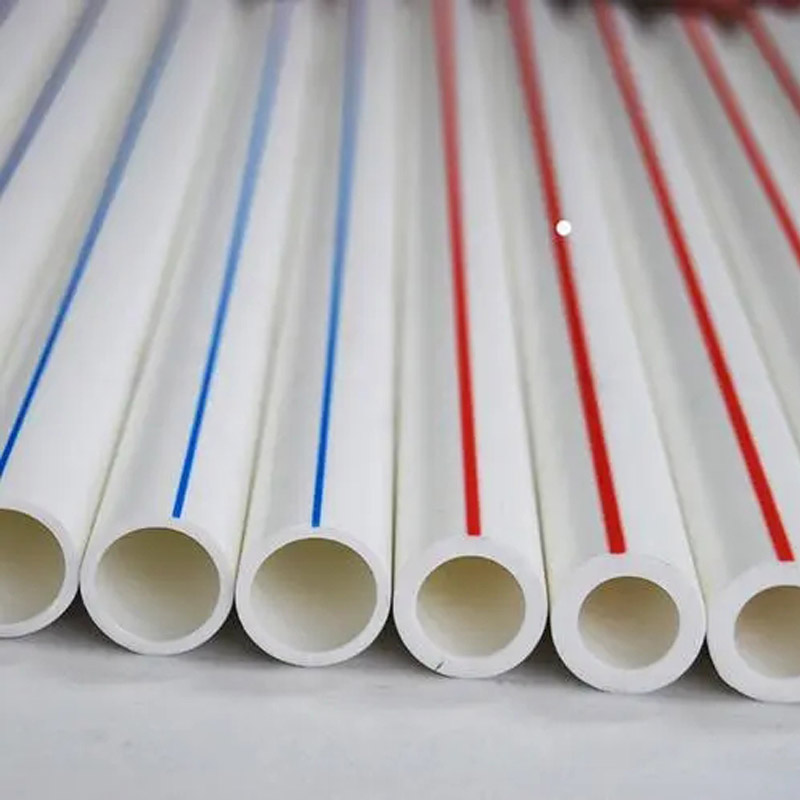
High-Density Polyethylene (HDPE) pipe for sprinkler systems represents a significant advancement in fire protection infrastructure. It is a thermoplastic polymer produced from the polymerization of ethylene. In the context of sprinkler systems, HDPE pipe is increasingly utilized as a robust and cost-effective alternative to traditional steel or CPVC piping, particularly in areas demanding corrosion resistance and flexibility. This guide provides a comprehensive technical overview of china sprinkler HDPE pipe, detailing its material properties, manufacturing processes, performance characteristics, potential failure modes, and relevant industry standards. Its position within the fire protection supply chain is as a core component, directly impacting system reliability, installation efficiency, and long-term maintenance costs. Core performance metrics include pressure rating, burst strength, and resistance to chemical degradation from fire suppression agents.
Material Science & Manufacturing
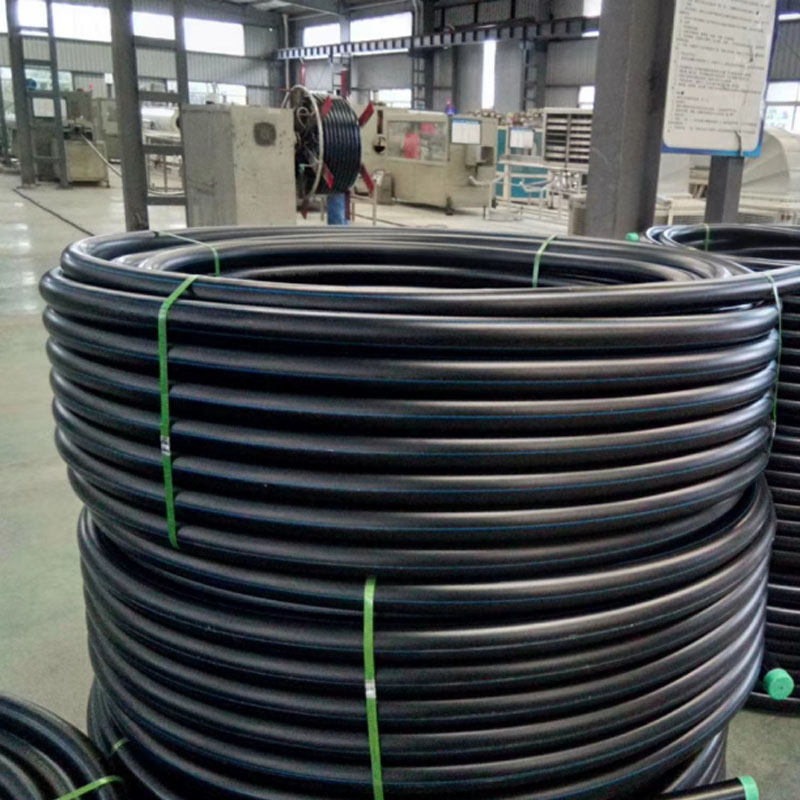
HDPE pipe production relies on the properties of high-density polyethylene, a linear polymer with minimal branching, resulting in high tensile strength and chemical resistance. The raw material is typically sourced from ethylene produced through the cracking of naphtha or ethane. Key physical properties include a density between 0.93 and 0.97 g/cm³, a melting point ranging from 120-135°C, and a relatively low coefficient of friction. Manufacturing primarily utilizes extrusion processes. HDPE pellets are fed into an extruder, where they are heated and melted. The molten plastic is then forced through a die, shaping it into the desired pipe diameter and wall thickness. Parameter control during extrusion is critical. Temperature profiles must be meticulously maintained to ensure uniform melt viscosity and prevent degradation. Cooling systems – typically water baths – rapidly solidify the extruded pipe. Butt fusion, electrofusion, and mechanical fitting connections are standard for joining HDPE pipes. Butt fusion involves heating the pipe ends and pressing them together under controlled pressure, creating a homogenous weld. Electrofusion utilizes an internal heating element within a fitting to melt and fuse the pipe and fitting together. Quality control involves hydrostatic testing to verify pressure integrity and dimensional accuracy to meet relevant standards like GB/T 5817.2006 for HDPE water supply pipes, a common benchmark for sprinkler pipe production in China.
Performance & Engineering
The performance of HDPE sprinkler pipe is heavily influenced by hydraulic calculations, pressure containment, and long-term environmental factors. Force analysis within a sprinkler system focuses on static and dynamic pressure loads, including water hammer effects. HDPE's flexibility offers advantages in seismic zones, minimizing the risk of fracture compared to rigid piping. Environmental resistance is a crucial factor. HDPE exhibits excellent resistance to corrosion from most chemicals found in typical fire suppression systems, including water, foam concentrates, and certain extinguishing agents. However, prolonged exposure to strong oxidizing agents should be avoided. Compliance requirements are dictated by NFPA 13 (Standard for the Installation of Sprinkler Systems) in many international markets and local building codes. Engineering considerations include thermal expansion and contraction. HDPE expands and contracts significantly more than steel, necessitating the use of expansion loops or flexible couplings to prevent stress on the piping system and connected equipment. Furthermore, UV exposure can degrade HDPE over time. Therefore, above-ground piping requires UV stabilization additives or protective coatings. The creep resistance of HDPE, its tendency to deform under sustained stress, must also be accounted for in system design, especially at elevated temperatures.
Technical Specifications
| Parameter | Units | Typical Value (Schedule 40 Equivalent) | Testing Standard |
|---|---|---|---|
| Nominal Pipe Size | inches | 0.5 - 12 | ASTM D2239 |
| Pressure Rating | psi | 100 - 200 | ASTM D2239, GB/T 5817.2006 |
| Burst Pressure | psi | 400 - 800 | Hydrostatic Testing (per ASTM D2239) |
| Density | g/cm³ | 0.94 - 0.96 | ASTM D1505 |
| Tensile Strength | MPa | 20 - 30 | ASTM D638 |
| Elongation at Break | % | 300 - 600 | ASTM D638 |
Failure Mode & Maintenance
Common failure modes in HDPE sprinkler piping include slow crack growth (SCG), particularly in areas of residual stress or exposure to certain chemicals. SCG typically initiates at stress concentrators, such as joints or imperfections in the pipe wall. Another potential failure mode is fatigue cracking, resulting from cyclic pressure fluctuations or vibration. Delamination can occur if the HDPE material is improperly fused during jointing or if contaminants are present. Oxidation, while generally slow, can occur at elevated temperatures or with prolonged exposure to UV radiation. Maintenance strategies should focus on preventative measures. Regular visual inspections should be conducted to identify any signs of cracking, discoloration, or deformation. Hydrostatic testing should be performed periodically to verify the integrity of the system. Joint connections should be inspected for leaks or signs of separation. Should a leak be detected, the affected section of pipe should be cut out and replaced using appropriate fusion techniques. It is crucial to use only qualified personnel for HDPE pipe installation and repair, ensuring adherence to manufacturer's instructions and relevant industry standards. Proper storage of HDPE pipe is essential to prevent UV degradation and mechanical damage.
Industry FAQ
Q: What are the primary advantages of HDPE pipe over steel in sprinkler systems?
A: HDPE offers significant advantages in corrosion resistance, eliminating the need for expensive coatings or cathodic protection required for steel. It's also lighter, making installation easier and reducing labor costs. Furthermore, its flexibility provides enhanced resistance to seismic activity and thermal movement.
Q: How does the flexibility of HDPE impact sprinkler system design?
A: The flexibility necessitates the inclusion of expansion loops or flexible couplings to accommodate thermal expansion and contraction. This prevents stress buildup and potential pipe failure. It also simplifies installation in complex layouts.
Q: What is slow crack growth (SCG) and how can it be prevented?
A: SCG is a time-dependent failure mechanism caused by sustained stress and the presence of certain chemicals. Prevention involves using high-quality HDPE materials with appropriate stress crack resistance, avoiding exposure to incompatible chemicals, and ensuring proper joint fusion techniques.
Q: Are there any limitations to using HDPE pipe in fire sprinkler systems?
A: HDPE is susceptible to degradation from prolonged UV exposure, requiring UV stabilization additives or protective coatings for above-ground applications. It also has a lower temperature rating than steel, limiting its use in extremely high-temperature environments.
Q: What standards govern the quality and testing of HDPE sprinkler pipe?
A: Key standards include ASTM D2239 (Standard Specification for Polyethylene Plastic Pipe Systems), ASTM D1505 (Standard Test Method for Density of Polyethylene Plastics), GB/T 5817.2006 (Polyethylene Pipes for Water Supply), and NFPA 13 (Standard for the Installation of Sprinkler Systems) which specifies installation requirements.
Conclusion
China sprinkler HDPE pipe offers a compelling solution for modern fire protection systems, providing a balance of performance, durability, and cost-effectiveness. Its superior corrosion resistance, coupled with its flexibility and ease of installation, make it an increasingly popular alternative to traditional materials. Careful consideration must be given to design factors such as thermal expansion, UV exposure, and potential failure modes like SCG to ensure long-term system reliability.
The continued adoption of HDPE pipe in sprinkler systems is contingent upon stringent quality control during manufacturing, adherence to relevant industry standards, and the implementation of robust preventative maintenance programs. Future advancements in HDPE formulations, particularly in UV stabilization and stress crack resistance, will further enhance its suitability for a wider range of fire protection applications.
-
DN25 HDPE Compression Fitting-HORON INTERNATIONAL|Reliable Irrigation Solutions
NewsFeb.11,2026
-
china ppr for hot water Performance Analysis
News2026-04-22
-
china bulk pvc pipe Technical Analysis
News2026-04-22
-
china pvc pipes price list Performance Analysis
News2026-04-22
-
china 20 ft pvc pipe Performance Analysis
News2026-04-22
-
china ppr cold water pipe Performance Analysis
News2026-04-22
-
china double wall hdpe pipe Performance Analysis
News2026-04-21
-
china transition coupling hdpe to pvc Performance Analysis
News2026-04-21
-
china water pipe ppr Performance Analysis
News2026-04-21
-
china dn150 hdpe Performance Analysis
News2026-04-21
-
china sprinkler hdpe pipe Material Performance
News2026-04-21
-
china underground pvc pipe price Performance Analysis
News2026-04-10
-
china water pipes under sink Material Science
News2026-04-10
-
china 40mm ppr pipe price Performance Analysis
News2026-04-10
-
china hdpe transition coupling Performance Analysis
News2026-04-10
-
china bulk pvc pipe for sale Performance Analysis
News2026-04-10