

Feb . 11, 2026 00:01 Back to list
china water pipes under sink Material Science
Introduction
Under-sink plumbing pipes, commonly manufactured in China for global distribution, represent a critical component in residential and commercial water distribution systems. These pipes, typically constructed from Polyvinyl Chloride (PVC), Polypropylene (PP), or increasingly, Cross-linked Polyethylene (PEX), function to deliver potable water to fixtures and remove wastewater. Their position within the supply chain is fundamental, connecting the main water line to faucets, dishwashers, washing machines, and other appliances. Core performance characteristics center on maintaining consistent water pressure, preventing leaks, resisting corrosion, and adhering to stringent potable water standards. A primary industry pain point revolves around maintaining long-term joint integrity and minimizing the risk of material degradation due to exposure to varying water chemistries and temperatures. Another significant challenge is ensuring compliance with diverse international plumbing codes and minimizing the potential for leaching of harmful substances into the water supply.
Material Science & Manufacturing
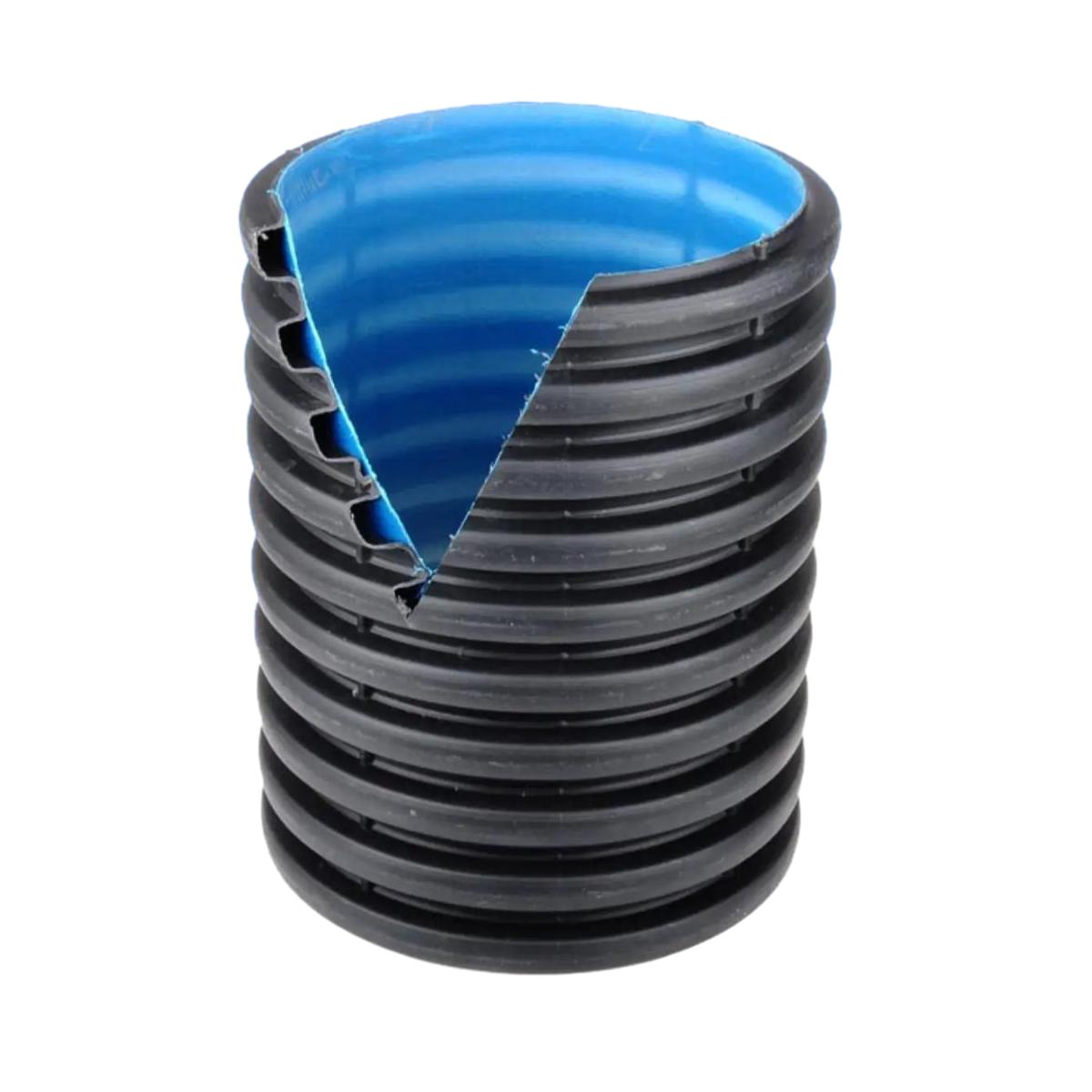
The predominant raw materials utilized in under-sink water pipe production are PVC, PP, and PEX. PVC, derived from vinyl chloride monomer, exhibits high rigidity and cost-effectiveness. Its chemical structure (C₂H₃Cl) determines its resistance to many chemicals but can be susceptible to UV degradation and softening at elevated temperatures. PP, a thermoplastic polymer ( (C₃H₆)n ), offers improved temperature resistance and impact strength compared to PVC. PEX, a cross-linked polyethylene, boasts exceptional flexibility, freeze resistance, and chemical inertness, making it increasingly popular despite a higher production cost. Manufacturing processes vary depending on the material. PVC and PP pipes are commonly produced through extrusion, where molten polymer is forced through a die to create a continuous profile. Precise control of extrusion temperature, screw speed, and die geometry is vital for maintaining dimensional accuracy and material homogeneity. PEX pipes are typically manufactured via a cross-linking process—either peroxide, radiation, or silane methods—which enhances their thermal stability and resistance to creep. Joints are typically created using solvent welding (PVC), heat fusion (PP), or crimping/expansion fittings (PEX). The quality of the welding or fitting process is paramount; inadequate bonding leads to leaks and system failures. Quality control during manufacturing includes hydrostatic pressure testing to verify pipe integrity, dimensional checks using calibrated instruments, and material composition analysis using techniques like Fourier-transform infrared spectroscopy (FTIR).
Performance & Engineering
The performance of under-sink water pipes is dictated by several engineering factors. Firstly, burst pressure, measured in PSI (pounds per square inch), must exceed the maximum expected operating pressure of the water supply. This is determined through hydrostatic testing following standards like ASTM D1785 for PVC pipe. Secondly, tensile strength and elongation at break are crucial for resisting mechanical stresses during installation and use. PP and PEX generally exhibit higher tensile strength and elongation compared to PVC. Thirdly, creep resistance, the ability to withstand sustained pressure without deformation, is particularly important for PEX pipes used in hot water applications. Environmental resistance includes resistance to chlorine, chloramines, and other water treatment chemicals commonly found in municipal water supplies. Furthermore, pipes must meet stringent requirements for lead content (typically <0.25% according to NSF/ANSI 61) to ensure potable water safety. Corrosion resistance is particularly important, especially in areas with aggressive water chemistry. The long-term performance of joints is critically dependent on the quality of the bonding process and the compatibility of the materials used. Force analysis involves calculating the stresses imposed on the pipes due to water hammer (pressure surges) and thermal expansion/contraction. Proper pipe support and expansion loops are essential to mitigate these stresses.
Technical Specifications
| Material | Nominal Pipe Size (inches) | Pressure Rating (PSI) @ 73°F | Operating Temperature Range (°F) | Burst Pressure (PSI) - Minimum | Wall Thickness (inches) |
|---|---|---|---|---|---|
| PVC | 1/2 | 100 | 140 | 400 | 0.062 |
| PP | 1/2 | 80 | 180 | 320 | 0.075 |
| PEX | 1/2 | 160 | 180 | 640 | 0.083 |
| PVC | 3/4 | 80 | 140 | 320 | 0.083 |
| PP | 3/4 | 60 | 180 | 240 | 0.094 |
| PEX | 3/4 | 160 | 180 | 640 | 0.105 |
Failure Mode & Maintenance
Under-sink water pipes are susceptible to several failure modes. PVC pipes can become brittle over time due to UV exposure and thermal cycling, leading to cracking, particularly at joints. PP pipes are more resistant to UV degradation but can exhibit creep deformation at elevated temperatures. PEX pipes, while flexible, can suffer from oxidation and degradation if exposed to high temperatures and chlorine for extended periods. Common failure mechanisms include: 1) Fatigue cracking caused by repeated pressure fluctuations and vibration. 2) Delamination of multi-layer PEX pipes due to inadequate bonding. 3) Degradation of rubber seals in fittings. 4) Corrosion of metal fittings in contact with dissimilar metals. 5) Pinholes caused by manufacturing defects or damage during installation. Preventative maintenance includes regular visual inspection for leaks, cracks, and corrosion. Flushing the system periodically to remove sediment buildup is also recommended. For PVC and PP pipes, avoid excessive mechanical stress during installation. PEX pipes should be protected from direct sunlight and excessive heat. If a leak is detected, the affected section of pipe or fitting should be replaced immediately. The use of dielectric unions is crucial when connecting dissimilar metals to prevent galvanic corrosion. Proper water pressure regulation also extends pipe lifespan. Consider annual inspections of connections and supports, re-tightening where necessary.
Industry FAQ
Q: What is the primary difference between PVC and PEX for under-sink applications, and which is generally preferred?
A: PVC is less expensive and offers good rigidity for straight runs. However, PEX offers significantly better freeze resistance, flexibility (easier installation in tight spaces), and generally higher burst strength. While PVC is still used, PEX is increasingly preferred for its superior performance characteristics and reduced risk of damage from temperature fluctuations and accidental impacts.
Q: How do I determine the correct pipe size for my specific application?
A: Pipe size is determined by flow rate and fixture unit requirements. Generally, 1/2-inch pipe is sufficient for most single-fixture applications (e.g., a sink faucet). Larger fixtures, such as dishwashers or washing machines, may require 3/4-inch pipe to maintain adequate water pressure. Consult local plumbing codes and fixture manufacturer specifications for precise requirements.
Q: What are the common causes of leaks at pipe joints?
A: Leaks at joints are often caused by improper installation techniques—insufficient solvent welding (PVC), inadequate heat fusion (PP), or incorrect crimping/expansion (PEX). Another cause is the presence of debris within the joint during assembly. Material incompatibility or defects in the fittings can also contribute to leaks. Proper surface preparation and adherence to manufacturer’s instructions are critical.
Q: What is the role of water pressure regulators in protecting under-sink piping?
A: Water pressure regulators maintain a consistent water pressure within the plumbing system, preventing excessive pressure surges that can lead to pipe rupture or joint failure. High water pressure can also stress fittings and accelerate material degradation. A regulator is especially important in areas with municipal water supplies known to have fluctuating or high pressures.
Q: How do I ensure the pipes comply with potable water safety standards?
A: Look for pipes and fittings that are certified to NSF/ANSI 61 standards. This certification indicates that the materials have been tested and verified to not leach harmful contaminants into the water supply. Additionally, verify that the products meet local plumbing code requirements for lead content and other safety parameters. Documentation from the manufacturer is essential.
Conclusion
Under-sink water pipes, particularly those manufactured in China, are critical infrastructure components requiring careful material selection, precise manufacturing control, and proper installation to ensure long-term reliability and potable water safety. The increasing prevalence of PEX due to its superior performance characteristics—flexibility, freeze resistance, and higher burst strength—represents a significant trend in the industry. Addressing the industry pain points of joint integrity and material degradation necessitates stringent quality control measures throughout the supply chain and adherence to established international standards.
The future of under-sink piping will likely involve continued advancements in material science, such as the development of more durable and sustainable polymers. Smart plumbing systems incorporating leak detection sensors and remote monitoring capabilities are also expected to gain traction, further enhancing system reliability and minimizing water waste. Ultimately, a comprehensive understanding of material properties, manufacturing processes, and engineering principles is essential for specifying and maintaining efficient and safe under-sink plumbing systems.
-
DN25 HDPE Compression Fitting-HORON INTERNATIONAL|Reliable Irrigation Solutions
NewsFeb.11,2026
-
china 100mm pvc pipe price Performance Analysis
News2026-05-23
-
china pvc pipe used for Performance Analysis
News2026-05-23
-
china ppr water pipe fittings Performance Analysis
News2026-05-23
-
china hdpe pipe couplings Performance Analysis
News2026-05-23
-
china 50mm ppr pipe price Performance Analysis
News2026-05-23
-
china corrugated hdpe pipe fittings Performance Analysis
News2026-05-22
-
china ppr pipe for hot water Performance Analysis
News2026-05-22
-
china ppr Technical Performance Analysis
News2026-05-22
-
china corrugated dual wall pipe Performance Analysis
News2026-05-22
-
china sink inlet pipe Material Performance Analysis
News2026-05-22
-
china 1 2 inch pvc Performance Analysis
News2026-05-21
-
china hdpe pipe joint coupler Performance Analysis
News2026-05-21
-
china ppr pipes and fittings price list Technical Analysis
News2026-05-21
-
china 9 inch pvc pipe price Performance Analysis
News2026-05-21
-
china 2 inch borewell column pipe price Performance Engineering
News2026-05-21