

Feb . 11, 2026 00:01 Back to list
china 40mm ppr pipe price Performance Analysis
Introduction
Polypropylene Random (PPR) piping, specifically the 40mm variant commonly sourced from China, represents a significant material choice in modern fluid conveyance systems. This guide details the technical aspects of this product, its position within the broader plumbing and infrastructure supply chain, and an overview of its critical performance characteristics. PPR pipes are increasingly favored over traditional materials like galvanized steel and PVC due to their corrosion resistance, thermal stability, and ease of installation using heat fusion welding. The 40mm diameter is a standard size utilized in residential, commercial, and industrial applications for hot and cold water distribution, as well as industrial fluid transport where chemical compatibility permits. A core industry pain point addressed by PPR is the long-term cost of ownership; while initial material costs may be comparable to alternatives, PPR's longevity and reduced maintenance requirements translate to significant savings over the system's lifecycle. This document will provide a deep technical dive into the materials, manufacturing processes, performance parameters, potential failure modes, and relevant international standards associated with china 40mm PPR pipe.
Material Science & Manufacturing
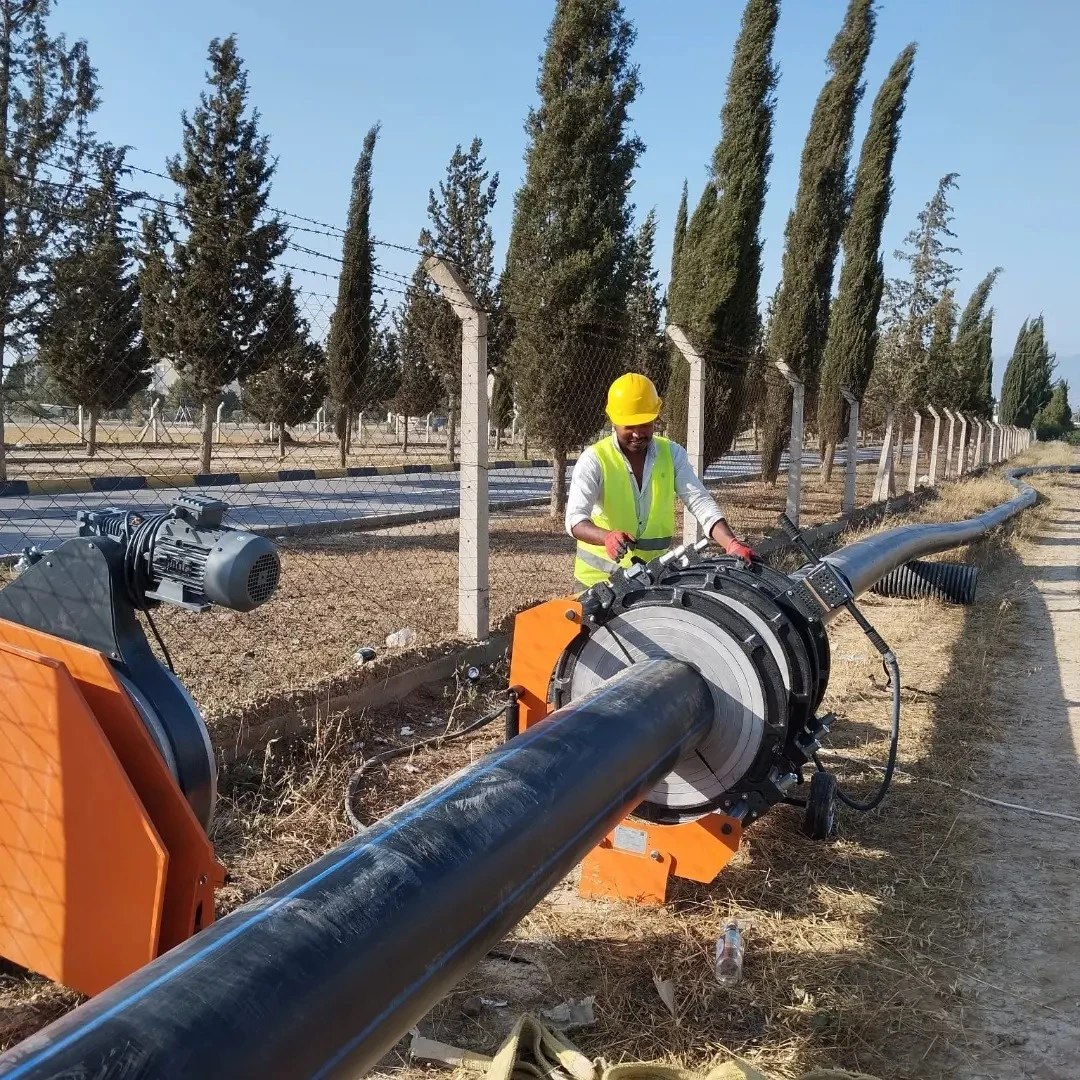
PPR pipes are manufactured from polypropylene random copolymers. The "random" designation signifies the random distribution of comonomers (typically ethylene) within the polypropylene chain. This randomization disrupts the polymer’s crystallinity, resulting in increased flexibility, impact resistance, and improved weldability compared to homopolymer polypropylene. Raw material selection is critical; the quality of the polypropylene resin directly impacts the final pipe properties. Key parameters include Melt Flow Index (MFI), which influences processability, and molecular weight distribution, affecting long-term creep resistance. Manufacturing typically involves extrusion. Polypropylene granules are melted and forced through a die to create the pipe’s profile. Key process parameters include extrusion temperature (typically between 190-240°C), die pressure, and cooling rate. Precise temperature control is paramount to prevent degradation and ensure uniform material properties. The pipe is then cut to length, marked with relevant information (size, pressure rating, manufacturer), and subjected to quality control checks. Heat fusion welding is the primary joining method for PPR. This process involves heating the pipe ends and fitting to a specific temperature and then pressing them together, creating a homogenous weld. The welding parameters (temperature, pressure, and time) must be precisely controlled to ensure a structurally sound joint. Variations in welding parameters can lead to weak joints susceptible to failure. Maintaining consistent material thickness throughout the extrusion process is also crucial for uniform weld strength. The addition of stabilizers, such as antioxidants and UV stabilizers, during the compounding stage enhances the pipe’s resistance to thermal and oxidative degradation, extending its service life.
Performance & Engineering
The performance of 40mm PPR pipe is governed by several key engineering principles. Hydrostatic pressure testing is fundamental, verifying the pipe’s ability to withstand internal fluid pressure without failure. These tests are typically conducted at pressures significantly exceeding the pipe’s rated operating pressure. Force analysis considers both internal pressure stress and external loads (e.g., soil loading, thermal expansion/contraction). PPR exhibits a relatively low modulus of elasticity compared to metals, meaning it deforms more under load. This necessitates careful consideration of pipe support spacing to prevent excessive bending and stress concentrations. Thermal expansion is another critical factor. PPR has a significant coefficient of thermal expansion; changes in fluid temperature cause the pipe to expand and contract. This expansion/contraction must be accommodated through expansion loops, flexible connectors, or careful pipe routing to prevent stress on joints and connected equipment. Chemical resistance is paramount. PPR is generally resistant to a wide range of chemicals, but prolonged exposure to certain solvents or aggressive chemicals can cause swelling, cracking, or degradation. Compatibility charts should be consulted to ensure the pipe is suitable for the intended application. Compliance with relevant building codes and plumbing standards (detailed in the Standards section) is essential. These standards specify minimum requirements for material properties, manufacturing processes, and installation procedures. A frequent industry pain point is improper installation leading to premature failure. Incorrect welding techniques, inadequate pipe support, and insufficient allowance for thermal expansion are common causes of leaks and system malfunctions. Long-term creep resistance is also a vital performance consideration. Over time, sustained pressure and temperature can cause the pipe to slowly deform. High-quality PPR resins with optimized molecular weight distribution exhibit superior creep resistance.
Technical Specifications
| Parameter | Unit | Value (Typical) | Test Standard |
|---|---|---|---|
| Nominal Diameter | mm | 40 | ISO 15876 |
| Wall Thickness | mm | 2.3 - 4.2 (depending on pressure rating - PN10, PN16, PN20) | ISO 15876 |
| Pressure Rating (PN) | bar | 10, 16, 20 | ISO 15876 |
| Melt Flow Index (MFI) | g/10min | 0.3 – 1.0 | ISO 1133 |
| Tensile Strength | MPa | >20 | ISO 527-2 |
| Elongation at Break | % | >200 | ISO 527-2 |
| Water Absorption | % (24hr) | <0.1 | ISO 62 |
Failure Mode & Maintenance
Several failure modes are commonly observed in PPR piping systems. Fatigue cracking can occur at welded joints due to repeated stress cycles from pressure fluctuations or thermal expansion/contraction. This is exacerbated by improper welding techniques. Creep rupture can result from sustained pressure and elevated temperatures over extended periods, particularly in lower-quality materials. Oxidative degradation occurs when the PPR material is exposed to high temperatures and oxygen, leading to embrittlement and cracking. UV degradation can occur if the pipe is exposed to prolonged sunlight. This is why UV stabilizers are crucial. Delamination can occur in multilayered pipes if the bonding between layers is insufficient. Chemical attack can compromise the pipe's integrity if exposed to incompatible substances. Maintenance primarily focuses on preventative measures. Regular inspections of welded joints for cracks or leaks are essential. Ensuring adequate pipe support to minimize stress is crucial. Maintaining a stable operating temperature within the pipe's design limits helps prevent thermal stress and degradation. Avoid exposing the pipe to harsh chemicals. If a leak is detected, the affected section should be cut out and replaced with a new section using proper heat fusion welding techniques. A common failure analysis approach involves visual inspection, hydrostatic testing, and microscopic examination of fractured surfaces to determine the root cause of failure. In cases of widespread failure, material testing should be performed to verify compliance with relevant standards.
Industry FAQ
Q: What is the service life expectancy of a properly installed 40mm PPR pipe system?
A: A properly installed and maintained 40mm PPR pipe system, utilizing high-quality materials and adhering to best practices, can have a service life expectancy of 50 years or more. This assumes consistent operating conditions within the design parameters (temperature, pressure, fluid compatibility) and the absence of significant mechanical stress or damage.
Q: How does the cost of PPR pipe compare to other materials like copper or PVC?
A: The raw material cost of PPR pipe is generally comparable to that of PVC. However, copper is typically more expensive. When considering total lifecycle costs, PPR often proves more economical due to its lower maintenance requirements, corrosion resistance, and longer lifespan. Labor costs for installation are also often lower with PPR due to the ease of heat fusion welding.
Q: What are the limitations of using PPR pipe in specific applications?
A: PPR pipe has limitations regarding chemical compatibility. It’s not suitable for applications involving strong oxidizing agents, aromatic hydrocarbons, or chlorinated solvents. Additionally, PPR's relatively low modulus of elasticity requires careful consideration of pipe support and expansion/contraction management, particularly in large-diameter installations. The maximum operating temperature is generally limited to 95°C.
Q: What quality control measures should be implemented to ensure the reliability of PPR pipe sourced from China?
A: Thorough quality control is essential. Verify that the manufacturer holds relevant certifications (e.g., ISO 9001). Request material certificates confirming compliance with international standards (e.g., ISO 15876). Perform hydrostatic pressure testing on sample pipes. Inspect for dimensional accuracy and surface defects. Consider third-party inspection services to provide independent verification.
Q: What is the impact of water hammer on PPR pipe systems, and how can it be mitigated?
A: Water hammer (pressure surges) can significantly stress PPR pipe systems, particularly at welded joints. Mitigation strategies include installing water hammer arrestors, using pressure reducing valves, and ensuring proper pipe anchoring to absorb shock loads. Slower-closing valves can also help minimize pressure surges.
Conclusion
China-sourced 40mm PPR pipe offers a compelling solution for a wide range of fluid conveyance applications. Its inherent corrosion resistance, coupled with the efficiency of heat fusion welding, translates to long-term cost savings and reduced maintenance burdens. However, realizing these benefits requires a thorough understanding of the material’s properties, manufacturing processes, and potential failure modes.
A proactive approach to quality control, proper installation techniques, and diligent adherence to relevant international standards (ISO 15876 being paramount) are critical for ensuring the longevity and reliability of PPR piping systems. Continuous monitoring of operating conditions and preventative maintenance are also essential for maximizing the system's service life and preventing premature failures.
-
DN25 HDPE Compression Fitting-HORON INTERNATIONAL|Reliable Irrigation Solutions
NewsFeb.11,2026
-
china 100mm pvc pipe price Performance Analysis
News2026-05-23
-
china pvc pipe used for Performance Analysis
News2026-05-23
-
china ppr water pipe fittings Performance Analysis
News2026-05-23
-
china hdpe pipe couplings Performance Analysis
News2026-05-23
-
china 50mm ppr pipe price Performance Analysis
News2026-05-23
-
china corrugated hdpe pipe fittings Performance Analysis
News2026-05-22
-
china ppr pipe for hot water Performance Analysis
News2026-05-22
-
china ppr Technical Performance Analysis
News2026-05-22
-
china corrugated dual wall pipe Performance Analysis
News2026-05-22
-
china sink inlet pipe Material Performance Analysis
News2026-05-22
-
china 1 2 inch pvc Performance Analysis
News2026-05-21
-
china hdpe pipe joint coupler Performance Analysis
News2026-05-21
-
china ppr pipes and fittings price list Technical Analysis
News2026-05-21
-
china 9 inch pvc pipe price Performance Analysis
News2026-05-21
-
china 2 inch borewell column pipe price Performance Engineering
News2026-05-21