

Feb . 11, 2026 00:01 Back to list
china bulk pvc pipe for sale Performance Analysis
Introduction
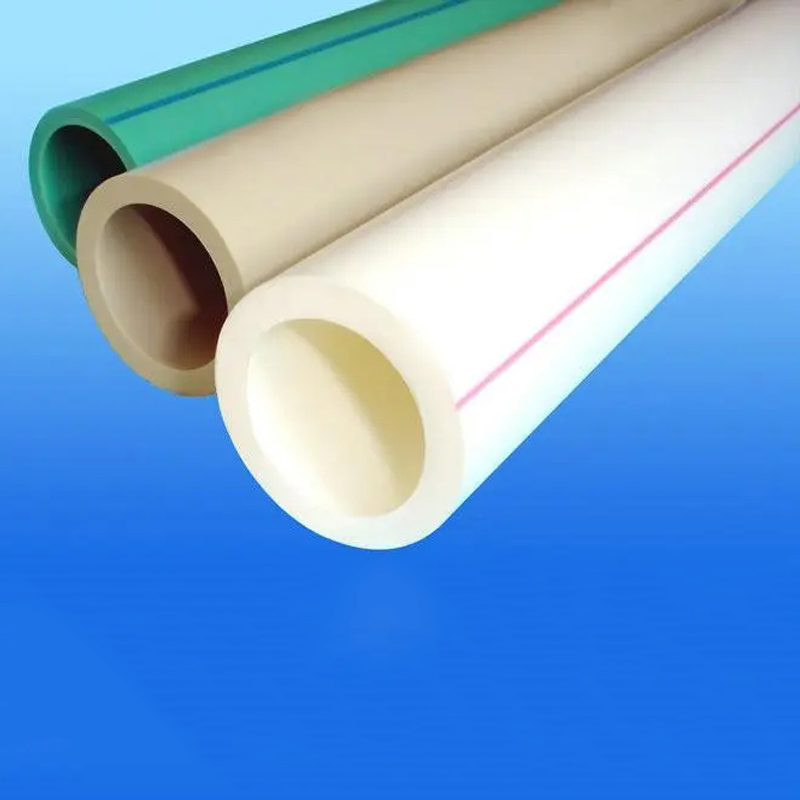
Polyvinyl chloride (PVC) pipe, manufactured in bulk quantities and exported from China, represents a foundational component in modern infrastructure. It serves a vast array of applications, including potable water distribution, irrigation, sewage systems, drainage, and increasingly, industrial chemical transfer. This technical guide provides an in-depth analysis of China bulk PVC pipe, encompassing its material science, manufacturing processes, performance characteristics, potential failure modes, and relevant industry standards. The increasing demand for cost-effective and durable piping solutions has positioned Chinese manufacturers as a significant global supplier. However, understanding the nuances of PVC composition, quality control, and long-term performance is crucial for engineers, procurement managers, and project stakeholders. This guide addresses common pain points within the industry, specifically concerns surrounding material consistency, adherence to international regulations, and the prediction of service life based on environmental factors. The guide will focus on Schedule 40 and Schedule 80 PVC pipe, the most commonly exported types.
Material Science & Manufacturing
PVC is a thermoplastic polymer formed by the polymerization of vinyl chloride monomer (VCM). The raw material for PVC production is primarily ethylene, derived from petrochemical sources, and chlorine, typically produced through the electrolysis of brine (sodium chloride solution). The process involves several key stages: VCM production, polymerization, compounding, and finally, pipe extrusion. The compound formulation is critical. PVC itself is a rigid material, therefore plasticizers, such as phthalates or alternative non-phthalate options, are added to impart flexibility. Stabilizers, typically based on lead, zinc, or calcium-zinc formulations, are incorporated to prevent thermal degradation during processing and prolonged UV exposure in service. Lubricants facilitate processing and improve surface finish. For Schedule 40 and 80 pipe, the PVC resin typically has a K-value between 67 and 74, indicating molecular weight and influencing melt viscosity.
Manufacturing primarily utilizes extrusion processes. The PVC compound is fed into a single-screw or twin-screw extruder, where it is heated, melted, and homogenized. The molten PVC is then forced through a die, which defines the pipe’s outer diameter and wall thickness. Precise control of extrusion temperature (typically 180-210°C), screw speed, and die pressure is paramount for achieving consistent dimensions and mechanical properties. Cooling is achieved through water baths, followed by dimensional stabilization and cutting to specified lengths. Quality control at this stage includes dimensional checks, hydrostatic pressure testing, and impact resistance assessments (Izod or Charpy). The common manufacturing defects include dimensional inconsistencies, weld line weaknesses, and porosity, all of which can compromise the pipe’s structural integrity. Furthermore, the sourcing of raw materials and the consistency of the compounding process are significant factors differentiating Chinese manufacturers and impacting product reliability.
Performance & Engineering
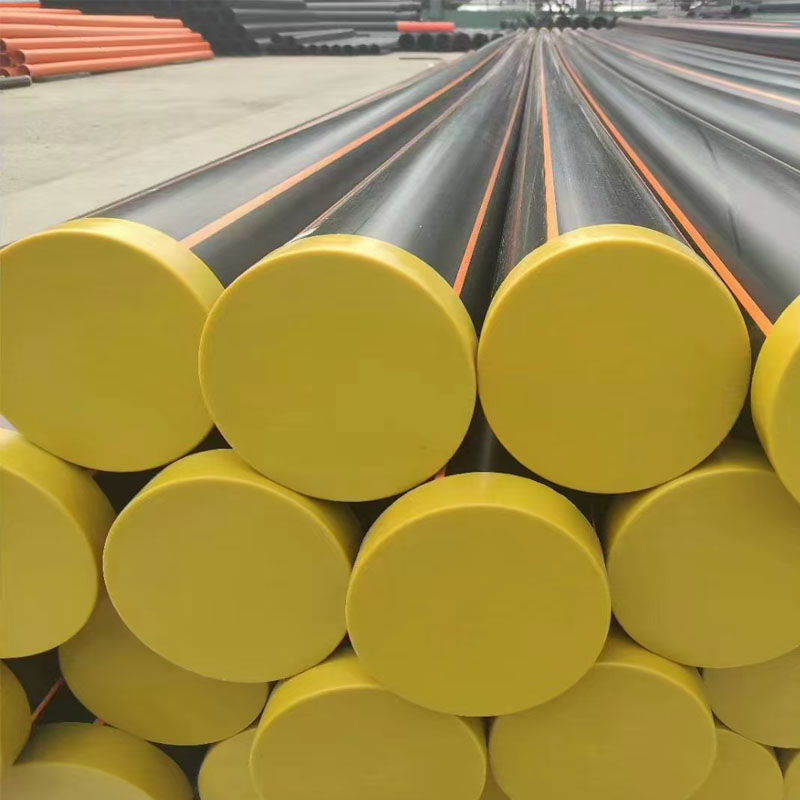
The performance of PVC pipe is governed by its mechanical strength, chemical resistance, and ability to withstand environmental stressors. Tensile strength, typically ranging from 55-65 MPa for Schedule 40 PVC and 65-75 MPa for Schedule 80, dictates its resistance to longitudinal stress. Burst pressure, a critical parameter for pressure-rated applications, is determined by the pipe’s diameter, wall thickness, and material strength, and must meet or exceed the design operating pressure with a suitable safety factor. The modulus of elasticity (Young’s modulus) governs the pipe’s stiffness and resistance to deformation under load. Impact resistance, measured by Izod or Charpy tests, assesses its ability to withstand sudden shocks. PVC exhibits excellent resistance to a wide range of chemicals, including acids, alkalis, and salts, making it suitable for various industrial applications. However, it is susceptible to degradation by certain solvents and hydrocarbons.
Environmental resistance is a major consideration. Long-term exposure to UV radiation can cause embrittlement and discoloration, necessitating the use of UV stabilizers in the compound formulation. Temperature fluctuations induce thermal expansion and contraction, which must be accommodated through proper installation practices (e.g., expansion joints). Soil conditions, including acidity, salinity, and the presence of aggressive chemicals, can affect the long-term durability of buried PVC pipe. Hydrostatic pressure testing, typically conducted at 2.25 times the design operating pressure for a specified duration, verifies the pipe's ability to withstand internal pressure. Compliance with relevant standards (see section 7) ensures that the pipe meets minimum performance requirements for specific applications. Finite element analysis (FEA) is increasingly used to model pipe behavior under various loading conditions and optimize design for improved performance and reliability.
Technical Specifications
| Parameter | Schedule 40 PVC | Schedule 80 PVC | Test Standard |
|---|---|---|---|
| Outside Diameter (inches) | 0.5 - 12 | 0.5 - 12 | ASTM D1785 |
| Wall Thickness (inches) | 0.065 - 0.375 | 0.095 - 0.438 | ASTM D1785 |
| Pressure Rating (PSI at 73°F) | Up to 400 | Up to 600 | ASTM D1785 |
| Tensile Strength (MPa) | 55-65 | 65-75 | ASTM D638 |
| Flexural Modulus (GPa) | 3.0 - 3.5 | 3.2 - 3.8 | ASTM D790 |
| Izod Impact Strength (J/m) | 400-600 | 600-800 | ASTM D256 |
Failure Mode & Maintenance
PVC pipe can experience several failure modes during its service life. Brittleness, induced by UV exposure or low temperatures, can lead to cracking under stress. Hydrostatic stress cracking occurs due to sustained internal pressure, particularly in the presence of defects or stress concentrators. Soil loading, especially from heavy vehicles or unstable ground conditions, can cause ovalization and cracking. Chemical attack by aggressive substances in the surrounding environment can degrade the material, reducing its strength and flexibility. Long-term creep, a time-dependent deformation under constant load, can also lead to failure. Delamination, though less common, can occur due to inadequate bonding between layers during extrusion.
Preventative maintenance involves regular visual inspections for cracks, leaks, or signs of deterioration. Proper backfill compaction is crucial to prevent soil loading. Protecting exposed pipe from UV radiation with coatings or shielding is recommended. Avoiding the use of incompatible solvents or chemicals in the vicinity of the pipe is essential. For buried pipelines, cathodic protection may be necessary in corrosive soil environments. Repairing minor cracks or leaks can be accomplished using PVC repair couplings or wraps. In cases of significant damage, complete pipe replacement is often the most practical solution. Routine pressure testing can identify potential weaknesses before catastrophic failure occurs. Thorough record-keeping of installation details, operating conditions, and maintenance activities is essential for proactive asset management.
Industry FAQ
Q: What is the typical lead time for bulk orders of Schedule 40 PVC pipe from China?
A: Lead times vary significantly depending on the order volume, current production capacity, and shipping availability. Typically, for orders exceeding 100 metric tons, a lead time of 4-8 weeks should be anticipated, inclusive of production and sea freight. Larger, customized orders may require longer lead times. It is critical to confirm current lead times directly with the manufacturer prior to placing an order.
Q: How do Chinese PVC pipe manufacturers ensure compliance with NSF/ANSI 61 for potable water systems?
A: Reputable manufacturers will hold current NSF/ANSI 61 certification for their PVC pipe intended for potable water applications. This involves independent testing and auditing by NSF International to verify that the pipe materials meet stringent requirements for contaminant leaching and toxicity. Verification of the certification through NSF’s online database is crucial. Requesting copies of the NSF certificate and testing reports is standard practice.
Q: What quality control measures are typically employed during the manufacturing process to ensure dimensional accuracy and prevent defects?
A: Comprehensive quality control measures should include raw material inspection, in-process dimensional checks (using calipers, micrometers, and automated gauging systems), hydrostatic pressure testing, impact resistance testing, and visual inspection for surface defects. Statistical process control (SPC) should be implemented to monitor and control critical process parameters. Many manufacturers also employ X-ray inspection for critical applications.
Q: What are the typical phthalate content levels in Chinese PVC pipe, and are phthalate-free options available?
A: Historically, phthalates (like DOP and DINP) were commonly used as plasticizers in PVC pipe. However, due to increasing health and environmental concerns, many manufacturers now offer phthalate-free alternatives using plasticizers such as DOTP or DINCH. The specific phthalate content should be clearly specified in the product data sheet. Independent testing can verify compliance with relevant phthalate restrictions (e.g., REACH regulations).
Q: What is the expected service life of Schedule 80 PVC pipe used in industrial chemical transfer applications?
A: The expected service life depends heavily on the chemical compatibility between the PVC material and the transferred fluid, operating temperature, pressure, and exposure to UV radiation. Under ideal conditions (compatible chemicals, moderate temperatures, shielded from UV exposure), Schedule 80 PVC pipe can have a service life exceeding 50 years. However, continuous exposure to aggressive chemicals or extreme temperatures can significantly reduce its lifespan. Regular inspections and material compatibility testing are essential for predicting and maximizing service life.
Conclusion
China bulk PVC pipe represents a viable and cost-effective solution for numerous infrastructure and industrial applications. However, the variability in material quality and manufacturing processes necessitates a thorough understanding of the material science, performance characteristics, and potential failure modes. Prioritizing manufacturers with robust quality control systems, independent certifications (e.g., NSF/ANSI 61), and a commitment to sustainable practices is paramount. By carefully evaluating technical specifications, conducting appropriate due diligence, and implementing preventative maintenance programs, stakeholders can maximize the long-term performance and reliability of PVC pipe systems.
Looking ahead, advancements in PVC compounding technologies, including the development of more durable and chemically resistant formulations, will further enhance the suitability of PVC pipe for demanding applications. Increasing emphasis on circular economy principles will drive the development of PVC recycling technologies, reducing environmental impact and promoting sustainability. Continued adherence to international standards and collaborative efforts between manufacturers, engineers, and regulatory bodies will ensure the continued safe and efficient use of PVC pipe in critical infrastructure worldwide.
-
DN25 HDPE Compression Fitting-HORON INTERNATIONAL|Reliable Irrigation Solutions
NewsFeb.11,2026
-
china corrugated hdpe pipe fittings Performance Analysis
News2026-05-22
-
china ppr pipe for hot water Performance Analysis
News2026-05-22
-
china ppr Technical Performance Analysis
News2026-05-22
-
china corrugated dual wall pipe Performance Analysis
News2026-05-22
-
china sink inlet pipe Material Performance Analysis
News2026-05-22
-
china 1 2 inch pvc Performance Analysis
News2026-05-21
-
china hdpe pipe joint coupler Performance Analysis
News2026-05-21
-
china ppr pipes and fittings price list Technical Analysis
News2026-05-21
-
china 9 inch pvc pipe price Performance Analysis
News2026-05-21
-
china 2 inch borewell column pipe price Performance Engineering
News2026-05-21
-
china hdpe pipe suppliers Performance Analysis
News2026-05-20
-
china submersible pump column pipe Performance Engineering
News2026-05-20
-
china 8 hdpe corrugated pipe Manufacturing Analysis
News2026-05-20
-
china dual wall hdpe pipe Performance Analysis
News2026-05-20
-
china water lines under sink Performance Analysis
News2026-05-20